

Demo Stock Trading Apps: A Guide for Indian Investors
📈 Explore how demo stock trading apps help Indian investors practise without risk, learn strategies, and pick the right platform before trading live markets.
Edited By
Sophie Turner
Starting to invest in the stock market has become easier thanks to trading apps with low deposit requirements. Many Indian traders and investors no longer need hefty sums to open accounts or buy their first shares. These apps lower the entry barrier, making investing accessible for those who have limited capital or want to test the waters before committing larger amounts.
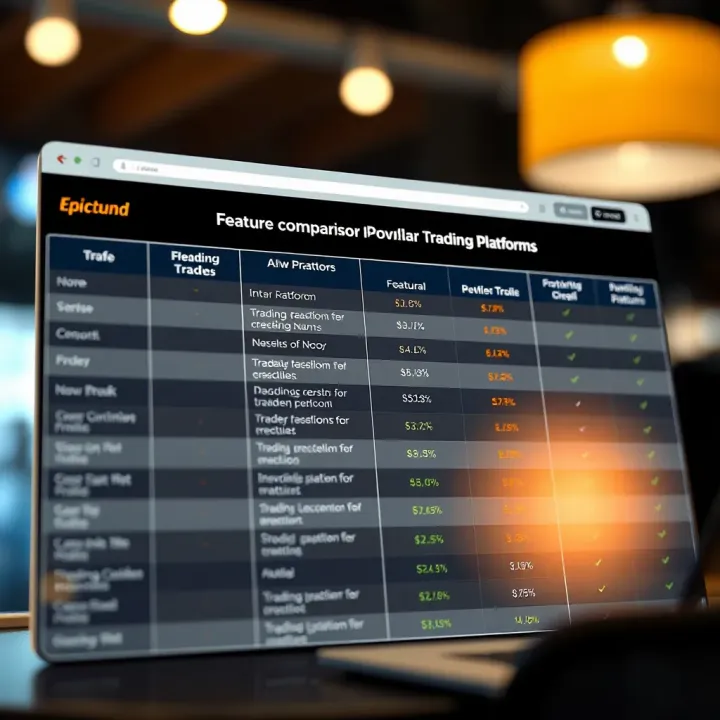
A minimal deposit allows new investors or those with small budgets to start trading without worrying about tying up too much money upfront. This matters especially for freshers and small-scale traders who want to explore equity, commodities, or mutual funds without heavy financial pressure. For example, Zerodha requires a minimum deposit of just ₹2000 to start investing, while Groww allows users to begin mutual fund investments with as low as ₹500.
Many platforms optimise for minimal deposits to appeal to India's growing retail investor base, providing easy access to diverse instruments.
Brokerage and Fees: Lower deposits are attractive but check for hidden charges like transaction fees, maintenance, or inactivity fees.
Trading Options: Some apps focus on equities, others on derivatives or mutual funds. Choose based on the assets you want to invest in.
User Interface and Support: A simple, intuitive app with prompt customer service makes the early trading experience smoother.
Regulatory Compliance: Always ensure the app is registered with the Securities and Exchange Board of India (SEBI) and linked to recognised exchanges such as NSE or BSE.
Upstox: Minimum deposit often starts from ₹5000, ideal for equity and derivatives trading.
Angel Broking: No fixed minimum deposit, making it flexible for investors.
5Paisa: Charges low brokerage and allows starting with minimal capital.
Understanding the deposit framework helps investors balance convenience with investment goals. Knowing deposit limits and fees upfront prevents surprises, especially for beginners eager to build their portfolio step-by-step without risking large capital.
This article will guide you through exact deposit procedures, compare features and limitations, and help you select the most suitable low-deposit trading apps in India.
Trading apps with low initial deposit requirements make stock market access easier for many, particularly new and small investors. They allow you to begin investing without having to arrange a large sum upfront. This opens up opportunities for first-timers exploring shares or mutual funds while managing risk with limited funds.
The minimum deposit in trading apps refers to the smallest amount of money you need to put into your trading or demat account before you can start investing. Practically, this acts as your entry ticket to the market. For example, some Indian platforms let you start with as little as ₹100 or ₹500, making them quite accessible.
Having a low minimum deposit is especially useful for beginners who want to test the waters before committing more money. It means you can learn the ropes without worrying about heavy upfront costs. Also, with smaller deposits, you can try different trading strategies or asset classes without locking in a large sum.
The amount you deposit influences the range of investments you can pursue. A higher deposit generally means access to a broader selection of stocks, derivatives, or mutual funds. But with a small deposit, you may have to focus on low-cost equities or funds, while carefully considering brokerage fees.
A simple, intuitive app interface reduces the learning curve and lets you execute trades quickly. Look for apps with clear navigation, easy order placement, and real-time updates — especially if you’re trading on small amounts where timing matters.
Apps that offer various investment products like equities, mutual funds, exchange-traded funds (ETFs), and smallcase portfolios provide flexibility within your budget. This allows diversification even with limited funds, helping manage risk better.
Ensure the app complies with Securities and Exchange Board of India (SEBI) regulations and uses secure technologies like two-factor authentication. Security is vital when dealing with financial transactions, regardless of deposit size.
Trading with a minimal deposit means fees can eat into your returns significantly. Choose apps that offer low brokerage, zero account maintenance charges, or free equity delivery trades. Hidden fees can quickly erode gains when starting with a small amount.
Starting small is smart, but picking the right app with transparent fees and reliable features is the real key to growing your investment safely.
In sum, apps with low deposit requirements lower the entry barrier, help beginners gain market exposure, and allow trading within tight budgets. Yet, choosing apps wisely based on usability, investment options, security, and costs is vital to making those initial deposits work effectively for you.
In India’s fast-growing retail investment space, trading apps with low initial deposit requirements open doors for a wider audience. Popular platforms that allow starting investments with minimal capital help new traders and small investors enter the stock market without heavy upfront commitments. Choosing the right app depends not just on deposit sizes but also on the features, ease of use, and range of services offered, which ultimately impact trading experience and portfolio growth.
Zerodha stands out as India’s largest discount broker known for its minimal account opening charges. It does not require any fixed minimum deposit to start trading, making it attractive for beginners with limited funds. Zerodha combines simplicity with powerful tools like Kite, its trading platform, and offers access to equity, commodities, and currency markets. Its transparent brokerage model and reliable technology attract both fresh investors and experienced traders who prefer cost-effective solutions.
Upstox is another popular choice for individuals looking to start with small capital. Like Zerodha, it charges zero minimum deposit for account opening. Upstox offers a clean and user-friendly interface with real-time market data, making it easier for new users to navigate. Its integration with National Stock Exchange (NSE) and Bombay Stock Exchange (BSE) offers broad market access alongside mutual funds and digital gold investments. Upstox’s low fees and reliable customer support enhance its appeal in the budget-conscious segment.
Angel Broking, a full-service broker with a strong digital presence, has been lowering barriers by introducing zero minimum deposit account openings through its Angel One app. While offering traditional brokerage services, Angel Broking also provides research reports, personalised advisory, and portfolio tracking – features useful for investors keen on learning and optimising returns. The availability of multiple payment options and quick onboarding add to its practicality.

Groww initially focused on mutual fund investments but now provides stock trading with zero minimum deposit for account opening. Groww’s strength lies in its simple design and educational resources that help beginners understand market basics. Its seamless integration of mutual funds and equities trading in one app appeals to users who want to diversify from the start with a small sum.
Demat account opening deposits typically vary little across popular Indian platforms, with most such as Zerodha, Upstox, Angel Broking, and Groww waiving any fixed upfront deposit. This approach removes barriers, especially for retail investors starting with limited capital. However, charges like annual maintenance fees (AMC) may still apply, usually around ₹300 to ₹600 per year, payable regardless of trading volume.
Trading account minimum requirements are generally flexible. These apps do not mandate a fixed sum to begin trading; users can start with funds as low as a few hundred rupees. This flexibility helps traders buy fractional shares or small lots according to the available balance. It also aligns well with Systematic Investment Plans (SIP) that encourage regular small investments rather than one-time lump sums.
Services offered at low deposit levels can differ notably. For example, Zerodha and Upstox provide comprehensive market access with advanced charting tools even to users with minimal deposits. Angel Broking offers value-added advisory and research at affordable charges, though some premium features might require higher subscriptions or larger accounts. Groww focuses more on user education and simplicity, which may suit new investors primarily looking for basic trading and investment options without complex features.
Choosing a trading app with minimal deposit needs is not just about starting small; it’s also about picking a platform that fits your trading habits, learning curve, and growth goals efficiently.
Overall, leading Indian trading apps have evolved to accommodate small investors keen on entering the market without risking heavy upfront sums, balancing affordability with necessary tools and security. This model boosts financial inclusion and helps build confident, informed investor communities throughout India.
Starting to trade with a small deposit is a practical choice, especially for new investors looking to test the waters without committing a large sum. Understanding the steps involved in registration, depositing funds, and executing trades helps ensure a smooth experience. This section breaks down each phase, focusing on details pertinent to minimal deposit trading.
Document requirements: Opening an account with a trading app generally requires submitting basic identity and address proofs. Common documents include Aadhaar card, PAN card, and a recent bank statement or utility bill for address verification. These documents verify your identity and link your trading account to your bank, enabling seamless fund transfers.
For example, apps like Zerodha or Upstox ask users to upload scanned copies or photos of these documents during sign-up. Ensuring that these documents are clear and valid speeds up account approval.
KYC procedures: Know Your Customer (KYC) is mandatory for compliance with Indian regulations. Most trading apps have integrated e-KYC processes where your Aadhaar and PAN details are verified electronically. Sometimes, a video call or in-person verification may be required.
This KYC process prevents fraud and ensures that your trading activities are legitimate. Completing KYC is crucial before you can start trading, even with the smallest deposit.
Payment methods accepted: Trading apps typically accept multiple payment modes for your initial deposit, such as net banking, UPI, debit/credit cards, and sometimes mobile wallets like Paytm or PhonePe. This variety gives flexibility in funding your account quickly.
For instance, the Groww app allows instant deposits via UPI, which is convenient for small amounts under ₹2,000—the usual minimal deposit for many platforms.
Typical deposit amounts: Minimal deposits usually range from ₹100 to ₹1,000 depending on the app. While apps like Angel Broking allow starting with as low as ₹100, others may have a slightly higher threshold.
This lower barrier encourages small investors to begin trading without heavy upfront costs, making stock market access more inclusive.
Limitations or locks on initial deposits: Some platforms might restrict the use of your deposited funds initially, either due to regulatory hold periods or platform-specific rules. For example, funds might need to settle before becoming available for trading or withdrawal.
Knowing these limitations upfront helps in planning your first trades and managing expectations around liquidity.
Order types suitable for low capital: With limited funds, placing market orders or limit orders with tight price ranges is advisable. Avoid complex order types like stop-loss or bracket orders initially, as they may require more margin or higher capital.
For example, beginners might first try buying small quantities of shares or investing in fractional shares if the app supports it, thereby minimising risks.
Managing risk with limited funds: When trading with a small deposit, protecting your capital becomes paramount. Diversifying investments even within small capital, using stop-loss carefully, and avoiding leveraged positions are practical ways to control risk.
Many trading apps offer portfolio tracking and risk assessment tools. Using these features can prevent major losses, especially when the margin of error is narrow.
Starting trading with minimal deposits is about balancing accessibility with prudence. Clear knowledge of registration, depositing, and trading details ensures investors get the best start without unexpected hurdles.
Trading with a minimum deposit lowers the barrier to entry for many who want to start investing in India. While there are clear benefits, it's equally important to understand the challenges these smaller deposits bring, to trade wisely.
One major advantage of minimum deposit trading apps is the affordability factor. For instance, a beginner can start investing with as little as ₹1000 or even less on platforms like Zerodha or Groww. This removes the need to commit large sums upfront, making the stock market accessible to those with limited funds or who want to test the waters first. It allows a broader segment of Indians, including students or freshers, to participate.
Small deposits also mean that investing can fit within monthly budgets without causing financial strain. For example, a working professional might prefer starting with a low deposit to save for bigger trades later. On top of that, the psychological barrier often associated with investing dissipates when the initial capital requirement is low.
Trading with minimal deposits lets beginners learn the ropes without risking a lot of money. When you put in ₹2,000 instead of ₹50,000, you can make mistakes but the financial damage remains limited. This makes it easier to experiment with different investment strategies or asset classes like stocks, mutual funds, or ETFs.
Moreover, many apps offer virtual trading or demo accounts alongside real trading with low deposits. Such features allow you to understand market patterns and order types without putting actual money at risk, helping build confidence gradually.
One challenge with low deposit trading is that not all financial products are available to you. Some assets like initial public offerings (IPOs), futures and options, or large-cap shares often require higher margins or deposits. For example, trading derivatives usually demands a certain margin amount that might exceed minimal deposit limits.
Therefore, although you can start trading small, your choices might be limited to cash market stocks or mutual funds, which could impact your diversification options.
When trading with small amounts, brokerage, transaction fees, or GST can take a bigger bite. Suppose you invest ₹1,000 and pay ₹20 as fees; that is 2% of your capital. But with ₹50,000 investment, the same fee becomes just 0.04%, making trading cheaper per rupee invested.
This means beginners should pick apps with transparent, low fee structures to avoid fees eating into their small gains. It also encourages frequent monitoring of costs to keep trading sustainable over time.
Limited capital naturally slows down the pace at which your portfolio grows. Unlike investors putting in lakhs or crores, small deposit traders might need more patience to see substantial wealth accumulation.
However, the silver lining is that consistent investing through methods like Systematic Investment Plans (SIP) can gradually build a sizeable portfolio. The key lies in staying disciplined and reinvesting returns rather than expecting quick gains from small initial deposits.
Trading with minimal deposits suits those starting out or cautious about risks but they need to be aware of product limitations, fees, and slower growth potential when planning their investment journey.
By understanding these advantages and challenges, new investors can select appropriate trading apps and make informed decisions that align with their financial goals and risk appetite.
Trading with a small deposit requires smart strategies to make the most of limited funds. Without proper planning, beginners can easily fall into common traps like overtrading or failing to diversify. This section focuses on practical tips that help investors with minimal deposits gain better control and potentially improve their returns while keeping risks manageable.
Even with a small capital, diversifying your investments remains crucial. Instead of putting all your money into one stock or asset, consider spreading it across different sectors or types of investments to reduce risk. For instance, if you have ₹5,000 to start, buying small quantities of shares from technology, pharma, and FMCG companies can protect your portfolio if one sector underperforms.
Mutual funds or exchange-traded funds (ETFs) are particularly useful for diversification on a budget. Many apps offer access to these with low minimum investments, allowing you to gain exposure to multiple stocks or bonds through a single purchase. This way, your limited funds don’t get stuck in just one company, and you avoid big losses from one poor performer.
Systematic Investment Plans (SIPs) allow you to invest fixed amounts regularly, often monthly, which suits investors with limited funds. Instead of investing a lump sum, SIPs help you buy units steadily over time, averaging out the market ups and downs. This reduces the pressure of timing the market perfectly.
Apps like Groww and Zerodha let you set up SIPs with small amounts like ₹500 to ₹1,000, making it easier to build a portfolio steadily. By consistently adding small sums, you can harness the power of compounding in the long run. Plus, SIPs instil investing discipline, which is vital for beginners aiming at steady growth rather than quick gains.
Stay updated on market movements through timely alerts and news directly on trading apps. Many platforms provide push notifications for price changes, corporate announcements, and broader market trends. Using these alerts helps small deposit investors react quickly to opportunities or risks, such as a sudden drop in a favourite stock’s price.
For example, if you’ve bought shares of Reliance Industries but the app alerts you about an upcoming quarterly result or government policy change, you can prepare to either exit or add depending on the news. This timely information is especially helpful when you cannot afford to lose much capital.
Most trading apps include educational materials like videos, articles, and webinars that guide users through investment concepts and strategies. Engaging with these resources improves your decision-making, helping you understand when to buy, sell, or hold stocks.
For instance, Angel Broking’s app offers tutorials on technical analysis and risk management that beginners can tap into for free. Using these tools turns the app into more than just a trading platform — it becomes a personal learning centre, essential for long-term success with small investments.
Smart use of app features and disciplined investing can turn even a small deposit into a promising portfolio. The key is to stay informed, avoid impulsive decisions, and steadily build your investments.
📈 Explore how demo stock trading apps help Indian investors practise without risk, learn strategies, and pick the right platform before trading live markets.

📈 Explore demo trading apps to safely grasp market basics, explore features, and master platform tools before moving to live trades. Ideal for Indian beginners!

📱 Find the ideal trading phone in India with top processing power, sharp display, long battery life, and reliable connectivity for seamless market updates and app performance.

Explore the best trading apps for PC designed for Indian traders 🖥️. Compare features, security, usability & performance to find your ideal match for smart investing.
Based on 5 reviews