

Forex Trading Kaise Kare: Beginner's Guide in India
Start forex trading in India with this easy guide 🇮🇳: learn to pick brokers, analyse currency pairs, manage risks & apply smart strategies for better profits 💹.
Edited By
Emma Clarke
Forex trading apps have become the go-to tool for many investors and traders in India eager to tap into the global currency market. These mobile applications bring the complex world of foreign exchange (forex) trading to your fingertips, enabling real-time access to price movements, charting tools, and trade execution.
Choosing the right forex trading app matters a lot, especially for beginners. It is not just about having a sleek interface but about security, ease of use, and features that support your trading style. Many apps offer functionalities like live price alerts, technical indicators, and educational content tailored to help you build your trading skills.
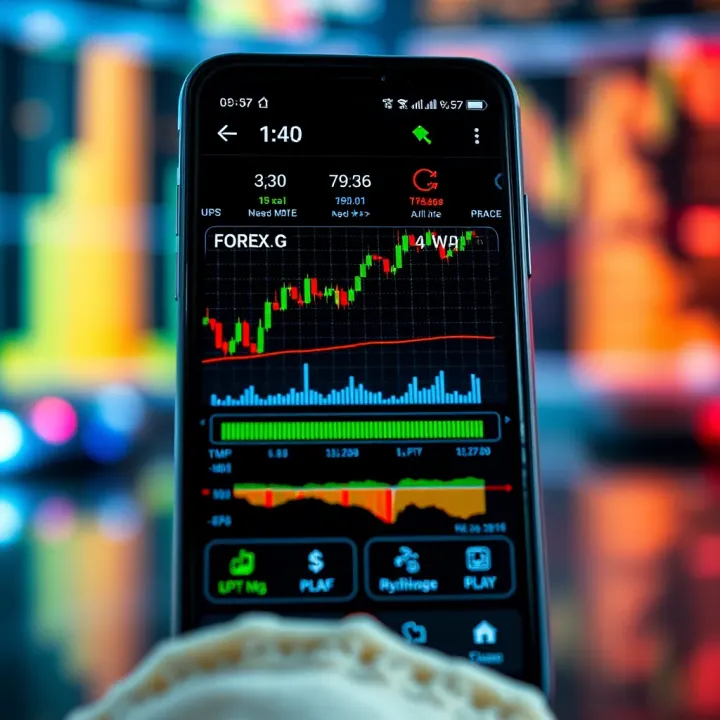
Before you download a forex trading app, check whether it complies with India's regulatory framework. The Securities and Exchange Board of India (SEBI) regulates financial trading, and while forex trading involving pairs matched with INR is allowed under strict guidelines, trading forex pairs involving only foreign currencies is generally prohibited for retail traders in India. So, you should understand these rules carefully to stay compliant.
Setting up your account usually involves basic KYC (Know Your Customer) verification — submitting PAN card details, Aadhaar, and possibly bank account information. Reputed apps provide efficient onboarding with clear guidance to keep the process simple.
Start with smaller trade volumes and explore demo accounts offered by many apps. These let you practise without risking real money. Focus on understanding how orders work, managing stop-loss and take-profit levels, and using charts before moving into live trades.
A forex trading app is your gateway to a dynamic market, but smart trading begins with the right choices and informed use. Getting familiar with app features and regulatory aspects upfront will save you from costly mistakes.
In the next sections, we will look deeper into essential app features, account setup tips, trading strategies for beginners, and what safety measures you must follow to protect your investments.
Forex trading apps have reshaped how people engage with currency markets, especially for traders new to forex. These apps put powerful trading tools right in your pocket, making it easier to track and act on currency changes anytime and anywhere. Knowing how these apps work and what benefits they bring should be the first step if you want to trade effectively.
Forex trading apps are mobile applications designed to connect traders directly with the foreign exchange (forex) market. Their primary goal is to allow users to buy and sell currency pairs through smartphones or tablets without the need for desktops. They simplify what was once a complex process, making forex trading accessible to anyone with a mobile device.
On mobile devices, these apps function smoothly, offering touch-based navigation, instant trade execution, and real-time data streaming. For example, if you spot a sudden dip in the USD/INR pair while travelling, you can react immediately through an app instead of waiting to reach a computer. This flexibility suits today's fast-paced trading environment.
In India, some popular forex trading apps include Zerodha Kite, Upstox Pro, and 5Paisa. These platforms offer Indian traders not only currency trading but also integration with Indian markets, KYC compliance as per SEBI guidelines, and convenient payment options aligned with Indian banking.
Convenience is the biggest reason traders turn to apps. You don’t have to sit at a fixed spot or power up a bulky system; with a mobile app, trading fits around your daily routine. Whether you’re in Mumbai traffic or sipping chai at home, you can monitor your forex portfolio without hassle.
Besides convenience, forex apps provide real-time updates that are vital for timely decisions. The forex market operates 24/5, and prices can shift within seconds. Apps deliver live quotes, alerts, and news notifications straight to your mobile, helping you stay ahead—even if you only have minutes to spare.
For beginners, many forex apps come loaded with features that make the start smoother. Demo accounts let you practise without risking real money. Platforms often include basic tutorials, easy-to-understand charts, and step-by-step guidance. For instance, Zerodha’s app provides access to educational videos and a community forum where novices can learn the ropes before moving to actual trading.
Mobile forex trading apps are not just about placing orders; they're tools that blend education, swift execution, and market awareness into your palm, making them almost indispensable for starting traders in India.
In short, understanding forex trading apps and their benefits gives you a strong foundation. They offer the ease of trading on the go, real-time market data, and beginner-friendly resources—all essential to help you navigate the volatile forex market with confidence.
Choosing the right forex trading app is about more than just signing up and starting trades. The app's features can deeply affect your trading experience and success. Good apps combine ease of use, learning aids, strong security, and robust tools to empower traders, especially if you’re new to this field. Let’s break down what to look out for.
Simple navigation makes a world of difference, especially if you are starting out. An app cluttered with too many options can confuse a beginner, causing missed opportunities or wrong trades. Look for apps with clean layouts where you can quickly find what you need—be it placing a trade, checking charts, or reviewing your portfolio. For example, platforms like MetaTrader 4 and ICICI Direct’s forex services offer straightforward menus that help users jump right into trading effortlessly.
Customisable dashboards help you tailor the app to your style. Not all traders watch the same currency pairs or use identical tools. An app that lets you arrange charts, watchlists, and news feeds as per your preference can save precious time. For instance, an Indian trader might prioritise USD/INR or EUR/INR pairs on their dashboard for quick access, instead of a generic dashboard filled with irrelevant data.
Availability of tutorials and guides is crucial for beginners. Good forex apps provide tutorials or step-by-step guides on trading basics, how spreads work, or leverage risks. This helps build your confidence and understanding before putting real money on the line. Without these, you might feel lost or overwhelmed. Apps like Zerodha’s Coin or Groww often include educational materials tailored for the Indian audience.
Practice with virtual money lets you test strategies without risking capital. Demo accounts simulate real market conditions, so you can experiment with buying and selling currency pairs. This hands-on practice helps identify what works for you without financial pressure. It’s like a flight simulator for forex trading—useful before you fly for real.
Encryption standards are non-negotiable. Your app should use strong encryption like SSL (Secure Sockets Layer) to protect your personal and financial data. Particularly with mobile apps used over public Wi-Fi or shared networks, encryption prevents hackers from intercepting sensitive information.
Compliance with Indian and international rules ensures your trading remains legal and trustworthy. Forex trading apps must be regulated by bodies such as the Securities and Exchange Board of India (SEBI) or international authorities like the Financial Conduct Authority (FCA) in the UK. This protects you from fraud and ensures your funds are secure. Avoid apps operating without proper licences.
Charts and technical indicators guide informed decisions. Look for apps offering live price charts with tools like moving averages, RSI (Relative Strength Index), and Fibonacci retracements. For instance, experienced traders frequently use these to spot entry or exit points.
Market news and alerts keep you updated on currency movements. Forex markets react sharply to geopolitical events or economic data releases. Apps that push real-time news alerts let you react quickly, potentially avoiding losses or seizing opportunities.
Selecting a forex trading app with these features aligned to your needs helps you trade confidently and safely. Remember, choosing the right app itself is an essential step in your forex journey.
Starting with your forex trading app requires careful attention to setting up your account correctly. This step lays the foundation for secure and efficient trading, ensuring you meet compliance needs and enjoy a smooth experience. In India, where regulatory checks are rigorous, knowing what to prepare beforehand saves time and hassle.
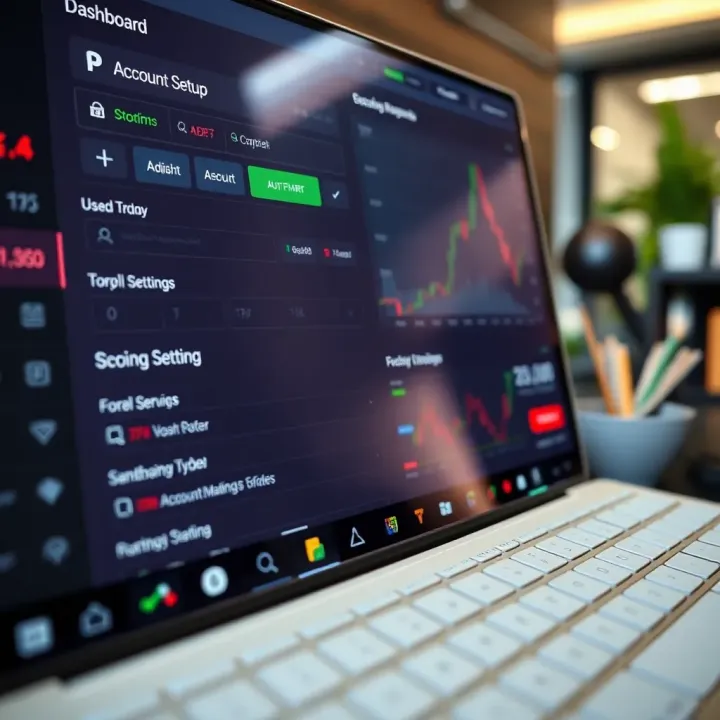
When you sign up for a forex trading app, you'll typically need to submit valid identification documents. Commonly accepted proof includes your Aadhaar card, PAN card, and sometimes a passport or voter ID. These documents help the platform verify your identity, reducing the risk of fraud. For example, the PAN card serves as a key tax identification proof and is mandatory for most financial activities.
The Know Your Customer (KYC) process is mandatory for all financial services in India, including forex trading apps. Typically, KYC involves submitting scanned documents and a selfie for biometric verification. Many apps now offer instant Aadhaar-based e-KYC, streamlining the process. Successfully completing KYC allows you to access all features, like deposits and trading, while ensuring the platform complies with Indian laws and RBI guidelines.
Most forex trading apps in India accept several convenient payment methods. These usually include net banking, UPI (Unified Payments Interface), debit and credit cards, and sometimes wallets like Paytm or PhonePe. Choosing an app with a payment method you already use can simplify funding your account and help you start trading faster.
Be mindful of deposit limits that apps impose. Some may have minimum deposits of ₹5,000 or ₹10,000, while others allow smaller amounts. Also, look for apps that accept deposits in Indian Rupees (₹) to avoid unnecessary forex conversion charges. Certain platforms may let you fund your account in US dollars or other currencies, but for Indian users, paying in ₹ often proves simpler and more cost-effective.
Customising alerts helps you stay updated without constantly checking your app. You can set notifications for price movements, trade execution, or market news. For instance, you might want an alert when the USD/INR pair drops by 0.5%, enabling you to act quickly. This feature is especially useful for beginners who are learning to respond to market changes effectively.
Most apps allow you to tailor dashboards, chart layouts, and watchlists to suit your style. You could prioritise currency pairs you prefer or choose display themes that reduce eye strain during long sessions. Personalisation means your app feels intuitive, enabling quicker decisions and a more enjoyable trading experience overall.
Taking time to set up your forex trading app correctly not only helps you trade confidently but also secures your investments and aligns with regulatory requirements in India.
Grasping basic forex trading concepts is key if you want to trade confidently using apps. These cornerstones help you understand the language of forex markets and how trades actually work. Let's look into currency pairs, spreads, pips, leverage, orders, and how trades execute — all vital to avoid confusion and unexpected losses.
A currency pair in forex means you’re buying one currency while selling another simultaneously. For instance, if you trade EUR/USD, you’re exchanging euros for US dollars. These pairs break down into major and minor categories. Majors like EUR/USD, USD/JPY, or GBP/USD involve currencies from powerful economies and are the most traded. They usually have better liquidity and tighter spreads, which helps reduce trading costs. Minors, like GBP/JPY or EUR/AUD, pair currencies without the US dollar and tend to have wider spreads and lower volumes. This difference affects how easy or expensive it is to trade them.
Understanding the base and quote currencies is equally important. The first currency in a pair is the base currency, and the second is the quote currency. When you see EUR/USD at 1.10, it means one euro (base) costs 1.10 dollars (quote). If this price rises to 1.15, the euro has strengthened against the dollar. This understanding lets you judge market moves correctly and decide when to buy or sell based on currency strength.
Spread is simply the difference between what you can buy a currency for (ask price) and what you can sell it for (bid price). This gap represents the broker’s charge for making the trade. If EUR/USD has a bid of 1.1000 and ask of 1.1003, the spread is 3 pips. Smaller spreads save you money, especially on frequent trades or larger volumes.
A pip stands for “percentage in point” and is the smallest price move a currency pair can make. For most pairs, one pip equals 0.0001. So, a change from 1.1000 to 1.1005 means a 5-pip move. Pips help you measure profits or losses precisely. For example, if your trade gains 50 pips and your lot size means each pip is worth ₹100, you’ve profited ₹5,000.
Leverage lets you control a large position with a small deposit — it’s like trading on borrowed money. Traders might use 1:50 leverage, meaning ₹1 lakh in their account controls ₹50 lakh of currency. While this magnifies profits, it also increases risks. A small adverse move can wipe out your capital quickly. That’s why beginners should use leverage carefully and understand the risks fully.
Understanding different types of orders can shape your trading success. A market order buys or sells instantly at the best available price — good for quick entry or exit. A limit order lets you set a specific price to buy or sell, avoiding unfavourable rates. There's also a stop-loss order to automatically close a trade if losses exceed a level you set, protecting your funds.
Slippage happens when your executed price differs from the expected price due to market volatility or slow order processing. High volatility often causes slippage, especially in news events. Fast execution speed in an app reduces chances of slippage, ensuring your order fills close to your chosen price. For example, if you set a limit buy at 74.50 but due to slippage, you buy at 74.55, you paid more than planned.
Knowing these basic concepts builds a solid foundation, helping you make smarter, timely decisions on your forex app and avoid costly mistakes.
For newcomers to forex trading, using simple strategies is crucial for building confidence and understanding market dynamics without diving into complex techniques. These strategies help beginners focus on manageable aspects of trading, reducing emotional stress and limiting potential losses. Let's explore some approachable methods that work well with forex trading apps.
Demo accounts offer a risk-free environment where you can trade with virtual money. This allows beginners to familiarise themselves with the app's features, test different trading ideas, and understand how orders execute without any financial loss. For instance, if you want to try buying USD/INR when it hits a certain level, you can do so in a demo setup and see what happens before committing real funds.
Market behaviour covers price movements, volatility, and the impact of global events on currency pairs. By watching live market data in a demo account, beginners can observe how currencies like EUR/USD or GBP/INR respond to news or economic reports. This hands-on experience builds intuition about market psychology and timing, which is key before moving to actual trading.
Trend following involves spotting the general direction of a currency pair—whether it’s moving up, down, or sideways—and making trades aligned with that movement. Tools like moving averages available in many forex apps simplify this process. For example, if the 50-day moving average of USD/JPY is rising steadily, it suggests an upward trend worth considering for buy positions.
Breakout strategies focus on identifying when a currency price moves beyond a defined support or resistance level, often signalling big moves ahead. Suppose INR/USD has traded between ₹74 and ₹75 for weeks; a sudden rise above ₹75 might trigger a breakout trade. Spotting such moments can offer early entry opportunities but requires quick decision-making, which forex apps facilitate with alerts.
A stop-loss order automatically closes a trade at a predefined price to prevent excessive loss. For example, if you buy EUR/USD at 1.10 and set a stop-loss at 1.09, your trade closes if the price dips, limiting your loss. This is vital in forex, where prices can swing fast, and apps today allow easy setup with a few taps.
Controlling how much you invest in each trade helps manage risk exposure. Beginners should avoid putting large chunks of capital into a single position. Say you start with ₹50,000; trading only ₹5,000 or less per position lets you survive a few bad trades without wiping out your account. This disciplined approach preserves funds and builds steadier growth.
Simple strategies like practising on demo accounts and managing risk properly help beginners move steadily from theory to real profits. Apps make these easier to apply, but the mindset and methods matter most.
Using forex trading apps in India requires careful attention to safety, regulation, and market risks. Ensuring that an app complies with regulatory standards and understanding inherent risks protects your capital and trading experience. This section highlights key regulatory bodies, common risks including scams, and the market volatility typical to forex.
SEBI regulates India’s securities and commodities markets to protect investors and promote market integrity. While forex trading in currency derivatives falls under its purview, SEBI does not regulate spot forex trading involving foreign currencies, which is restricted for Indian residents. Instead, SEBI ensures that brokers and trading platforms offering currency futures and options comply with standards to maintain transparency and fair trade.
For example, SEBI-registered brokers for currency derivatives are required to follow margin rules, fair disclosure, and maintain proper client records. So, when choosing a forex trading app, verifying SEBI registration for currency derivatives services is important.
The Reserve Bank of India (RBI) controls foreign exchange transactions and regulates forex dealings under the Foreign Exchange Management Act (FEMA). RBI allows trading only through authorised channels like recognised banks and exchanges such as NSE and BSE.
Indian residents cannot legally trade spot forex involving foreign currency pairs outside these authorised platforms. RBI lays guidelines to prevent capital flight and illegal forex activities. Thus, your forex app must comply with these RBI rules by offering only approved instruments and routing funds securely through regulated financial institutions.
Scam forex apps may promise guaranteed profits, offer unrealistic leverage, or lack proper regulatory credentials. They might also have poor security practices, making you vulnerable to phishing or data theft.
To avoid these, always check app reviews, confirm SEBI registration for currency derivatives, and verify the broker’s compliance with RBI norms. Never share sensitive details like OTPs or private keys outside official platforms.
Practising safe trading means setting realistic expectations and using risk controls like stop-loss orders to limit losses. Use demo accounts to test strategies before risking real money, and start small until you gain confidence.
Keeping your app updated, using strong passwords, and enabling two-factor authentication also strengthens security. Most importantly, avoid chasing losses or over-leveraging, which can wipe out your capital fast.
Always prioritise trustworthy apps regulated by SEBI and compliant with RBI to hold your funds securely and trade legally.
Forex markets are known for rapid price movements caused by geopolitical events, economic data releases, and shifts in market sentiment. These swings can lead to quick profits but equally quick losses if you are unprepared.
For instance, sudden changes in the India-US interest rate outlook may cause sharp moves in the USD/INR currency pair, impacting open trades significantly. Traders new to forex must understand volatility's impact on their positions and margin requirements.
Besides volatility, forex trading offers high leverage, which magnifies both gains and losses. Indian regulations permit limited leverage for currency futures, but some offshore apps may advertise much higher leverage—risky for beginners.
Moreover, the 24-hour nature of forex trading means markets can move against you even when you are asleep. Without proper stop-loss settings or risk management, losses can spiral out of control.
Forex trading suits those who understand the risks, use disciplined strategies, and carefully manage capital within regulatory limits. This combination helps mitigate risks while exploring forex opportunities.
Start forex trading in India with this easy guide 🇮🇳: learn to pick brokers, analyse currency pairs, manage risks & apply smart strategies for better profits 💹.

Explore Quotex forex trading with a clear look at features, risks, and tips tailored for Indian traders. Make smarter trading choices today! 💹🇮🇳
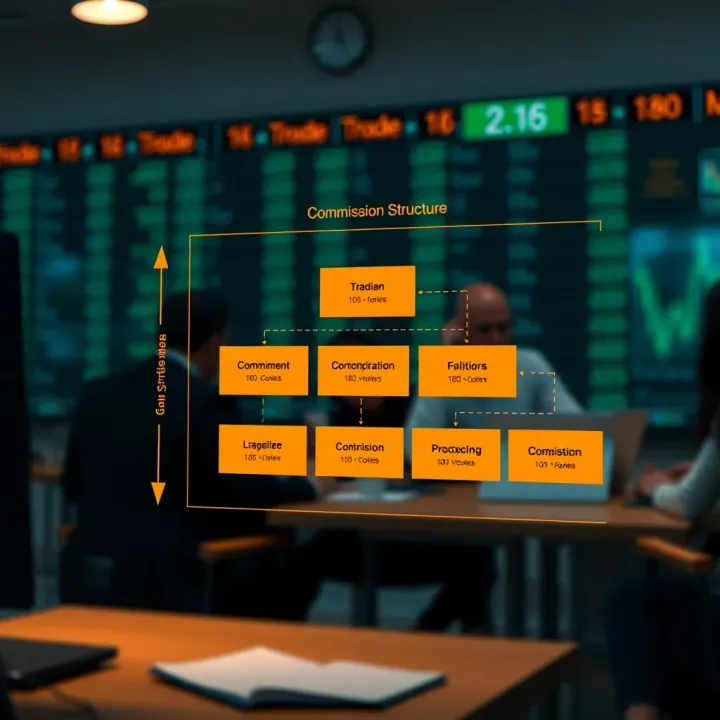
Explore how Exness Introducing Brokers (IBs) can boost your forex earnings with clear commission plans, marketing support, and trader impact 🌐💹, ideal for Indian traders.

Forex Trading Kya Hai in Hindi 🇮🇳:जानिए forex trading क्या है, कैसे करें, उसके फायदे-नुकसान, प्रमुख टर्म्स और भारत में शुरुआती के लिए आसान कदम।
Based on 12 reviews