

Understanding the Meaning of ???? ?????? ????
Explore the deep roots and cultural importance of ???? ?????? ???? in Indian society. Understand its meaning, origins, and its role in modern life 🌏📘
Edited By
Oliver Green
Flying a flag upside down often draws attention, but its meaning is not always obvious. An inverted flag—one where the flag's top is at the bottom—carries specific signals, sometimes distress, protest, or simple error. Understanding this concept is essential, especially for those working with international and Indian contexts, where cultural norms and legal guidelines differ.
A flagpole plays an important role in displaying the flag correctly. Its design ensures the flag flies upright, representing dignity and respect. When the flag is inverted, whether by mistake or deliberate intent, the flagpole itself doesn't change, but precise handling becomes critical.
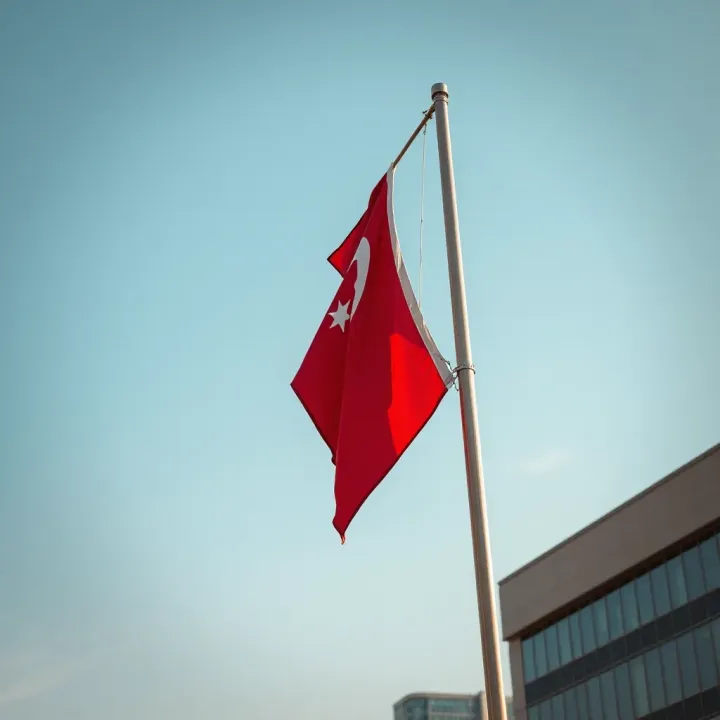
In practical terms, the inverted flag is often used as a symbol of grave distress, a call for urgent help, or protest against injustice. For instance, in some naval traditions, ships may fly the national flag inverted to signal emergencies. However, accidental inversions during official or public events can cause offence, especially in India, where the national flag's correct display is governed by the Flag Code of India.
Displaying any national flag correctly reflects respect for the country’s heritage and citizens. Mishandling or accidental inversion can lead to legal repercussions in India under the Prevention of Insults to National Honour Act.
Globally, interpretations vary. In the United States, an upside-down flag explicitly signals dire distress, while in some other countries, it might simply reflect a mistake or be part of artistic expression.
Key points to remember:
The inverted flag usually symbolises distress or protest but can be accidental.
The flagpole is designed for an upright flag and must be equipped to prevent accidental inversions.
Legal frameworks, such as India's Flag Code, strictly regulate flag display and handling.
Cultural contexts influence how inverted flags are perceived, making awareness essential when dealing with flags internationally.
For professionals in finance and trading who often interact with global partners, recognising these nuances in flag etiquette helps avoid unintended offence during official ceremonies or business visits. Handling the flag with care respects cultural sensitivities and reflects professionalism.
Next sections will explore the technical aspects of flagpoles, detailed legal perspectives in India and abroad, and practical tips for responsible flag handling.
Flying a flag upside down, known as an inverted flag, carries specific meanings depending on the context. It often signals distress or emergency, or serves as a form of protest. Understanding these nuances helps traders, investors, and analysts interpret the situation when they encounter such displays, especially in politically sensitive or crisis-hit environments.
An inverted flag traditionally acts as a distress signal, indicating trouble on land, sea, or in a community. For example, during natural disasters like floods or earthquakes in India, communities or individuals might use this to show emergency or need for urgent help. It serves as an alert that communication channels or standard responses are overwhelmed, calling for immediate attention.
Inverted flags also become powerful symbols during protests, signalling dissatisfaction with authorities or highlighting crises within a nation. For example, activists might hoist the Indian national flag upside down to express concern over governance issues or specific policies. Such a display draws public and media focus, forcing stakeholders to acknowledge the demands or grievances being aired.
Sometimes an inverted flag is purely accidental due to improper hoisting. Lack of knowledge about correct flag protocols or faulty flagpole mechanisms can lead to upside-down flags without any intended message. These mistakes might cause unintended offence or confusion, especially in settings like official buildings or corporate spaces, where flag etiquette matters.
While inverted flags in India primarily relate to modern signals of distress or protest, historical symbols like the saffron flag during battles or religious events also conveyed messages without being inverted. Still, inverted flags as a symbol of distress is less documented traditionally in Indian culture but has gained prominence due to global influence and contemporary protests.
Across the world, the inverted flag's symbolism remains similar – distress or protest. For instance, the United States officially recognises an upside-down flag as a sign of dire emergency. In Europe and other regions, protesters use it to criticise government actions. However, some countries treat flag inversion as disrespect or desecration, leading to legal consequences. Knowing these variations is valuable for professionals dealing with international markets and multinational interactions.
Spotting an inverted flag instantly signals that something is amiss or contested, whether a crisis or a political stance. Recognising the context helps in assessing risk or sentiment accurately.
An inverted flag can mean distress, protest, or mistake
In India, its use in protests is growing
Globally, it carries legal and cultural nuances
Correct interpretation aids timely and informed decisions
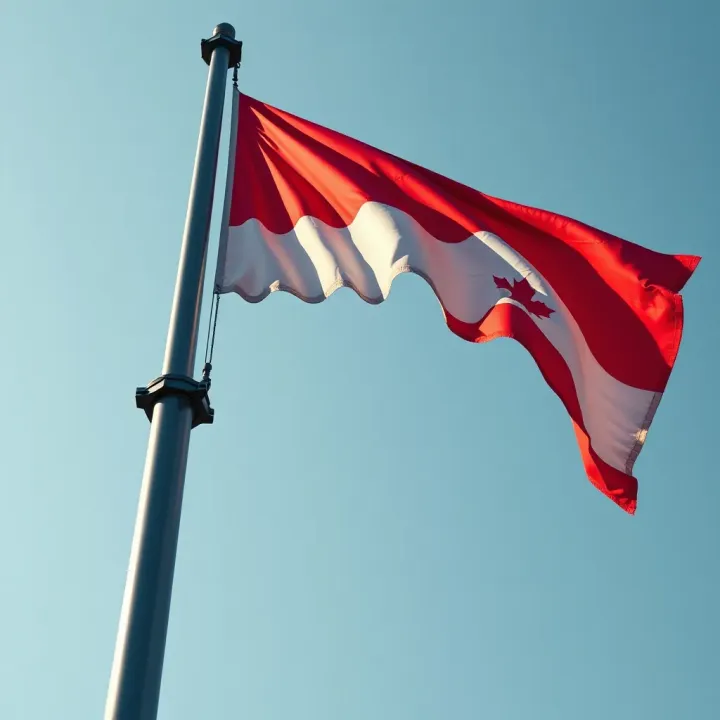
A flagpole plays a significant role in how a flag is displayed and perceived. It not only supports the flag physically but also ensures the flag is hoisted correctly according to protocol. For traders and analysts, proper flag display can symbolise respect and seriousness, especially during important national or corporate events. A poorly designed flagpole may cause the flag to invert accidentally, leading to misunderstandings about symbolism and intent.
In India, flagpoles come in different types depending on the location and purpose. Commonly seen are ground-mounted flagpoles in government offices or corporate headquarters, while smaller handheld or wall-mounted poles are popular during events and rallies. Telescopic flagpoles that allow height adjustment are increasingly popular for their flexibility, especially in urban spaces where clearance varies.
Materials used for flagpoles vary according to durability and budget considerations. Steel flagpoles coated with zinc or aluminium are widespread due to their strength and resistance to corrosion, particularly in coastal cities like Mumbai or Chennai where humidity is high. Fibre-reinforced plastic (FRP) poles are also gaining traction for being lightweight and low maintenance, though they might lack the heft preferred in formal settings. Wood poles remain less common, limited mostly to traditional or ceremonial uses.
Modern flagpoles include mechanisms to prevent an inverted flag, which is critical to maintain respect and protocol. One such design is the use of rotating halyard systems that allow the flag to move freely with wind changes yet prevent twisting. Additionally, clips and swivel hooks ensure the flag remains tethered securely, avoiding accidental flips.
Maintenance is key to keeping the flagpole functional and the display dignified. Regular checks for rust, loose fittings, or frayed ropes help avoid mishaps. Cleaning the pole and lubricating moving parts improve operation without visible wear. Best practice is to inspect the flagpole before major events to ensure smooth hoisting and proper flag position. In cities with heavy monsoon or pollution, more frequent maintenance may be required to preserve the pole’s integrity and the flag's honour.
A well-maintained flagpole not only supports the flag but also upholds the symbol’s dignity, reducing risks of accidental disrespect or confusion.
In summary, choosing the right flagpole type and material, coupled with upkeep and proper hoisting mechanisms, prevents accidental flag inversion and preserves the intended message behind the flag’s display. This matters especially in professional environments where symbolism carries weight.
Flags flown upside down catch the eye immediately, but the reasons behind this can vary widely. Understanding the causes—whether intended or accidental—is key to interpreting the message a flag sends. For traders, investors, and analysts, recognising these reasons helps avoid misreading signals, especially during political or social unrest.
Flying a flag inverted is a universal sign of distress. In situations like natural disasters, military emergencies, or crises, inverting the national or organisational flag signals an urgent need for help. For example, during the 2004 Indian Ocean tsunami, some affected coastal areas reportedly used inverted flags to attract attention for rescue teams. This practice, though traditional, is rarely seen in routine life but becomes vital when other communication options fail.
This signal serves as a visual SOS without needing words. In finance and trade areas, it often indicates instability—such as an embassy flying its country's flag inverted during unrest, suggesting caution to investors and analysts about the local situation.
Inverted flags can stand for protest or dissent, turning the flag into a symbol of dissatisfaction. Social movements and activists sometimes display the flag upside down to express disagreement with government policies or events. For instance, during protests against economic reforms or controversial laws in India, inverted flags may be seen as a form of non-verbal political expression.
This usage harnesses the emotional weight of the flag, drawing public attention and media coverage. For business professionals, spotting such symbols can hint at larger societal unrest that might affect markets or consumer sentiment.
Often, an inverted flag results from simple human error in hoisting. Confusion about flag orientation, especially when using unfamiliar flagpoles or different flag designs, leads to upside-down displays. For example, government offices or schools may mistakenly hoist the flag inverted due to lack of staff training.
Such errors can cause unintentional disrespect and public backlash. For traders and investors, this might signal a lack of organisational discipline or internal mismanagement, factors worth noting when assessing stability or reliability.
Sometimes, the physical design of the flag or flagpole itself causes unintended inversion. Flags with asymmetrical designs or multiple colours may appear flipped when hoisted incorrectly. Moreover, pole mechanisms like rotating halyards that aren't properly secured can cause flags to flip or twist upside down due to wind.
Maintenance lapses or outdated hardware contribute to this problem. For instance, in regions with high winds, flags may constantly turn, confusing viewers. Recognising these mechanical or design shortcomings prevents misinterpretation of inverted flags as intentional signals.
An inverted flag doesn’t always mean protest or distress—it’s important to look at context, design, and handling to correctly understand its message.
Understanding these intentional and accidental reasons enables those in finance and trade to read societal signals accurately and respond accordingly, whether planning investments or assessing market risks.
The legal and cultural perspectives on inverted flags in India matter significantly because the national flag is more than cloth; it represents the nation’s pride and identity. Any alteration in how it is displayed, especially inversion or misuse, invites scrutiny from authorities and public alike. Understanding these views helps traders, investors, and analysts alike grasp why correct flag display is not only a matter of respect but also legal compliance.
The Flag Code of India sets clear rules for how the national flag should be displayed and treated. It mandates that the flag must always be hoisted with the saffron band on top, symbolising courage and sacrifice. The green band must face the flagpole or staff, with the white band in the middle. Hanging or displaying the flag upside down is explicitly prohibited unless used as a distress signal. This rule also applies to all premises, official functions, and commercial establishments, reflecting the national symbol’s importance.
Violations of these rules attract penalties under the Prevention of Insults to National Honour Act, 1971, which safeguards the dignity of the flag. Displaying the flag upside down or damaging it intentionally can lead to legal action, including fines or imprisonment in serious cases. Such measures carry practical benefit by ensuring the flag’s sanctity and deterring disrespectful behaviour, which could inflame public sentiment or political tensions.
Public perception in India generally views inverted flag displays as disrespectful or indicative of protest. Many people may immediately associate an inverted national flag with distress, political dissatisfaction, or wrongdoing. These reactions are strongly rooted in cultural respect for the flag, reinforced through education and national events like Independence Day and Republic Day.
In political and social movements, inverted flags often appear as a deliberate act of protest against government policies or social issues. For instance, protesters might hoist the flag upside down during demonstrations to signal distress or dissatisfaction with prevailing conditions. This symbolic use captures media attention and conveys strong messages without words, making it a potent tool in civic activism despite its controversial nature.
The inverted flag, while legally sensitive, remains a powerful symbol in India's social and political landscape, reflecting both reverence and dissent.
Overall, recognising India’s legal framework and public sentiment around inverted flags equips professionals to understand the nuances involved in flag display, especially during political or social analyses. This awareness helps interpret such actions as part of broader cultural and legal contexts, rather than isolated incidents.
Addressing an inverted flag promptly is essential to maintain its dignity and symbolism. In India, where the national flag commands deep respect, correcting an upside-down flag shows commitment to proper protocol and prevents misunderstandings. This section guides how to handle inverted flags with care, from hoisting to disposal.
A well-installed flagpole is the first step to proper display. The pole should be sturdy and vertical, free from any tilting that may cause the flag to hang incorrectly. In many Indian government offices and companies, flagpoles include a pulley system for easy raising and lowering. Ensuring the pulley and halyard (the rope system) are in good condition prevents accidental twisting or inversion of the flag.
Besides, the flagpole height must suit the flag size to avoid the flag touching the ground or getting entangled. For example, a 6-foot flag should ideally fly on a flagpole around 20 feet tall. Regular inspection of the pole and fixing loose parts can reduce mishaps like flags becoming inverted due to strong winds or faulty equipment.
Hoisting begins with attaching the flag securely to the halyard clips, keeping the flag's top edge at the correct end. The Indian Flag Code clearly states the saffron band should always be on top when hoisted vertically. Raising the flag briskly and steadily prevents it from twisting, which might lead to accidental inversion.
When lowering, the flag must be handled respectfully, folding it carefully along prescribed lines. This avoids damage and ensures the flag is ready for use again without confusion about correct orientation. Organisations like schools and government departments often train staff in these techniques to prevent errors during flag hoisting ceremonies.
Flags showing visible damage like tearing, heavy fading, or dirt should be retired and replaced. The Indian Flag Code recommends that a flag no longer fit for display must be destroyed in a dignified manner, usually by burning privately or according to specific local guidelines. Retiring worn flags prevents disrespect that may occur if a flag is mistakenly flown inverted due to poor condition.
If a flag is discovered inverted, the first step is to lower it carefully and inspect for any damage. If neither inverted display nor damage is intentional, correcting the orientation immediately is important. For damaged flags that are also inverted, it’s best to retire and replace them rather than risk continued use.
For private or corporate offices with limited flag protocol knowledge, consulting national flag-handling guidelines or seeking advice from recognised authorities ensures the flag is handled with honour. This preserves the respect it commands in public and reduces legal or social repercussions associated with mishandling.
Correctly handling an inverted flag preserves its symbolic value and shows respect for national identity. Taking simple steps during hoisting and flag maintenance prevents mistakes and confusion.
Maintaining proper flag etiquette benefits everyone, especially financial and business sectors, where displaying the national flag correctly reflects professionalism and patriotism. By following these practical guidelines, you can avoid embarrassment or offence caused by an inverted flag and uphold its honour at all times.
Explore the deep roots and cultural importance of ???? ?????? ???? in Indian society. Understand its meaning, origins, and its role in modern life 🌏📘

📈 Learn to spot and trade the reverse flag and pole pattern with clear tips on identification, psychology, and practical uses for smarter trading.

Explore the Quotex logo's unique design 🎨, its meaning in trading platforms 💹, and why it stands out to users, especially in India 🇮🇳.

Explore bold prime's role and variations in maths, typography, and coding with clear explanations, usage tips, and solutions to common confusions 📚🔢🖋️💻
Based on 12 reviews