

Best iPad for Trading: A Practical Buying Guide
Find the ideal iPad for trading with our guide covering performance, display, app compatibility, and portability. Perfect for Indian traders looking to invest smartly 📈📱
Edited By
Emily Dawson
Premarket trading involves buying and selling stocks before the official market opens. For a giant like Nvidia, premarket activity can give early clues about how the stock might perform during regular hours. Indian investors and traders who track Nvidia closely pay attention to this because it can reflect global events or company news impacting the stock price.
Unlike regular trading hours (9:30 am to 4 pm EST for the US markets), premarket sessions typically run from 4 am to 9:30 am EST. This period allows traders to react before the wider market wakes up. However, volumes are usually lower, which means prices can swing more sharply on relatively small trades.
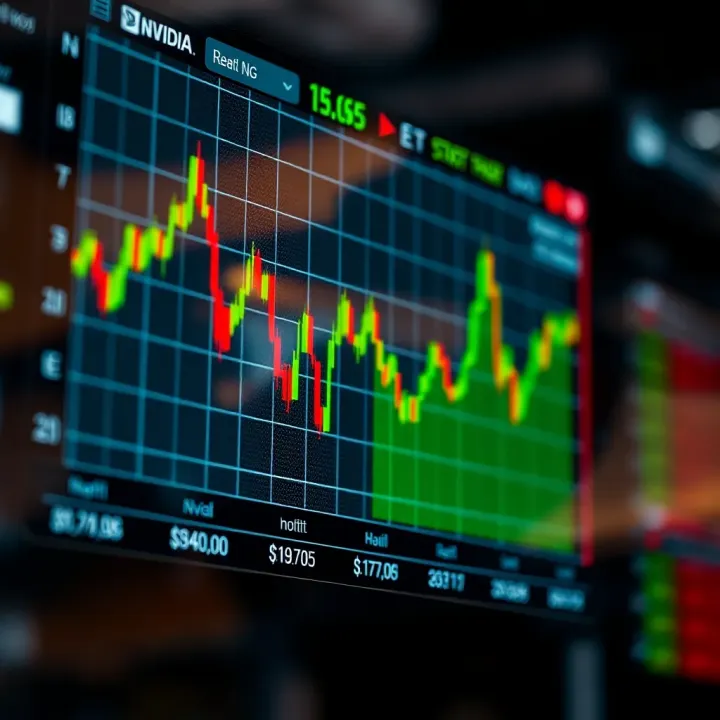
For example, if Nvidia announces strong quarterly earnings overnight, its stock might jump 3–4% in premarket trading. Indian investors tracking this from their markets will see the price action well before their own market opens and can plan their trades accordingly.
Premarket trading acts like an advance warning system—it can signal how Nvidia's stock might open but comes with higher risks due to lower liquidity.
Lower liquidity: Fewer participants lead to wider bid-ask spreads and more volatile price swings.
Influence of news: Earnings releases, product launches, or geopolitical events often move premarket prices.
Limited access: Not all Indian brokers offer full premarket access; some provide only extended hours trading limited to popular US stocks.
Nvidia shares are part of many global portfolios and popular ETFs. Early price moves can affect decisions about buying or selling during Indian market hours. Also, premarket trends often set the tone for the day’s trading, allowing investors to align strategies with global cues.
Understanding these early signals helps to:
Manage entry and exit points more precisely
Prepare for possible volatility spikes
Avoid surprises caused by overnight developments
This knowledge becomes part of a smart investor’s toolkit, especially in an interconnected market where Nvidia’s influence on tech indices like Nasdaq is significant.
In the next sections, we’ll explore the tools for tracking Nvidia’s premarket activity, the impact on Indian investors, and how to navigate the risks involved.
Premarket trading refers to the stock transactions that happen before the official market opens. In Nvidia’s case, this period offers a glimpse of how the market might behave once the regular session begins. Indian investors who track Nvidia need to understand this because it shows early reactions to news or events, providing clues for the day’s trading strategy.
Premarket trading typically runs from 4:00 am to 9:30 am Eastern Time in the US stock markets, where Nvidia shares are listed. For investors in India, this translates to roughly 1:30 pm to 7:00 pm IST, so monitoring premarket activity fits into the late afternoon-to-evening schedule. This timing is practical for those looking to anticipate price movements ahead of the opening bell.
Premarket sessions differ from regular trading hours mainly in terms of participation and volume. Fewer traders and institutions operate during this time, which means price movements can appear more volatile or less liquid. Unlike the full trading day, premarket lacks the breadth of orders and market depth, so price shifts can happen faster and on lower volume.
Premarket trading often sets the mood for the day. For Nvidia, early moves can reflect investor sentiment influenced by overnight developments globally. If Nvidia sees a significant price change in premarket, it often signals how investors view the company, whether it’s reacting to technology sector trends or broader market factors.
News releases, especially earnings reports or product announcements, generally arrive outside regular hours and impact Nvidia’s premarket price. For instance, if Nvidia reports higher-than-expected revenue late in the day, investors will respond immediately during premarket trades. This early price response gives a strong indication of how the market will open, helping traders in India make timely decisions.
Understanding Nvidia’s premarket trading offers Indian investors an edge – it’s like reading the market’s early signs, helping plan better entry or exit points before the rush of the main session.
By grasping these essentials about premarket trading, investors can better navigate Nvidia’s stock behaviour, especially given the global nature of market influences and time zone differences affecting Indian traders.
Premarket price movements in Nvidia shares typically reflect a mix of company-specific updates and broader market signals. Understanding these factors helps investors anticipate possible shifts in stock prices before the official market opens.
Quarterly earnings announcements have a direct impact on Nvidia’s stock price during premarket hours. For example, if Nvidia reports stronger-than-expected profits or upgrades its future revenue guidance, it often triggers increased buying interest before the market opens. Conversely, any downward revision in earnings projections or unexpectedly weak results can cause premarket share prices to drop. Indian investors monitoring these reports should pay attention to the details of profit margins, revenue growth, and future outlook as these shape short-term trader sentiment.
Besides financial results, product announcements influence premarket activity significantly. Nvidia’s new GPU launches or moves into areas like artificial intelligence and autonomous vehicles usually attract early trading interest, reflecting optimism about future growth. Similarly, strategic partnerships with tech giants or auto manufacturers signal potential revenue expansion and often boost Nvidia’s premarket valuation. Tracking news sources and official Nvidia releases can help investors evaluate the likely market reaction to such developments.
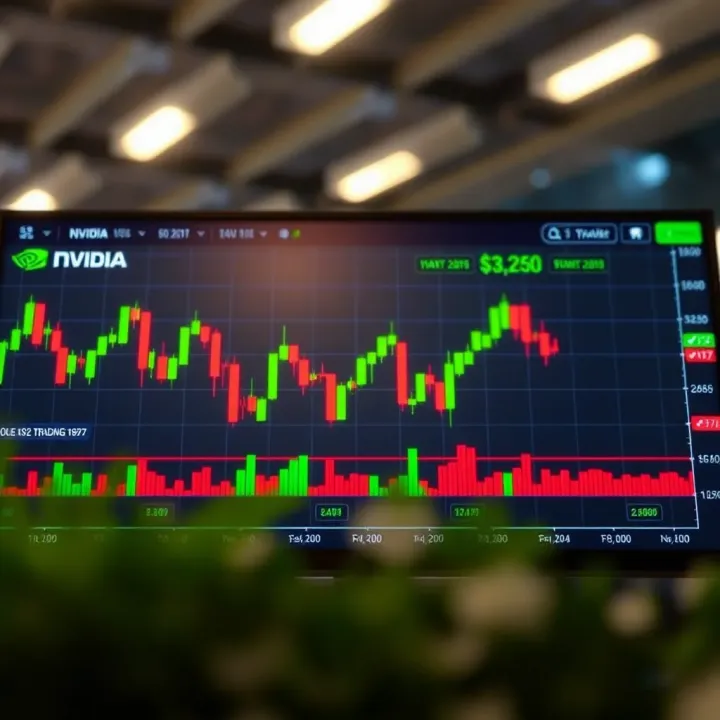
Nvidia’s premarket price also reflects sentiment across the broader tech sector. If competitors like AMD or Intel report earnings or other news that impact the semiconductor space, Nvidia’s stock may move in reaction. For instance, a strong product cycle by AMD might put pressure on Nvidia’s shares, while positive trends in chip demand generally lift the entire sector. Observing sector ETFs or indices tracking technology stocks can provide useful context for these movements.
Macro-economic changes and currency movements affect Nvidia’s premarket pricing, especially since it earns significant revenue internationally. A strengthening US dollar can reduce the rupee value of Nvidia’s foreign sales, sometimes weighing on the stock. Economic indicators like interest rate changes, inflation data, or geopolitical events also influence broader market mood, impacting tech stocks early on. Indian investors should watch global macro trends and currency rates (such as USD/INR) alongside Nvidia news to better assess premarket signals.
Understanding these factors helps you make informed decisions during premarket sessions, reducing surprises when regular trading begins.
In summary, Nvidia’s premarket price action combines immediate company news, sector dynamics, and global economic signals. Indian investors can gain an edge by following earnings updates, product news, competitor moves, and macro factors carefully before the market opens.
For Indian investors, understanding Nvidia’s premarket trading data is more than just a curiosity—it can offer a crucial edge. Premarket movements often signal how the stock might behave once regular hours begin, influenced by overnight news, global events, or results declared after US market hours. By interpreting this data correctly, investors in India can gauge market sentiment early and plan their trades accordingly.
Accurate premarket data is the backbone of informed decision-making. Indian investors typically rely on international platforms like Nasdaq, Yahoo Finance, or Bloomberg, which provide detailed premarket quotes and volume data for Nvidia. Additionally, Indian brokers like Zerodha and Upstox have started integrating US stock market feeds, enabling users to watch Nvidia’s premarket activity on a single dashboard. This convenience saves time and helps investors spot early trends without juggling multiple sources.
However, not all platforms update premarket data with the same speed or accuracy. For example, some free apps might show delayed prices or miss out on after-hours news impacting Nvidia. Hence, it’s wise to cross-check data between a couple of trusted sites or use paid subscriptions where necessary, especially if active trading decisions depend on these signals.
India’s time zone (Indian Standard Time, IST) is roughly 9.5 hours ahead of Eastern Time (ET) in the US, where Nvidia trades. Nvidia’s premarket session usually runs from 4:00 am to 9:30 am ET, which translates to 1:30 pm to 7:00 pm IST. Indian investors need to be mindful of these timings for real-time monitoring.
This difference means that Nvidia’s premarket trading takes place during Indian afternoon and evening hours—often overlapping with regular Indian market hours. For example, if an investor plans to make a decision based on premarket signals, they can analyse Nvidia’s stock movement after their regular market work is done, giving more flexibility.
Premarket trading tends to be volatile because of lower liquidity and thinner order books. A relatively small trade can cause Nvidia’s stock price to jump or drop sharply compared to regular hours. Indian investors should exercise caution here, understanding that the premarket price may not always reflect the broader consensus.
For instance, a sudden large order related to Nvidia’s quarterly earnings could swing the price wildly before the US market opens. Reacting hastily based on such moves can lead to misjudged trades. It's usually safer to wait for some volume confirmation or cross-check with post-market news before making big moves.
"Premarket data is a useful signal, but it must be combined with patience and verification to avoid getting caught in short-term noise."
Premarket trends offer valuable clues but should never be used in isolation. Indian investors are advised to combine premarket observations with comprehensive analysis—such as Nvidia’s latest earnings performance, global semiconductor trends, and US macroeconomic data like interest rates or inflation.
Integrating these elements helps distinguish genuine market sentiment from temporary fluctuations. For example, a spike in Nvidia’s premarket price after a major earnings beat should be viewed alongside competitor performance and sector outlook before deciding to place a trade. This approach reduces risk and aligns trading decisions with a well-rounded perspective.
In sum, Indian investors who understand how to access, analyse, and cautiously act on Nvidia’s premarket data can better position themselves in the dynamic world of global equity trading.
Tracking Nvidia's premarket trading activity requires reliable tools and resources that provide timely and accurate data. For traders and investors keeping an eye on early market signals, access to real-time updates and in-depth analytics can make all the difference in making informed decisions. Understanding the features of these tools helps users distinguish noise from meaningful price movements and manage risk effectively.
When choosing platforms to track Nvidia’s premarket performance, several features stand out as essentials. Real-time price quotes during premarket hours allow users to respond promptly to shifts triggered by overnight news or global developments. Look also for detailed order book data and volume metrics, since reduced liquidity in premarket sessions can lead to exaggerated price swings. Platforms offering advanced charting tools with indicators help investors analyse trends before the regular market opens.
Moreover, the quality of news feeds integrated into these platforms influences decision-making. For example, if earnings updates or strategic announcements affecting Nvidia hit the wires, instant access can provide a competitive edge. Some platforms also allow paper trading in premarket hours, letting users test strategies without exposing capital to excessive volatility.
Indian platforms such as Zerodha Kite and Upstox mainly focus on domestic markets but are gradually expanding features to include global stock tracking, including Nasdaq-listed stocks like Nvidia. Their user interfaces tend to be simple, catering to a broad base of Indian retail investors. However, real-time premarket data for US stocks might be delayed or limited due to data licensing.
On the other hand, international platforms like Interactive Brokers and TradingView offer extensive premarket coverage with comprehensive tools tailored for global trading. These platforms typically have faster data feeds and more sophisticated analytics but might require higher subscription fees and have a steeper learning curve. This difference matters for Indian investors depending on their budget, trading goals, and tech comfort level.
Mobile apps with customised notification features help investors react quickly to Nvidia’s premarket developments. Users can set alerts for price thresholds, sudden volume spikes, or news events specific to Nvidia, receiving push notifications directly on their mobiles. This reduces the need for constant monitoring and ensures timely action even while on the move.
Indian traders can leverage apps like Moneycontrol or ET Markets, which increasingly incorporate global stock alerts alongside domestic equities. These customised notifications keep users well-informed about premarket trends that may influence their trade strategies.
Integrating real-time alerts into portfolio management workflows adds practical value by bridging monitoring and execution. Alerts enable prompt review of positions, helping investors adjust stop losses or rebalance holdings before the regular session begins.
Platforms such as Zerodha’s Coin or Angel Broking provide features where alerts about foreign stocks like Nvidia seamlessly connect with portfolio views, offering a consolidated snapshot of risk and opportunity. This integration supports better capital allocation, especially when premarket trading indicates significant price moves.
For Indian investors tracking Nvidia, using the right tools not only provides early market insights but also enhances the ability to protect and grow investments amid global market fluctuations.
Premarket trading for Nvidia shares carries specific risks and limitations that every trader and investor should understand before participation. These factors mainly relate to lower liquidity, greater volatility, regulatory complexities, and brokerage access restrictions. Grasping these aspects can help manage expectations and avoid costly mistakes during before-hours sessions.
Premarket trading generally involves far fewer participants compared to regular market hours. This reduced liquidity can cause wider bid-ask spreads, making it more difficult to buy or sell Nvidia shares at desired prices. For example, a trader placing a market order in the premarket may receive a price significantly different from the last closing price due to thin order books. Such pricing inefficiencies increase the cost and risk of trades.
This limited activity also means that a few large orders can disproportionately move the price, resulting in unpredictable swings. Investors must be cautious with their order types, as stop-loss or market orders can execute at unfavourable prices during illiquid periods.
Nvidia often releases earnings or major announcements before market opens, triggering sharp price moves in the premarket session. For instance, after an earnings surprise, the stock might jump or drop by 5-10% in the early hours, much more than the usual intra-day moves. These swings are amplified by the small number of active traders and lack of balanced buying and selling pressure.
Such volatile behaviour can be an opportunity for experienced traders but risky for those unprepared. Indian investors relying solely on premarket prices without anticipating such swings may end up caught in abrupt moves when regular trading begins.
Trading Nvidia shares before US market hours involves participating in overseas markets. From an Indian regulatory viewpoint, investments in foreign equities must comply with the Liberalised Remittance Scheme (LRS) and Foreign Exchange Management Act (FEMA) guidelines. While Indian investors can invest in US stocks through recognised brokerage platforms, the ability to trade premarket hours depends on the brokerage’s offerings rather than RBI or SEBI directly permitting or restricting such trades.
Compliance with tax rules is also crucial. Gains from these trades are subject to capital gains tax under Indian law, and investors must maintain proper records for accurate Income Tax Return (ITR) filings.
Not all Indian brokers provide access to US premarket trading sessions. Some platforms restrict trading to standard US market hours (9:30 am to 4 pm EST), which means investors cannot place orders during premarket hours (4 am to 9:30 am EST).
Additionally, brokerage fees, margin requirements, and order execution policies during premarket hours may differ from regular hours, potentially increasing costs or limiting trade sizes. Investors should verify these terms before engaging in premarket trades to avoid surprises.
Premarket trading can offer early insights into Nvidia’s stock direction but comes with greater risks around liquidity, price swings, and compliance. Understanding these factors helps investors make informed decisions when participating in before-hours sessions.
Find the ideal iPad for trading with our guide covering performance, display, app compatibility, and portability. Perfect for Indian traders looking to invest smartly 📈📱
Explore the best forex trading platforms in India 🌏, compare fees, features, and legal aspects. Get tips on risk management and tech trends for smart trading 💹.
💹 Explore Qutex trading with our detailed guide! Learn its features, strategies, risks, and tips for investors in India to trade wisely and securely.
📊 Discover Quotex trading hours in India! Learn how Indian time zones align, factors affecting schedules, and tips to optimize your trading sessions effortlessly.
Based on 14 reviews