

Quotex Forex Trading Guide for Indian Traders
Explore Quotex forex trading with a clear look at features, risks, and tips tailored for Indian traders. Make smarter trading choices today! 💹🇮🇳
Edited By
Isabella Clarke
Exness Introducing Brokers (IBs) act as the bridge between retail forex traders and the Exness trading platform. Essentially, IBs introduce new clients to Exness, earning commissions based on the trading activity of these referrals. This role is quite pivotal because IBs help expand Exness’s reach, especially in markets like India where local language support and personal connections matter a lot.
An IB’s success hinges on how well they can convince traders to join and keep trading on the platform. What sets Exness apart is its straightforward commission structure, prompt payments, and marketing support tailored for Indian partners.
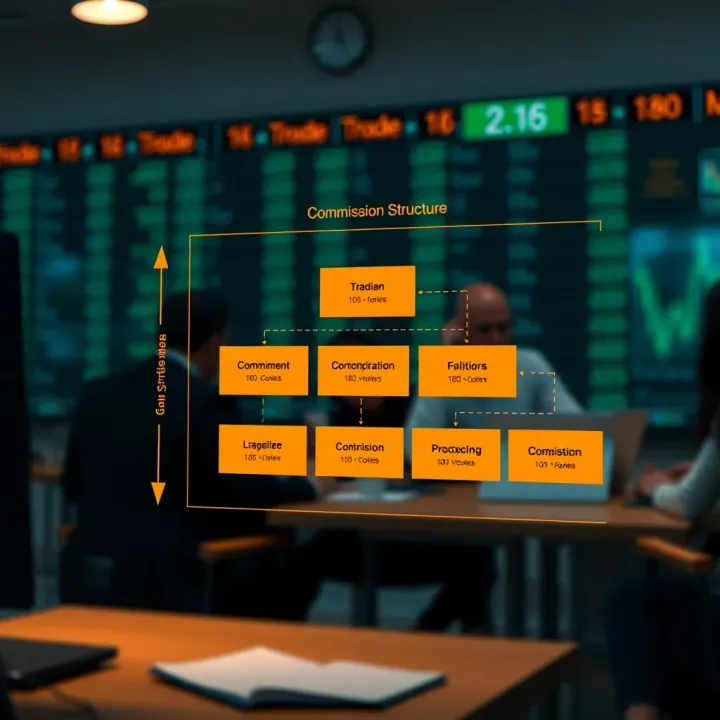
Becoming an Exness IB means you’re not just a middleman; you’re a trusted advisor and business partner to the traders you bring in.
IBs benefit from three main streams:
Commission Earnings: Earnings are typically a share of the spread or volume traded by referred clients.
Marketing Tools: Exness provides promotional materials, webinars, and dedicated support to help IBs communicate effectively with target groups.
Broker Support: Technical and account management assistance ensures IBs can resolve queries swiftly, enhancing trader satisfaction.
For Indian traders and IBs, this partnership is especially attractive because of the localised approach Exness takes. From payment options like UPI and net banking to understanding the nuances of India’s market, these elements make Exness IB programmes highly relevant.
In this guide, we’ll explore how Exness IBs operate, the benefits they offer, and the steps to become an IB. Whether you are an experienced forex professional or a trader looking to expand your earnings, this insight will help you connect the dots and make informed choices in the forex arena.
Introducing Brokers (IBs) play a key part in the forex trading ecosystem, acting as important links between traders and brokers like Exness. Their role goes beyond simple client referrals; they provide critical local market knowledge, tailored support, and often help build trust among traders, especially in regions like India where personal rapport matters.
An Introducing Broker is an individual or company that refers clients to a forex broker and earns commissions based on their trading activity. Unlike traditional brokers, IBs do not manage client funds or execute trades themselves. Instead, they focus on bringing in new traders, educating them about forex trading, and supporting them through the onboarding process. For example, a forex educator or a financial consultant in Mumbai could become an IB, guiding local traders to open accounts with Exness and assisting them with platform navigation.
Exness treats IBs as crucial partners, integrating them smoothly into its forex trading framework. The broker provides IBs with customised tools such as precise tracking dashboards, marketing resources, and multi-tier commission plans tailored for different scales of operation. This integration ensures IBs can efficiently monitor their clients’ trading volumes and earnings, while delivering prompt support. It also allows IBs to serve niche client segments — like retail traders from tier-2 cities in India — by offering resources and incentives based on their performance.
For many Indian traders, the forex market can seem complex and intimidating. IBs bridge this gap by offering guidance in regional languages, clarifying doubts, and simplifying the trading process. The personal touch IBs provide reduces friction and builds trader confidence, which is vital in India’s diverse and price-sensitive market. Moreover, for brokerages, IBs act as effective distribution channels that expand reach without heavy investment in physical branches. Indian brokerages partnering with Exness often rely on IB networks to tap into remote areas where internet penetration is rising but direct marketing remains challenging.
Indian traders often prefer dealing through trusted IBs who can explain nuances like leverage, margin calls, or forex regulations in simple terms. This ground-level support helps Exness strengthen its presence across India’s forex landscape.
Understanding the role of IBs at Exness reveals why they are indispensable for fostering trader engagement, facilitating growth, and delivering region-specific support within India’s dynamic forex market.
Exness offers a compelling proposition for Introducing Brokers (IBs), especially those operating in India’s growing forex market. By partnering with Exness, IBs can unlock multiple streams of income while accessing tailored support designed to make their efforts rewarding and sustainable.
At the core of Exness IB benefits is a straightforward commission system. IBs earn a share of the trading fees generated by traders they introduce. Exness employs a transparent, tiered commission structure that scales with your client base. For example, if you bring in traders who collectively execute large volumes, your commission rate increases, providing strong incentives to grow your network.
This performance-based model suits IBs who want reliable passive income. Indian IBs often start earning commissions from as low as ₹5 lakh in monthly trade volumes, scaling up to significant payouts exceeding ₹50 lakh as they expand. The earnings are paid in multiple currencies, including ₹, making cash flow management easy for local partners.
Clear commission payouts with no hidden deductions make Exness attractive for IBs serious about earning consistently.

Exness provides extensive marketing support that helps IBs convert prospects into active traders. These include custom landing pages, promotional banners, and ready-made social media content crafted specifically for the Indian market. The marketing materials come with clear calls to action and are optimised for popular platforms like WhatsApp, Facebook, and Instagram.
In addition, Exness offers periodic training webinars and detailed guides on forex trading and lead generation. Indian IBs benefit from localised content, including Hindi and regional language materials, easing communication with a broader audience.
Such support relieves IBs from creating content from scratch and boosts credibility with potential clients.
Exness understands India's diverse market, offering flexible IB partnerships that accommodate various business models. Whether you operate solo or have a small firm, Exness allows you to manage client portfolios easily with its user-friendly IB dashboard.
Moreover, the platform supports multiple payment options popular in India, including UPI and netbanking withdrawals, smoothing the commission receipt process. The ability to switch between commission models or customise tiers adds flexibility not often found in global brokers.
This adaptability, paired with dedicated local support teams, helps Indian IBs navigate regulatory changes and market fluctuations smoothly.
In summary, being an Exness IB means tapping into a system designed for growth, supported with transparent earnings, practical marketing tools, and operational flexibility tuned to Indian market realities. This combination offers IBs a realistic path to building a sustainable income from forex trading networks.
Becoming an Introducing Broker (IB) for Exness opens a clear path to earn commissions by referring clients to its forex trading platform. This step matters because it allows individuals or firms to officially partner with Exness, ensuring transparency and access to various tools that aid in growing their network. Indian IBs, in particular, can tap into the vast and growing forex market while leveraging Exness's support structure.
Starting involves signing up on the Exness website to create an IB account. The platform requires personal details and business information for verification purposes. Exness often asks for identity proof, address proof, and possibly financial background checks to ensure legitimacy and compliance with international trading regulations. For example, submitting a PAN card and Aadhaar can serve as identity verification for Indian applicants.
Once documents are verified, which typically takes a few working days, the applicant gains official IB status. This process protects both parties: Exness ensures its network is trustworthy, and IBs gain formal recognition and the right to access commission tracking portals.
To qualify as an Exness IB, there are some must-haves. First, you should have a basic understanding of forex trading and the broker's services. This knowledge helps in explaining benefits accurately to potential clients. Having an existing network or community interested in forex trading can accelerate growth.
Legally, applicants must be 18 years or older and comply with their local laws regarding brokerage referrals. Exness also emphasises authenticity; fake or misleading promotion can lead to disqualification. Indian IBs must be aware of regulatory frameworks from SEBI (Securities and Exchange Board of India) and ensure their marketing activities stay compliant.
Success as an IB begins with building trust. Transparent communication about risks and benefits helps retain clients longer. New IBs should use Exness’s marketing materials and training sessions to familiarise themselves with the platform’s features.
Start small by targeting friends, family, or local trading groups and then expand through social media and webinars. For example, conducting a live demo using Exness’s trading interface can catch interest better than simple word-of-mouth.
Also, tracking client activity regularly through the Exness IB dashboard helps identify which strategies work best for referrals. Remember, consistency is key—growing slowly but steadily ensures a reliable income stream.
Joining Exness as an IB is more than just signing up; it’s about building lasting connections with traders while complying with necessary regulations and continually supporting your client base.
By following these steps and tips, Indian traders and intermediaries can confidently enter the IB programme and make the most of the opportunities it offers.
Understanding the commission models and payment procedures is key for any Introducing Broker (IB) working with Exness. These details determine how IBs earn, how often they get paid, and how effectively they can track their income. Let's break down each aspect clearly to help you grasp what to expect.
Exness provides multiple commission systems tailored to suit different IB styles. The most common are CPA (Cost Per Acquisition) and Revenue Share models.
CPA Model: You receive a fixed payout for every trader you bring who opens a funded trading account. For example, if the CPA is $50, and you refer 10 traders, you earn $500 irrespective of how much the traders trade. This works well if you focus on getting new sign-ups.
Revenue Share Model: Here, you earn a percentage of the trading commissions that your referred clients generate over time. So, if your clients trade actively, your earnings continue steadily. For instance, a 30% revenue share on ₹1 lakh of client trading commissions gets you ₹30,000.
Exness also allows hybrid models, combining CPA upfront with revenue share over time, offering a balance between quick rewards and long-term income.
Exness understands timely payments are crucial to IBs managing their operations smoothly. Payments are generally made monthly, based on the total commissions accrued in the previous cycle.
IBs can choose from several payout methods, including:
Bank Transfer (NEFT/RTGS/IMPS) to Indian accounts
E-wallets like Skrill and Neteller
Crypto wallets, if preferred
These options allow flexibility, ensuring IBs can receive payments in a way that suits their business logistics. For example, if you run an IB business from Mumbai, receiving payments via NEFT can be convenient and straightforward.
Accurate tracking is essential for transparency and planning. Exness provides a dedicated IB dashboard where partners can:
Monitor real-time client activity
Track commissions earned per client and overall
Generate detailed reports with customised date ranges
This dashboard updates promptly, helping IBs identify which marketing efforts yield results and which clients are the most active traders. For example, if you referred 20 traders, but only 5 generate consistent commissions, you can focus on expanding that segment.
Keeping a clear record of earnings and client data helps IBs plan their growth and optimise their strategies for better returns.
To conclude, understanding Exness’s commission types, knowing when and how payments arrive, and using the robust reporting tools all contribute to a smooth IB partnership experience. For Indian IBs especially, these features provide a reliable way to build a steady forex income stream.
Exness Introducing Brokers (IBs) in India face unique challenges that require careful navigation to succeed in the highly competitive forex space. Understanding regulatory requirements, staying ahead of market dynamics, and building strong client relations are vital. This section highlights these hurdles and practical strategies IBs can adopt to thrive.
Compliance with regulatory norms is a top concern for Exness IBs operating in India. The Securities and Exchange Board of India (SEBI) governs most securities activities, but forex trading through international brokers remains in a grey area. IBs must ensure they do not promote unregistered forex platforms or mislead clients about risks. Moreover, Know Your Customer (KYC) and Anti-Money Laundering (AML) policies must be strictly followed to maintain integrity. Ignoring these rules can lead to severe penalties or loss of credibility.
For example, Exness IBs should educate clients on the importance of validating their identities through documents like Aadhaar or PAN cards. Also, periodic checks on transaction patterns can help spot suspicious activities early. Staying updated on RBI and SEBI notifications about forex trading will keep IBs compliant and trustworthy.
The Indian market has seen a surge in forex trading interest, attracting many IBs and signal providers. This rising competition demands that Exness IBs differentiate themselves through better services, education, and transparent communication. Many IBs offer similar commission structures, so simply relying on earnings may not suffice.
Practically, IBs who provide value-added services—like free webinars explaining market trends, or personal portfolio advice—build a loyal client base. Understanding local trading preferences and creating vernacular content in Hindi, Tamil, or Telugu can further enhance reach. Moreover, adapting to rapid market shifts, such as sudden currency fluctuations or government policy changes, boosts client confidence in the IB’s expertise.
Trust is the backbone of any successful IB-client relationship. Exness IBs should practise transparent dealings, avoid over-promising returns, and address client concerns promptly. Regular communication through calls, WhatsApp updates, or even in-person meetings cultivates rapport.
Clients value honesty about potential risks and clear explanations of the commission models. For instance, explaining how trading volumes impact their charges can demystify the brokerage process. Providing seamless onboarding support and swift problem resolution sets apart reputable IBs. When clients feel genuinely supported, word-of-mouth referrals often follow, which is invaluable in the Indian context where personal recommendations weigh heavily.
Building a trusted network takes time but yields long-term rewards that no commission margin alone can match.
In summary, navigating regulatory frameworks carefully, staying competitive with client-centric services, and investing in genuine relationships are key for Exness IBs to prosper in India. With these best practices, they can turn challenges into opportunities to strengthen their presence in the forex market.
Explore Quotex forex trading with a clear look at features, risks, and tips tailored for Indian traders. Make smarter trading choices today! 💹🇮🇳

Forex Trading Kya Hai in Hindi 🇮🇳:जानिए forex trading क्या है, कैसे करें, उसके फायदे-नुकसान, प्रमुख टर्म्स और भारत में शुरुआती के लिए आसान कदम।
Discover how RBI registered forex brokers ensure secure trading in India 🇮🇳. Learn the key features, regulation insights, and tips for safe forex trading 📈.
🔍 Understand RBI approved forex brokers in India, learn to spot genuine ones, follow compliance rules, and avoid risks in forex trading confidently 🇮🇳
Based on 13 reviews