

Best Trading Apps for PC in India: A Practical Guide
Explore the best trading apps for PC designed for Indian traders 🖥️. Compare features, security, usability & performance to find your ideal match for smart investing.
Edited By
Chloe Morgan
Choosing the right trading app in India is no small task, especially with so many options vying for attention. These apps vary widely in features, costs, and security, which means selecting the right one can make a big difference to how smoothly your trades happen and how well your investments grow. Whether you're a seasoned trader, a market analyst, or a fresh investor looking to step into stock markets, this overview helps you cut through the noise.
Trading apps today offer more than just buying and selling stocks. Many come packed with real-time market updates, detailed charts, technical indicators, and even artificial intelligence-backed research tools. For example, Zerodha's Kite app is popular among Indian traders for its intuitive design and strong charting options, while Groww offers easy access to mutual funds alongside equities, making it a good choice for diversified portfolios.
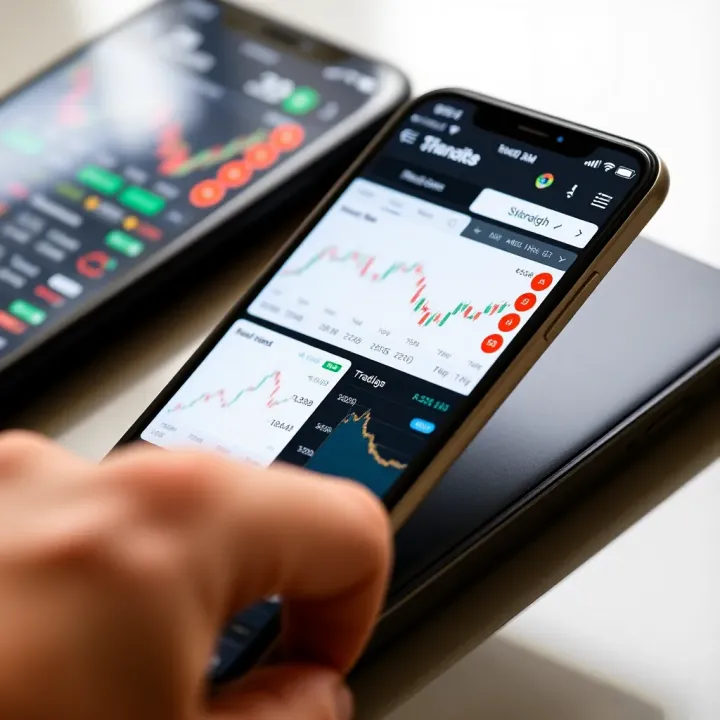
Cost structures are important to consider. Some apps charge a flat fee per trade, while others have zero brokerage for equity delivery but charge for intraday or futures trading. Upstox and 5Paisa, for instance, attract users with competitive brokerage plans, often suited for high-frequency traders. Always check the fine print to avoid surprises in transaction or withdrawal charges.
Security cannot be overlooked. Apps integrated with two-factor authentication and end-to-end encryption provide a safer trading environment. OTPs (One Time Passwords) and biometric login options add extra layers of protection, which is essential given the sensitive financial data involved.
Picking a trading app is not just about flashy features; it’s about matching the app’s strengths to your trading style and financial goals.
Apart from features, user experience matters. A complex app can slow you down when timing trades, while a simple, responsive interface helps you act quickly. Look for apps that offer seamless navigation, instant order placements, and reliable customer support.
This guide will unpack key features, benefits, and smart ways to choose the trading app that fits you best. We also suggest steps to begin trading today without losing sight of prudent investing practices.
Trading apps have become a central tool for investors in India, allowing them to access markets directly through smartphones. These apps simplify the complex process of buying and selling shares, bonds, and other securities, making trading more accessible and faster. Understanding the role of such apps is essential before choosing one that matches your needs.
Trading apps are mobile platforms provided by brokers or financial services that let users manage their investments, place orders, check market trends, and track portfolios anywhere and anytime. For instance, an app like Zerodha Kite lets you trade equities, commodities, and currencies on the go, streamlining what once required desktop access. The key benefit lies in convenience—formerly, you needed to visit a broker’s office or use a desktop terminal, but now transactions happen within seconds on your phone.
Security and real-time data updates also make trading apps practical. You get instant notifications about price movements or order status, which is critical when dealing with volatile markets. Likewise, apps often include educational material and analysis tools, aiding both beginners and experienced investors.
Mobile trading has surged in India thanks to increased smartphone penetration, cheap data plans, and greater financial literacy. Apps like Groww and Upstox Pro witnessed massive user growth during the pandemic as people sought ways to invest and earn from home. According to recent reports, over 10 crore active users engage in mobile trading, reflecting a shift from traditional trading methods.
One notable trend is the rise of zero or low commission apps that charge minimal brokerage fees, encouraging more retail investors to participate. Dynamic features such as voice commands, AI-driven market predictions, and integration with Unified Payments Interface (UPI) for instant funds transfer are becoming common.
Moreover, rural and tier-2 city investors are increasingly adopting trading apps, boosted by vernacular language support and simple user interfaces. This expansion widens the investor base and deepens market participation across the country.
Mobile trading is no longer a luxury but a necessity for active investors in India, given the fast-paced market and easy availability of tech.
Understanding these basics about trading apps sets a strong foundation for selecting the best app tailored to your trading goals and style. Next sections will delve into features, comparisons, and practical advice for getting started.
Trading apps have become indispensable tools for investors and traders in India. However, not all apps deliver the same experience or benefits. When choosing a trading app, paying close attention to its core features can be the difference between smooth investing and missed opportunities.
A trading app’s interface should be intuitive and responsive. Traders often have only seconds to act on market moves, so a cluttered or slow app can cost dearly. For example, Zerodha Kite is praised for its clean layout and straightforward navigation, helping users place orders and monitor portfolios quickly. Features like the ability to customise dashboards or access one-click order placement also enhance convenience. On the other hand, if an app requires too many taps or has confusing menus, beginners may feel overwhelmed and make mistakes.

Your trading app must cover the investment products you want. Most apps allow equity, derivatives, mutual funds, and bonds trading, but the variety can differ. Upstox Pro, for instance, offers access to NSE, BSE, and commodities markets, making it versatile for experienced traders seeking diversification. Others focus more on mutual funds or direct equity, targeting long-term investors. Additionally, some apps now include features for investing in IPOs or government securities, expanding market access. Choosing an app without the right instruments limits your trading strategies.
Costs directly affect your returns. It's crucial to understand brokerage rates, transaction charges, and any hidden fees before adopting an app. 5paisa offers flat-fee trading, ideal for frequent traders who want transparent costs. Conversely, Angel One provides zero brokerage for equity delivery but charges for intraday or derivatives transactions. Also, check for account maintenance fees or charges for advanced features like research reports. A detailed fee breakdown helps avoid surprises and ensures your trading cost fits your budget.
With rising cyber threats, choosing a secure app is non-negotiable. Trading apps must comply with regulations set by the Securities and Exchange Board of India (SEBI), ensuring legal and operational safeguards. Features like two-factor authentication (2FA), encrypted data transmission, and timely app updates reduce the risk of fraud or account breaches. For instance, Groww emphasises security by offering biometric logins and continuous monitoring of unusual activities. Ignoring security protocols can expose your funds and personal data to risks.
Selecting a trading app is about more than just bells and whistles; the right features empower you to trade confidently, save costs, and protect your investments.
In summary, focus on how easy the app is to use, whether it covers the investment options you need, understand its fee structure, and ensure it maintains high security standards. These pillars will guide you to an app that supports your trading style and financial objectives effectively.
Choosing the right trading app can shape your investment success, especially given the variety on offer in India. Comparing popular trading apps helps you identify which platform matches your trading needs, budget, and comfort level with technology. It also highlights practical differences in features like brokerage fees, charting tools, and customer support.
A well-informed choice means you avoid unnecessary costs and get tools suited for your style – whether you’re a day trader or a long-term investor.
Zerodha Kite stands out for its low brokerage charges and clean interface. It offers seamless access to equities, commodities, and currency markets, making it a favourite among seasoned traders. Kite’s advanced charting tools and customisable dashboards help traders spot trends quickly. For example, the ability to place bracket orders and use corporate announcements as alerts simplifies decision-making. Zerodha also integrates well with its back-end platform Console for portfolio tracking and tax filings.
Upstox Pro targets active traders who want a fast and robust app. Its key selling point is competitive pricing with zero brokerage on equity delivery trades. The app also supports multi-asset trading, including futures and options, with real-time market data. Traders appreciate the variety of chart types and technical indicators offered. The dark mode and quick trade buttons make it comfortable to use during long trading sessions, especially on mobile.
Angel One blends simplicity with comprehensive services, ideal for beginners and mid-level investors. It offers multiple payment options, including UPI for quick fund transfers. Users get access to research reports, expert calls, and dividend tracking – features that support informed investing. Brokerage plans suit various volumes, and the app supports mutual funds and insurance buying alongside stocks.
5paisa attracts cost-conscious traders with its flat ₹20 per trade fee and no hidden charges. The app is easy to navigate and includes features like personalised investment ideas and robo advisory. Its portfolio analytics help users understand profit and loss patterns over time. Moreover, 5paisa’s integration with payment wallets speeds up the buying process. For side investors who want straightforward tools without complexity, this app fits well.
Groww began as a mutual fund platform and expanded into stock trading with a focus on simplicity and clarity. Its clean user interface appeals to millennials and novice investors. Groww highlights educational content, which helps users learn while trading. The app lets you switch between stocks and mutual funds easily, a plus for those diversifying their portfolio. Brokerage is zero for investments in stocks on the delivery basis, making it attractive for long-term holdings.
Comparing these apps side by side reveals distinct strengths depending on your trading frequency, asset preference, and budget. Keep practical features like customer service, speed of execution, and available research in mind when deciding. This comparison isn’t just about features; it’s about finding the right fit for your investment journey.
Selecting the right trading app is more than just picking a popular brand; it directly influences your investment experience and returns. The app you choose should align with your specific trading goals, style, and financial habits. Careful consideration helps you avoid hidden costs, security issues, and usability frustrations.
Before you settle on any app, it's vital to understand your trading goals. Are you aiming for short-term intraday trades, long-term investments, or diversifying across asset classes like stocks, commodities, and mutual funds? For example, Zerodha Kite offers excellent tools for active traders, while Groww might appeal more to those focused on mutual funds and long-term portfolios. Your trading style — whether cautious or aggressive — dictates the kind of analytics and features you need. Apps with real-time alerts are essential for active trading but less important if you primarily invest through systematic investment plans (SIPs).
Costs can quietly erode profits, so evaluate brokerage charges, transaction fees, and annual maintenance costs carefully. If you mostly invest in stocks with frequent trades, choose an app with low brokerage per trade like Upstox Pro or 5paisa App. For investors making occasional purchases, a low annual maintenance charge might be more relevant. Understand the fee structure based on your investment pattern. Also, check for hidden costs such as charges for fund transfers or data usage that may add up over time.
User feedback can reveal practical pros and cons not obvious from app descriptions. Reading recent reviews on app stores and financial forums sheds light on app stability, customer support, and unexpected issues like delayed order execution or glitches during market hours. Watch for patterns rather than isolated complaints. For instance, if multiple users note slow response times during peak hours, it could be a red flag for serious traders. Balance this with official app updates and developer responsiveness to problems.
Choosing a trading app tailored to your needs helps you trade confidently and avoid costly setbacks.
In short, know what you want from your trading app, factor in the costs based on how you trade, and listen to other users’ experiences to make a smart choice. The right app becomes your partner in making informed financial decisions.
Getting started with a trading app can feel overwhelming if you are new to investing. This section breaks down the process into straightforward steps to help you begin confidently. Knowing how to open an account, fund it, and use the platform’s analytical tools ensures you manage your trades smartly from day one.
Opening a trading account on apps like Zerodha, Angel One, or Groww is usually quick but demands careful attention. The essential first step is completing the Know Your Customer (KYC) process mandated by the Securities and Exchange Board of India (SEBI). You'll be asked to upload documents such as your PAN card, Aadhaar card, and a cancelled cheque for bank verification. Many apps provide an instant e-KYC option using Aadhaar OTP verification, which speeds up the account opening.
Make sure your details match across documents to avoid approval delays. Apps will typically guide you through digital signatures and mandate in the same interface, making the offline paperwork nearly obsolete.
Once your account is active, the next move is adding funds. Most trading apps accept multiple payment methods, including UPI, net banking, and IMPS. For example, on Upstox and 5paisa, you can directly transfer money via UPI apps like PhonePe or Google Pay, which cuts down transaction time.
Placing a trade is as simple as selecting the stock or mutual fund, choosing quantity, and confirming your buy or sell order. Watch out for order types—market order executes instantly at current prices, while limit orders execute only at your specified price. Understanding these nuances protects you from unexpected losses during volatile market conditions.
The ability to analyse market data and track investments is a major advantage of trading apps. Leading platforms like Zerodha Kite and Angel One offer built-in charting tools, technical indicators, and real-time news feeds. These tools help you spot trends and make informed decisions.
Take advantage of features such as customizable watchlists, market depth views, and financial reports. Some apps also offer educational content and webinars to improve your trading skills. Learning to use these resources early will give you an edge, especially during fluctuating market phases.
Starting with a clear process and leveraging available tools reduces mistakes and builds your trading confidence quickly.
Taking these foundational steps carefully will set you up for smoother trading and help you make the most of the app’s features while keeping your investments secure.
Using a trading app effectively requires more than just clicking buy or sell. Managing risks wisely plays a big role in safeguarding your investment. One common mistake traders make is getting carried away by market noise—jumping into trades based on rumours or sudden price movements without proper analysis. Always set stop-loss orders to limit potential losses and avoid emotionally driven decisions. For example, during volatile sessions, if you hold a position without a stop-loss, a sudden dip could wipe out gains or eat into capital faster than expected.
Managing your risk also means diversifying your portfolio rather than putting all your funds into one stock or sector. Spreading investments across equities, mutual funds, and commodities can reduce exposure to market shocks.
Keeping your app and data secure is another critical aspect. Use strong, unique passwords and activate two-factor authentication (2FA) wherever possible. Many popular trading apps like Zerodha Kite and Groww offer 2FA, which adds an extra security layer beyond just your password. Avoid using public Wi-Fi networks when trading to prevent unauthorised access. Also, regularly check app permissions and update your device’s operating system to patch vulnerabilities.
Regular updates of the trading app are essential for smooth functioning and security. Developers often release updates to fix bugs, add new features, or improve performance. If you delay updating, your app may not support the latest market protocols or could expose you to security gaps. Staying informed about market trends and regulatory changes is equally important. Subscribe to trusted financial news sources or use in-app alerts to keep track of important announcements, such as RBI policy changes or corporate results. This helps you make timely and informed decisions, reducing the risk of surprises.
To sum up, using trading apps effectively is about combining smart strategies with strong security habits. It involves managing risk, securing your login and data, and staying updated on both the app’s technical side and market happenings. By doing this, you reduce avoidable losses and make the most of your investment opportunities.
Explore the best trading apps for PC designed for Indian traders 🖥️. Compare features, security, usability & performance to find your ideal match for smart investing.

Explore QXBroker's trading platform in India 🌏. Get insights on features, account types, fees, security, & customer support to trade smarter 🔒💹.

Explore QXBroker app's key features, trading tools, account options, security, and support to see how it meets the needs of Indian traders 📊📱🔒

📱 Explore RBI-approved trading apps in India! Learn about features, security, compliance & tips to pick the best app for smart investing. 💰
Based on 6 reviews