

Understanding Crypto Demo Trading
Crypto demo trading lets you practise cryptocurrency trades without risking real money 💰. Learn how to develop skills safely in this practical guide 📈.
Edited By
Sophia Turner
Demo apps provide a practical way for traders to learn how to navigate the stock market without risking real money. For beginners in India, these apps serve as a safe classroom where you can explore market moves, test strategies, and get familiar with trading platforms like Zerodha Kite, Upstox Pro, and Angel Broking before stepping into live trading.
Using a demo app replicates the environment of live markets with real-time prices but uses virtual funds. This means you can place buy or sell orders, use charting tools, and analyse indicators without financial consequences. It’s like driving a car in a simulator before hitting the busy roads of Mumbai or Bengaluru.

Choosing the right demo app matters. A good one should offer:
Access to live market data
User-friendly interface
Tools for technical and fundamental analysis
Features found in actual trading platforms, such as order types and portfolio tracking
Additionally, some apps provide educational content alongside practice trading, helping you understand how specific features work in real scenarios.
Starting with a demo app helps you avoid costly mistakes by improving your decision-making skills and boosting confidence. It also reveals how emotions like fear or greed can impact trades, a lesson often missed in theory.
For Indian traders, demo apps also allow practice with investing in equities, commodities, and derivatives within the country's regulatory framework guided by SEBI. This ensures you become comfortable with the processes involved in placing orders, managing margins, and complying with trading rules—before your real money is at stake.
In short, a demo app is an indispensable training ground. It prepares you to handle real market challenges, understand platform quirks, and adapt your trading style. Gradually, this hands-on experience paves the way to successful, informed trading in the live market.
A demo trading app is a software platform that allows users to simulate buying and selling stocks, commodities, or other financial instruments without risking actual money. Often provided by brokers and financial service companies, these apps replicate real market conditions as closely as possible. For example, Zerodha’s Kite Demo lets users trade with virtual money, showing live market prices and order executions. This helps traders understand how the markets move and how to use trading tools without the financial risk.
New traders gain confidence and a basic grip on market mechanics through demo apps. They can experiment with order types, watch how their choices affect outcomes, and learn to read charts without fear of losing money. Experienced traders, meanwhile, can test new strategies or get familiar with updated app features before applying them in real trades. For instance, a seasoned trader might trial a short-selling strategy on Angel Broking’s virtual trading platform before using it live.
Using demo apps also aids understanding transaction costs, like brokerage fees and taxes, which affect the profitability of trades. Traders see the impact of these charges in a risk-free setup, helping them plan better with real funds.
Some believe demo trading guarantees success in live markets, but it doesn’t account for emotional factors like fear or greed, which affect real-money decisions. Another misconception is that demo apps perfectly mimic live market execution. In reality, liquidity or slippage might differ when using actual funds, especially during volatile market conditions.
While demo apps give a practical foundation, transitioning to live trading requires adapting to emotional and market nuances that no simulation can fully recreate.
Moreover, some think demo apps suit only beginners. On the contrary, many experienced traders use them regularly to refine strategies or understand new market instruments.
In short, demo trading apps serve as an essential learning tool for both beginners and pros, offering a safe space to understand market dynamics and trading platforms before committing real capital.
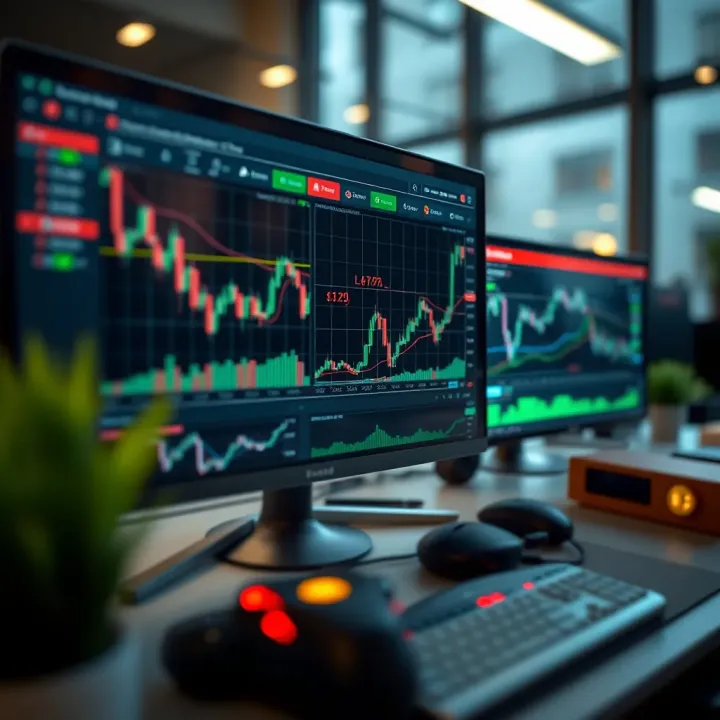
Choosing the right demo trading app largely depends on the features it offers. These features help simulate real trading scenarios and provide a meaningful learning experience. Traders should seek an app that closely mirrors the live market environment to build skills confidently before risking real money.
A demo app that offers real-time market data is a must. It ensures you get the latest prices, news, and events as they happen, rather than delayed or simulated data. For example, Zerodha Kite’s demo gives live price feeds closely replicating Sensex and Nifty movements. This accuracy helps you understand how market conditions affect your trades.
Execution simulation is equally important. A good app should simulate order placement, partial fills, slippage, and cancellations as realistically as possible. Upstox Pro Demo, for instance, mimics order execution delays and market orders, so you experience the actual trading quirks. Realistic order handling prevents traders from developing false expectations about speed or costs.
An intuitive interface reduces the learning curve, allowing you to focus on strategy rather than navigation. Demo apps should organise dashboards, watchlists, and order books neatly. Angel Broking’s virtual trading app offers a straightforward layout, perfect for beginners to locate features quickly.
Accessibility is another vital aspect. Look for apps that run smoothly on mobiles and desktops, as this flexibility suits India’s diverse user base. Also, apps supporting multiple languages, including Hindi and regional options, enhance usability for wider audiences. Fast loading times and minimal glitches make practising trading less frustrating.
Simply practising trades won’t suffice if you can’t learn from them. The best demo apps pair trading simulation with educational content like tutorials, webinars, and articles tailored for Indian markets.
Additionally, analytics tools like profit/loss reports, risk assessment dashboards, and technical indicators help track performance objectively. Zerodha Kite Demo stands out by integrating detailed charts and indicator overlays, empowering traders to refine their strategies.
Demo apps that combine accurate market data, ease of use, and educational support create a practical environment for traders to evolve without financial pressure.
In short, gathering hands-on experience with real market dynamics, navigating a user-friendly platform, and leveraging educative tools form the core features every trading demo app must have. These elements ensure that when you switch to live trading, you are already familiar with the essentials and ready to manage real risks effectively.
Choosing the right demo trading app matters a lot for gaining practical trading experience without risking real money. In India, several brokerage platforms offer free demo accounts that mirror actual market conditions closely. These apps help beginners understand the trading environment and seasoned traders test strategies before live deployment. Knowing features, usability, and reliability of popular apps like Zerodha Kite Demo, Upstox Pro Demo, and Angel Broking Virtual Trading can guide you to pick a platform that suits your learning style and trading goals.
Zerodha Kite Demo is widely used due to its clean interface and powerful tools that replicate real-time trading well. It supports equities, derivatives, and currency segments, providing users exposure to a broad market scope. The app displays live market data and allows paper trading with virtual funds, creating a realistic yet risk-free setting. Many traders appreciate its seamless sync with Zerodha’s live accounts once they are ready to switch. Beginners can practice order placement, stop-loss setups, and intraday trades while understanding commissions and charges without financial risk.
Upstox Pro Demo focuses on speed and technical analytics, making it popular among active traders and technical analysts. This demo version lets users simulate trading with virtual funds using real NSE and BSE market prices. The platform integrates advanced charts, indicators, and backtesting features that help traders experiment with various strategies. Its mobile and desktop versions ensure accessibility across devices, catering well to traders who prefer trading on the go. Upstox’s demo also supports Futures and Options trading, which helps advance traders sharpen their risk management techniques.
Angel Broking Virtual Trading offers a user-friendly environment for beginners to get started with market basics confidently. The app mimics all essential aspects, including order types, market movements, and margin calculations. Users gain practical insights into Indian stock markets with regular market updates and tips from Angel Broking’s research. Its virtual trading tool includes educational resources and performance tracking, enabling traders to review their trades critically. By using this demo, traders can build confidence and gradually develop an understanding of brokerage charges, stock liquidity, and volatility without risking real cash.
Demo trading apps from established Indian brokers are essential stepping stones toward live trading. Their realistic simulation and educational features reduce the learning curve and prepare traders practically before entering the live market.
Selecting the right demo app depends on your trading style, preferred asset classes, and learning objectives. These three platforms—Zerodha Kite, Upstox Pro, and Angel Broking—cover a wide range of trader needs, from beginner-friendly interfaces to advanced technical tools.
In summary, experimenting with the demo versions of these popular Indian trading apps helps you understand market mechanics, develop strategies safely, and ease the transition to live trading with a stronger foundation.
A demo app serves as the playground where traders can sharpen their skills without risking real money. To make the most out of these platforms, understanding how to use them effectively is vital. In India, where stock markets such as the NSE and BSE operate in a fast-paced manner, being prepared before stepping into live trading is a smart move.
Start by defining clear and achievable goals while using the demo app. For example, aim to understand order placement, learn chart-reading basics, or try holding positions for different time frames. Setting such specific targets prevents random trading attempts, keeping the focus on steady progress. Suppose a trader wants to master intraday strategies using Zerodha Kite's demo; aiming to complete at least 20 simulated trades a week with analysis of successes and failures can build confidence gradually.
One huge advantage of demo trading is the ability to experiment freely. Whether you're trying momentum trading, swing trading, or algorithm-backed orders, you can test these without funding anxiety. For instance, a trader can simulate option selling strategies on Upstox Pro's demo app to observe outcomes under varying market conditions. This freedom helps traders identify strategies that fit their style and risk appetite before real money comes in.
Consistently tracking your demo trades is crucial. Use the app's analytics or maintain a trading journal noting your entry and exit points, reasons for trades, and emotional responses. Over time, this creates a resource to spot patterns — both good and bad. A common mistake might be exiting too early due to fear, or risking too large a portion of virtual capital. Identifying these helps improve discipline and strategy refinement. For example, Angel Broking's virtual trading platform provides detailed reports to help reflect on each trading session.
Using demo apps thoughtfully transforms trial and error into structured learning. It’s not just about placement; it’s about understanding market movements, one trade at a time.
In short, treating the demo app as a tool for deliberate practice with clear goals, strategy trials, and performance assessment sets the foundation for smoother transition to live trading with real capital.
Moving from a demo app to live trading marks an important step in a trader's journey. Demo apps provide a safe space to understand market mechanics, but live trading brings real stakes and emotions into play. Recognising when you’re ready to switch depends on your confidence, understanding of trading strategies, and ability to manage risks realistically.
The key sign you're ready to trade live is consistent success in your demo trades under varying market conditions. For example, if you've tested strategies across volatile and stable phases and still maintain profitability, that indicates strong preparation. Also, you should be comfortable using features like order types, stop-loss, and market watchlists without hesitation. Importantly, simulate the live trading schedule closely, avoiding the luxury of pausing or replaying sessions which demo apps allow. This builds discipline and timing awareness.
Demo trading feels like a game but live trading triggers emotional responses like fear and greed, which can affect decisions. To handle this, start with small capital, expecting losses as part of learning. For instance, if a ₹10,000 trade makes you anxious, reduce the amount or the number of trades until you build emotional stamina. Use techniques such as journalling trades to monitor your mindset and decisions. Also, practising mindfulness or short meditation before trading sessions can help centre your focus and reduce impulsive actions.
It's normal to feel pressure in live markets; managing emotions is as crucial as having a trading strategy.
Begin with a modest amount — ₹5,000 to ₹10,000, depending on your financial comfort — so that losses won't impact your overall finances. Use capital that you can afford to lose without stress. Stick to simple strategies initially, like intraday trading or swing trading with clear stop losses. Avoid leveraging high margins in early trades because it amplifies both profits and risks. Gradually increase your trading size as experience and confidence grow. Equally, ensure you use brokerage platforms with low fees, such as Zerodha or Upstox, to keep costs manageable.
Transitioning smoothly requires blending technical readiness with psychological preparation. Demo apps gave you the sandbox; live markets put you to real test. Approach this step thoughtfully, and you will set a strong foundation for long-term trading.
Crypto demo trading lets you practise cryptocurrency trades without risking real money 💰. Learn how to develop skills safely in this practical guide 📈.
📈 Learn how demo trading accounts in India let you practise stock trading risk-free. Get tips, platform comparisons, and step-by-step guidance to boost your skills.
📈 Explore how demo stock trading apps help Indian investors practise without risk, learn strategies, and pick the right platform before trading live markets.
Learn the basics of forex trading online with our practical guide 📈 Explore key strategies, platforms, risks, and regulations tailored for Indian traders.
Based on 15 reviews