

Understanding Crypto Demo Trading
Crypto demo trading lets you practise cryptocurrency trades without risking real money 💰. Learn how to develop skills safely in this practical guide 📈.
Edited By
Henry Walsh
Demo trading accounts in India have become an essential tool for traders at all skill levels. These accounts let you practice trading stocks, commodities, or currencies using virtual money, without risking real capital. Many brokers and trading platforms offer such accounts to help users familiarise themselves with market dynamics and test strategies.
The concept itself is pretty straightforward. When you open a demo account, you get a simulated trading environment that mimics real market conditions. You can place buy or sell orders, watch how prices move, and see how your decisions play out over time. This helps you build confidence and improve your understanding before investing actual money in the markets.
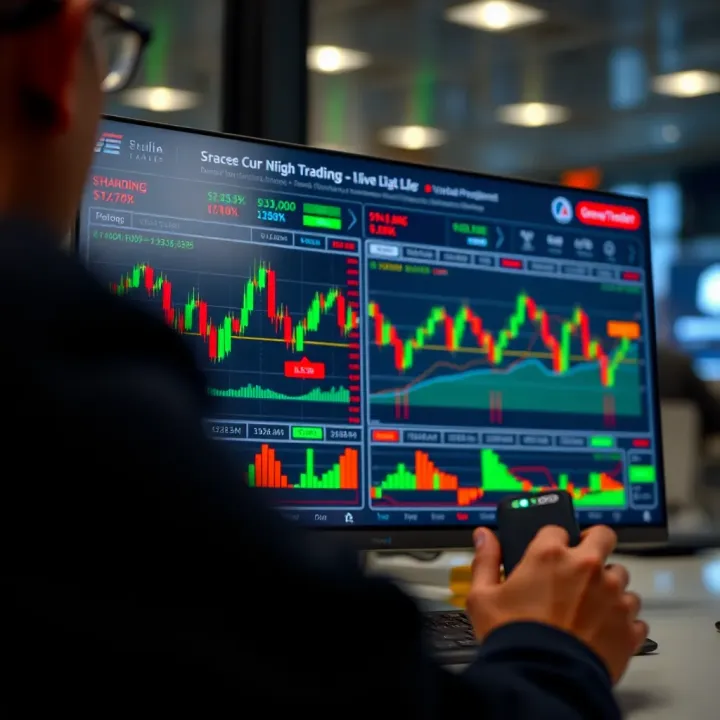
Demo accounts are particularly useful for beginners who want to grasp the basics of order placement, market timing, and managing risk. Even seasoned traders use them to try new strategies or instruments without financial consequences.
Unlike paper trading, which often involves manually recording trades, demo accounts provide real-time data, offering a practical experience close to live trading. Platforms such as Zerodha, Upstox, and Angel Broking commonly support demo modes, making access easy for Indian traders.
Using a demo trading account effectively means treating it like a real one. Track your trades, note mistakes, and tweak your approach. Avoid the temptation to take unrealistic risks just because the money isn’t real, as this habit will not translate well once you start live trading.
In short, demo trading accounts give you a risk-free space to sharpen your skills, understand market mechanics, and prepare for real-world trading. They form a vital stepping stone for anyone wanting to participate confidently in India’s vibrant stock market.
A demo trading account offers a risk-free environment to practise buying and selling in stock markets without any actual monetary loss. For traders and investors in India, it serves as a reliable platform to get hands-on experience with trading mechanics before committing real funds. Understanding how these accounts work is crucial for building confidence, testing strategies, and navigating market complexities.
A simulated trading environment mirrors the real stock market but uses virtual money instead of real capital. This simulation replicates the price movements, market depth, and order execution you would find on live exchanges like NSE or BSE. For example, suppose you're testing how a sudden market dip affects your portfolio; the demo account lets you see potential outcomes without risking your own money. It’s like a flight simulator for pilots — allowing practice without real-world consequences.
The role of demo accounts in learning and testing strategies is significant. Traders can explore different approaches such as day trading, swing trading, or options strategies without fear of losses. You can experiment with stop-loss orders, trailing stops, and limit orders to find what suits your style best. For instance, a beginner might try buying and selling shares of Reliance Industries over several days to observe trends, building up trading discipline along the way.
Using virtual money is the backbone of demo accounts. You might start with ₹5 lakh or ₹10 lakh in virtual funds, which lets you buy stocks or commodities just like in a real account. This financial buffer allows you to learn budgeting, position sizing, and risk management effectively. Since no real money changes hands, the pressure lessens, enabling better focus on strategy refinement.
Most demo platforms provide market data and real-time updates mimicking live conditions. This means the stock prices, indices, and commodity rates update every second, reflecting actual market fluctuations during trading hours. For example, the NSE’s Sensex moves will be captured closely, helping you understand how news or government announcements impact prices.
Regarding order execution and trade types, demo accounts allow you to place market orders, limit orders, stop-loss orders, and more— just like on live platforms. This hands-on experience teaches you how different orders affect trade speed and price. Say you want to buy Infosys shares only if the price drops to a certain level; through a limit order in the demo account, you can see what happens when the price touches your target. Practising such order types prevents costly mistakes when moving to live trading.
A demo trading account acts as your training ground in investing, letting you build skills safely and understand market operations before risking your hard-earned money.
Using a demo trading account offers clear advantages, especially for Indian traders who want to get a feel for the markets without risking real money. Demo accounts are designed to mirror actual trading platforms, enabling users to practice with virtual funds. This hands-on experience helps build essential skills needed to succeed in real trading.
Testing trading strategies without losses is perhaps the biggest perk of demo trading. You can try different approaches—like day trading or swing trading—without worrying about losing your hard-earned money. For example, if you want to test how a moving average crossover strategy performs on the Nifty 50, a demo account lets you do that in real market conditions but using virtual money.
Building confidence before real trading also comes naturally with demo accounts. Many new traders hesitate to enter the markets due to fear of loss. Practising repeatedly on demo platforms helps break this mental barrier, making you comfortable with the pace and unpredictability of the market before you commit actual funds.
Familiarisation with trading platforms is crucial, especially given the variety of tools Indian brokers offer. Whether it’s Zerodha’s Kite or Angel Broking’s app, demo accounts allow you to explore the interface without pressure. This familiarity reduces mistakes like placing incorrect order sizes or misreading charts when real money is involved.
Learning order types and market functionality is another key benefit. Terms like limit orders, stop-loss, or bracket orders can seem confusing at first. Using a demo account helps you see how these orders behave in live conditions. For instance, placing a stop-loss order to protect against sudden market falls becomes a safer practice when you can test it virtually.

Recognising patterns and market trends gets easier with regular demo trading. You can observe price movements and try to identify trends like head-and-shoulders or flags. Since you are not risking money, you get to experiment and sharpen your technical analysis skills effectively.
Practising risk management techniques is often overlooked by beginners but critical to long-term success. Demo accounts let you set stop-loss limits, diversify your portfolio, and manage position sizes. Practising these tactics virtually ensures you bring discipline to your live trading, helping avoid catastrophic losses.
A demo trading account acts as your personal training ground. It’s the place to try, fail, learn, and grow without financial pain. For Indian investors, this approach is especially useful given the market’s volatility and the various instruments available.
In sum, demo accounts help bridge the gap between theoretical knowledge and practical experience. By allowing risk-free practice, helping you understand market tools, and improving your trading habits, these accounts prepare you thoroughly for real market challenges.
Opening a demo trading account is your first step towards learning the ropes of stock markets without risking actual money. It provides a practical way to familiarise yourself with trading tools and strategies, helping you build confidence before moving to live trading. Getting this right means you can practise safely and understand the trading process clearly.
Choosing the right broker or platform for your demo account hinges on several factors. First, check if the platform offers real-time market data and a user interface similar to the live trading version. This ensures your practice closely mimics actual trading. Speed of order execution and range of tradable instruments also matter, especially if you want exposure to equities, commodities, or derivatives.
Among Indian brokers, Zerodha Kite, Upstox Pro, ICICI Direct, and Angel Broking are well-known for their demo accounts. These platforms provide reliable market data and user-friendly interfaces, making them suitable for beginners and experienced traders alike. For example, Zerodha's Kite demo offers a clean layout that is close to its live platform, ideal for practising various order types.
Registering for a demo account generally requires minimal details, as no real money is involved. You typically need to provide your email ID and mobile number for verification. Some brokers may ask for PAN card details or Aadhaar verification even for demo accounts, but this is rare.
The setup process is usually straightforward. You sign up on the broker’s website or app, complete the verification steps, and receive credentials to access your demo trading dashboard. For instance, Upstox allows instant demo account activation through its app without documents, helping traders get started quickly.
Once you log in, the user interface displays key market information such as live prices, charts, and order entry forms. Familiarising yourself with this layout is important to navigate swiftly during real trading hours. Most platforms offer tutorial guides or tooltips that explain various features.
Customising settings enhances your trading experience. You can adjust chart types, set watchlists with stocks or commodities of interest, and personalise alerts. These tweaks help create a practice environment that reflects your trading style. Angel Broking, for example, allows easy customisation in its demo account, aiding traders in simulating their real trading setups.
Starting with a demo account is like taking a test drive before buying a car. It prepares you for the real market’s ups and downs without any financial risk.
Getting comfortable with these steps helps you take full advantage of demo trading to sharpen your skills efficiently and confidently.
Selecting the right demo trading platform can shape your entire practice experience. These platforms provide simulated environments that closely match real markets, which lets you hone your strategies without risking actual money. Different platforms vary in features, market access, and data quality, so knowing these differences helps traders pick one that suits their needs best.
A platform's ease of use is key, especially for beginners. It includes an intuitive interface that doesn’t overwhelm with clutter and offers clear navigation through charts, order types, and account details. For example, Zerodha Kite stands out for its clean design, making it simple to switch between market segments or execute trades without confusion. Trader confidence often grows faster when the platform feels approachable and reduces the learning curve.
A diverse instrument range lets you practice trading not just in stocks but also commodities, currencies, and derivatives. Platforms like Upstox Pro offer access to multiple markets such as NSE, BSE, MCX, and currency derivatives, giving you space to explore different trading options. This variety helps traders understand the nuances of different market types and find multiple avenues for investment.
Accurate market data in real time is essential for meaningful practice. Reliable platforms provide live streaming of prices and volume data with minimal delay. Angel Broking's demo account is known for delivering near real-time data sourced directly from exchanges, ensuring your simulated trades reflect actual market movements. Practising on platforms with delayed or inaccurate data can lead to misleading results and poor habit formation.
Zerodha Kite’s demo account replicates its widely used trading platform, which features real-time charts and multiple indicators. Its straightforward design helps traders focus on strategy rather than interface glitches. Given Zerodha’s popularity among Indian traders, practising here familiarises you with a tool widely used for live trading.
Upstox Pro offers a robust demo trading environment covering equities, commodities, and currencies. Its platform supports advanced charting and technical indicators, ideal for traders wanting to refine inter-market strategies. The demo experience closely mirrors the live trading platform, making the transition smoother.
ICICI Direct’s demo platform serves clients who prefer a full-service brokerage feel, complete with integrated research and advisory tools. Practising here helps users combine fundamental and technical analysis before committing real funds. The platform’s strong backing by ICICI Bank also adds trustworthiness.
Angel Broking’s demo account equips users with updated market data and a user-friendly interface suitable for both novices and seasoned traders. It supports multiple order types and intraday strategies. By practising on Angel Broking, traders can anticipate how live order execution and market trends unfold.
Choosing a demo platform gives you a rehearsal space for the market. Whether you aim to invest in equities or trade derivatives, selecting one designed for your needs ensures your time spent practising converts into real trading success.
Using a demo trading account effectively is vital for building real trading skills without risking actual money. It's not just a sandbox for guessing trades; treating it seriously can shape your strategies, emotional discipline, and readiness for live markets.
Approaching demo trading seriously means setting clear objectives rather than aimlessly clicking through plans. For example, if you want to master day trading on the NSE, focus on understanding how to use stop loss orders, momentum indicators, and daily price charts precisely during your demo sessions. Only by giving demo trades the same attention as live trades will you gain meaningful practice.
Simulating real market conditions involves replicating how you'd trade if real money was at stake. This means avoiding overly risky trades just because losses are virtual. Set limits on your virtual capital, stick to trading hours when markets are active, and practice reacting to unexpected news or market swings. The idea is to make your demo experience as close to real trading as possible, which builds relevant skills.
Maintaining trading journals is crucial for progress. Write down the reasons behind each trade, entry and exit points, and emotions felt during trades. For example, you might note that after a few false breakouts you became impatient and entered too early, losing virtual money. This reflection helps identify behavioural patterns and informs better decisions.
Analysing trades and outcomes means reviewing your journal regularly to spot strengths and weaknesses. It could be that your strategy works well in trending markets but fails during consolidation. By evaluating success rates, average gains, and loss patterns, you can optimise your approach and avoid repeating costly errors when you move to live trading.
Recognising readiness is about understanding when to shift from practice to real trading. A good sign is consistent profitability in demo trades over several weeks, with realistic risk management and emotional control. For instance, if you've handled losing streaks in demo without panic and followed your plan, you’re closer to live readiness.
Managing emotions and risk in real trading is a different challenge since real money changes your psychological response. Demo accounts don’t replicate the fear or greed that arise. To prepare, start with small investments and strict stop losses once you go live. This protects your capital while you adapt to the pressure, preserving your mental balance and preventing rash decisions.
Treat your demo trading as if it’s real capital and you’ll set yourself up for better results when moving to live markets. The habits and skills developed here directly impact your success later.
In summary, demo trading accounts in India are most helpful when users set clear goals, track their trades for lessons, and prepare thoughtfully for live trading. These practical steps turn simulated practice into actual market advantage.
Crypto demo trading lets you practise cryptocurrency trades without risking real money 💰. Learn how to develop skills safely in this practical guide 📈.
Start your forex journey with a demo account 💹. Learn its benefits, how to pick a trusted broker, avoid common errors & trade without risking real money.
Discover how Quotex works, its key features, trading options, and registration process in India. Get a clear view of benefits and risks 📈💡

Explore RBI's detailed rules on forex trading in India 🇮🇳. Understand authorized dealers, permissible transactions, and compliance essentials for traders and businesses.
Based on 5 reviews