

Best Trading Phones for Indian Investors
📱 Find the ideal trading phone in India with top processing power, sharp display, long battery life, and reliable connectivity for seamless market updates and app performance.
Edited By
Oliver Hastings
Choosing the right trading site matters a lot for Indian investors aiming to grow their portfolios efficiently and securely. With so many platforms available, it can feel overwhelming to pick one that suits your investment goals, trading style, and budget.
In India, popular trading sites like Zerodha, Upstox, Angel Broking, and ICICI Direct offer varied features, costs, and tools that can influence your overall trading experience. This guide will help you cut through the noise by focusing on key factors such as safety, charges, usability, availability of research tools, and customer support.
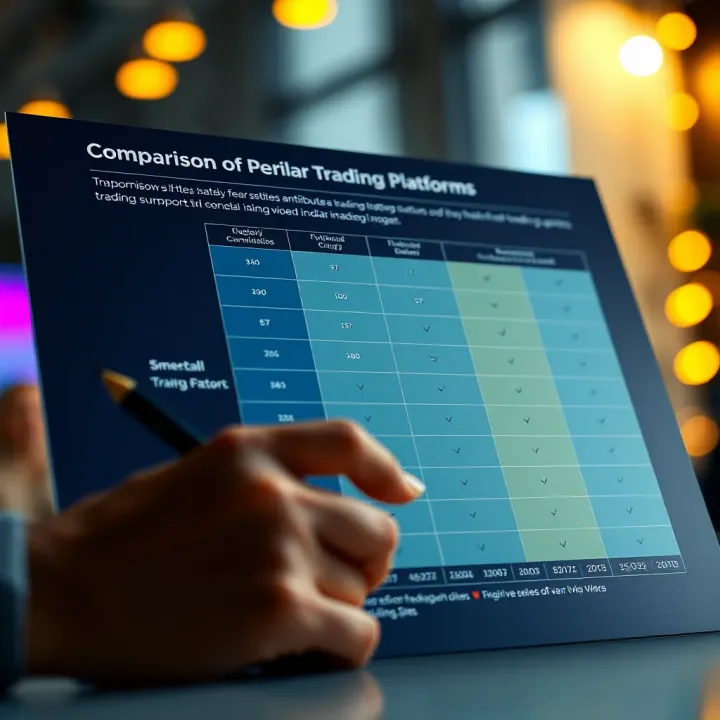
Your trading platform is more than just a website – it’s your gateway to the market. Choose wisely to avoid hidden costs and security risks while maximising your trading potential.
When dealing with money, security comes first. Look for trading sites registered with the Securities and Exchange Board of India (SEBI) and check if they comply with regulatory requirements. Platforms that offer two-factor authentication, secure payment gateways, and encrypted data storage provide added protection.
The costs of trading include brokerage fees, account maintenance charges, and other hidden costs. Discount brokers like Zerodha and Upstox generally charge flat fees or very low percentages per trade, making them ideal for frequent traders. Full-service brokers may charge higher fees but offer advisory and research support.
Consider the average trade size and volume to choose a platform where your charges make financial sense.
A clean, intuitive interface helps you make quick and accurate decisions. Many platforms provide advanced charting tools, real-time market data, and customised alerts to keep you ahead. Mobile apps with smooth functionality matter especially if you trade on the go.
Reliable customer service is essential, especially when technical glitches or transaction queries arise. Also, good educational content helps investors understand market trends and trading strategies better.
By carefully evaluating these factors, you can find a trading platform that fits your needs and supports your investment ambitions efficiently and securely.
Choosing the right trading site matters a lot for Indian investors. It can influence your overall trading experience, costs, security, and even your returns. Several key factors come into play when deciding which platform to pick, including safety regulations, fee structures, user interface, and customer support. Understanding these can help you avoid surprises later.
The Securities and Exchange Board of India (SEBI) plays a big role in keeping trading platforms in check. SEBI regulates brokers and trading sites to ensure they follow fair practices, protecting investors from fraud or malpractice. Always check if a trading platform is SEBI-registered; this is your first sign that the site operates legally within India.
User data and transaction security is another must. Good platforms use encryption protocols like SSL and two-factor authentication to shield your personal information and money. For instance, platforms such as Zerodha and Upstox have multi-layer protection to prevent fraud and hacking attempts, which can save you from big losses.
Transparency matters too. A trustworthy site will clearly disclose its policies, fees, and risks. They respond promptly to investor queries and provide regular updates about system downtimes or technical issues. This builds confidence and helps you plan trades without uncertainties.
Brokerage charges directly affect your profits. Some platforms may look cheap upfront but add hidden costs like exchange fees, transaction charges, or account maintenance fees. For example, if you trade frequently, even a small per-order fee can eat into gains.
Over the long term, high fees can seriously reduce returns, especially for active traders. Say you make 200 trades a year; paying ₹20 per trade adds up to ₹4,000 annually, which might cover several months of your stock gains.
There are two common fee models: flat fees and percentage-based brokerage. Flat fees are fixed per trade regardless of trade size, good for big orders, while percentage-based fees scale with the trade value, better for smaller deals. Compare which suits your trading volume before deciding.
A smooth user interface saves time and frustration. The site should be easy to navigate, with clear menus and accessible features whether on desktop or mobile. Since many Indian investors trade on the go using smartphones, mobile app quality matters just as much.
Research and educational content is another plus. Platforms like Groww offer tutorials, market insights, and stock analysis tools, empowering you to make better-invested decisions.
Speed and reliability cannot be compromised. Delays in order execution can lead to missed opportunities or losses, especially during volatile sessions. Make sure your chosen platform offers quick order matching and minimal downtime.
Picking the right trading site means balancing safety, costs, and ease of use. Understanding these key factors helps you trade confidently in India's busy market.
Choosing the right trading platform is vital for Indian investors, as it directly impacts cost, accessibility, and the overall trading experience. Popular platforms have adapted to Indian market conditions and investor behaviours, which means understanding their offerings helps you pick one that aligns with your financial goals and trading style.
Pricing Model and Account Types
Zerodha popularised the discount brokerage model in India. It offers zero brokerage for equity delivery trades, while charging a flat ₹20 or 0.03% (whichever is lower) per executed order in intraday or F&O segments. This pricing suits frequent traders seeking cost efficiency without compromising on service.
Zerodha provides different account types, including basic Demat and trading accounts suitable for beginners, and more advanced ones with access to margin funding. This range caters to both new investors and active traders who want flexibility in trading instruments.
Technology and Trading Tools
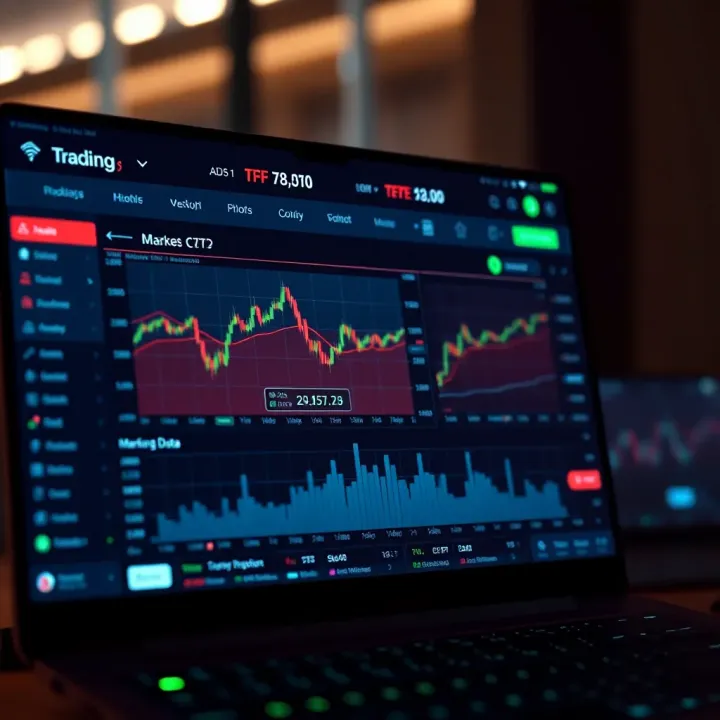
Zerodha's platform, Kite, is known for its fast, clean interface and mobile-friendly design. It supports technical analysis with numerous indicators, real-time charts, and market watchlists, which help traders make timely decisions. Additionally, advanced tools like API access allow tech-savvy users to build customised trading algorithms.
Customer Service and Support
Zerodha maintains a strong presence with email and phone support, but some users note delays during peak market times. However, its educational initiative, Varsity, provides detailed learning material, which reduces dependency on customer support for many retail traders.
Brokerage Plans and Limits
Upstox follows a flat fee model similar to Zerodha, with zero brokerage on equity delivery and ₹20 per trade on intraday and derivatives. The platform offers subscription plans for traders who exceed trading volume limits, helping active traders manage costs.
Platform Usability and Mobile App
Upstox's user interface is intuitive, especially on mobile. Its app offers seamless navigation with quick access to charts and order placement options, making it ideal for traders who rely on smartphones. The platform's speed and responsiveness help execute orders efficiently during market volatility.
Integration with Indian Payment Systems
Upstox integrates with the Unified Payments Interface (UPI), facilitating quick fund transfers for trading accounts without waiting for traditional NEFT/RTGS clearance. This ease of fund movement is convenient, especially for investors wanting to capitalise on short-term market opportunities.
Angel Broking
Angel Broking mixes traditional full-service offerings with discount brokerage pricing. Its ARQ algorithmic trading service provides personalised portfolio suggestions, which is handy for investors looking for guidance without paying hefty advisory fees.
Groww
Groww started as a mutual fund investment platform but has steadily expanded into equities. It offers a simple, clean mobile interface focused on beginners and long-term investors, making stock market entry less daunting.
Motilal Oswal
Motilal Oswal stands out for its research-backed recommendations and robust customer support. While brokerage fees here are generally higher than discount brokers, its comprehensive services suit investors who value expert insights alongside trading.
Picking the right platform depends on your trading frequency, preferred tools, and support level, but knowing the strengths and limits of popular Indian platforms gives a solid start in making that choice.
Effective trading requires more than just capital and luck; smart tools can make a big difference. The right features on a trading platform help you analyse the market, automate trades, and manage risks better. These elements not only save time but also improve decision-making, which is crucial whether you are trading stocks, commodities, or derivatives.
Customisable charts let traders view price movements and market trends in ways that suit their strategies. For example, you can add Moving Averages, Bollinger Bands, or Relative Strength Index (RSI) to spot entry or exit points. Indian traders using platforms like Zerodha Kite or Upstox can tweak charts by timeframe, style (candlestick, line, bar), and technical indicators. This flexibility helps in tailoring technical analysis to match personal preferences or specific trading styles.
Having access to live market data is essential for timely trades, especially in volatile markets like the NSE or BSE. Real-time streaming of prices and volumes ensures you’re reacting to current developments, not yesterday's news. Platforms with delayed or stale data can cause missed opportunities or losses. For example, a quick spike in Reliance Industries' share price may require an instant decision—real-time updates from sources like the National Stock Exchange (NSE) feed ensure you don’t lag behind.
Automation allows traders to execute pre-set strategies without manual intervention. For instance, retail investors can configure simple algorithms on Upstox’s API or Zerodha's Kite Connect to buy shares only when prices hit a certain level. This eliminates the need to monitor screens constantly and helps maintain discipline, avoiding emotional decisions often seen in active trading.
While automated trading can increase efficiency and reduce errors, it brings risks like technical glitches and unexpected market moves. Retail investors should test algorithms thoroughly through demo accounts before live deployment. It's also wise to set safeguards such as stop-loss to limit downside. The benefit lies in executing trades faster than manual methods and sticking to strategies without second guessing, which is valuable in India’s fast-moving markets.
Understanding different order types protects your investments and optimises execution. Market orders ensure immediate buying or selling at the current price but may cause slippage in volatile stocks. Limit orders help you set the exact price you want, preventing surprises but potentially missing trades if the price doesn’t reach that level. Stop-loss orders are vital for risk management by automatically selling shares if prices drop to a pre-decided threshold, capping losses.
Margin trading allows you to use borrowed funds to increase position size, but this can amplify both profits and losses. Leverage should be used conservatively. For example, if you buy shares worth ₹1 lakh with a margin of ₹20,000, your effective exposure rises significantly. Indian traders must check the margin requirements as per SEBI regulations and broker policies, and avoid over-leveraging which can lead to margin calls during market downturns.
Smart use of trading tools and a clear grasp of order types can shape your success in the Indian markets. The platforms offering these features thoughtfully provide a real edge if you use them to your advantage.
Strong customer support and additional services form the backbone of a dependable trading platform. For Indian investors dealing with real-time market shifts and evolving regulations, quick access to help can prevent losses and ease decision-making. Besides immediate assistance, these services often cover educational tools and community engagement, which help traders learn and adapt.
Most leading Indian trading sites offer multiple ways to reach support teams — phone calls, live chat, and email. Phone support is essential for urgent issues, especially when a trade fails or funds get stuck during transfers. For instance, a trader might find their order didn’t execute due to technical glitches; a quick call can often get this sorted faster than waiting for email replies.
Live chat provides a convenient middle ground for hassle-free, real-time help without the need to pick up the phone. Email works well for detailed queries or complaints needing thorough investigation. Having these varied channels lets investors pick what suits their urgency and comfort.
Prompt customer service can literally save money. If an order hangs or margin requirements shift, a delayed response can lead to missed opportunities or margin calls. Consider an investor noticing an unexpected brokerage fee; getting a quick explanation or refund request through support avoids unpleasant surprises that affect returns.
Moreover, fast resolution signals a broker’s reliability. Platforms like Zerodha and Upstox often get praised not just for low fees but also responsive help. On the other hand, slow responses can frustrate experienced traders and newbies alike, undermining trust. Therefore, responsiveness isn’t just about assistance, it reflects a platform’s overall professionalism.
For Indian investors — whether freshers or seasoned — having educational materials on trading concepts, new market trends, and platform-specific guides helps immensely. Webinars led by market experts provide timely insights and live Q&A, making complex topics digestible.
Besides live sessions, a well-maintained FAQ section and step-by-step tutorials support continuous learning. Groww, for example, offers clear tutorials on mutual funds and stocks that help users grasp basics without extra costs. Such resources boost investor confidence and reduce dependency on support for routine issues.
Community forums and social media groups create spaces where investors share tips, experiences, and updates about trading platforms. For example, an active user forum on Angel Broking’s website allows traders to troubleshoot common challenges and discuss market movements collaboratively.
Active social media profiles also keep users informed about software updates, outage notices, and promotional offers. Engaged communities often lead to better user retention and satisfaction since individuals feel supported beyond official support channels.
When choosing a trading site, look beyond fees and tools; reliable support and strong educational services can make your trading smoother and less stressful.
Making the most of your trading platform goes beyond just picking the right site. Understanding how to navigate it smartly, keep costs in check, and protect your information makes a big difference to your investment success. Here are practical tips that help you trade more confidently and efficiently.
Most trading platforms offer demo accounts or trial periods to new users. These let you practise trading using virtual money without risking real funds. For example, Zerodha’s Kite platform provides a simulated environment where you can familiarise yourself with its interface and features. Using demo accounts helps you understand order types, charts, and execution speed before committing actual capital.
Trying a platform first also helps spot any usability issues or glitches. You can see how intuitive the app feels on your mobile or desktop and whether its tools meet your needs. This step reduces surprises and builds trading confidence, especially critical for beginners.
Understanding market data is key to smart trading decisions. Indian platforms like Upstox or Angel Broking provide real-time market updates, volumes, and price movements, but recognising what numbers mean takes practice. Start by focusing on essential indicators like volume spikes, price trends, and support/resistance levels.
You might start by tracking the Nifty 50 index movements and observing how specific news affects stock prices. Over time, interpreting this data becomes second nature, helping you spot opportunities or risks swiftly. Since market data can move fast, learning to read it effectively prevents missed chances or costly errors.
Brokerage fees can silently eat into your profits if you overlook them. Different sites have varied fee models — Zerodha uses flat ₹20 per trade while others may charge a percentage. If you're a frequent trader, those charges add up quickly.
Keep a log of how much you pay in brokerage and associated costs like GST or Securities Transaction Tax (STT). Comparing monthly expenses against your gains helps you spot when fees reduce your net returns too much. Adjusting your trading frequency or choosing a more cost-efficient platform can preserve more of your money.
Many Indian trading sites run offers to attract new users. These may include zero brokerage for first few months, waived account opening charges, or cashback on trades. Platforms like Groww and Motilal Oswal occasionally provide festive season deals.
Take advantage of these promotions but read terms carefully—some discounts apply only to specific segments like equity delivery trades. Using such offers strategically lowers your initial costs and boosts your overall return as you get accustomed to the platform.
Your trading account holds sensitive financial data, so secure login details are a must. Use strong passwords combining letters, numbers, and symbols. Avoid using the same password across accounts, and update passwords periodically, especially if you suspect any breach.
Always enable two-factor authentication (2FA) when available. Many platforms support 2FA via SMS OTP or authenticator apps. This extra step prevents unauthorised access, safeguarding your investments from potential hackers.
Fraudsters often try to trick traders into revealing personal information via fake emails, messages, or calls mimicking trading companies. For instance, they may ask for OTPs or bank details under the pretext of account verification.
Be cautious of unsolicited communications. Always verify URLs and app sources before logging in. Genuine platforms never ask for full passwords or OTPs. If you receive suspicious contact, reach out directly to your broker’s official customer support to confirm. Staying alert to phishing attempts helps keep your funds and data safe.
Regularly reviewing your trading approach with these tips ensures you avoid common pitfalls and protect your investments. Being curious, cautious, and cost-conscious is the way to go for successful online trading.
📱 Find the ideal trading phone in India with top processing power, sharp display, long battery life, and reliable connectivity for seamless market updates and app performance.

📈 Explore how demo stock trading apps help Indian investors practise without risk, learn strategies, and pick the right platform before trading live markets.
🤖 Discover how bot trading automates financial market trades for faster, efficient decisions. Explore benefits, risks, tech insights, and Indian regulations.

📈 Explore Floki cryptocurrency’s price trends, expert insights, and risks to help Indian investors make informed choices in this trending meme coin market.
Based on 14 reviews