
Gold Price Forecast in India by 2030
🔮 Explore the future of gold prices in India by 2030 with analysis of economic trends, demand-supply shifts, global influences, and policy impacts for informed investing.
Edited By
Emily Dawson
Gold remains a cornerstone of investment and savings for millions of Indians, holding cultural significance beyond its financial value. Understanding its price trajectory up to 2050 offers valuable guidance for investors, traders, and analysts aiming to navigate India’s dynamic economic landscape.
India’s gold price movements hinge largely on domestic demand, global economic shifts, inflation trends, and currency fluctuations, especially the strength of the rupee against the US dollar. Historically, gold prices have risen during inflationary periods and geopolitical unrest, acting as a hedge against economic uncertainty.
In practical terms, investors should keep an eye on factors such as India's current account deficit, inflation data released by the Reserve Bank of India (RBI), and international gold demand, especially from markets like China and the US. These influences directly shape price behaviour and investment returns.
Gold’s role as a safe haven becomes particularly relevant during currency depreciation or high inflation, both conditions India occasionally experiences. Staying updated with macroeconomic indicators helps anticipate price shifts.
Key elements shaping gold prices to 2050 include:
Inflation and Interest Rates: Elevated inflation often pushes investors towards gold. RBI’s future policies on repo rate adjustments will directly affect returns on alternative assets, influencing gold’s appeal.
Global Economic Trends: Events such as US Federal Reserve decisions or geopolitical tensions can cause price volatility. These external shocks sometimes push Indian investors towards gold, boosting local demand.
Technological and Industrial Usage: Changes in electronics and medical industries’ gold consumption could marginally impact prices, though jewellery demand remains dominant in India.
Supply Constraints: Gold mining outputs tend to be steady, but processed gold availability and import duties could shift prices locally.
These factors combined frame a complex but traceable pattern. For financial professionals, combining macroeconomic analysis with historic price data provides the best lens to forecast and plan investments over the coming decades.
Understanding these influences early on helps traders and brokers advise clients wisely, while investors can optimise portfolios for long-term stability and growth. The subsequent sections will examine these trends and their likely impact with detailed data and actionable insights.
Understanding the historical movements of gold prices in India offers valuable insights for predicting its future trends. This section highlights long-term price behaviours and the influence of key economic events, laying a strong foundation for investors, traders, and analysts to gauge where gold might head by 2050. Knowing how gold responded in past decades helps build more grounded expectations amidst present volatility.
Gold prices in India have generally shown an upward trajectory over the last several decades, driven by inflation, currency fluctuations, and changing demand patterns. For instance, between 1990 and 2020, gold prices increased from around ₹3,000 per 10 grams to over ₹45,000, representing steady growth despite short-term dips. This growth reflects gold’s role as a hedge against inflation and currency depreciation, especially notable during periods of high inflation in the early 1990s and the slowdown in rupee value.
Price surges often coincide with global economic uncertainty, as seen during the 2008 financial crisis when gold prices jumped sharply in India due to increased investor interest. Moreover, the liberalisation of the Indian economy in 1991 set a new phase where gold transitioned from a purely cultural asset to also being an investment vehicle. Such long-term patterns show how gold adapts as both a store of value and a speculative asset.
Major events like demonetisation in 2016 had ripple effects on gold demand and prices. Sudden cash shortages pushed many towards buying gold, perceived as a safe asset, leading to temporary price rises. Similarly, the 2013 taper tantrum by the US Federal Reserve caused rupee depreciation and thus pushed gold prices higher in India.
Government policies, import duties, and taxation changes also influence price movements profoundly. For example, the hike in import duty on gold from 10% to 12.5% in 2013 increased domestic gold prices beyond the international benchmark, affecting buying patterns. The introduction of the Goods and Services Tax (GST) in 2017, which set gold tax at 3%, also altered investment dynamics.
Historical gold price data reflects not only market fundamentals but also socio-political events unique to India. An informed investor should closely watch these economic markers to understand price shifts better.
These historical insights establish that gold price trends in India are rarely isolated from wider economic and policy developments. For analysts and investors aiming to forecast prices up to 2050, recognising these connections between economic events and market reactions is essential to crafting realistic models and strategies.
Understanding the factors that shape gold prices in India is essential for investors, traders, and analysts aiming to forecast trends up to 2050. These factors determine the supply-demand balance, cost dynamics, and investment appeal of gold. Specific elements like inflation, currency fluctuations, global market events, and cultural demands markedly influence prices. Let’s examine these in detail.
Inflation in India directly affects gold prices, often pushing investors towards gold as a hedge when traditional assets falter. For instance, during periods of rising Consumer Price Index (CPI), such as in FY 2022-23 when inflation crossed 7%, gold buying tends to surge as a protective asset. Concurrently, the Indian rupee’s value against the US dollar plays a critical role. A weakening rupee makes gold imports costlier, leading to higher local prices. For example, the rupee depreciated beyond ₹75 per dollar in mid-2023, pushing gold prices upwards. Traders closely watch RBI monetary policies and forex reserves as they impact rupee stability, thereby influencing gold costs.
Gold is a global commodity, so international market trends heavily impact Indian gold prices. Price shifts on the London Bullion Market Association (LBMA) and COMEX set global benchmarks. During geopolitical tensions, like the Russia-Ukraine conflict starting 2022, gold prices spiked globally due to safe-haven demand. Such events cause ripple effects in India’s pricing. Additionally, interest rate decisions by the US Federal Reserve affect investor flows; rising rates tend to lower gold appeal, while cuts boost it. Traders and investors should monitor not just global politics but currency moves, inflation rates abroad, and trade tensions that influence gold demand worldwide.
India’s unique cultural fabric significantly shapes gold demand. Festivals like Diwali and wedding seasons from October to February see heightened buying, often spiking prices in these months. For many Indian households, gold is not only investment but a status symbol and part of rituals. States like Punjab and Rajasthan exhibit particularly strong demand during wedding seasons. Seasonal variations also correspond with monsoon patterns; poor harvests may reduce rural gold purchases, influencing demand cycles. Understanding these patterns benefits investors aiming for timely entry or exit and traders intending to capitalise on seasonal volatility.
Gold prices in India result from a complex interplay of economic indicators, global events, and cultural rhythms. Tracking these factors can provide valuable insight for anticipating long-term trends.
Inflation and rupee performance affect import costs and investor behaviour
Global geopolitical risks and interest rates influence global gold benchmarks
Indian festivals and wedding seasons create predictable demand spikes
A clear grasp of these factors helps in making smarter investment and trading decisions, especially when planning for gold price trajectories towards 2050.
Forecasting gold prices until 2050 is vital for investors and finance professionals who want to make informed decisions over the long haul. Unlike short-term fluctuations driven by temporary shocks, long-term forecasts account for broader economic trends, inflation expectations, and shifts in demand patterns. This section provides insights into how factors like India's economic growth, inflation trends, technological progress, and evolving investment behaviour will shape gold prices in the coming decades.
India's economic growth rate remains a key driver for gold demand and prices. A steady GDP growth averaging 6-7% annually would increase disposable incomes, especially among the middle class, leading to higher gold purchases for both investment and jewellery purposes. On the flip side, inflation tends to erode the value of fiat currency but bolsters gold's appeal as a hedge. With inflation in India often hovering around 4-6%, gold historically has provided protection by preserving purchasing power.
Consider India’s experience during high-inflation periods such as the early 2010s, where gold prices surged reflecting concern over currency depreciation. If inflation expectations rise over the next two decades, gold prices could follow suit, potentially increasing at a rate higher than nominal GDP growth. However, periods of subdued inflation or strong rupee appreciation may temper these gains. Hence, forecasting must balance both growth and inflation trajectories to chart realistic gold price paths.
Technology and changing investor habits will also influence gold’s price dynamics. Digital platforms have made gold investing more accessible through options like digital gold and gold exchange-traded funds (ETFs). The rise of UPI and mobile wallets in India means retail investors can easily allocate parts of their portfolio into gold without physical storage hassles. This trend could boost demand, especially among younger investors.
Moreover, new technologies around gold trading algorithms, online gold loans, and fractional ownership are shifting investment patterns. For example, the emergence of regulated digital gold backed by real gold stored in secure vaults may increase liquidity and transparency in the gold market, potentially reducing price volatility.
Forecasting gold prices requires integrating economic fundamentals with how innovations transform investor behaviour. Ignoring these aspects risks missing crucial shifts that could alter gold’s role as a safe asset.
In summary, while traditional drivers like economic growth and inflation shape the broad contours of gold prices, technological advances and evolving investment trends will add fresh dimensions to gold’s trajectory in India up to 2050. Staying vigilant to these factors helps investors position their portfolios for long-term resilience and gains.
Investing in gold for the long term needs careful thought about various factors that affect returns, safety, and liquidity. Unlike short-term speculation, long-term gold buyers must consider storage, ease of buying and selling, and how gold fits into their overall portfolio. Understanding these aspects helps in making informed decisions that protect and grow wealth over decades.
Physical gold remains the most traditional form of investment in India, beloved for its tangibility and cultural value. However, it comes with costs like safe storage, security concerns, and making charges when buying jewellery. For instance, when someone purchases ₹5 lakh worth of gold jewellery, making charges can add 5-10%, impacting the effective investment. Safe lockers in banks or at home add further expense.
Digital gold, offered by platforms such as Paytm, Google Pay, and MMTC-PAMP, allows investors to buy gold without physical delivery. It offers easy liquidity, lower transaction costs, and eliminates storage worries. Investors can buy small quantities starting from ₹1 and sell instantly, making it ideal for those wanting flexibility.
Gold Exchange Traded Funds (ETFs) listed on NSE or BSE provide a regulated, seamless route to invest in gold without any physical handling. They combine benefits of stock market trading and gold prices, making entry and exit simple. However, ETFs may attract fund management fees, and liquidity depends on market volume.
| Aspect | Physical Gold | Digital Gold | Gold ETFs | | --- | --- | --- | --- | | Ownership | Physical | Electronic | Electronic | | Storage Cost | High | None | None | | Liquidity | Low | High | High | | Additional Fees | Making charges, security | Minimal platform fees | Fund management fees |
Gold is often seen as a hedge against inflation and currency depreciation. Over decades, it tends to preserve value even when paper assets falter. For example, during periods of high inflation in India, gold prices historically rose, reflecting its safe-haven status.
Still, gold prices can be volatile due to global factors like geopolitical tensions and currency fluctuations. Indian investors may face risks from regulatory changes on gold imports or duties, which can spike prices unpredictably.
Besides price risks, physical gold faces issues such as theft or deterioration if not stored properly. Digital gold and ETFs reduce these concerns but are subject to platform reliability and market risks.
On the rewards side, gold can diversify portfolios, balancing equity and debt risks, especially during market downturns. Long-term gold investments typically show steady appreciation, aligned with inflation, making it a preferred asset for retirement or financial goals spanning decades.
Wise gold investors balance ownership types, diversify holdings, and stay alert to market signals to navigate risks effectively while enjoying gold’s enduring value.
Choosing between physical, digital, or ETF gold depends on individual priorities—be it cultural attachment, ease of trade, or cost efficiency. Recognising risks and rewards helps you plan smartly for gold investment stretching to 2050 and beyond.
Understanding uncertainties and challenges is essential for anyone tracking gold prices up to 2050. Predicting gold’s trajectory is never straightforward, owing to factors such as regulatory shifts and unpredictable global events that can cause sudden price swings. A clear grasp of these challenges helps investors and analysts prepare better, managing risks effectively.
Government regulations significantly impact gold demand and prices in India. For example, the imposition of higher import duties or strict rules on gold jewellery hallmarks can dampen consumer appetite in the short run. In recent years, the government introduced the Sovereign Gold Bond (SGB) scheme to offer investors an alternative to physical gold, influencing traditional buying patterns.
Changes in taxation policies also matter. If the government increases the Goods and Services Tax (GST) on gold, this could push consumers towards alternative assets like digital gold or gold exchange-traded funds (ETFs). Conversely, easing restrictions on gold imports or simplifying compliance procedures may boost physical gold sales.
Policy clarity around gold loans, which support liquidity for small businesses and farmers, also affects market perception. Any tightening of credit norms might reduce gold’s liquidity advantage, affecting prices indirectly.
Investors should track government announcements closely, as even minor policy adjustments can shift gold’s supply-demand balance.
Gold traditionally acts as a safe haven during economic uncertainty, but extreme market volatility can create erratic price behaviour. The COVID-19 pandemic showed how sudden crises disrupt global supply chains and trigger rapid demand shifts in commodities, gold included. While prices climbed sharply during the peak of uncertainty, swift rebounds or dips followed once markets stabilised.
Geopolitical tensions, such as conflicts or trade wars involving key economies like the US or China, can cause unpredictable gold price movements. For instance, rising inflation in the US or sudden foreign exchange swings in emerging markets like India often lead to speculative spikes or drops.
Such global shocks also highlight the risk of liquidity crunches in gold markets, especially digital gold platforms or ETFs, where investor exits may reflect panic selling rather than fundamental value changes.
Market players should maintain flexibility and diversify portfolios to cushion against these unknown shocks. Developing a risk management framework that considers such black swan events will be key for long-term gold investors.
In summary, the future of gold prices in India hinges on how regulatory environments evolve and how global crises unfold. Keeping abreast of these uncertainties equips you to better navigate the gold market’s complexities.
🔮 Explore the future of gold prices in India by 2030 with analysis of economic trends, demand-supply shifts, global influences, and policy impacts for informed investing.
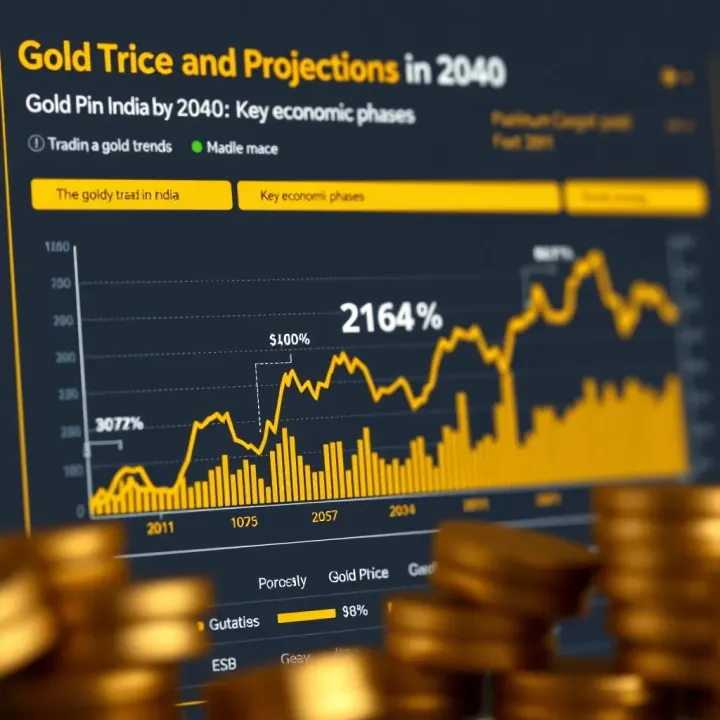
Discover India's gold price forecast for 2040 💰, exploring trends, key economic and geopolitical factors shaping future valuations for savvy investors.
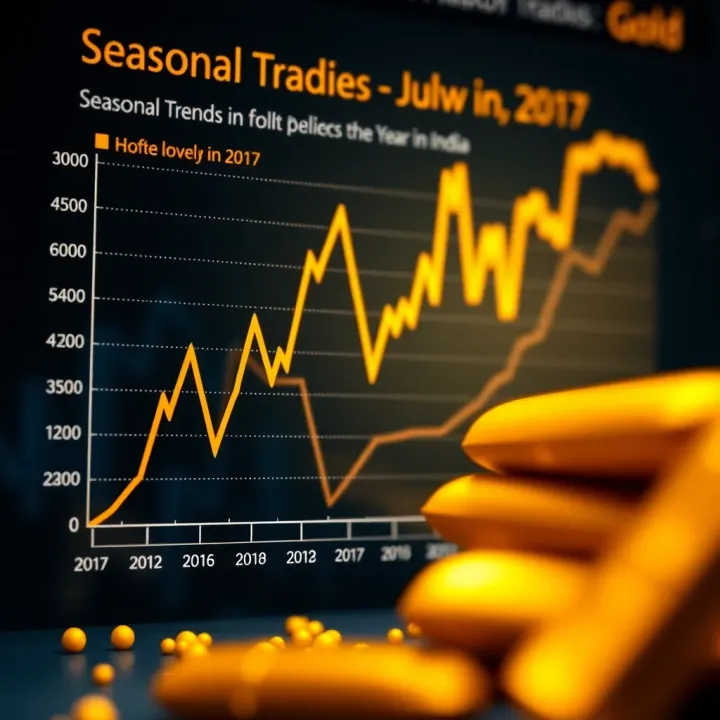
Discover the best month to buy gold at the lowest price in India. Learn how festivals, demand, and global trends affect prices to save ₹ and invest wisely 💰📅
Explore gold price forecasts 📈 by analysing trends, economic indicators, market sentiments & global events impacting rates. Get expert insights for savvy investing 💰.
Based on 11 reviews