

Gold Price Forecast in India by 2030
🔮 Explore the future of gold prices in India by 2030 with analysis of economic trends, demand-supply shifts, global influences, and policy impacts for informed investing.
Edited By
Elizabeth Gray
Gold has long held a special place in Indian culture, symbolising wealth and security. For traders, investors, and finance professionals alike, timing purchases to capitalise on lower prices can offer significant financial advantages.
Gold prices in India don’t remain steady throughout the year. They shift due to a mixture of domestic demand, global supply chains, currency fluctuations, and key occasions such as festivals and wedding seasons. Typically, demand spikes around festivals like Dhanteras and Diwali, pushing prices upward. On the other hand, months with reduced buying activity often bring slumps in prices.

Understanding these seasonal patterns helps buyers pick a better month to buy gold and avoid premium costs. For example, after the wedding season cools down, usually post-October and November, prices tend to ease. Similarly, gold often dips in prices during the monsoon months when consumer spending slows.
Seasonal trends in India are a major factor in gold pricing, making certain months clearly better for buyers seeking lower costs.
Here are some practical points Indian finance professionals and investors should note:
Festive season demand pushes prices up sharply between September and November.
Post-festival months, particularly December through February, often see a price drop.
Global gold prices influenced by US dollar strength and international demand also affect local rates.
Rupee fluctuations can directly impact the rupee price of gold given India’s heavy reliance on imports.
Analysing these elements collectively can offer a useful guide to timing purchases smarter.
In the sections ahead, you’ll find deeper insights on monthly price trends, key factors driving cost changes, and tips to maximise value when buying gold in the Indian market.
Understanding seasonal trends in gold prices is crucial for investors and traders in India. Gold prices rarely stay constant throughout the year; they fluctuate based on various factors like demand, festival seasons, and global developments. Knowing when gold typically costs less can help you time your purchase better and save significantly.
Gold prices in India show distinct month-to-month variations. Generally, prices tend to rise during festival seasons and wedding periods when demand shoots up. For example, around Diwali and Akshaya Tritiya, demand spikes as these are considered auspicious times for buying gold, pushing prices higher. Conversely, in months like May or June, when demand is relatively low due to the heat and fewer festivals, prices often dip.
Historical data backs this pattern. Over the past decade, prices have shown a mild downward trend in the summer months, then pick up again starting September till the end of the year. This cycle relates to consumer behaviour and seasonal buying habits. For investors, tracking these fluctuations helps in planning purchases and managing risk.
Months like May, June, and July often record lower gold prices. This period is away from the main buying seasons, typically regarded as an off-season. With reduced consumer interest, jewellers may offer competitive prices, and international bullion rates also experience slight corrections, resulting in a lower price point locally.
By contrast, peak demand usually happens from September to November, coinciding with major festivals and the wedding season. During this time, prices often rise by 5-10%, partly due to increased local demand and sometimes higher making charges from jewellers anticipating strong sales. Comparing these periods, buying in off-season months can yield noticeable savings, especially for larger purchases.
Timing your gold purchase by tracking seasonal trends can help reduce arbitrage risk and enhance returns for both short-term traders and long-term investors.
In summary, focusing on off-peak months like May through July offers the best chance to buy gold at lower prices in India. Keeping an eye on historical price trends year-on-year and understanding the cyclical demand shifts is key to making informed gold investment decisions.

Understanding the factors that influence gold price movements is essential for investors and traders aiming to time their purchases well. Prices don't just fluctuate randomly; they respond to predictable demand cycles, economic shifts, and policy changes. Keeping an eye on these elements can help you anticipate when gold might hit its lowest, allowing you to buy more profitably.
Increased demand during Diwali and Akshaya Tritiya: These festivals mark key occasions when Indians traditionally buy gold, often as an investment or a gift. Diwali, usually falling in October or November, and Akshaya Tritiya in April or May, see a surge in demand. Retailers often report a spike in gold purchases during these months, pushing prices higher. If you're looking for lower prices, it's better to avoid buying gold in these months due to increased demand and potential price premiums.
How wedding season affects prices: The Indian wedding season, typically between November and February, is another peak period for gold buying. Families purchase gold jewellery in significant quantities, which drives up overall demand. This surge often reflects in spot gold prices and making charges. For sellers and traders, this upward trend is typical, but for buyers aiming for a bargain, postponing purchases outside this season might be beneficial.
Effect of international gold markets: Gold prices in India are closely linked to global markets, especially the London Bullion Market and COMEX in the US. Changes in these international prices impact India after factoring exchange rates and import duties. For example, if global gold prices fall due to reduced geopolitical tensions or stronger economies, Indian gold prices tend to follow, offering a window to buy at lower prices.
Currency fluctuations and inflation trends: The Indian rupee's strength against the US dollar plays a crucial role in gold pricing. When the rupee weakens, gold imports become costlier, pushing prices up domestically. Inflation also affects gold demand since investors often turn to gold as a hedge during rising inflation. Monitoring rupee-dollar rates and inflation data can give practical insights into when prices might ease.
Role of import duties and GST: The government imposes import duties and Goods and Services Tax (GST) on gold, which directly influence retail prices. For instance, a rise in import duty increases the cost of buying gold from abroad, which filters down to consumers. Currently, GST on gold jewellery stands at 3%, but making charges attract an additional 5%. Having knowledge of any changes announced in the Union Budget or Finance Ministry statements can help you plan purchases before potential tax hikes.
Impact of RBI monetary policy: The Reserve Bank of India's (RBI) decisions on interest rates and monetary policy also affect gold prices. When the RBI hikes rates to curb inflation, fixed income investments become more attractive, reducing gold's appeal and sometimes bringing prices down. Conversely, rate cuts might push investors towards gold as a safer asset. Keeping an eye on RBI monetary policy updates is thus key for timing your gold purchases effectively.
Tracking these factors together — festivals, global cues, currency moves, and government policies — offers a more complete picture. This approach supports informed decisions rather than just relying on historical price patterns or hearsay.
Understanding strategies to buy gold at the best prices helps traders and investors optimise their returns and manage risks effectively. In India, gold’s price fluctuates due to various domestic and global factors, so well-timed buying coupled with informed choices can mean substantial savings and better investment outcomes.
Digital platforms like the India Bullion and Jewellers Association (IBJA) price index or apps from MMTC-PAMP provide real-time gold prices. These tools allow you to track daily price movements and historical trends easily from your mobile or desktop. For instance, utilising an app that sends alerts when gold hits a certain price can prevent impulsive buying and ensure you purchase at or near low points.
Relying on trustworthy sources such as the Multi Commodity Exchange (MCX) data, RBI reports, or established business news outlets ensures you get accurate price information. Regularly reviewing such data helps you spot patterns—like price dips after the wedding season or during monsoons—enabling smarter timing of purchases rather than reacting to rumours or incomplete info.
Empirical data shows gold prices tend to drop between July and September, as demand falls post-wedding season and before Diwali. Buying during these months allows investors and jewellers to avoid peak pricing during high-demand festivals. For example, an investor who bought gold ETFs in August saved nearly ₹1,000 per 10 grams compared to prices in October.
Waiting for prices to drop may backfire if unforeseen events push gold higher. Global tensions, currency devaluation, or unexpected demand hikes can cause sudden price surges. Traders postponing purchase until a predicted low point might end up paying more later, negating potential gains.
Physical gold jewellery appeals due to its cultural value and use in gifting, but it comes with making charges and purity concerns. Gold Exchange Traded Funds (ETFs) or Sovereign Gold Bonds (SGBs) offer cost efficiency and liquidity without storage worries. For investors seeking lower transaction costs and ease of sale, ETFs and SGBs suit better, while jewellery suits those prioritising possession and tradition.
When buying physical gold, purity standards like 22-carat or 24-carat matter, as higher purity typically costs more but holds value better. Making charges can inflate the price—some jewellers charge 8-12% extra—which affects the overall cost and resale value. Bargaining or opting for simpler designs helps reduce these costs without compromising too much on style.
Keeping track of prices regularly, choosing the right purchase time, and selecting the appropriate gold form are practical steps that can save thousands of rupees and reduce unnecessary risk for investors and traders alike.
Buying gold in India involves more than just watching prices—it requires practical approaches to get genuine value. Negotiating making charges, choosing trusted sellers, and considering investment routes like Systematic Investment Plans (SIPs) can make a real difference to your overall cost and security. These tips focus on helping you avoid pitfalls and make the most of your gold purchase.
Making charges often confuse buyers, as they vary widely between jewellers and can add significantly to the final bill. It's common to negotiate these charges, especially when purchasing jewellery rather than bullion coins or bars. For example, asking for a discount on making charges during the festive season or opting for plain designs can reduce extra costs considerably.
Understanding transparent pricing means knowing the exact breakdown—how much is pure gold value, making charges, GST, and other taxes. Reputable jewellers usually provide an itemised bill, so compare these details across dealers. Transparency helps prevent surprises and gives leverage for bargaining.
Certification and authenticity must never be ignored. Look for hallmark certification by Bureau of Indian Standards (BIS), which assures gold purity. Avoid casual sellers or street vendors without certification, as counterfeit or impure gold can result in losses.
Digital platforms like MMTC-PAMP, a joint venture between India's MMTC and Switzerland's PAMP, offer certified gold bars and coins with verified purity, backed by secure online purchase and delivery. Verified jewellers with online presence also offer ease of comparison and better post-sale support, increasing buyer confidence.
SIP in gold allows you to invest small amounts regularly rather than buying lumpsum. This works well for long-term investors who want to build a gold portfolio without worrying about timing the market perfectly.
By spreading investments through SIP, you smooth out price volatility. For example, when gold prices dip, your SIP buys you more gold units; during peaks, fewer units. Over time, this average cost approach reduces risk of making a single high-price purchase, especially in the fluctuating Indian gold market.
Keeping practical tips in mind helps you not only buy gold at better prices but also ensures authenticity and secure investment, protecting your hard-earned money effectively.
🔮 Explore the future of gold prices in India by 2030 with analysis of economic trends, demand-supply shifts, global influences, and policy impacts for informed investing.
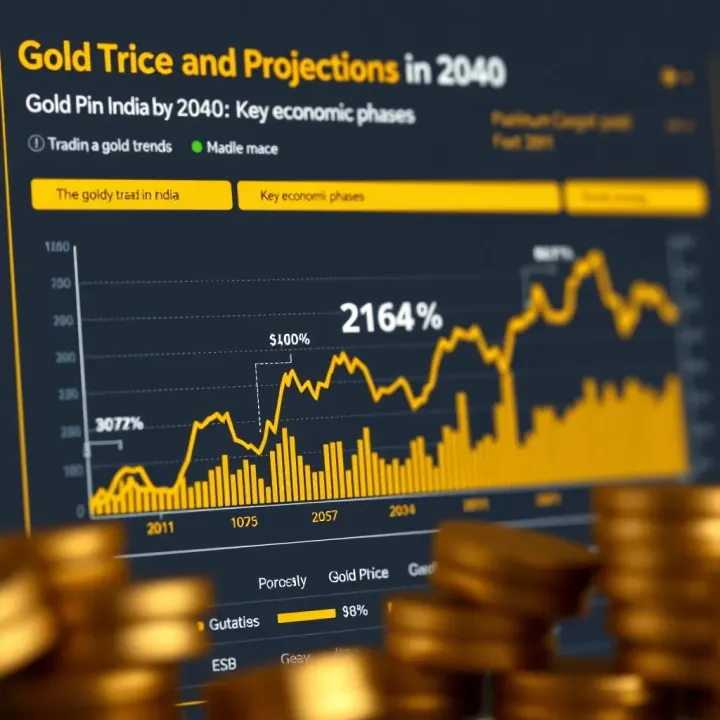
Discover India's gold price forecast for 2040 💰, exploring trends, key economic and geopolitical factors shaping future valuations for savvy investors.

📊 Understand auction coin price trends with detailed insights on market dynamics, rarity, demand, and technology for Indian investors and collectors seeking smart forecasting.

Explore bitcoin price predictions in India by 2030 📈. Understand key factors like regulations, tech, adoption, and economic shifts shaping future prospects.
Based on 5 reviews