

Reliance Share Price Outlook 2030
📈 Explore Reliance Industries' share price outlook for 2030, key growth drivers, market challenges, expert predictions, and what investors should watch closely.
Edited By
Emily Dawson
Gold occupies a unique position in India, serving as both a cultural symbol and a financial asset. Predicting its price by 2030 involves understanding a mix of local demand, global economic conditions, and policy shifts that influence its valuation.
India is the world's largest consumer of gold, with households traditionally investing heavily in jewellery and bullion. Changes in income levels, urbanisation, and shifts in consumer behaviour affect demand, while government rules on import duties and jewellery hallmarking also play a role in pricing.
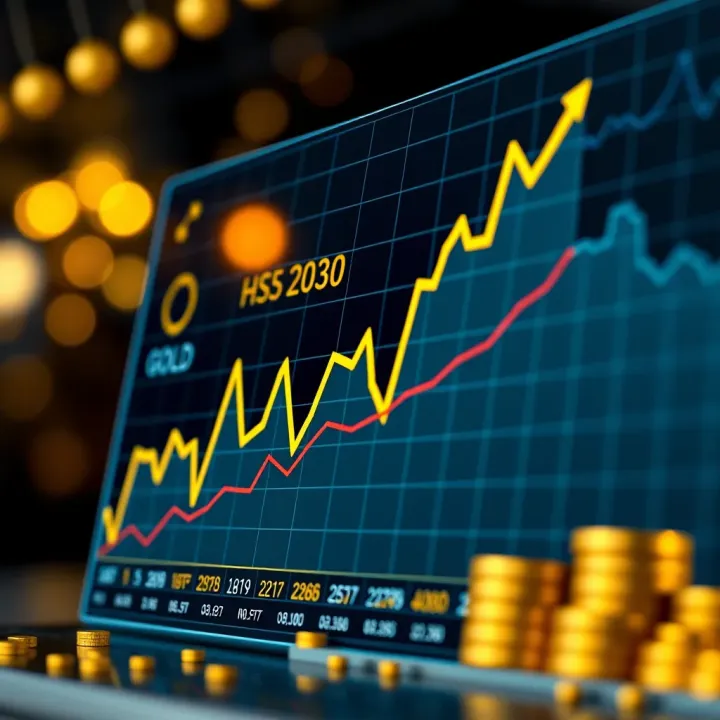
Internationally, gold prices respond to factors such as US dollar strength, geopolitical tensions, and interest rates. For example, whenever the US Federal Reserve changes the repo rate or political unrest erupts globally, gold often acts as a safe haven, pushing prices up.
Furthermore, supply-chain elements including mining output and recycling impact availability. India largely depends on imports, so fluctuations in global production or logistics disruptions can ripple through domestic pricing.
For investors and traders, understanding these intertwined factors is key to forecasting gold prices effectively over the next decade.
Economic indicators like inflation rate, exchange rate (₹/$), and crude oil prices also directly affect gold's appeal as an investment or hedge. Inflation generally boosts gold prices since it preserves value more than fixed income instruments.
Key features to watch:
Demand from rural and urban buyers: Festivals and weddings significantly influence jewellery purchases.
Government policies: Changes in import duty, GST on gold, and restrictions can cause price swings.
Global macroeconomic climate: Crises or recovery phases sway investor preference for gold.
Currency movements: ₹ depreciation against the dollar tends to raise gold prices domestically.
With these components in mind, this article aims to equip traders, analysts, and investors with practical insights into what shapes India's gold market and how to approach its price forecasting until 2030.
Understanding the trends in gold prices in India is essential for traders, investors, and financial professionals preparing for the market outlook up to 2030. Gold has traditionally been both a luxury asset and a safety net for Indian households. This section sets the stage by tracing key historical movements and recent shifts, offering insights that help anticipate future price behaviour.
Price fluctuations over the last two decades have witnessed significant ups and downs, reflecting both global and domestic conditions. Around the early 2000s, gold was priced roughly at ₹4,000 per 10 grams. It surged past ₹30,000 by 2012, driven by global economic crises and rising investor demand in India. The period between 2018 and 2022 saw renewed volatility, with prices hitting over ₹55,000 due to pandemic effects and geopolitical tensions. For investors, recognising these patterns is crucial to time entries and exits, balancing risk with opportunity.
Impact of global events on Indian gold prices has been profound. For example, the US financial crisis in 2008 led to a flight towards gold as a safe haven, pushing prices sharply higher in India. Similarly, geopolitical events such as the Ukraine conflict in 2022 created global uncertainty, driving up gold prices domestically. Indian gold prices effectively mirror international market trends while accounting for local factors like currency fluctuations and import duties. Awareness of such external shocks helps market participants anticipate sharp changes.
Correlation between gold prices and inflation rates in India offers another key perspective. Gold has long been viewed as a hedge against inflation. When inflation rises, the purchasing power of currency declines, prompting investors to shift towards gold to preserve wealth. For instance, during periods of rising Consumer Price Index (CPI) inflation in the mid-2010s, gold demand saw a noticeable uptick. Understanding this relationship allows traders to strategise better around inflationary cycles and central bank policies.
Effects of the COVID-19 pandemic on gold demand were quite distinct. Initially, lockdowns disrupted physical retail and jewellery buying in India, slowing demand. However, as uncertainty grew, investors flocked to gold for security. The pandemic boosted interest in gold-backed financial products, and prices hit record highs around 2020-21. This phase highlights how market disruptions can pivot demand from traditional channels to financial instruments.
Changing consumer behaviour and investment patterns reflect a gradual shift from physical gold to digital and financial formats. Younger investors in metro cities prefer gold exchange-traded funds (ETFs) and digital gold over heavy jewellery purchases. Seasonal demand during festivals and weddings persists but is complemented by investment-driven buying. This trend signals a maturing market where gold serves both lifestyle and portfolio diversification needs.
Role of digital gold and online platforms has become increasingly important in the last few years. Platforms like Paytm Gold, Google Pay, and MMTC-PAMP allow buyers to purchase gold in small quantities with ease and safety, without storing physical metal. This convenience increased accessibility, especially among millennials and tier-2 city investors. As digital adoption rises, traders and analysts need to factor in this structural shift in demand creation.
Grasping historical and recent trends in gold pricing provides a solid foundation to interpret future movements, especially when combined with evolving economic and geopolitical contexts.
Understanding the factors influencing gold prices in India is essential for investors aiming to navigate the metal’s market through 2030. Price movements respond not just to local economic conditions but also to shifts in global markets and unique demand-supply patterns specific to India. Considering these elements helps investors make informed decisions and anticipate possible price trajectories.
Inflation directly impacts gold prices because rising prices often prompt investors to seek assets that store value well. In India, periods of high inflation usually see increased demand for gold as a hedge, pushing prices up. Moreover, the Indian rupee’s value against the US dollar affects gold costs for Indian buyers – a weaker rupee means imports cost more, driving local prices higher. For example, during bouts of rupee depreciation in recent years, gold prices have witnessed upward pressure despite relatively stable global prices.
The Reserve Bank of India (RBI) shapes interest rate policy that indirectly influences gold investments. When interest rates rise, fixed-income instruments become more attractive relative to non-interest-bearing gold, often leading to subdued gold demand. Conversely, lower rates reduce opportunity costs, increasing gold’s appeal. RBI's monetary policy decisions, especially repo rate changes, thus play a strategic role in gold price movement. Investors need to watch policy statements closely since unexpected rate changes can quickly shift the market mood.
India’s fiscal health affects overall economic confidence, influencing gold prices too. Rising fiscal deficits can stoke inflation fears or lead to currency depreciation, both of which typically support gold prices. For instance, government spending spikes without corresponding revenue often signal macroeconomic instability, nudging investors towards gold as a safe store of wealth. Monitoring budgetary announcements and fiscal deficits gives key signals about potential gold price trends.

Gold predominantly trades in US dollars globally. When the dollar strengthens, gold prices usually fall in dollar terms due to costlier valuations for holders of other currencies. However, the impact on Indian prices also hinges on the rupee-dollar exchange rate. For example, if the US dollar gains but the rupee weakens significantly, Indian gold prices might still climb. Investors tracking gold must keep an eye on dollar index movements and currency trends concurrently.
Conflicts, trade wars, or political unrest often stoke uncertainty, enhancing demand for safe-haven assets like gold. Geopolitical flashpoints, such as tensions in the Middle East or US-China trade friction, historically push gold prices higher. Since India depends heavily on gold imports, such surges can lead to sharp local price spikes. Staying informed about global tensions helps investors anticipate sudden price jumps.
Rising inflation worldwide often triggers tightening by major central banks, influencing gold’s attractiveness. Higher global inflation can elevate gold’s appeal as a store of value, boosting demand. Yet, aggressive interest rate hikes to contain inflation may have the opposite effect by making yields on bonds and deposits more enticing. Tracking policies of the US Federal Reserve, European Central Bank, and others provides clues on how gold prices may respond.
India’s cultural calendar heavily influences gold demand. Festivals like Diwali and Dhanteras and wedding seasons generate significant spikes as consumers traditionally buy gold jewellery. This surge drives short-term price increases annually. Traders must factor these cyclical patterns into their strategies, especially as urbanisation and changing consumer habits sometimes shift timing and scale of purchases.
Since India imports nearly all its gold, customs duties affect final retail prices directly. Any change in import duty, which the government often adjusts to control the trade deficit, can cause immediate price fluctuations. For example, the hike from 10% to 12.5% in customs duty raised costs for traders and consumers alike. Watching budget announcements for duty revisions is crucial for market participants.
India’s domestic gold production is minimal, but gold recycling plays an increasing role in supply. As consumers exchange old jewellery for cash or new pieces, recycled gold supplements imports slightly. While mining output remains limited, growth in recycling might ease dependence on imports a little by 2030. However, the scale is unlikely to alter prices drastically but can influence supply-side dynamics marginally.
Investors should closely watch these multifaceted factors—domestic economic policies, global influences, and India-specific demand patterns—to anticipate gold price movements through 2030.
Investing in gold remains an important consideration for Indian investors, especially as the country’s economic and geopolitical landscape evolves. Understanding the investment outlook for gold by 2030 provides practical guidance to navigate challenges and opportunities that will shape returns from this precious metal. This section discusses how gold functions as a hedge, the impact of government policies, and emerging trends that will influence investment decisions.
Gold offers a unique position compared to other investment options such as stocks and real estate. While stocks can provide high returns, they also come with volatility and market risk. Real estate demands substantial capital and involves liquidity constraints. Gold, in contrast, is more liquid and less volatile over the long term. For example, during stock market corrections in 2020, many investors shifted to gold to preserve value. This safe-haven status makes it particularly attractive when broader markets wobble.
During economic uncertainty, gold’s role becomes even more prominent. Economic slowdowns, inflation spikes, or geopolitical tensions often reduce confidence in conventional assets, pushing investors towards gold. The metal’s intrinsic value and limited supply act as a buffer against currency depreciation. For instance, amid inflation concerns in India during 2022, gold prices saw increased demand as a protective asset, signalling its persistent appeal in uncertain times.
Over the long term, gold is prized for wealth preservation. Unlike some assets that lose value due to obsolescence or policy changes, gold retains purchasing power across generations. Indian households have traditionally held gold as an inheritance asset, ensuring financial security. By 2030, this trend is expected to continue, with gold serving as a store of value amid fluctuating market conditions and economic reforms.
Tax regulations significantly influence gold investments. Currently, capital gains from gold held for over three years qualify for indexation benefits, reducing tax liability. Short-term gains face higher tax rates, which impact trading strategies. Awareness of these rules helps investors plan entry and exit points efficiently, avoiding unnecessary tax burdens.
The gold monetisation scheme launched by the Indian government encourages people to deposit idle gold and earn interest, rather than hoarding it. This move aims to reduce import dependence by mobilising domestic resources. Its impact includes increasing gold liquidity and offering new investment channels. Investors considering long-term holdings might find these schemes beneficial for better returns alongside physical gold ownership.
Looking ahead to 2030, regulatory changes appear probable. The government may introduce stricter norms on gold purity certification, import duties, or digital gold transactions to curb black money and strengthen market transparency. Keeping track of evolving policies will help investors adjust portfolios and comply easily.
Exchange-traded funds (ETFs) and digital gold platforms are gaining traction in India. ETFs offer access to gold without the hassle of physical storage, while digital gold allows small, flexible investments using mobile apps. Platforms like Paytm and PhonePe have made buying gold simpler and more affordable, appealing to first-time investors.
Technology is reshaping gold trading by improving transparency and liquidity. Real-time price updates, online marketplace availability, and secure payment gateways enhance investor confidence. Blockchain-based gold trading pilots some transparency and fraud resistance, which could become standard by 2030, further innovating how Indians invest in gold.
Investor demographics are shifting as well. Younger urban investors, comfortable with digital assets, favour ETFs and digital gold over traditional jewellery. Women investors show increased interest in gold as a part of diversified portfolios. This changing preference influences product development, marketing, and distribution channels, emphasising convenience, security, and affordability.
Gold is not just a commodity but a financial safeguard embedded in India's culture and economy. Its evolving investment outlook demands attention to market factors, policies, and technology to unlock its potential by 2030.
This outlook equips investors to balance traditional strengths of gold with modern investment vehicles, helping navigate fluctuations and capture returns effectively.
Forecasting gold prices in India for 2030 helps investors and traders plan their moves in advance, given gold's significance in Indian markets as both a luxury and a safe asset. Understanding price trends allows market participants to hedge risks, seize investment opportunities, and align portfolios with expected economic and geopolitical shifts. Concrete forecasts also assist regulators and policymakers in shaping frameworks that impact gold trade and investment.
Consensus forecasts from analysts and commodity experts generally combine macroeconomic insights, global trends, and local demand conditions. Most experts anticipate a moderate rise in gold prices by 2030, driven by inflationary pressures and geopolitical uncertainties. For example, analysts at leading commodity firms expect the Indian gold price to range around ₹60,000 to ₹75,000 per 10 grams by 2030, assuming stable economic growth.
By tracking expert views, investors can align expectations with market realities and avoid surprises. Professional opinions often signal shifts in demand patterns or potential policy changes impacting pricing.
Statistical models and predictive tools play a vital role in quantifying likely price paths. Techniques such as time series analysis, regression models incorporating inflation and currency fluctuations, and machine learning algorithms help forecast short- to medium-term movements. These models digest vast historical data and current market signals to offer data-driven projections.
Practically, investors can use predictions from such models alongside expert commentary to refine entry and exit points. However, tools differ in complexity and accuracy, so understanding their assumptions is key.
Limitations and uncertainties in forecasting arise due to the complex influence of global events, policy shifts, and sudden demand shocks. For instance, an unexpected geopolitical crisis or a change in customs duties could skew projections. Models also struggle with long-term predictions beyond five years, as economic variables interact unpredictably.
Hence, forecasts should be treated as indicative rather than definitive. Investors must build flexibility into their strategies to adapt to rapid market developments.
Optimistic scenario with steady economic growth imagines India maintaining a GDP growth rate of 7% or more, low inflation, and stable currency valuation. This environment promotes sustained consumer demand for gold in weddings and festivals, alongside rising urban investments in digital gold and ETFs. Prices could see a steady upward trend reflecting healthy demand.
In this case, gold remains attractive for both heritage buyers and portfolio diversifiers. Investors might expect moderate but predictable returns over the decade.
Pessimistic scenario considering global disruptions involves events like a sharp US dollar rally, geopolitical conflicts in key mineral regions, or a global recession. Such shocks could trigger price volatility or depress demand, especially if Indian government raises import duties to protect the trade balance.
This scenario warns investors of sudden market corrections, requiring careful risk management and possibly reduced exposure to physical gold.
Most likely outcomes based on current trends predict a gold price trajectory upward but marked by short-term fluctuations. Ongoing digital adoption, changing investment habits, and regulatory fine-tuning will shape demand. Global macro factors such as inflation and currency trends remain watchpoints.
Overall, a gradual rise in gold prices appears probable, offering steady long-term gains, but accompanied by typical market ups and downs. Investors should balance optimism with prudence, keeping a pulse on economic indicators and international affairs.
Accurate forecasting of gold prices depends on blending expert insights with robust data models while recognising uncertainties. Staying alert to evolving scenarios helps Indian investors plan better for 2030 and beyond.
Analysts expect gold prices to reach ₹60,000–₹75,000 per 10 grams by 2030.
Statistical tools like time series and machine learning refine these projections.
Economic growth supports price uptrend; global shocks cause volatility.
Planning with scenario awareness offers practical advantages in India's dynamic gold market.
Navigating gold investments requires clear strategies and an understanding of the risks involved, especially when planning for the long term like 2030. This section focuses on practical steps to manage gold holdings effectively in India’s evolving market, emphasising how investors can optimise their approach to protect and grow wealth.
Diversification within precious metals helps reduce risk by spreading investment across related assets. Instead of putting all funds into physical gold, investors might also consider silver, platinum, or gold ETFs. For example, during periods when gold prices dip due to international dollar strength, silver prices might hold steadier, cushioning overall losses. This approach suits investors aiming to balance stability and growth without relying solely on gold.
Timing purchases and sales is key in a market prone to fluctuations influenced by festivals, global events, and policy changes. Buying gold during off-season months or when prices dip after a correction can provide better returns. Take note of trends during wedding seasons or Diwali when demand typically spikes, driving prices higher. Selling gold strategically, possibly before anticipated tax changes or after a sustained price rise, helps secure gains. This requires keeping a close eye on market signals and staying updated with economic news.
Utilising systematic investment plans (SIPs) for gold offers a disciplined, long-term method to invest. SIPs allow you to buy gold in smaller amounts regularly, averaging out purchase costs over time, which is less stressful than lump-sum buying. Platforms like Paytm Gold or Amazon Gold now make SIPs accessible for retail investors across India. This method suits those who wish to build gold holdings gradually without worrying about short-term price swings, especially useful when aiming for a target year like 2030.
Volatility and market corrections are inherent to gold prices due to factors ranging from currency movements to geopolitical tensions. For instance, during sudden rises in US interest rates, gold prices could see sharp declines as investors prefer fixed-income assets. This volatility calls for a readiness to withstand short-term dips, making a long-term horizon and steady investment plan critical.
Influence of policy changes and taxation can significantly impact gold investment returns. Changes like increased import duties or shifts in capital gains tax influence buying cost and net profits. The government’s gold monetisation schemes also offer alternatives to hold gold more efficiently. Investors must stay aware of announcements from the Ministry of Finance and SEBI to anticipate such shifts and adjust their strategies accordingly.
Emerging opportunities in the Indian gold market include growth in digital gold and gold-backed securities, which allow easy, safe, and transparent gold investment without physical storage challenges. Urban millennials increasingly prefer these options alongside traditional jewellery. Additionally, the rise of NBFCs (non-banking financial companies) offering gold loans and the potential for increased domestic gold recycling point towards a more dynamic market. Investors open to these trends can gain early benefits, adding to their portfolio’s resilience and accessibility.
Practical investment in gold is about strategy and awareness, not just buying and holding. Understanding when to diversify, time purchases, and adapt to policy or market changes helps investors turn uncertainties into opportunities for steady growth by 2030.
📈 Explore Reliance Industries' share price outlook for 2030, key growth drivers, market challenges, expert predictions, and what investors should watch closely.
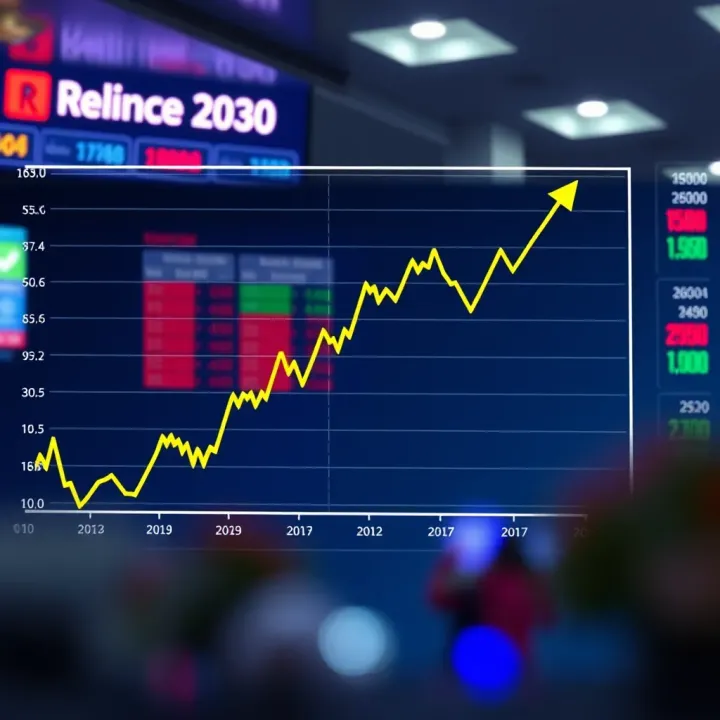
📈 Explore Reliance Industries' 2030 target price with insights on its sectors, financials, market stance, and growth factors shaping India’s future investments.
Explore Reliance Industries' stock outlook to 2030 📈. Assess business segments, growth drivers, risks & expert forecasts for smart investing decisions 💡.
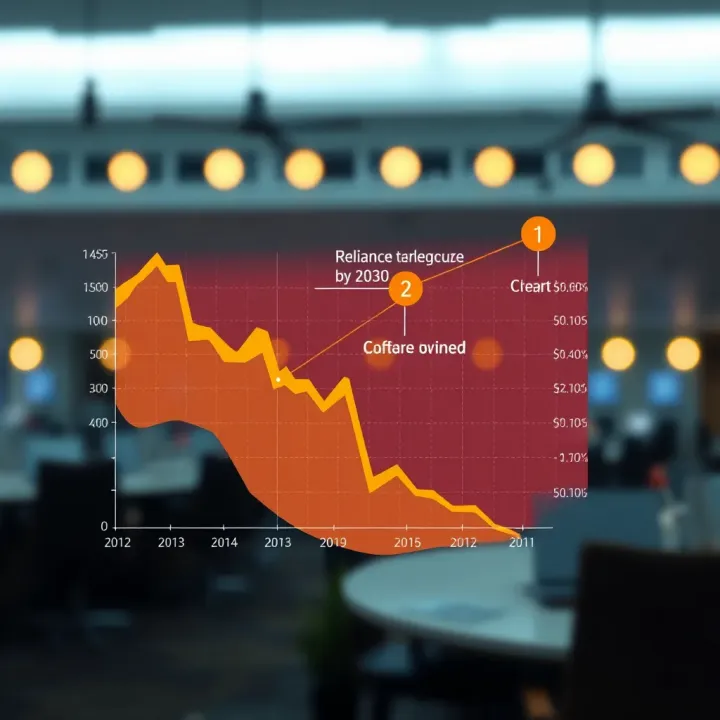
📈 Explore Reliance Industries' share price outlook by 2030, analyzing past trends, sector shifts, and key risks & opportunities for savvy investors.
Based on 10 reviews