

Choosing and Using Forex Paper Trading Apps
Master forex trading risk-free with paper trading apps 📱. Discover how to pick the best app, handle common challenges, and smoothly switch to real trades ₹₹.
Edited By
Charlotte Mitchell
The rise of online trading apps in India has transformed how investors and traders access the stock market. These apps let you buy and sell shares, mutual funds, and other financial instruments from your mobile or laptop, cutting down the need to visit broker offices physically.
India’s digital push and increasing smartphone penetration have boosted the popularity of platforms like Zerodha Kite, Upstox, Angel Broking, and Groww. These apps differ widely in terms of interface, features, and pricing, making it necessary to pick one that suits your trading style and goals.
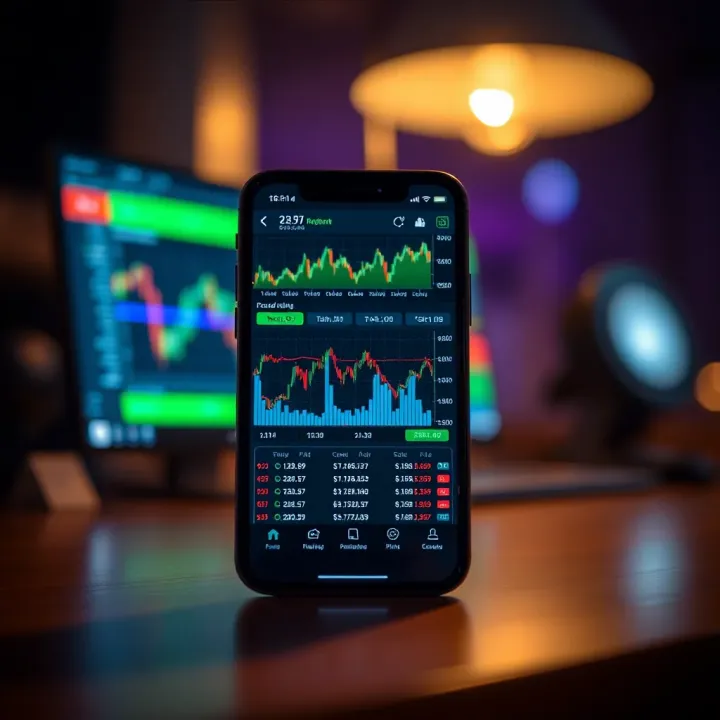
Before diving into trading, it’s important to understand what these apps offer and what to watch out for. Many apps pack advanced charting tools, real-time market updates, research reports, and margin trading options, while others focus on straightforward use and beginner-friendly navigation.
Choosing the right trading app can save you both time and money by providing an easy, secure access point to markets tailored to your investor profile.
Security is another key concern since financial transactions and personal data are at stake. Look for apps regulated by Sebi (Securities and Exchange Board of India) and those with multi-factor authentication and data encryption.
In this article, we will go over how online trading apps work in India, what essential features to consider, security factors, and practical tips to trade effectively. Whether you are just starting or have been trading for some time, understanding these points will help you make confident decisions.
Next, we will explore the core functionalities of these platforms and how they fit the needs of various investors and traders.
Grasping the basics of online trading apps is essential for anyone looking to invest or trade in today's digital age. These apps offer direct access to stock markets and other financial instruments, making trading more accessible and convenient, especially for people in tier-2 and tier-3 cities where physical brokerage offices may be scarce.
A solid understanding of what these apps provide and how they function helps you make better decisions, avoid common pitfalls, and choose a platform suited to your trading style and goals. For example, someone focused on long-term equity investments might value features like portfolio tracking and SIP (Systematic Investment Plan) options, while a day trader would prioritise real-time data and quick order execution.
An online trading app is a software platform that connects retail investors directly to stock exchanges and other financial markets through mobile or web interfaces. It allows users to buy and sell various securities such as stocks, mutual funds, commodities, currencies, and derivatives without the need for physical interaction with brokers.
These apps integrate with your bank and demat accounts to enable seamless transfers and secure transaction settlement. Popular Indian trading apps like Zerodha Kite, Upstox, and Angel Broking offer user-friendly interfaces suited to both beginners and experienced traders.
Most online trading apps in India bridge your orders to stock exchanges such as the NSE (National Stock Exchange) and BSE (Bombay Stock Exchange). When you place an order via the app, it routes through your broker's system and then to the exchange's electronic order book for matching.
You need to link your bank account and demat account for fund transfers and share custody respectively. The apps usually require your PAN, Aadhaar, and KYC details for regulatory compliance. Post verification, you can trade directly through the app anytime and anywhere with an internet connection.
Apps ensure compliance with SEBI (Securities and Exchange Board of India) regulations, and most provide adequate security measures like two-factor authentication to protect your investments.
Equity trading on these apps lets you buy and sell shares of publicly listed companies. It's the most straightforward form of trading where you own a part of the company once you buy its shares. Equity trading suits investors seeking capital appreciation or dividend income over time.
For example, purchasing shares of Reliance Industries or Tata Consultancy Services directly through an app allows you to track your holdings and the share price movements in real time. You can hold stocks long term or sell them quickly based on market conditions.
Derivatives involve contracts whose value is linked to the price of underlying assets like stocks or indices. Futures are agreements to buy or sell an asset at a predetermined price on a future date. These instruments appeal mostly to experienced traders aiming to profit from price movements without owning the actual asset.
Online trading apps provide access to these markets with tools for intraday trading, hedging, and speculation on price trends. For instance, NSE Nifty futures allow traders to take positions on the overall market direction. However, these carry higher risks and require understanding margin requirements and expiry dates.
Many apps now allow direct investments in mutual funds and automated SIPs. This feature benefits investors looking for diversified portfolios without active trading. Through the app, you can choose from equity, debt, or hybrid mutual funds and set up monthly SIP contributions even as low as ₹500.
For example, a user can start an SIP in the HDFC Balanced Advantage Fund directly on Zerodha Coin or Groww app, enabling disciplined investing for wealth creation over time. This facility removes paperwork and streamlines fund management.
Beyond equities, several apps offer commodity trading—such as gold, silver, and agricultural products—and currency trading involving pairs like USD/INR or EUR/INR. These markets appeal to traders seeking portfolio diversification and opportunities linked to global price trends.
Trading commodities like gold futures or currencies requires an understanding of how these markets operate and their volatility. Apps provide charts and real-time pricing, helping users react to events like monsoon forecasts affecting agriculture or central bank policies impacting forex rates.

Choosing an app that supports the types of trades you want—while also offering research tools and secure transactions—can greatly enhance your trading experience and results.
Selecting the right online trading app means looking beyond just its popularity. Focus on features that make your trading efficient, safe, and tailored to your needs. Whether you trade frequently or occasionally, the app's key functionalities will define your overall experience and outcome.
A clean, intuitive interface is essential for smooth navigation. When trading apps cram too many options on one screen or use confusing layouts, it becomes difficult to execute trades quickly, especially during volatile market movements. Apps like Zerodha Kite and Upstox have earned user trust by offering straightforward designs that make placing orders and checking portfolios simple, even for newcomers. User-friendly apps reduce errors and save time, which can directly impact your profitability.
Access to up-to-the-minute data is non-negotiable for serious traders. Prices shift by the second, and delayed information can lead to missed opportunities or losses. Leading apps offer live streaming of stock prices, indices, and market depth with minimal lag. Alongside this, embedded research tools such as charts, technical indicators, and analyst reports help you make informed decisions without hopping between different platforms. For example, Groww integrates expert insights with real-time data, making research convenient.
An effective trading app supports multiple order types—market orders, limit orders, stop-loss orders, and bracket orders—to help manage trades under various market conditions. Swift order execution matters because a delay of even a second can change your buy or sell price significantly during active trading hours. Pay attention to the app’s order routing systems and whether they process orders directly on exchanges like NSE or BSE for faster turnaround.
Seamless linking of your bank account and demat account is vital to move funds and securities swiftly without manual interventions. Many apps allow instant deposit and withdrawal of funds through UPI or net banking. For example, ICICI Direct's app tightly integrates banking and demat services, enabling a near-instant transfer experience. This integration also helps simplify your tax filings and keeps account management hassle-free.
Monitoring your investments on the go helps you react quickly to market changes. Good apps offer portfolio tracking that shows your current holdings, profit or loss, asset allocation, and diversification at a glance. This snapshot helps avoid overexposure to particular sectors or stocks. Also, some apps send periodic performance summaries, helping long-term investors keep track without logging in every day.
Staying informed matters, especially when markets fluctuate rapidly. Apps that send real-time alerts on price movements, order status, margin calls, or corporate announcements keep you ahead. For example, alerting you when a stock hits your preset price target or when your stop-loss triggers can save you losses or lock in gains. Customisable notifications reduce the noise, so you get updates only on what matters most.
Access to learning materials within the app benefits traders who want to sharpen skills or understand new instruments. Reliable apps include video tutorials, articles, and webinars by financial experts. This helps you stay updated on market trends, trading strategies, and regulatory changes. For instance, StockEdge offers a rich library of educational content that users can access while managing their investments, blending learning with action.
Choosing an app with these key features equips you to trade smarter, react faster, and manage your investment portfolio with confidence amid India’s dynamic markets.
Security and regulation form the backbone of trust in online trading platforms in India. Without proper safeguards, investors risk financial losses, data breaches, or falling prey to scams. Hence, understanding the regulatory framework and security measures helps traders select reliable apps and trade without undue worries.
The Securities and Exchange Board of India (SEBI) governs the securities market, including stock exchanges and trading platforms. Its main role is to protect investor interests, ensure transparency, and maintain market stability. For example, SEBI sets guidelines on brokerage fees, disclosures, and fair trading to prevent manipulation.
Meanwhile, the Reserve Bank of India (RBI) oversees the payments and settlement systems, notably the banking channels linked with trading apps. The RBI’s role is vital for secure fund transfers between bank and trading accounts using platforms like UPI and NEFT. Compliance with RBI rules ensures that transactions are safe and irreversible once processed.
Trading apps must register with SEBI and follow strict compliance norms such as Know Your Customer (KYC) verification, Anti-Money Laundering (AML) protocols, and periodic audits. For instance, apps like Zerodha and Upstox prominently enforce KYC during onboarding to align with SEBI mandates.
These requirements help weed out unregulated players and reduce fraud chances. Also, apps must safeguard clients' funds separately, ensuring they aren’t misused for operational expenses. When apps adhere to these rules, investors gain confidence that their investments and personal details are protected by law.
Online trading involves sensitive data—bank details, PAN card, Aadhaar information—and prices fluctuate quickly. Robust data protection is non-negotiable. Scores of apps implement multi-factor authentication, encryption, and secure sockets layer (SSL) technology to protect users.
Consider mobile wallets like PhonePe integrating UPI; similarly, trading apps encrypt payment channels to prevent interception. Privacy policies should clearly state what personal data is collected and how it’s used. Frequent software updates patch vulnerabilities promptly, reducing risks of hacking attempts or identity theft.
Investors must stay alert to phishing scams, fake apps, or misleading offers promising guaranteed returns. Scam traders often impersonate genuine platforms via lookalike apps or social media messages.
Always download apps from official sources like Google Play Store or Apple’s App Store, and verify developer credentials. SEBI regularly issues alerts about emerging fraud tactics, so keeping updated helps avoid traps.
Besides, traders should never share OTPs or passwords and use the app's built-in security tools like biometric logins or transaction PINs. If a deal sounds too good to be true—like doubling money in a week—it usually is.
Choosing a trading app that is SEBI-registered, RBI-compliant, and offers strong data protection gives you the best defence against risks in India’s dynamic market.
By grasping the regulatory and security framework, you can focus on trading smartly rather than worrying about unlawful practices or data breaches.
Selecting the right online trading app is a key step for anyone looking to invest or trade in Indian markets. The right app not only makes trading smoother but also helps you avoid hidden costs, poor service, and security risks. Given the variety of options like Zerodha Kite, Upstox, Groww, and Angel Broking, it's important to match the app’s strengths with your own trading goals and preferences.
Understanding what you want from trading will guide your choice of app. Are you a beginner looking to learn the ropes with simple equity trades, or an experienced trader keen on derivatives and frequent transactions? For example, if you want to build a long-term portfolio with mutual funds and SIPs, apps like Groww or Paytm Money offer straightforward options. But if you need fast order executions and advanced charting, Zerodha or Upstox might suit better. Clarify your goals first—whether it is day trading, wealth accumulation, or hedging—and then pick an app that supports those strategies clearly.
Brokerage fees can quickly eat into your profits if you're not careful. Many apps advertise low charges but watch for hidden fees such as account maintenance, call-and-trade charges, and withdrawal fees. Zerodha, for instance, charges a flat ₹20 or 0.03% per trade but imposes ₹300 yearly for maintenance. Some full-service brokers might charge more but include advisory services. Make a direct comparison using your estimated trade volume. A good app should provide transparent fee structures without any fine print surprises.
Trading involves real money, and when issues arise, responsive support is critical. Test the quality of customer service before settling on an app. Quick responses through phone calls, emails or chat, clear explanations, and problem resolution speed all matter. Apps like Angel Broking and 5Paisa have decent customer care, but user reviews often reveal the true experience. Reliable support saves time and stress, especially when markets swing.
User reviews reflect the real-world performance of an app beyond marketing claims. Look for feedback on app stability during peak hours, ease of use, technical glitches, and updates. Checking platforms like Google Play Store and App Store helps. Be cautious of suspiciously positive reviews; instead, focus on detailed user experiences mentioning both pros and cons. For example, if multiple users mention frequent crashes or slow order placement, it's a red flag. Peer feedback helps you avoid apps that might otherwise seem attractive on paper.
Choosing the right trading app involves balancing features, costs, customer support, and user trust. Make your choice based on clear priorities and real user experience, not just fancy adverts.
With clear priorities and careful comparison, you can find an online trading app that fits your style and helps you trade confidently in Indian markets.
Navigating the online trading world successfully depends not only on choosing the right app but also on using it effectively. This section highlights key practices that help investors avoid common pitfalls and make informed decisions while trading on Indian platforms.
Starting with a clean, well-organised account setup eases trading and reduces errors. Confirm your linked bank and Demat accounts are active and correctly integrated for smooth fund transfers. Regularly update your personal details like PAN number and contact information to avoid compliance issues. Using apps like Zerodha or Upstox, many traders prefer setting alerts for margin calls or settlement dates, which helps in better account management.
A neatly managed trading account lays the groundwork for disciplined investing and smooth transactions.
Stop-loss orders are essential for avoiding heavy losses in volatile markets. Most Indian trading apps support customised stop-loss settings—either fixed rupee amounts or percentage-based limits. For example, if you buy shares at ₹500, you can set a stop-loss at ₹450 to cap losses at 10%. Besides stop-loss, risk management extends to diversifying your portfolio and sizing each trade wisely. Employing the 1-2% rule, where you risk only that fraction of your total capital in a single trade, works well for cautious traders.
Regularly following market updates helps you spot opportunities and risks early. Use integrated news features in apps like Groww or Angel Broking to track real-time developments affecting sectors such as IT, banking, or FMCG. Subscribing to financial news from sources like Economic Times or Business Standard within the app keeps you informed. Additionally, analysing Indian indices like the Sensex and Nifty 50 daily offers clues about overall market sentiments.
Emotional trading is a trap many investors fall into. Avoid chasing quick profits after a sudden market rise and don’t panic sell during dips without analysing fundamentals. Also, frequent app notifications can tempt you into overtrading—set limits to prevent this. Be wary of rumours and verify facts from reliable sources before acting. Lastly, understand brokerage structures clearly; some discount brokers offer zero brokerage on equity delivery but charge heavily on intraday trades.
By setting up your account properly, using risk tools wisely, staying updated with market trends, and steering clear of typical blunders, you can use online trading apps in India more effectively and confidently.
Master forex trading risk-free with paper trading apps 📱. Discover how to pick the best app, handle common challenges, and smoothly switch to real trades ₹₹.
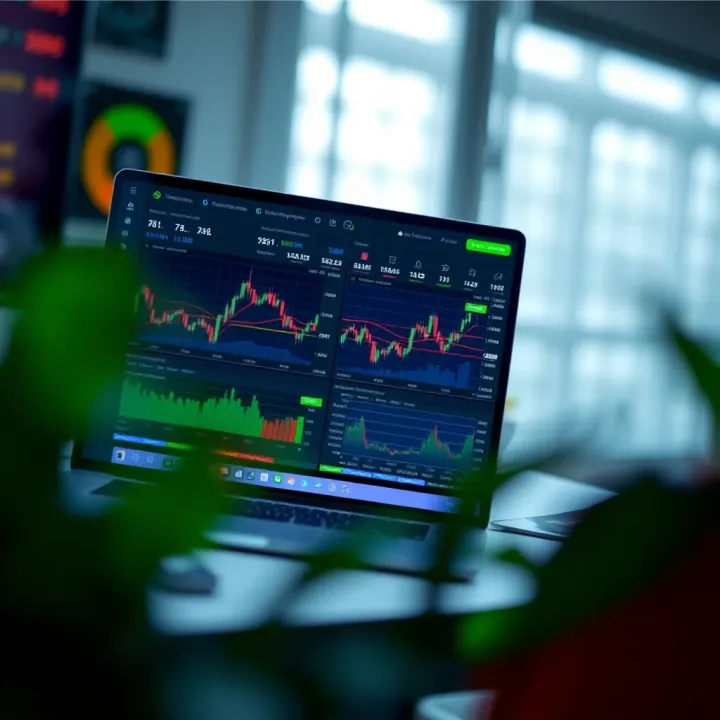
Explore the best trading apps for PC designed for Indian traders 🖥️. Compare features, security, usability & performance to find your ideal match for smart investing.
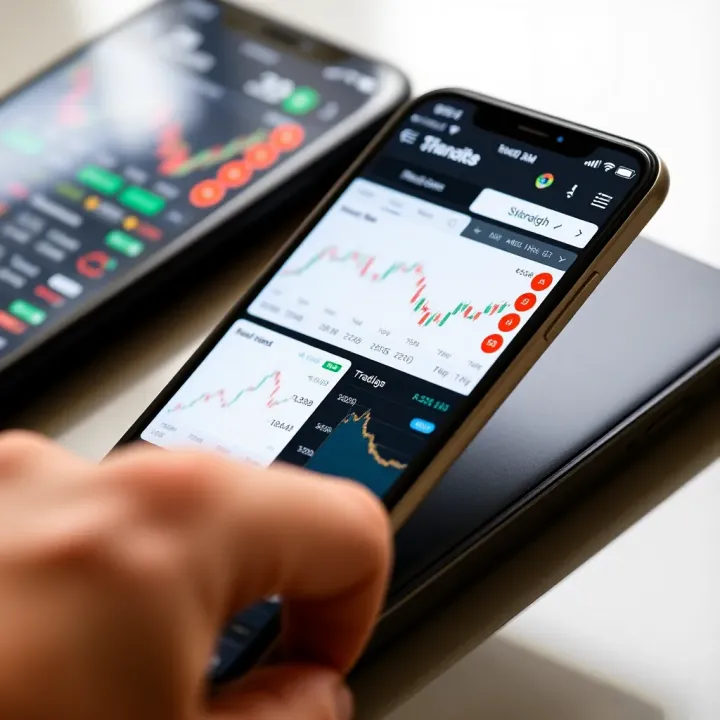
Discover top trading apps in India 📱 with detailed features, cost comparisons, secure transactions, and tips to pick the right platform for your investment style.

📚 Discover how eBooks boost trading success for beginners and pros alike. Learn to pick quality Indian market guides and apply practical trading lessons effectively. 💹
Based on 11 reviews