
RBI Approved Forex Trading Apps for Indian Traders
Explore RBI-approved forex trading apps for Indian traders 🇮🇳. Get tips, safety checks, & app features to trade foreign exchange securely and legally 💱📱.
Edited By
James Thornton
Forex paper trading apps offer a practical way for traders to hone their skills without any financial risk. These platforms simulate real market conditions using virtual money, allowing you to experiment with strategies and understand market behaviour before investing real capital.
Using such apps makes sense especially for novices or those exploring currency pairs like USD/INR or EUR/USD. Instead of learning on the job and risking ₹10,000 or more, you can get comfortable trading directly through an app within days.
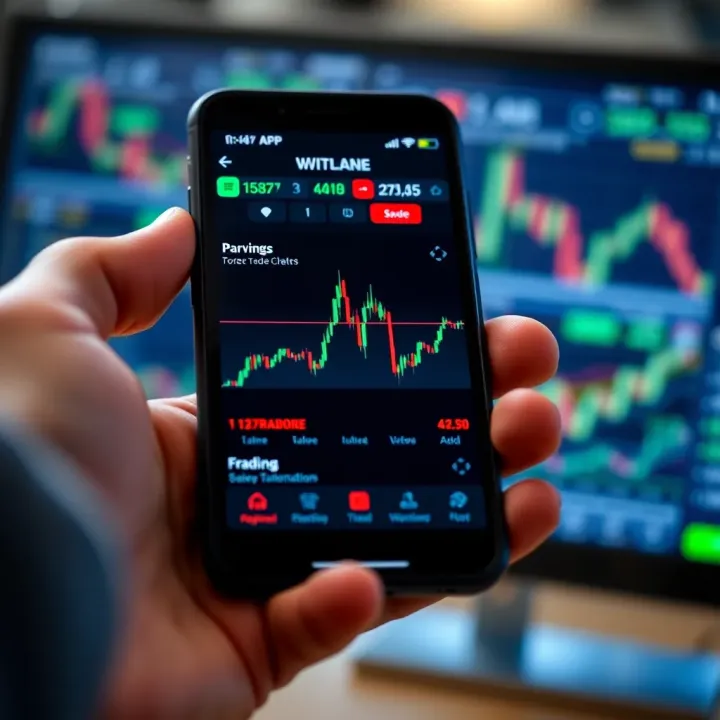
These tools come with features like live price feeds, technical indicators, and trade execution options similar to actual forex trading platforms. For instance, apps like MetaTrader 4 (MT4) and TradingView offer paper trading modes that replicate live markets effectively.
Paper trading is not just a practice run; it's your chance to build confidence and identify gaps in your trading plan without losing money.
While many apps provide free access with basic features, some premium versions include advanced charting tools, automated trade testing, and detailed performance analytics. These can help you refine your approach by highlighting your strengths and weaknesses.
Here are some advantages of using forex paper trading apps:
Risk-free environment for testing diverse strategies
Opportunity to learn market timings and currency behaviours
Familiarity with trading platforms and order types
Insight into how global events impact exchange rates
However, keep in mind that emotions play a different role in paper trading versus live trading — real money adds pressure. Still, regular practise through these apps is invaluable before stepping into live forex markets.
In short, the proper use of forex paper trading apps can sharpen your skills, clarify your strategies, and prepare you for trading with real funds confidently in Indian or global currency markets.
Forex paper trading is a vital step for anyone aiming to succeed in currency trading without exposing themselves to real financial risks. By practising with virtual money, traders can familiarise themselves with market movements, trading platforms, and order executions. This approach is especially valuable for beginners who are still understanding how forex markets work or for experienced traders testing new strategies without risking capital.
Simulated trading without real money: At its core, forex paper trading means practising buying and selling currency pairs using simulated funds. Imagine you get ₹5 lakh as virtual capital in an app to trade with real market prices but no actual money at stake. You can place orders, set stop losses and take profits, and watch how your trades would perform, all without worrying about losing real cash. This hands-on experience is essential, because real trading platforms can feel overwhelming at first.
How paper trading mirrors real forex markets: Good forex paper trading apps offer live price feeds, so the market conditions you see are the same as what traders face in reality. For example, if the EUR/USD pair moves 0.5% down, your virtual portfolio reflects that change immediately. This means you’re practising under true-to-life situations, including spreads and order execution speeds, which sharpens your understanding of how market volatility impacts your trades.
Risk-free practice environment: The biggest advantage of paper trading is that it eliminates financial risks. Indian traders can afford to make mistakes and learn without worrying about depleting their savings. For instance, a fresher experimenting with forex can try different entry and exit techniques multiple times to see what works. This space to err freely helps build solid trading habits before moving on to real money.
Testing strategies before going live: Before risking your hard-earned money, paper trading allows thorough testing of strategies. Suppose you want to try scalping the INR/USD pair during market opening hours—paper trading helps you evaluate profitability and risk without pressure. Over time, you refine your approach based on observed outcomes, making your live trades more calculated and less impulsive.
Building confidence and discipline: Repeated paper trading cultivates confidence in decision-making and enforces discipline. Indian traders often struggle with emotional swings when real money is on the line. By practising under realistic conditions, they learn to stick to stop losses and resist overtrading. Over weeks or months, this builds a disciplined mindset essential for success in live forex trading.
Practising forex through paper trading is like using a simulator before driving a real car—it keeps you safe while you gain vital skills and confidence.
Understanding forex paper trading and its purpose lays a strong foundation for effective learning and eventual live trading success.
When selecting a forex paper trading app, certain features make some platforms stand out from the rest. These elements not only improve your learning curve but also help mimic real trading conditions more closely. Prioritising apps with these key features ensures your practice is effective and prepares you well for live markets.
Clean design and navigation: A clutter-free design reduces confusion during trading practice. You don’t want to waste time hunting for essential functions like order placement or portfolio overview. For instance, apps with clear menus and straightforward layouts let you place trades and check your performance quickly, without distractions. This simplicity matters, especially when you’re making fast decisions as in real trading.
Mobile and desktop availability: Flexibility in platform access is crucial. Some days you might want to practise on your desktop at home, while at other times, using your mobile on the go works best. Apps available on both mobile and desktop bring this freedom. Plus, syncing between devices means you can shift seamlessly without losing track of your trades or settings.
Access to live price movements: The whole point of paper trading is to simulate real trading without risking money. For that, having access to live forex prices is a must. Delayed data can mislead you, causing unrealistic results. A forex app offering real-time price feeds ensures your trades reflect current market conditions, making your practice sharper and directly relevant.
Tools for technical analysis: Successful traders often rely on chart patterns, indicators, and trend lines to make decisions. A good paper trading app includes these tools, allowing you to practise analysing the market just as you would when trading live. For example, adding Moving Averages or RSI (Relative Strength Index) to charts helps you experiment with strategies before applying them to your real trading.
Adjustable leverage and order types: Leverage amplifies gains but also magnifies losses. Using a paper trading app that lets you change leverage settings means you can test your risk appetite in a controlled environment. Similarly, different order types like market, limit, and stop orders help simulate real trade execution. Practising with these options improves your readiness for live trading complexities.
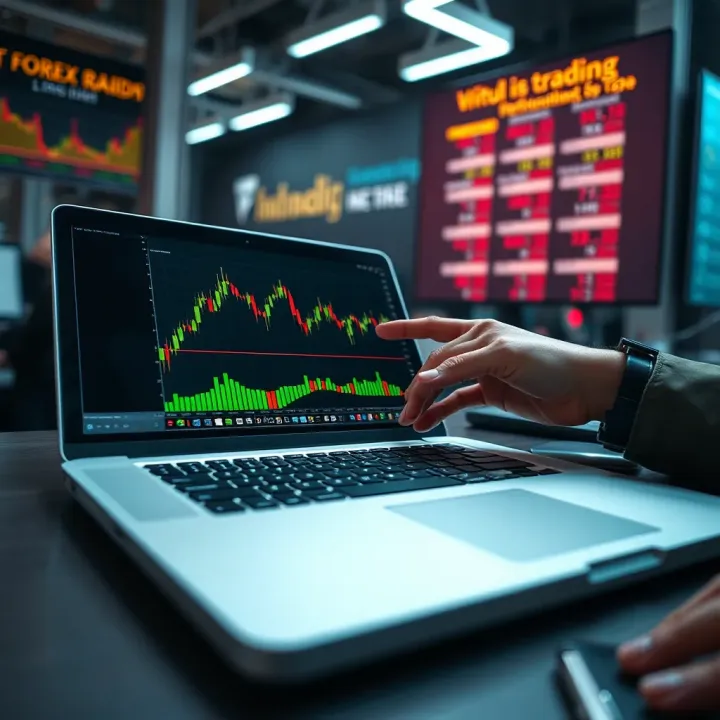
Ability to set stop loss and take profit: Risk management is key in forex trading. Apps that allow you to set stop loss and take profit levels teach discipline. For instance, setting a stop loss prevents huge losses in volatile markets, while take profit locks in gains. Learning to use these features correctly during paper trading strengthens your control when real money is at stake.
Reviewing trade history: It’s not enough to place trades; reflecting on what went right or wrong is essential to improve. Apps with comprehensive trade history let you revisit your actions with details like entry/exit points and trade outcomes. Getting familiar with your past trades highlights mistakes and good habits alike.
Analytics to measure success and mistakes: Beyond snapshots of trades, advanced analytics provide deeper insights. For example, winning trade percentage, average pip gain/loss, and risk-reward ratios show your overall strategy effectiveness. An app that offers such reports helps you identify patterns—perhaps you lose more during specific market hours or with certain currency pairs—allowing refined strategy development.
A well-designed forex paper trading app should combine ease of use, realistic market data, adaptable trading settings, and detailed performance tracking. This blend ensures your practice prepares you not just to trade but to succeed.
Keeping these features in mind makes your choice of app sharper, helping you avoid platforms that might look good but lack substantial practial benefits for traders ahead of the live market plunge.
Selecting the right forex paper trading app is key for making the most of your practice sessions. Each trader has different needs depending on their experience level and goals. Choosing an app that fits you well helps save time and sharpens trading skills effectively without unnecessary distractions.
Beginners require apps that offer simplicity and educational resources. A cluttered dashboard or too many complex features can confuse fresh traders who are still grasping basic concepts. On the other hand, experienced traders look for advanced tools like customisable indicators and order types to test strategies more thoroughly. For example, a novice may prefer a straightforward app like MetaTrader 4’s demo mode for easy practice, while a seasoned trader might lean towards TradingView’s paper trading paired with robust charting.
Your focus also matters: are you using the app primarily to learn how forex works, or to test new strategies before deploying them with real money? Learners benefit from apps that provide step-by-step tutorials and simulated news impact on currency pairs. Strategy testers need reliable historical data and the ability to adjust leverage or time frames. Deciding your aim upfront helps narrow down to apps designed specifically for that purpose.
User feedback offers valuable insight into how an app performs in real conditions. Check ratings on app stores and forex forums to learn about bugs, lag, or poor data feeds. Apps like MetaTrader and Thinkorswim often receive high praise for reliability.
Also, consider how often the app receives updates and whether it has accessible customer support. Frequent updates suggest ongoing optimisation and adaptation to market changes. Good support is critical, especially when issues arise during practice. Without quick resolution, your learning momentum could stall.
Free apps appeal to most traders starting out since they eliminate initial expenses. However, free versions can limit features, trading pairs, or data refresh rates. Paid apps or premium tiers may offer faster data, more advanced tools, or fewer ads. Weigh these benefits against your budget before committing.
In India, app availability and data usage are important. Some apps face restrictions or offer limited functionality here. Moreover, if the app consumes large amounts of mobile data, practising regularly might become costly. Choose apps that work smoothly on 4G or mobile networks common in India, ideally allowing session backups to avoid repeated data use.
Finding an app that matches your skill level, goals, reliability expectations, and accessibility needs will make your forex paper trading experience both effective and enjoyable. This approach ensures you build confidence and knowledge while avoiding frustration.
Forex paper trading serves as a training ground, but to truly benefit, you need to approach it with discipline. Maximising learning means treating paper trading as seriously as real trading. This sharpens your skills, helps test strategies in a low-risk environment, and embeds the necessary habits for live forex markets.
One of the key principles is sticking to actual forex market hours. The forex market follows a global schedule with active hours across various financial centres like London, New York, Tokyo, and Sydney. Trading only during these periods helps you experience real market volatility and liquidity. For example, the London and New York sessions overlap in India afternoon time, often leading to increased price movements. Practising during these active hours prepares you for the real pace of live trading.
Maintaining the same hours also prevents developing bad habits such as overtrading in low volume, which often leads to misleading outcomes in paper trading. By focusing on official trading times, your decisions and reactions will better reflect what happens in live markets.
In paper trading, it's tempting to try many trades back-to-back since there's no real money at risk. However, overtrading dilutes learning as decisions become mechanical or random. Fewer, well-thought-out trades simulate real conditions where emotional and financial stress naturally limits excessive positions.
Limit your trades to confident setups that match your strategy. For instance, instead of placing ten trades a day, focus on two or three high-quality trades that meet clear criteria. This practice conditions you to be selective and disciplined, traits essential in live forex trading.
Good forex paper trading apps offer historical market data. Using this data to backtest strategies means applying your trading plan to past price movements and checking how it would have performed. This reveals strengths and weaknesses without any risk. For example, you could test a moving average crossover strategy over six months of data to see if it consistently signals profitable trades.
Backtesting helps refine your approach before committing capital. It also builds confidence in strategies that show promise and flags those requiring changes.
Paper trading allows you to adjust and tweak your strategies based on observed outcomes. If a strategy shows repeated losses or poor risk-reward balance, modify entry, exit, or stop-loss criteria. For example, if your stop loss is too tight, causing frequent triggers, consider widening it slightly without increasing risk beyond comfort.
Adaptation is crucial since forex markets evolve. Regularly reviewing results and being ready to change approach during paper trading equips you for flexibility in actual trading.
Maintaining a detailed trading journal is invaluable for growth. Note down not only the trades you made and why but also the emotions you felt before, during, and after each trade. Did fear cause hesitation? Was overconfidence pushing you to ignore signals?
This habit sheds light on the psychological aspect of trading where many fail. For instance, realising you tend to exit profitable trades too early due to anxiety helps correct behaviour before risking money.
Beyond recording, analyse your journal periodically to identify patterns in mistakes and successes. This analysis fosters self-awareness and discipline by making you accountable for decisions instead of blaming market movements.
Consistent review sharpens judgement, reinforces good habits, and trims impulsive tendencies. This structured reflection is what separates successful traders from hobbyists.
Treating paper trading like the real deal — sticking to market hours, avoiding overtrading, backtesting strategies, and keeping a journal — reinforces skills and discipline. This groundwork boosts your chances when stepping into live forex trading, turning practice into lasting proficiency.
Forex paper trading helps you practise without risking money, but it isn’t without its pitfalls. Understanding common challenges can prepare you better and ensure your practice moves you closer to successful live trading. Facing these issues head-on improves discipline and readiness.
One big difference between paper trading and live forex trading is the absence of real money stress. When you trade with virtual funds, the anxiety and emotional weight simply don’t hit you the same way. This often leads to riskier decisions or overtrading because the fear of losing actual capital isn’t there. For example, a trader might buy a highly volatile currency pair thoughtlessly during paper trading but hesitate or second-guess with real money on the line.
To simulate real stakes during paper trading, try limiting your virtual capital to an amount you would realistically invest. Set strict rules on losses per day or week, and treat these “losses” as if they were actual money lost from your account. Another method is entering contests with friends or communities where performance counts for recognition or small prizes. This can help invoke some emotional involvement and test your discipline in a closer-to-reality setting.
Building emotional resilience while practising is key, so do what you can to add
Moving from paper trading to live forex trading requires more than just technical know-how; it demands mental readiness and practical planning. This stage is essential because real money is on the line, and emotions and risks come in full force. Without careful preparation, even a solid paper trading record might not translate into successful live trades.
Starting with a small investment is a wise move when entering live forex trading. It allows you to slowly feel the market's pulse without exposing yourself to large losses early on. For example, instead of risking ₹1,00,000 right away, begin with ₹10,000–₹20,000. This approach helps manage anxiety and gives space to adapt strategies from paper trading to live conditions realistically.
Proper risk management forms the backbone of live trading success. One straightforward method is risking only 1-2% of your trading capital on any single trade. This protects your overall portfolio from sudden, heavy losses. Imagine your trading fund is ₹1,00,000; losing ₹1,000 to ₹2,000 per trade keeps you in the game longer and avoids wiping out your capital during a rough patch. Using stop-loss orders and position sizing accordingly adds to this safety net.
Risk management tools like stop-loss, take-profit, and trailing stops help enforce discipline in live trading. Without these, emotional decisions often creep in, leading to chasing losses or holding losing trades too long. Paper trading might not fully simulate this pressure, but real markets demand quick, rule-based decisions. For instance, setting a stop-loss at 50 pips below your entry ensures you don't lose more than intended, preventing emotional panic.
Adjusting your mindset from virtual to real is crucial. Live trading brings stress and adrenaline that can cloud judgement. Accepting that losses are part of the process helps prevent emotional whipsaws. Professional traders treat every trade objectively regardless of outcome and stick to their plans. Practising mindfulness techniques or keeping a trading journal focused on emotions can smooth the transition and improve decision-making under pressure.
Transitioning is not just about applying strategies but about preparing yourself mentally and financially for the reality of forex markets. Taking it slow with realistic goals and strong risk management can save you from costly mistakes early on.
Explore RBI-approved forex trading apps for Indian traders 🇮🇳. Get tips, safety checks, & app features to trade foreign exchange securely and legally 💱📱.
Explore secure RBI-approved forex trading apps in India 🇮🇳. Learn features, safety tips, how to choose wisely, and stay compliant with forex rules 💹.
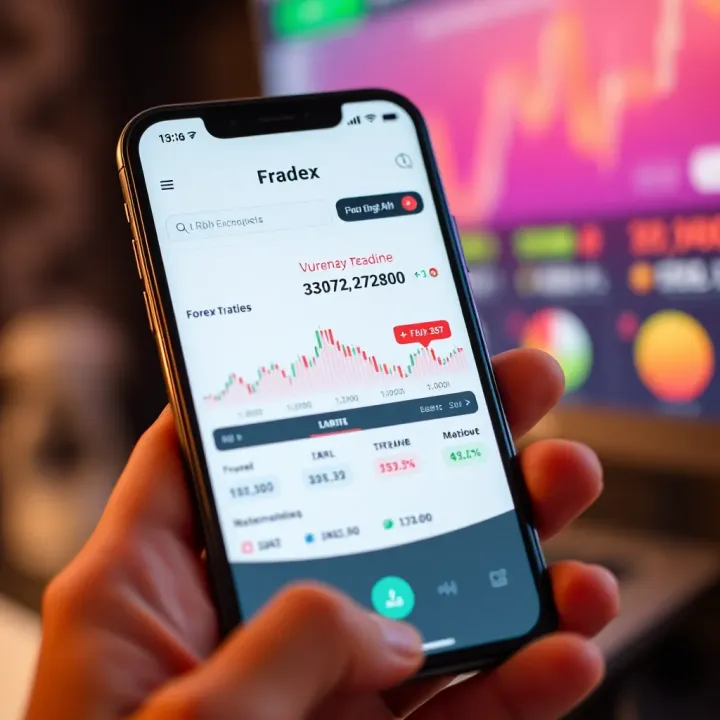
Explore RBI approved forex trading apps in India 🇮🇳. Learn legal rules, app features, benefits, and tips to trade foreign exchange safely and confidently. 📈💰
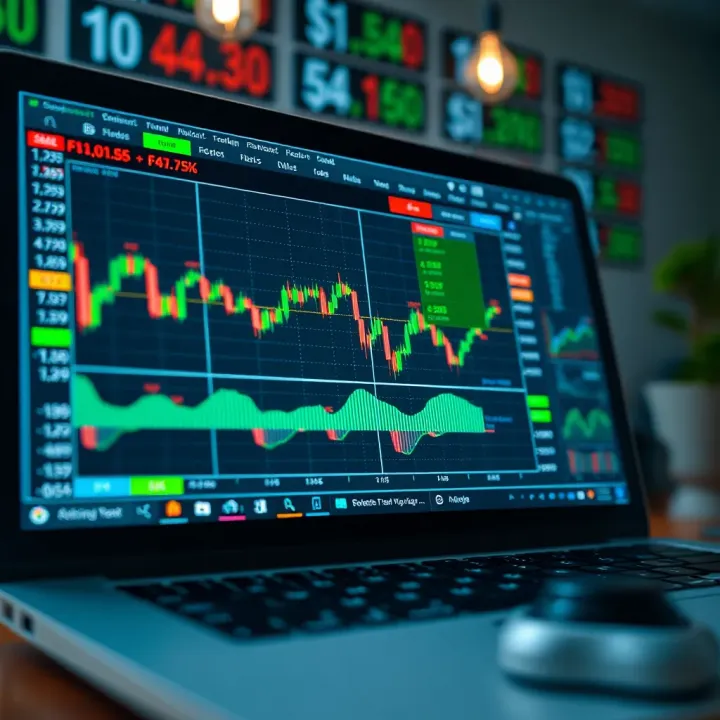
Learn the basics of forex trading online with our practical guide 📈 Explore key strategies, platforms, risks, and regulations tailored for Indian traders.
Based on 10 reviews