
Best Trading Apps in India to Earn Money Without Investment
Discover top trading apps in India 📱 to earn money without any investment 💸! Learn safety features, tips to maximise profits, and pick the best app for you.
Edited By
Isabella Clarke
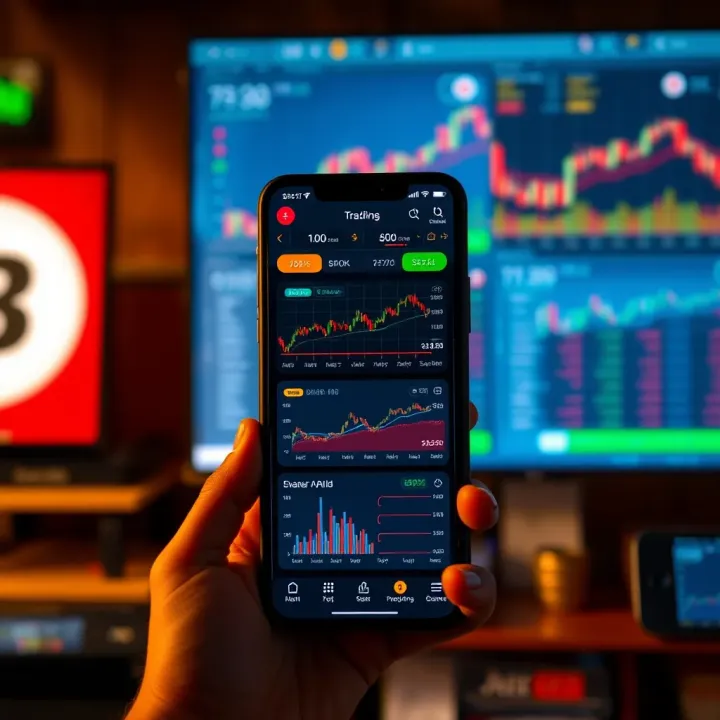
Trading apps that let you begin without any upfront payment have caught the attention of many in India’s financial scene. These platforms allow users to practise trading without risking actual money, which is especially handy for beginners or those wanting to test strategies before investing real ₹.
Unlike traditional trading apps requiring a deposit or linked bank account, zero investment trading apps provide virtual funds for trading. This method lets you get a feel of the market movement, order execution, and risk management without putting your savings on the line. For example, apps like MoneyBhai or Upstox offer simulated environments where you trade with virtual money but experience live market conditions.
Practising on such apps can build your confidence, sharpen your trading skills, and give insights into various financial instruments like stocks, commodities, and derivatives before stepping into the real market.
These apps benefit not only freshers but also seasoned traders who want to test fresh ideas or tools risk-free. Key features to look for include:
A realistic, real-time market simulation
User-friendly interface
Comprehensive charting and research tools
Access to multiple asset classes
Educational content and tutorials
Remember, zero investment trading apps do not replace the learning curve of live trading but provide a safer playground to learn and experiment. Since no real money changes hands, the psychological pressure reduces, giving you a better chance to focus on strategy.
That said, while these apps remove financial risk, it’s vital to practice disciplined approaches. Know the differences in slippage, liquidity, and order execution you might face once you switch to actual trading.
In the next sections, we will examine trusted Indian trading apps offering no initial investment options and discuss tactics to maximise these platforms for your trading journey.
Trading apps that don't ask for any initial investment are changing the way people approach stock markets, especially beginners and casual traders in India. These platforms allow you to explore trading mechanics without risking real money, making them a practical choice for learning and experimentation. Before choosing one, it's vital to understand how these apps work and their limitations.
Demo trading and virtual money: At the core, these apps operate on virtual money that mimics real market funds. For example, platforms like Upstox Pro’s Demo Feature provide users with ₹5 lakh in virtual cash to buy and sell stocks just like in live trading. This setup gives you hands-on experience without actual financial exposure, allowing you to understand order placement, tracking price changes, and managing positions.
Practice versus real trading: While demo trading replicates market behaviour closely, it can't fully capture real trading emotions like fear and greed. Real money trading comes with psychological pressures absent from virtual setups. That said, practising on these apps helps build confidence and understanding of market movements. It's a safe testbed to try strategies without suffering real losses.
Government regulations and user protections: Trading apps, even for demo use, generally comply with Securities and Exchange Board of India (SEBI) regulations to ensure user data privacy and platform integrity. While no actual funds are involved, regulatory oversight still discourages fraudulent behaviour within these digital trading environments. This means you can trust the simulation's fairness and security.
Beginners exploring the stock market: New traders in India find demo trading platforms extremely useful for grasping the basics of buying shares, understanding market hours, and navigating trading jargon. For instance, a college student interested in equity trading can use Zerodha's Kite Virtual Trading to explore without financial risk. This hands-on approach clears many doubts before investing real money.
Students and hobbyists: Market enthusiasts or students preparing for finance exams benefit from simulated trading by applying textbook knowledge in a practical scenario. This practise bridges theory and market reality at no cost, sharpening skills that exams or coursework alone might not cover.
Traders testing new strategies: Even seasoned traders take advantage of zero-investment apps to trial fresh ideas or automated trading bots without risking capital. It allows them to assess strategy effectiveness under real-market data conditions. Such risk-free testing is crucial before committing funds, reducing costly errors.
These apps create a low-stakes environment to learn, experiment, and build trading discipline, making them an essential step before diving into live markets.
When selecting a trading app that doesn’t require an initial investment, the features it offers shape your learning experience and future trading success. Prioritising platforms that combine ease of use, realistic simulations, educational support, and security can help you build confidence without risking real money.

A clear, intuitive interface is vital in a no-investment trading app. Look for platforms designed to simplify navigation, with well-organised menus, easy-to-read charts, and straightforward order placement options. For instance, apps like Zerodha Kite offer uncluttered dashboards that even beginners find approachable. Accessibility also means the app works well on various devices, including mobiles and tablets, enabling trading practice anytime, anywhere. This flexibility encourages frequent use, which is key to developing trading skills.
Trading without investment is ideal for learning, so the app must include strong educational support. These can range from detailed tutorials, video lessons, webinars, to real-time market analysis. Educational tools help users understand market behaviour and trading strategies before risking real funds. For example, Angel Broking’s app offers integrated learning modules that explain concepts alongside virtual trading, enabling users to apply theory immediately.
The value of a no-money trading app rises when it uses live market data instead of delayed or fake prices. Real-time prices let you experience true market fluctuations and react to rapid changes, closely mimicking the live trading environment. This exposure is crucial as it helps sharpen your decision-making and timing skills. For example, Moneycontrol’s Moneybhai uses live data feeds, providing users the sensation of actual trading.
A good demo trading platform replicates the variety of order types available in real trading, such as market, limit, and stop-loss orders. It should also simulate order execution speed accurately to show how trades get filled in fast-moving markets. This helps you grasp the practical aspects of placing orders under pressure. Upstox Pro’s demo feature gives users access to most order types, along with near real-time execution, preparing them well before they transition to live trading.
Even without real money involved, your personal and financial data deserve robust protection. Check that the app complies with regulations like those set by the Securities and Exchange Board of India (SEBI) and employs encryption to safeguard user information. Apps with transparent privacy policies and two-factor authentication add layers of defence. Remember, data breaches can result in scams or identity theft, so prioritising security is never just optional.
A no-investment trading app should offer a balance of realism and safety, helping new traders gain skills without exposure to monetary loss while keeping their data secure.
Choosing an app with these features means you invest your time wisely, practising in conditions that mirror the actual stock market while growing your knowledge steadily. This foundation plays a key role in building your confidence to start real trading later on.
Zero-investment trading apps have become essential for Indian traders who want to build skills without risking real money. These platforms mimic live markets using virtual funds, enabling users to learn trading basics, test strategies, and gain confidence. Knowing which apps offer reliable virtual trading and market simulation can save you from trial-and-error mistakes when moving to real investing.
Zerodha Varsity and Kite Virtual Trading together provide a powerful combo for beginners. Zerodha Varsity offers detailed educational content in simple language about various trading concepts. Users can immediately apply this knowledge through the Kite platform’s virtual trading feature. Kite simulates real-time stock market activity using virtual money, so you can practice placing orders, managing portfolios, and executing strategies just as you would with actual funds. The real market data integration in Kite keeps the experience close to reality, helping traders feel the market pulse without financial risk.
Upstox Pro’s Demo Feature is another option for zero-investment trading. It comes with an intuitive interface that replicates the real Upstox Pro trading environment. Traders can use this demo mode to try out different order types such as stop-loss and limit orders under simulated market conditions. This hands-on approach is valuable for those wanting to get familiar with the trading platform itself before committing money. Additionally, Upstox incorporates current market movements in their demo, so users respond to live scenarios.
Angel Broking’s Virtual Trade platform offers a comprehensive virtual trading experience with up-to-date stock prices and realistic trade execution. It allows users to experiment with different portfolios, sectors, and intraday trading strategies. Angel Broking integrates educational resources along with the demo, so users benefit from both learning and practice. This platform is particularly helpful for those who want to explore intraday trading without risking capital, giving traders ample room to sharpen their skills.
Moneybhai by Moneycontrol presents a fun way to learn trading through a game-like interface. It provides users virtual currency to build portfolios and engage with real stock prices. The app’s social feature lets you compete or collaborate with other traders, turning learning into an interactive experience. For beginners, this makes understanding market dynamics more engaging and less intimidating.
Investopedia Simulator stands out as a global platform accessible to Indian users seeking no-investment trading. It blends educational content with a virtual stock market game, mirroring the real market’s complexities. Traders can try investing in stocks, ETFs, and options while tracking performance with detailed analytics. Though it’s international, the simulator’s straightforward design allows Indian traders to get a realistic taste of market trading.
National Stock Exchange (NSE) Paathshala resources support learners beyond apps. NSE’s Paathshala initiative offers mock trading exercises and tutorials without charging any fees. It is ideal for students and freshers aiming to understand the Indian stock market structure and practice trading using simulated platforms. Being an NSE-backed resource, it helps users gain insights aligned with Indian regulatory norms and market behaviour.
Zero-investment trading platforms are stepping stones, allowing you to trade smartly and confidently before risking your hard-earned money. Choose an app that closely matches your trading style and learning preferences to get the most out of this experience.
By picking the right app from those mentioned, you can build your investing skills safely and prepare for real-world trading challenges effectively.
When practising on trading apps without investing real money, applying solid strategies is key to gaining meaningful insights. Treating virtual trading seriously sharpens your decision-making skills and builds discipline needed for real markets. Ignoring demo trades as mere playmoney often leads to missing out on valuable lessons.
Virtual trades should be approached with the same care and analysis as real trades. For instance, setting clear goals, sticking to trading plans, and controlling emotions during virtual sessions trains your mind to behave rationally when money is actually on the line. Many beginners make casual trades on simulators without following rules, which feels safe but fails to prep them for live pressure. Practising as if you have skin in the game cultivates responsibility and patience.
Keeping track of every trade and its outcome is essential. Use the app's inbuilt tools or maintain your own trade journal to record entry points, exit points, reasons for the trade, and results. Later, analyse these trades to identify patterns—like whether losses cluster in certain market conditions or because of emotional reactions. This reflection helps avoid repeating errors. For example, if you notice you tend to exit too early during upward trends, you can consciously work on that.
Using tutorials and courses: Most no-investment trading apps offer tutorials, videos, or articles covering basics and advanced tactics. Spending time on these helps you understand concepts like support-resistance, candlestick patterns, or order types. Combining this knowledge with hands-on practice on the app makes learning more effective. For example, after watching a module on risk management, you can immediately apply stop losses in your virtual trades.
Following market updates: Staying updated with daily market news, corporate earnings, and economic indicators is crucial even during demo trading. This real-time information tests your ability to interpret news impacts and adjust strategies accordingly. For instance, if you hear about RBI policy changes or quarterly results, try to simulate trades based on your analysis. This approach bridges theory, practice, and market reality.
Remember, trading without real money is not just about gaining confidence but building a disciplined approach, critical thinking, and emotional control. These strategies together help turn virtual experience into a strong foundation for actual investing.
Trading on zero-investment platforms offers a useful starting point, but it comes with some clear limitations that every trader should keep in mind. While these apps simulate the market experience without financial risk, they cannot replicate the full spectrum of emotions or risks involved in real trading. Recognising these gaps helps avoid unrealistic expectations and better prepares you for the transition to actual trading.
Trading with virtual money feels quite different from risking your own capital. When you're using demo accounts, losses do not affect your daily life or cash flow, so decisions often become detached from real consequences. This emotional disconnect may encourage riskier behaviour or lack of discipline. In contrast, real trading usually triggers stress, hesitation, and heightened caution due to the possibility of losing actual money. For example, a trader might impulsively buy or sell in a demo environment but pause and reconsider many times before acting with real money.
Demo trading platforms rarely capture all the risk factors you face in live markets. These include slippage—where your trade executes at a different price than expected—and liquidity risks such as an inability to close positions quickly. For example, during market volatility, your real orders may experience delays or larger price gaps, which demo accounts usually ignore. Additionally, emotional pressure and unexpected external factors like financial news can influence real trading decisions, elements that virtual accounts cannot simulate fully.
Opening a Demat and trading account is the first step to move from practice to live trading. A Demat (Dematerialised) account holds your securities in electronic form, replacing physical share certificates. Alongside it, you need a trading account that acts as a bridge to buy and sell shares on exchanges like the National Stock Exchange (NSE) or Bombay Stock Exchange (BSE). Many brokers offer combined Demat and trading account packages with easy online account opening and minimal paperwork.
Understanding charges and minimum margins is crucial before starting live trading. Unlike demo accounts, real trading involves brokerage fees, Securities Transaction Tax (STT), Goods and Services Tax (GST), stamp duty, and other charges. These can reduce your net gains, especially in frequent trading. Moreover, margin requirements mean you need to maintain a minimum balance or collateral to hold certain positions, particularly in derivatives trading. For instance, intraday traders often have to comply with margin limits set by brokers and regulators, which restricts unlimited trading on borrowed funds.
Transitioning smartly from a zero-investment platform to paid trading demands awareness of such practicalities to avoid surprises and losses.
Understanding these realities ensures you approach live markets with preparation and realistic expectations. It helps bridge the gap between risk-free practice and the financial stakes of real investing.
Discover top trading apps in India 📱 to earn money without any investment 💸! Learn safety features, tips to maximise profits, and pick the best app for you.
Explore the best trading apps for PC designed for Indian traders 🖥️. Compare features, security, usability & performance to find your ideal match for smart investing.
📱 Explore RBI-approved trading apps in India! Learn about features, security, compliance & tips to pick the best app for smart investing. 💰
Explore how real money trading apps work in India, their benefits, risks, safety tips, key features, popular choices, and regulatory guidelines 📱💰⚖️
Based on 10 reviews