

Best iPad for Trading: A Practical Buying Guide
Find the ideal iPad for trading with our guide covering performance, display, app compatibility, and portability. Perfect for Indian traders looking to invest smartly 📈📱
Edited By
James Whitmore
Sustainable development means meeting today's needs without risking future generations' ability to meet theirs. It is a balancing act, involving the environment, society, and the economy. For traders and investors, understanding these principles helps gauge how businesses and policies align with long-term growth and risk management.

Sustainable development rests on three pillars:
Environmental Protection: Conserving natural resources and reducing pollution. For example, companies investing in renewable energy rather than coal power reduce environmental damage and regulatory risks.
Social Equity: Ensuring fair access to resources, education, and opportunities. In India, this includes uplifting rural communities through skill-building initiatives, which in turn fosters a stable consumer base.
Economic Growth: Generating wealth while using resources efficiently. Sustainable practices often improve cost efficiency by cutting waste and promoting circular economy models.
India’s market is witnessing a shift as firms integrate sustainability into operations. Regulatory bodies like SEBI now mandate Environmental, Social, and Governance (ESG) disclosures for listed companies, impacting investor choices.
Investors should watch for:
Companies with transparent ESG reporting.
Firms adopting clean technologies.
Businesses promoting inclusive growth.
These factors indicate resilience and potential for long-term value creation.
Understanding sustainability beyond just ethics helps identify investments aligned with future economic realities rather than outdated models.
Sustainable development isn't without hurdles. India faces issues like balancing industrial growth with environmental limits, addressing socioeconomic disparities, and ensuring policy enforcement.
For finance professionals, assessing how companies navigate these challenges is vital. Strong governance and innovation in sustainability strategies often correlate with reduced risks and better returns.
By grasping these core aspects, traders and investors can better navigate the evolving landscape and make decisions that benefit portfolios and communities alike.
Sustainable development is about meeting today's needs without jeopardising the ability of future generations to meet theirs. For traders, investors, and finance professionals, understanding this concept is not just academic—it relates directly to risk management, long-term value creation, and compliance with evolving regulations. Sustainable practices influence everything from resource availability to market stability.
Sustainable development balances three interconnected dimensions: environmental protection, social equity, and economic growth. It ensures natural resources like water, forests, and minerals are preserved while supporting communities and enabling businesses to thrive. For example, a company that adopts eco-friendly manufacturing processes reduces waste and energy consumption, which can cut costs and attract environmentally conscious investors.
Beyond the environment, it emphasises social responsibilities such as fair wages, safe working conditions, and community engagement. These aspects build trust and brand value, often translating into better market performance. Economically, sustainable development encourages responsible growth that avoids over-exploitation or boom-bust cycles, safeguarding long-term profitability.
The term gained global attention with the 1987 Brundtland Commission report, which framed sustainable development as a shared goal worldwide. This shifted development thinking from short-term gains to a more holistic approach, integrating ecology, society, and economics. Since then, frameworks like the United Nations Sustainable Development Goals (SDGs) have guided countries and corporations towards measurable targets.
India, with its rapid economic growth and population expansion, faces unique challenges and opportunities in this context. Policies such as the National Action Plan on Climate Change reflect its commitment to sustainability. Globally, investors increasingly assess Environmental, Social and Governance (ESG) criteria, influencing capital flows and corporate strategies.
Understanding these foundational elements helps professionals make informed decisions that account for environmental risks, social impacts, and economic imperatives. Sustainable development is no longer optional but integral to resilient business and investment strategies.
By grasping sustainable development’s definition and historical context, you lay the groundwork for exploring its practical application and relevance to India's dynamic market environment.

Sustainability rests firmly on three essential pillars: environmental stewardship, social equity, and economic viability. These pillars guide how society can progress without compromising the well-being of future generations. For investors and finance professionals, understanding these is key to identifying ventures that are genuinely sustainable.
Preserving natural resources like water, forests, and minerals is fundamental. Unchecked exploitation can lead to depletion, which disrupts ecosystems and affects industries dependent on these resources. For example, consider the textile sector in Tamil Nadu, where water scarcity due to overuse impacts both production and local communities. Efficient resource use and reinvestment in restoration efforts help maintain supply chains and reduce operational risks.
Managing pollution and waste is vital for maintaining environmental health and complying with increasing regulatory norms. Industries now must adopt cleaner technologies and waste management practices, or face penalties that can erode profits. The rise of zero-liquid discharge (ZLD) systems in chemical plants is a practical step showing how pollution controls can also cut costs by recycling water within factories.
Social equity demands broad access to basic services. A workforce equipped through education is more productive and innovative, attracting investment and fostering growth. Similarly, accessible healthcare reduces absenteeism and improves overall quality of life. For instance, companies investing in employee health camps and skill development nearby help build stronger communities while ensuring steady operations.
Involving local communities in decisions that affect them leads to more sustainable outcomes and reduces conflicts. Mining projects in Jharkhand illustrate this well; neglecting community voices can delay or derail operations, raising costs. Collaboration fosters trust, smoothens project execution, and enables companies to tap local knowledge, enhancing environmental and social benefits.
Practising sustainability is no longer optional but integral to long-term profitability. Businesses adopting energy efficiency, renewable inputs, and responsible sourcing reduce costs and appeal to environmentally conscious consumers and investors. For example, Tata Group’s focus on green steel production aims to meet global demand while lowering emissions, proving sustainable methods can open new markets.
Indian policymakers and businesses face the challenge of fostering economic growth while conserving resources. Smart urban planning, such as the development of eco-friendly industrial corridors, can stimulate the economy without heavy environmental tolls. This balance ensures steady growth without exhausting capital needed for future development.
The three pillars are interconnected—efforts in one area influence the others. Sustainable development is not just a moral imperative but an investment decision that can reduce risks and unlock opportunities in the Indian economic landscape.
India faces significant hurdles on its path to sustainable development. Understanding these challenges helps stakeholders like investors and analysts gauge risks and opportunities in sectors impacting environmental, social, and economic sustainability.
India's population, now over 1.4 billion, puts intense pressure on natural resources and urban infrastructure. Rapid migration to cities has led to overcrowding in metros such as Mumbai and Bengaluru, straining water supply, housing, and transport. This uncontrolled urbanisation often results in poor living conditions and pollution hotspots, hindering sustainable growth. For example, the rise in demand for electricity in urban areas has pushed reliance on fossil fuels, increasing carbon emissions. Planning urban expansion with green building norms and investing in public transport can ease some pressures.
India's fast economic growth has accelerated the depletion of key natural resources like groundwater, forests, and mineral reserves. Over-extraction of groundwater, especially in states like Punjab and Rajasthan, affects agriculture sustainability and drinking water availability. Deforestation in the Western Ghats and Central India also threatens biodiversity, impacting ecosystem services that support livelihoods. Additionally, air and water pollution in industrial hubs such as Kanpur and Vapi pose severe health risks. Such degradation increases costs for businesses and communities, emphasising the need for sustainable resource management.
While India has numerous policies targeting sustainability — including the National Action Plan on Climate Change and various state-level initiatives — gaps persist in enforcement and coordination. Many policies lack clear accountability mechanisms, causing delays and inconsistencies in execution. For instance, though clean energy targets exist, actual adoption rates lag due to subsidy delays and infrastructure bottlenecks. Moreover, local governance sometimes struggles with capacity constraints, limiting community participation in sustainable practices. Addressing these gaps requires streamlined regulations, transparent monitoring, and stronger collaboration between central, state, and local bodies.
Tackling these challenges is key to ensuring long-term economic growth that respects environmental limits and promotes social equity.
By understanding these ground realities, financial professionals can better evaluate investment prospects in sectors aligned with sustainable development goals and anticipate regulatory shifts affecting market dynamics.
Policy and governance steer sustainable development by establishing frameworks that balance economic growth, environmental protection, and social welfare. Effective policies create a roadmap for various stakeholders, including businesses and communities, to align their actions with sustainability goals. In India’s context, where diverse challenges exist, governance plays a vital role in enforcing standards and mobilising resources towards long-term sustainability.
The Indian government has devised several national action plans aimed at integrating sustainability into development agendas. The National Action Plan on Climate Change (NAPCC), launched in 2008, focuses on eight missions covering solar energy, energy efficiency, sustainable habitat, and water conservation, among others. These initiatives encourage investment in renewable energy and promote energy-saving technologies, offering opportunities for businesses to innovate while contributing to emission reduction.
By setting measurable targets, such as increasing solar capacity to 100 GW by 2022, national action plans provide clear goals that guide industrial and financial sectors towards sustainable practices. This aligns with the role of investors and analysts looking to assess risks and opportunities relating to environmental regulations.
Environmental regulations in India, including the Environment Protection Act (1986) and the Air (Prevention and Control of Pollution) Act, frame legal obligations for industries, ensuring responsible resource use and pollution control. Compliance with these laws is not merely a legal formality but directly impacts operational costs and project viability.
For instance, untreated industrial effluents can invite penalties and operational shutdowns, affecting profitability. Consequently, businesses prioritising compliance also enhance their reputations, attracting sustainability-conscious investors. The Securities and Exchange Board of India (SEBI) has also nudged listed companies towards greater disclosure of Environmental, Social, and Governance (ESG) factors, underlining governance’s growing influence on market behaviour.
Local governance structures, such as Panchayati Raj institutions and municipal bodies, are instrumental in translating national policies into ground-level actions. These bodies facilitate community participation in decision-making, ensuring that development plans reflect local needs and environmental contexts.
Community involvement enhances accountability and encourages sustainable resource management. For example, water conservation projects in Rajasthan have thrived due to active local engagement, improving water availability for agriculture and domestic use. For analysts and investors, understanding local governance dynamics can reveal risks and opportunities in regional projects or startups focused on sustainable solutions.
Policy and governance frameworks link national ambitions with local realities, creating a cohesive approach essential for sustainable development’s success.
Promoting sustainable practices is essential to ensure long-term environmental health, social well-being, and economic stability. For investors and finance professionals, understanding these practices highlights opportunities for responsible investment and risk management in sectors aligned with sustainability. Practical adoption of such measures benefits not just communities but also helps businesses reduce costs, improve reputation, and comply with regulations.
Solar and wind energy offer clean alternatives to fossil fuels, crucial for reducing carbon emissions. India’s abundant sunshine makes solar power particularly viable, with large-scale projects in Rajasthan and Gujarat showing significant output. Many firms are now integrating rooftop solar panels into their buildings to cut electricity bills and carbon footprints.
Wind energy complements solar by providing power during periods when solar output drops, such as at night or monsoon seasons. Coastal states like Tamil Nadu and Maharashtra have extensive wind farms that contribute notably to the power grid. Investing in or supporting these energy sources can stabilise supply chains and reduce dependency on imported fuels, aligning with global energy transition trends.
Energy efficiency focuses on using less power for the same output, benefiting both the environment and the balance sheet. Industries adopting LED lighting, energy-efficient motors, and improved process controls have reported lower utility expenses and enhanced productivity. For example, many textile mills in Ahmedabad have implemented energy-saving technologies, trimming costs and emissions together.
Commercial buildings and households also play a role with smart meters, energy-efficient air conditioners, and better insulation. Financial services providers increasingly offer green loans and incentives for adopting these measures, opening new avenues for sustainable finance.
Sustainable agriculture involves practices that conserve resources, maintain soil health, and reduce chemical inputs. Techniques like crop rotation, organic fertilisers, and integrated pest management boost long-term productivity while cutting pollution. In regions such as Punjab and Haryana, farmers shift towards less water-intensive crops and drip irrigation to tackle groundwater depletion.
Water use efficiency is critical given India's growing demand and seasonal shortages. Rainwater harvesting, watershed management, and modern irrigation methods help optimise water use. Businesses and policymakers collaborating on these initiatives improve community resilience and resource availability, making them attractive for investors focused on social and environmental governance.
Transitioning to sustainable energy and agriculture is not only an environmental imperative but also a strategic business move that supports economic security and social equity. Recognising these trends allows finance professionals to make informed decisions in a rapidly evolving market.
Find the ideal iPad for trading with our guide covering performance, display, app compatibility, and portability. Perfect for Indian traders looking to invest smartly 📈📱

Explore the best forex trading platforms in India 🌏, compare fees, features, and legal aspects. Get tips on risk management and tech trends for smart trading 💹.
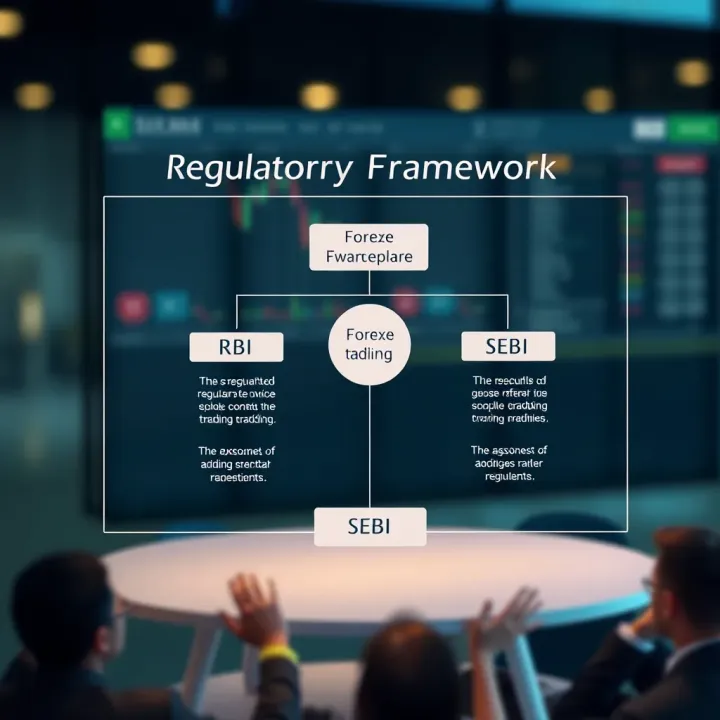
🧐 Wondering if Exness is legal in India? Understand RBI and SEBI rules, risks, and key precautions before trading on this popular forex platform safely.

Explore the best tablets for stock trading in India 📈 with great display, fast connectivity, powerful performance, easy app setup, and secure trading tips for traders.
Based on 15 reviews