

Is Quotex Legal in India? Key Facts and Risks
Is Quotex legal in India? 🇮🇳 Learn about the rules, user risks ⚠️, and how to navigate this trading platform safely under Indian law 📊.
Edited By
Charlotte Wells
Exness has grown into a widely recognised online forex and CFD (Contracts for Difference) trading platform worldwide, attracting many traders in India. But when it comes to legality, the situation isn’t straightforward. Indian investors often ask whether using Exness is permitted under the country’s financial regulations.
The Reserve Bank of India (RBI) and the Securities and Exchange Board of India (SEBI) govern forex trading and securities market activities, respectively. Under RBI rules, trading foreign exchange pairs is restricted mostly to currency pairs involving the Indian rupee on authorised exchanges. NSE (National Stock Exchange) and BSE (Bombay Stock Exchange) allow trading only in permitted currency pairs, governed by RBI guidelines.
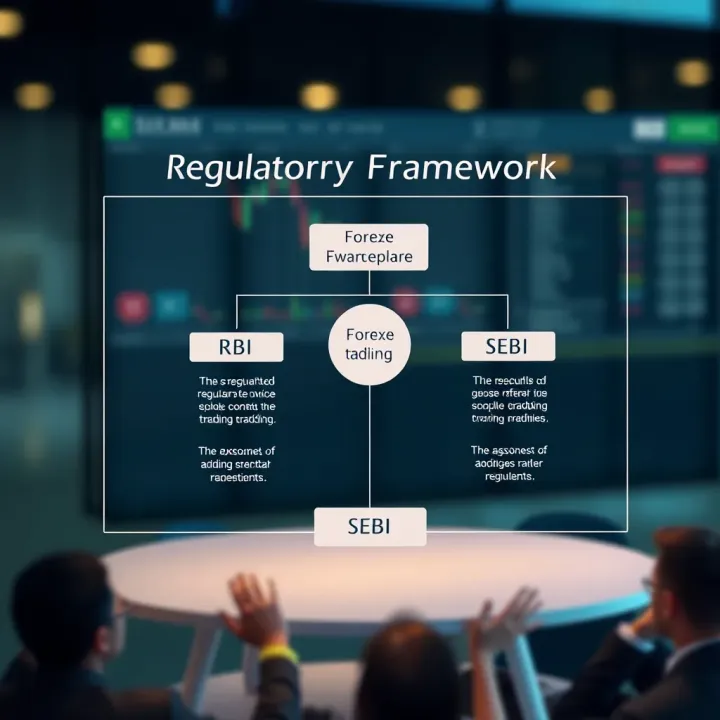
Exness operates as an international broker, offering access to a broad range of forex and commodity CFDs beyond the scope of local Indian exchanges. This implies Indian traders engaging with Exness typically do so through overseas accounts and platforms.
It is vital to understand that forex trading via unregulated or foreign platforms, even those reputed like Exness, carries regulatory risks in India. SEBI has no authority over offshore brokers, and the RBI does not sanction such trading beyond authorised products.
In practice, many Indian traders still access Exness, but this occurs in a grey area legally. While there’s no outright ban on Indians opening accounts with offshore brokers, profits realised through such trades can attract scrutiny under Indian tax and FEMA (Foreign Exchange Management Act) rules.
Here are some key points to consider:
Regulatory Status: Exness is not regulated by SEBI or RBI. It holds licences from international bodies like CySEC or FCA but not Indian regulators.
Trading Restrictions: Indian residents should trade forex currency pairs only through authorised Indian exchanges.
Risk of Penalties: Failure to comply with RBI’s FEMA guidelines may lead to penalties or legal complications.
Tax Implications: Income or capital gains from Exness trading must be declared in ITR (Income Tax Return).
Understanding the regulatory background helps Indian traders make informed decisions. In upcoming sections, we will detail the RBI and SEBI frameworks, legal risks, and practical precautions for those considering Exness trading from India.
Knowing forex trading rules laid down by Indian authorities helps traders stay within legal limits and avoid penalties. In India, forex trading is tightly regulated because it affects foreign exchange reserves and the economy itself. This section breaks down key rules from the Reserve Bank of India (RBI) and the Securities and Exchange Board of India (SEBI) to give you a clear picture of what’s allowed.
The RBI controls forex dealings in India under the Foreign Exchange Management Act (FEMA). It permits currency trading only under specific conditions to prevent illegal money flows. For example, Indian residents can trade forex only with authorised dealers or on recognised exchanges, and that too with certain currency pairs approved by RBI.
RBI's rules highlight that forex transactions involving the Indian rupee must comply with FEMA limits, which restrict investing in foreign exchange outside India. This means you cannot just open an account with any overseas broker and start trading rupee pairs freely. The RBI aims to keep forex dealings transparent and prevent misuse.
Currently, trading in USD/INR, EUR/INR, GBP/INR, and JPY/INR on recognised Indian platforms is allowed. Trading other cross-currency pairs or cryptocurrencies involving the rupee falls outside RBI's permission. For example, if you want to trade EUR/USD or BTC/INR through an Indian broker, that is usually not permitted. These limits keep forex activity within defined channels.
Moreover, transactions like remittances for education or travel are allowed through recognised routes but must comply with limits, such as sending up to USD 2,50,000 per financial year under the Liberalised Remittance Scheme (LRS).
RBI prohibits Indian residents from using foreign forex brokers that are not registered or recognised by Indian regulators. Offshore brokers like Exness generally fall outside this list. This means using such platforms can technically breach forex regulations in India, even if the platform allows Indian users.
Furthermore, Indian banks and payment gateways have instructions not to process payments to unregistered forex entities. This restricts funding accounts on many international platforms. These rules protect Indian investors from unregulated brokers but add friction in cross-border forex trading.
SEBI is the watchdog for securities and commodities markets in India, including regulations for forex trading platforms hosted domestically. SEBI ensures such platforms follow strict transparency and investor protection norms.
Any Indian forex trading platform must be registered with SEBI, which monitors their operations and compliance. This helps reduce fraud risks and ensures fair practices. Platforms like NSE or MCX-SX that offer currency derivatives fall under SEBI's watch.
Brokers operating forex or derivatives markets in India require SEBI registration. This involves checks on financial soundness, business conduct, and internal controls. SEBI licences signal that brokers meet minimum standards and abide by Indian laws.
SEBI mandates features like client fund segregation, grievance redressal mechanisms, and regular disclosures by brokers. For example, if a claim arises, investors have official bodies to approach. These protections are often missing if trading with overseas brokers without SEBI approval.
Understanding RBI and SEBI regulations ensures you trade forex safely, follow the law, and reduce chances of financial loss or legal trouble. Always check a platform’s Indian regulatory status before investing your money.

When it comes to using Exness in India, the key question revolves around the platform’s legal standing under Indian laws. Knowing whether Exness is allowed is essential for traders to avoid complications that can arise from regulatory breaches. Traders should be aware of licensing, local restrictions, and how these factors impact day-to-day trading activities. For instance, a trader in Mumbai using Exness must know if their transactions comply with Reserve Bank of India (RBI) and Securities and Exchange Board of India (SEBI) rules to steer clear of legal trouble.
Exness holds licences from several international regulators such as the Cyprus Securities and Exchange Commission (CySEC) and the Financial Conduct Authority (FCA) in the United Kingdom. These licences enable Exness to legally provide forex and CFD trading services in many jurisdictions worldwide. From a global standpoint, these licences reflect a standard of operation that includes investor protections and compliance with local laws where it operates.
However, these international licences do not automatically grant Exness permission to operate in India. Indian laws have their own set of rules for forex brokers and trading platforms. Simply being licensed abroad does not mean Exness is recognised or authorised by Indian regulatory bodies.
The RBI regulates foreign exchange transactions in India, and it restricts residents from dealing with foreign brokers that are not registered or regulated under Indian laws. Indian traders are not permitted to open accounts or conduct forex trading with offshore brokers not authorised by Indian regulators. This restriction aims to prevent capital flight, money laundering, and unregulated trading.
The Foreign Exchange Management Act (FEMA) further prohibits Indian residents from engaging in forex trading with foreign brokers except as permitted under specific RBI regulations. As Exness is not registered with SEBI or authorised by RBI, Indian authorities consider this trading activity outside the legal framework.
Despite these restrictions, some Indian traders do access Exness by bypassing certain payment or registration controls using international accounts or payment gateways. While this happens, it exposes the trader to risks such as penalties for violating foreign exchange rules or challenges in dispute resolution.
In practical terms, using Exness from India without explicit regulatory approval can lead to legal grey areas. Traders lack local investor protections, and in case of platform issues, Indian courts might not have jurisdiction, making recovery difficult.
A common misunderstanding is that because Exness is regulated in countries like Cyprus or the UK, it is legally permitted in India too. This is not true. Indian regulations demand local licensing through SEBI or RBI for forex brokers catering to Indian residents. Traders should ensure the platform they use complies specifically with Indian law, not just international licences.
Traders often think that using payment methods accepted by Exness, such as international bank transfers or e-wallets, means their activity is legal. RBI guidelines clearly require that foreign exchange transactions by residents be routed through authorised channels. Using unapproved payment paths to fund Exness accounts can violate RBI’s rules on foreign exchange remittance and land traders in serious trouble.
SEBI registration is crucial for any entity offering financial securities or derivatives trading in India, including forex. Since Exness is not registered with SEBI, it cannot legally solicit Indian investors or offer services in India. This non-registration means no regulatory oversight from SEBI, which many Indian traders mistakenly overlook. Without SEBI’s supervision, investors miss out on grievance redressal mechanisms that SEBI-registered brokers provide.
Traders should always confirm that their trading platform is SEBI-approved to ensure safety and compliance. Non-SEBI platforms like Exness pose risks beyond just legality, including lack of dispute resolution and fund security.
Keeping these points in mind helps Indian traders make informed choices that align with the country’s regulatory environment. Trading with recognised platforms reduces legal ambiguity and safeguards investments better.
Using Exness, or any offshore forex platform, involves risks beyond usual market fluctuations. Understanding these risks helps Indian traders navigate legal and financial complexities while picking safer options.
Violation of foreign exchange rules: Indian forex trading is tightly bound by the Foreign Exchange Management Act (FEMA), governed by the Reserve Bank of India (RBI). Trading on platforms like Exness, which are not licensed by Indian authorities, may breach FEMA regulations about foreign exchange dealings. For instance, transactions involving currency pairs not permitted by RBI or routing funds through unapproved channels could be flagged as illegal. This makes compliance tricky since Indian traders face constraints on which currencies they can trade legally.
Possible penalties and enforcement actions: Engaging in forex trading through unregulated foreign brokers can attract penalties including fines or even prosecution. While RBI and SEBI primarily focus on larger offenders, individual traders might face asset freezes or difficulties in remitting funds back to India legally. Recent cases have seen notifications freezing accounts linked to unauthorised forex activities, stressing the need for caution before trading on platforms like Exness.
Difficulty in dispute resolution: Exness operates outside Indian jurisdiction, complicating grievances about fund withdrawals, account freezes, or trading disputes. Indian traders may find limited legal recourse if conflicts arise, as Indian consumer protection laws provide scant cover in such international scenarios. This lack of a local enforcement mechanism means traders often depend on the goodwill of the platform for problem resolution.
Platform safeguards and fund protection: While Exness boasts global regulatory licences like from the Financial Conduct Authority (FCA), Indian traders need to assess whether such protections extend to them. Unlike Indian brokers registered with SEBI, offshore platforms might not segregate client funds according to Indian regulatory norms. This raises questions on the safety of your capital and the guarantees available in case of insolvency or fraud.
Volatility and market risks: Forex markets are inherently volatile, but trading through platforms like Exness exposes Indian traders to amplified risks because of leverage and sudden regulatory changes. For example, unexpected policy announcements by RBI or global events can lead to rapid price swings, risking heavy losses without adequate safeguards or investor education.
Risks of unregulated brokers: Some brokers operating through Exness’s infrastructure may lack robust supervision, increasing the chances of malpractice such as price manipulation or delayed withdrawals. Since the Indian investor protection framework does not cover these offshore entities, the chance of financial loss from unscrupulous behaviour exists. It’s essential to verify regulatory status and client reviews thoroughly before investing.
Understanding the legal and financial risks is crucial before trading on any offshore forex platform like Exness. Staying informed helps you protect your capital and avoid regulatory troubles.
By weighing these risks carefully, Indian traders can make more informed choices, potentially favouring platforms with clear regulatory standing or exploring domestic alternatives to ensure safer forex trading.
Trading forex in India requires vigilance and adherence to regulations to avoid legal and financial pitfalls. Understanding how to trade safely helps protect your investments while ensuring you do not run afoul of the Reserve Bank of India (RBI) and the Securities and Exchange Board of India (SEBI) rules. Indian traders should prioritise dealing with regulated entities and use instruments approved within Indian frameworks rather than turning to offshore platforms that operate outside India's jurisdiction.
Trading with SEBI-registered brokers offers clear benefits, foremost among them being greater security and legal protection. Such brokers comply with Indian laws, maintain investor protection schemes, and submit to audits and oversight. This compliance reduces risks like fraud or sudden platform closures, issues more common with unregulated international brokers.
Several Indian brokers and exchanges facilitate forex-related trading legally, albeit often limited to currency derivative products on recognised exchanges like the National Stock Exchange (NSE) and Bombay Stock Exchange (BSE). Examples include Zerodha, Upstox, and ICICI Direct, which offer trading in currency futures and options within RBI and SEBI guidelines. These platforms provide transparent pricing, regulated settlement processes, and T+1 or T+2 trade cycles.
Compliance with Indian laws means brokers ensure transactions align with foreign exchange management laws. SEBI ensures brokers hold necessary licences and follow fair trade practices. This compliance shields traders from penalties or legal troubles that can arise when using unregulated offshore platforms, which may not follow Indian rules on fund flows or KYC (Know Your Customer) requirements.
For traders looking beyond Exness, domestic forex options primarily involve currency derivatives trading on NSE and BSE. These provide access to pairs involving the Indian Rupee (INR) legally within the country. Since direct spot forex trading is restricted for residents, derivatives present a safe way to gain forex market exposure.
Another safe option includes using derivative instruments such as currency futures and options legally available on Indian exchanges. These instruments are standardised and ensure regulated clearing and settlement, reducing counterparty risk. For example, currency futures on USD/INR, EUR/INR, or GBP/INR pairs help hedge forex exposure or speculate on currency movements.
Compared to offshore platforms like Exness, these domestic alternatives offer less leverage and fewer currency pairs, but they carry the advantage of legal clarity and protection. Offshore platforms might offer more pairs or higher leverage but often operate without SEBI oversight, posing risks around fund safety, dispute resolution, and regulatory breaches.
Choosing SEBI-registered brokers or using Indian exchange-traded currency derivatives helps traders stay within the law and protect their investments while engaging in forex trading.
Overall, Indian traders should weigh legal safety and practical features while selecting forex trading venues. Opting for domestic regulated options minimises regulatory hassles and potential legal risks associated with unregulated offshore brokers like Exness.
Understanding the legal landscape around forex trading platforms like Exness is vital for Indian traders. This section summarises key legal points and practical advice, helping traders navigate risks and make informed decisions.
Forex trading in India is tightly regulated by the Reserve Bank of India (RBI) and the Securities and Exchange Board of India (SEBI). While Exness holds licences in various countries, it is not registered with SEBI nor authorised by RBI for operating in India. This means Indian residents using Exness technically trade through overseas channels, which may contravene the Foreign Exchange Management Act (FEMA).
In practice, RBI permits forex trading only in specified currency pairs (mostly INR against USD, EUR, GBP, and JPY) through authorised dealers registered under FEMA. Offshore brokers like Exness offer a broader range of pairs and instruments, but such trading exists in a regulatory grey area in India. Violating these rules may expose traders to penalties and lack of recourse if disputes arise.
Before deciding to trade on Exness, make sure you thoroughly check its regulatory status, customer feedback, and operational history. For example, understand whether the platform’s financial safeguards align with Indian trading standards. Many traders overlook the fact that offshore brokers may not offer the same investor protections as SEBI-regulated platforms. Reading recent reviews and forum discussions can reveal critical issues related to withdrawals, delays, or platform stability.
Indian banks follow strict RBI guidelines about cross-border payments. Importantly, while depositing funds to Exness may be straightforward via international methods like wire transfers or payment wallets, withdrawing money back to Indian accounts can be complicated due to compliance checks. You should confirm whether your bank supports such transfers and be aware of potential delays or additional documentation required for Know Your Customer (KYC) or Anti-Money Laundering (AML) regulations. Failure to manage these can result in blocked transactions or increased costs.
The forex regulatory framework in India is evolving, with RBI and SEBI updating rules based on global market risks and domestic priorities. For instance, RBI’s periodic circulars or SEBI’s notifications might impose new restrictions or provide clarifications that directly influence trading legality. Regularly monitoring official sources or trusted financial news outlets can help you avoid unknowingly breaking laws and plan your trading strategies accordingly.
Taking these precautions helps Indian traders reduce legal and financial risks when dealing with offshore brokers like Exness. Being informed is not just safer, it also helps you trade with confidence.
In summary, while Exness can offer advanced forex features, Indian traders should carefully weigh the legal risks, payment challenges, and regulatory updates before trading.
Is Quotex legal in India? 🇮🇳 Learn about the rules, user risks ⚠️, and how to navigate this trading platform safely under Indian law 📊.

Is Quotex trading legal in India? 📊 Learn about the rules, risks, and how Indian traders can safely use this digital platform for online trading.

Is Quotex legal in India? Learn about regulations, risks, and what Indian traders should watch for when using this online trading platform 📊⚖️
💹 Explore Qutex trading with our detailed guide! Learn its features, strategies, risks, and tips for investors in India to trade wisely and securely.
Based on 10 reviews