
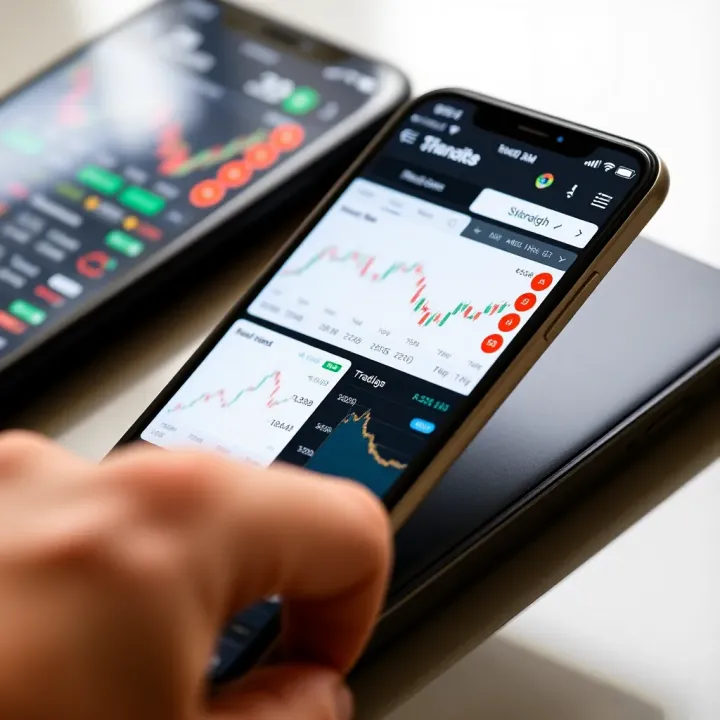
Best Trading Apps in India: Features & How to Choose
Discover top trading apps in India 📱 with detailed features, cost comparisons, secure transactions, and tips to pick the right platform for your investment style.
Edited By
Isabella Hughes
Mobile trading apps have reshaped the way investors in India engage with financial markets. With the rise of smartphones and reliable internet connectivity, these apps offer the convenience of trading and portfolio management right at the fingertips, anytime and anywhere.
Traditionally, investing required phone calls to brokers or visits to physical offices. Today, mobile apps have cut through those barriers, making equity, mutual fund, commodities, and even derivatives trading accessible on a few taps. For instance, platforms like Zerodha Kite, Upstox, and Angel One provide user-friendly interfaces backed with live market data.

The biggest advantage is immediacy—orders can be placed or modified in seconds, helping traders capitalise on fleeting market opportunities.
Many apps also integrate features beyond just buying and selling. Real-time charts, technical indicators, news updates, and alerts help investors take informed decisions. Most importantly, regulatory safeguards ensure trades comply with SEBI (Securities and Exchange Board of India) guidelines, protecting investor interests.
Mobile trading apps have become crucial for both beginner and seasoned investors. They often provide educational resources and simulated trading environments to practise without financial risk. Additionally, options for systematic investment plans (SIPs) and direct mutual fund investments simplify long-term wealth building.
As smartphone adoption spreads beyond metros into tier-2 and tier-3 cities, mobile trading's reach is growing fast. The low entry barriers and various payment methods, including UPI and net banking, have brought stock market participation closer to the average Indian.
Overall, understanding how these mobile trading applications work—and their key features and benefits—is vital for anyone looking to actively manage investments in India’s evolving financial ecosystem.
Mobile trading apps have reshaped how investors engage with Indian financial markets. Their rise reflects not just technological progress but a shift toward greater accessibility and participation. These apps allow investors to trade shares, commodities, and currencies right from their smartphones, reducing dependency on traditional brokers and physical trading floors.
Before mobile trading apps, investing was often limited to those who could afford brokers or visit stock exchanges. Today, apps like Zerodha Kite, Upstox, and Angel One have lowered the entry barrier by providing accessible platforms even in tier-2 and tier-3 cities. For instance, a young professional in Jaipur can seamlessly invest in the Sensex or Nifty without confronting high brokerage fees or travel hassles. This shift widens market participation, helping more people build wealth through equities or mutual funds.
These apps not only provide easy account opening but also integrate with Aadhaar and PAN for swift KYC (Know Your Customer) compliance. The entire investment journey becomes smoother — from account setup to live market updates and instant order placement.
India's mobile trading sector has seen exponential growth in recent years. Increased smartphone penetration, cheaper internet plans, and improved UI/UX in apps have spurred this growth. Reports show that daily active users of top trading apps have crossed tens of lakhs, reflecting a surge in retail and even first-time investors.
Moreover, digital payment platforms like UPI have simplified fund transfers, making account funding quick and hassle-free. The impact is evident in how Indian markets respond more swiftly to retail investor sentiments than before. This growth is further encouraged by regulatory support from the Securities and Exchange Board of India (SEBI) that promotes transparency and investor protection in digital trading.
Mobile trading apps have opened financial markets to a wider demographic, empowering retail investors with tools to make informed decisions anytime, anywhere.
In summary, mobile trading apps have not only changed the way investments happen but also who participates in them. Their ongoing evolution continues to influence market dynamics and investor behaviour in India.
Mobile trading apps have become essential tools for investors and traders in India. They help manage investments anytime, anywhere, making stock market participation much easier. Understanding the key features of these apps is necessary to assess their practicality and effectiveness.
One of the most vital features is real-time market data. Mobile trading apps provide live price updates for stocks, commodities, and indices, enabling traders to react quickly to market changes. For instance, an app like Zerodha Kite delivers live Nifty 50 updates, allowing users to monitor price swings as they happen. This immediacy removes delays that could cost profits, especially for intraday traders who rely on quick decision-making.
Fast and easy order placement is another core feature. Apps offer straightforward interfaces to buy or sell securities within seconds. For example, ICICI Direct's mobile app supports multiple order types such as market, limit, and stop-loss orders, facilitating precise trading strategies. The ability to place orders swiftly is critical during volatile sessions when milliseconds can make a difference between profit and loss.
Effective trading requires solid research, and most apps now integrate tools for charting, technical indicators, and company fundamentals. Groww, for example, provides in-app stock analysis, peer comparisons, and income statements to inform investment choices. These analytics enable investors to identify trends or assess company health without switching platforms, saving valuable time.

A smooth user experience keeps investors engaged and reduces errors. Good apps prioritise clean design, easy navigation, and customisable dashboards. Upstox offers intuitive layouts that let users track favourite stocks, watchlists, and portfolio summaries on the go. User-friendly apps help beginners avoid confusion and enhance efficiency for experienced traders.
Choosing a mobile trading app with reliable real-time data, quick order execution, comprehensive research tools, and excellent usability can significantly improve your investment outcomes and comfort.
Understanding these features helps you pick the right app and use it to its full potential in India's dynamic financial markets.
Mobile trading apps have altered how investors participate in India’s financial markets by making trading more accessible, faster, and cost-effective. Their advantages extend beyond just convenience, impacting decision-making speed, cost structures, and who gets to trade.
The major draw of mobile trading apps lies in their ability to let users trade anywhere at any time. Unlike traditional trading through brokers that often demanded physical presence or delayed transactions, apps free you from those constraints. For example, an investor in a tier-2 city like Indore can buy or sell shares during market hours without traveling to a metro or relying on a broker’s office. This 24/7 accessibility means you don't have to miss out on rapid market movements; your portfolio is always within reach on your smartphone.
In trading, seconds sometimes mean lakhs of rupees. Mobile trading apps provide real-time market updates that enable users to respond swiftly. Instant notifications on price changes or breaking news help traders take timely action. For instance, a day trader using Zerodha’s Kite app can place orders within seconds without delays typical in manual calls to brokers. This speed cuts down slippage—the difference between expected and actual trade prices—ultimately saving money and securing profit opportunities.
Mobile trading apps often come with lower brokerage charges, making trading more affordable. Many platforms like Upstox and Groww offer zero brokerage on equity delivery trades and nominal fees on intraday or derivatives trades. Traditional brokers usually levy higher commissions and may require a minimum balance or upfront fees. Hence, apps reduce the cost burden, allowing even small investors to actively trade without worrying about brokerage eating their returns.
Before the rise of mobile apps, trading felt like an exclusive club dominated by wealthy investors or professionals. Now, anyone with a smartphone and internet can open a demat and trading account through apps like Angel One or 5Paisa within minutes. The user-friendly design and educational content also help newbies understand complex market terms and strategies. This democratisation means more retail investors participate in markets, diversifying wealth creation beyond traditional assets.
Mobile trading apps have levelled the playing field, empowering everyday Indians to engage with financial markets on their own terms.
Together, these advantages mark a significant shift in how Indians invest and trade. Apps combine accessibility, speed, lower costs, and education, opening doors for a wider investor base and bringing vibrancy to the Indian stock markets.
Security stands as the backbone of mobile trading apps, especially given the sensitive financial data and real-time transactions involved. Traders and investors must trust that their data is safe and operations are secure to prevent financial loss and identity theft. A solid security framework protects not only individual users but also helps maintain the integrity of Indian financial markets.
Mobile trading apps in India typically employ multi-factor authentication (MFA) to protect user accounts. This often involves a combination of passwords, OTPs (one-time passwords) sent via SMS or email, and biometric verification such as fingerprint or facial recognition. For instance, Zerodha and Upstox use biometric verification on their apps to add an extra security layer, reducing the chances of unauthorised access.
Data privacy is another critical aspect. These apps handle vast amounts of personal and financial information, so they must comply with policies like the Information Technology Act and guidelines from the Securities and Exchange Board of India (SEBI). Data encryption, both in transit and at rest, ensures that sensitive information remains unreadable to outsiders even if there’s a breach.
Fraudsters increasingly target mobile trading platforms through phishing attempts, fake apps, and malware. To counter this, legitimate apps implement real-time fraud detection systems that monitor unusual transaction patterns and alert users instantly. For example, if a sudden large withdrawal request appears, the app might freeze the transaction and require additional verification.
Also, trading platforms regularly update their software to patch security vulnerabilities. Users should always download apps from official stores like Google Play or Apple Store and regularly update them to prevent exposure to security loopholes.
While app providers put strong measures in place, users themselves must follow best practices for security. Simple habits can drastically reduce risk, such as setting strong, unique passwords and changing them periodically. Avoiding public Wi-Fi for trading activities and logging out after each session add layers of protection.
Besides, users should be cautious of unsolicited calls or messages asking for confidential information or OTPs. SEBI and RBI never request such details via phone or message. Practising awareness helps users avoid phishing scams and fraud attempts.
Maintaining security is a two-way street – robust app architecture combined with vigilant user behaviour forms the foundation of safe mobile trading.
By focusing on these aspects, investors in India can safely harness the convenience of mobile trading apps while minimising risks associated with cyber threats and fraud.
Selecting the ideal mobile trading app can shape your investment success. With so many options flooding the Indian market, understanding what to look for is vital. The right app balances cost, features, reliability, and support, helping you trade effectively without unnecessary hurdles.
Brokerage charges directly impact your returns, especially if you trade frequently. While some platforms offer zero brokerage for equity delivery trades, they might charge higher fees for intraday or derivatives trading. For instance, Zerodha charges zero brokerage on delivery but levies fees on intraday and F&O (futures and options) trades. Compare all applicable charges, including account maintenance fees, transaction costs, and GST, before committing.
Beyond costs, features matter. Look for apps that offer real-time market data, easy fund transfers, and access to multiple segments like equity, commodities, and mutual funds. For example, Groww provides a user-friendly interface for stock and mutual fund investments, while Upstox combines low costs with advanced charting tools preferred by active traders.
Security and trust hinge on regulatory compliance. The Securities and Exchange Board of India (SEBI) regulates all stockbrokers and their trading platforms. Always verify if the app’s parent broker is SEBI-registered and holds memberships with recognised stock exchanges like NSE (National Stock Exchange) or BSE (Bombay Stock Exchange). Reputed brokers ensure your funds and data remain secure.
Besides formal registration, research the app's market reputation. Established players with solid track records tend to update their platforms regularly and respond promptly to regulatory changes. Smaller or newer apps might lack these safeguards, increasing risks.
Efficient customer support can make or break your trading experience. Issues with order execution, payments, or app glitches need quick resolution to avoid losses. Test the support channels—phone, email, chat—and note response times.
User feedback, especially from app stores and forums, offers real-world insights into app reliability. Look for consistent comments about uptime, user interface glitches, or hidden charges. For instance, an app with frequent crash reports under high market activity periods might not suit active traders.
Choosing wisely demands weighing brokerage fees, platform features, regulatory compliance, and customer support. Balanced decisions minimise risk and improve your trading efficiency.
In summary, take time to compare not just prices but also app capabilities and service quality before settling on a mobile trading app. Doing so helps you build a smooth, secure, and cost-effective trading habit suited to India’s dynamic markets.
Mobile trading apps offer more than just the ability to buy and sell stocks; their real value lies in how effectively investors use their features to enhance trading outcomes. Maximising benefits from these apps involves setting up timely alerts, leveraging research tools, and practising discipline through risk management. These aspects help traders make informed decisions amid ever-fluctuating markets.
Setting alerts is one of the easiest yet most powerful ways to stay on top of market moves without staring at screens all day. Mobile trading apps let you customise notifications for price changes, volume spikes, or news related to specific stocks. For example, if Reliance Industries crosses ₹2,500, an alert can notify you immediately, helping you decide when to buy or sell.
Alerts can also warn you about market opening and closing times or significant index movements. This feature reduces the chance of missing crucial price swings, especially in volatile markets like those in India. Users of apps like Zerodha Kite or Upstox find this particularly helpful for day trading or tracking penny stocks that fluctuate rapidly.
Most leading mobile trading apps now come with built-in research reports and educational materials. Access to expert analysis, stock valuations, sector trends, and even learning modules equips investors to develop strategies beyond gut feeling. For instance, ICICI Direct’s mobile app provides detailed quarterly reports and expert recommendations that help users assess whether a stock fits their portfolio.
Educational resources demystify complex topics like derivatives trading, mutual funds, or taxation on capital gains. Beginners benefit greatly by reading these materials during quieter market hours, something that apps like Groww and Angel One offer within the same interface.
The convenience of mobile trading apps can tempt investors into impulsive trades. However, discipline remains key to long-term success. Setting stop-loss limits within the app automatically sells a stock when it falls to a specified price, limiting potential losses. For example, if you buy a stock at ₹1,000, setting a stop-loss at ₹900 protects your capital if the price suddenly drops.
Similarly, diversifying investments and avoiding overexposure to any single stock or sector helps mitigate risks. Scheduling regular portfolio reviews on the app ensures you’re not letting emotions drive decisions. Apps like Moneycontrol offer portfolio trackers to monitor diversification.
Efficient use of alerts, research tools, and risk management features in mobile trading apps turns casual investors into smarter market participants.
By combining these practical steps, Indian investors can exploit the full potential of mobile trading apps, improving their chances of consistent gains while managing downside risks effectively.
Discover top trading apps in India 📱 with detailed features, cost comparisons, secure transactions, and tips to pick the right platform for your investment style.
Explore the best trading apps for PC designed for Indian traders 🖥️. Compare features, security, usability & performance to find your ideal match for smart investing.
Explore QXBroker's trading platform in India 🌏. Get insights on features, account types, fees, security, & customer support to trade smarter 🔒💹.
Explore QXBroker app's key features, trading tools, account options, security, and support to see how it meets the needs of Indian traders 📊📱🔒
Based on 5 reviews