
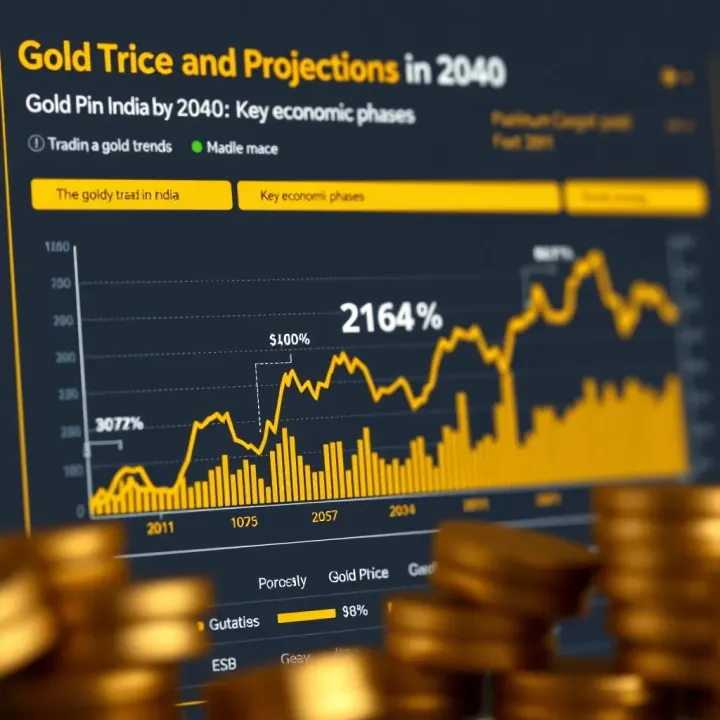
Gold Price in India by 2040: Trends and Forecasts
Discover India's gold price forecast for 2040 💰, exploring trends, key economic and geopolitical factors shaping future valuations for savvy investors.
Edited By
Liam Foster
Gold continues to hold a special place in the Indian market, not just as a symbol of wealth but also as a key investment asset. Predicting next week’s gold prices involves understanding an intricate mix of global cues and domestic factors that affect demand and supply.
Global economic indicators remain a strong influence. For example, fluctuations in the US dollar value often inversely affect gold prices. If the dollar weakens against other currencies, gold typically becomes cheaper for holders of other currencies, pushing demand and prices higher. Alongside, rising crude oil prices could feed inflation fears, encouraging investors to seek gold as a hedge.
In India, consumer patterns also shift prices. With festivals around the corner such as Akshaya Tritiya, there could be increased buying interest among retail investors and jewellers, nudging domestic prices up. Conversely, changes in import duties or trade policies announced by the government can create immediate market reactions.
Geopolitical tensions often spur safe-haven buying. Recent border tensions or unrest in key regions may trigger a spike in gold investments nationally and internationally. Traders and analysts watch these developments closely to adjust positions.
On the technical front, chart patterns and moving averages offer clues about short-term trends. If gold prices cross certain resistance levels on the Bombay Bullion Market, it might signal an upward run, while breaking support levels would suggest a pullback.
Understanding these factors together can give traders and investors a clearer edge. It's not just one element but their combined effect that shapes gold price moves that week.
US dollar index movements
Government policy announcements affecting gold imports or taxes
Seasonal buying trends in India
Geopolitical developments in Asia and the Middle East
Technical signals from major trading centres like Mumbai
Keeping track of these will aid you in making informed decisions rather than relying simply on guesswork or market rumours. The gold market’s complexity requires paying attention to both global shifts and local sentiment to navigate smartly.
Gold prices respond to a mix of global and local factors that often shift quickly. Understanding these influences helps traders and investors anticipate price movements and make informed decisions for next week’s trading.
Interest rates and inflation data directly affect gold’s appeal as a safe haven. When central banks, like the US Federal Reserve, raise interest rates, fixed income assets become more attractive, and gold often loses some shine. Conversely, higher inflation tends to boost gold demand as a hedge against currency value erosion. For instance, rising US inflation figures next week could nudge gold prices upward as investors look to protect purchasing power.
Currency fluctuations, especially in the US dollar, play a big role in gold pricing since gold is priced primarily in dollars globally. A stronger dollar usually puts downward pressure on gold prices because it becomes more expensive for buyers using other currencies. On the other hand, if the dollar weakens due to economic or political uncertainty, gold often benefits. Indian investors keenly watch the rupee-dollar exchange rate, as it influences domestic gold prices alongside the global bullion market.
The performance of major stock markets also influences gold prices. Strong rallies in stock indices like the US S&P 500 or India’s Nifty 50 reflect investor confidence, reducing the appetite for gold’s safety. However, market dips or increased volatility can push traders towards gold as a protective asset. For example, if global equities show signs of weakness next week amid economic concerns, gold prices might gain.
Indian demand for gold peaks during festivals and weddings, traditionally driving up local prices. Events like Akshaya Tritiya and the wedding season encourage families to invest in physical gold, often leading to price spikes irrespective of global trends. Observing these demand surges helps traders predict short-term price movements.
Import duties and government regulations shaping gold imports also impact prices. For example, a recent hike in customs duty would increase the landed cost, pushing retail gold prices higher. Conversely, any relaxation in import rules can ease supply constraints, softening prices. Monitoring announcements from the Ministry of Finance or the Directorate General of Foreign Trade is vital for anticipating these shifts.
Exchange rates influence domestic gold prices heavily. Since India imports most of its gold, a weaker rupee raises the cost of imported bullion, leading to price increases. For example, if the rupee weakens beyond ₹82 to the dollar next week, gold buyers in India might face higher retail rates even if global prices stay stable.
Regional conflicts and tensions often push investors to seek safe havens, lifting gold prices. For instance, flare-ups along the India-China border or unrest in the Middle East can trigger risk aversion, increasing gold demand.
Trade negotiations and tariffs affect global supply chains and market sentiment. Any new tariffs or stalled talks between major economies like the US and China could shake markets, potentially boosting gold as a refuge.
Global political stability shapes overall investor confidence. Uncertainty arising from elections, sanctions, or diplomatic spats can foster demand for gold. Tracking news around major political events next week can provide clues on possible price swings.
Traders need to watch these interlinked factors closely, as shifts in one area often ripple through the gold market, influencing prices in complex ways.
Understanding these elements equips investors and analysts with a clearer picture for navigating gold prices in the coming week.
Technical analysis plays a key role in understanding gold price movements, especially for traders and investors looking to predict short-term trends. Rather than focusing only on fundamental news, this approach examines historical price data and trading patterns to identify potential entry and exit points. It helps decode market sentiment and provides a clearer picture of where prices might head next.
Support and resistance levels refer to specific price points where gold often tends to stop and reverse direction. Support is where buying interest usually increases, preventing prices from falling further. Resistance is the opposite: a price level where selling pressure typically rises, halting upward movement. For example, if gold repeatedly bounces back near ₹48,000 per 10 grams, traders mark that as a support zone. Knowing these levels helps investors decide when to buy or sell without chasing unpredictable price spikes or drops.
Moving averages and momentum indicators smooth out price data to show trends and their strength. Common moving averages like the 50-day or 200-day help identify whether gold is in an upward or downward trend. Momentum indicators, such as the Relative Strength Index (RSI), measure speed and change in price movements, signalling overbought or oversold conditions. When gold crosses above its 50-day moving average, it could indicate strengthening prices, whereas RSI above 70 might warn of a short-term pullback. These tools enable investors to time their trades more effectively.
Trading volumes and their significance reveal how much gold is being bought and sold. High volume during a price rise confirms strong buying interest and a sustainable move. Conversely, if prices increase on low volume, the rally may lack conviction and be prone to reversal. For instance, a surge in gold volume during a festive buying season enhances trust in price trends. Volume analysis helps merchants avoid false signals and stick to movements backed by real market activity.
Volatility trends and what they imply for short-term trading show how sharply gold prices swing. Low volatility suggests steadier prices, reducing risk for cautious investors. In contrast, high volatility means bigger price fluctuations within short periods, offering both risk and opportunity for day traders or short-term investors. If gold’s daily price range widens unexpectedly, traders must brace for sudden moves and adjust stop-loss limits accordingly. Understanding volatility ensures traders align their strategies with current market dynamics rather than guesswork.
Technical analysis isn’t about blind prediction—it helps interpret market behaviour, letting investors make better-informed decisions based on past patterns and real activity.
Overall, blending support and resistance insights with moving averages and volume analysis equips investors to navigate gold price swings more confidently in the coming week.
Understanding how to prepare for gold price fluctuations next week helps investors avoid unnecessary risks and capitalise on market opportunities. Given India's strong cultural and economic ties to gold, knowing when and how to act can influence returns significantly.
Timing purchases during favourable price windows is a key tactic. Gold prices often fluctuate based on global economic data releases, local festival seasons, and geopolitical events. For example, prices may dip after a strong US Federal Reserve announcement or during a lull in Indian wedding demand. Tracking these cues allows you to buy when prices soften and sell during high-demand periods. Many investors watch technical signals like support levels and moving averages to identify ideal entry points.
When it comes to options for investing: physical gold vs digital gold, both have pros and cons. Physical gold, such as jewellery or coins, holds sentimental value and is popular in India, especially during festivals or weddings. However, it comes with making charges, storage issues, and lower liquidity. Digital gold, available through platforms like Paytm or Google Pay, offers easy transactions, no storage worries, and instant purchase and sale options. Digital gold prices closely track international rates, providing more transparent pricing. Choosing depends on your goals—long-term holding or quick trading, liquidity needs, and convenience.
Balancing gold with other assets is vital for cushioning against market volatility. While gold is traditionally a safe haven during economic uncertainty, exposure solely to gold can limit overall returns. Diversifying into equities, fixed deposits, or mutual funds spreads risk and provides multiple income streams. For instance, during times of equity market downturn, gold might hold steady or rise, helping protect your portfolio. Indian investors commonly balance gold with bank fixed deposits and stock market investments to optimise risk and returns.
Setting stop losses and managing volatility helps protect gains in a market as unpredictable as gold. Volatility can cause sudden price swings, so placing stop-loss orders limits potential losses by automatically triggering a sale once prices drop to a set level. This is especially useful in digital gold trading, where prices shift intraday. For physical gold, regular price monitoring and deciding upper and lower price thresholds for buying or selling can act as a manual risk control strategy. Being disciplined about cutting losses prevents emotional decision-making during sharp market movements.
Smart preparation means tracking events influencing gold prices carefully, understanding investment options, and actively managing risks to make informed decisions for the week ahead.
Understanding the outlook and predictions for gold prices next week helps traders and investors anticipate possible market movements and make informed decisions. This section ties together global economic indicators, technical patterns, and geopolitical factors to frame expectations on price trends. By focusing on expert opinions and upcoming events, market participants in India can plan buying or selling strategies better, balancing risk and opportunity.
Views from analysts and brokerage firms offer valuable perspectives on where gold prices might head in the short term. These insights often stem from detailed study of global cues like US inflation numbers or Federal Reserve decisions. For example, if major brokerage firms predict interest rates will remain low, analysts might expect gold to maintain support as a safe haven asset. Conversely, signs of economic recovery may lead some experts to forecast a temporary dip due to shifting investor preference towards equities.
These perspectives are practical as they distil complex data into actionable expectations. Knowing how prominent market players view near-term gold trends helps investors align their strategies, whether that means increasing physical gold holdings or waiting on digital gold platforms.
Investor sentiment indicators quantify the overall mood of market participants towards gold. Tools such as the Commitments of Traders (COT) report reveal the positions of large speculators and hedgers, highlighting whether the market leans bullish or bearish. Additionally, tracking retail sentiment through surveys or trading platform data can show if buyers are optimistic or cautious.
Practically, these indicators signal potential turning points or confirmation of trends. For instance, when sentiment turns overly bullish, it might warn of an overbought market primed for a correction. Conversely, pessimistic sentiment could highlight a buying opportunity before prices recover.
Scheduled economic releases play a major role in shaping gold price movements. Weekly releases such as US Nonfarm Payrolls, Indian Consumer Price Index (CPI), or Purchasing Managers' Index (PMI) reports often impact gold by influencing expectations on interest rates and inflation. For example, a weaker-than-expected US jobs report might push gold prices up as it reduces pressure on US interest rates.
Being aware of such data releases allows market participants to anticipate volatility spikes and manage entry or exit points more effectively. Traders often watch economic calendars closely to position themselves ahead of announcements.
Political developments impacting the market are equally important. In India, decisions on import duties affecting gold or shifts in government policies concerning GST can quickly sway demand and prices. Globally, escalating tensions in regions like the Middle East or sudden diplomatic breakthroughs can alter risk sentiment, prompting investors to seek gold as a safe haven.
Monitoring such events enables traders and investors to react to sudden market shifts. For instance, a flare-up in geopolitical tensions could spur increased physical gold purchases in India ahead of festivals, influencing price sentiment.
Keeping an eye on expert views, market moods, and key economic or political events offers a practical edge for anyone navigating next week’s gold price movements in India or globally.
Discover India's gold price forecast for 2040 💰, exploring trends, key economic and geopolitical factors shaping future valuations for savvy investors.
Explore gold price forecasts 📈 by analysing trends, economic indicators, market sentiments & global events impacting rates. Get expert insights for savvy investing 💰.
📈 Explore Reliance Industries' share price target for next week with insights on market trends, company performance, and key risks shaping its short-term outlook.
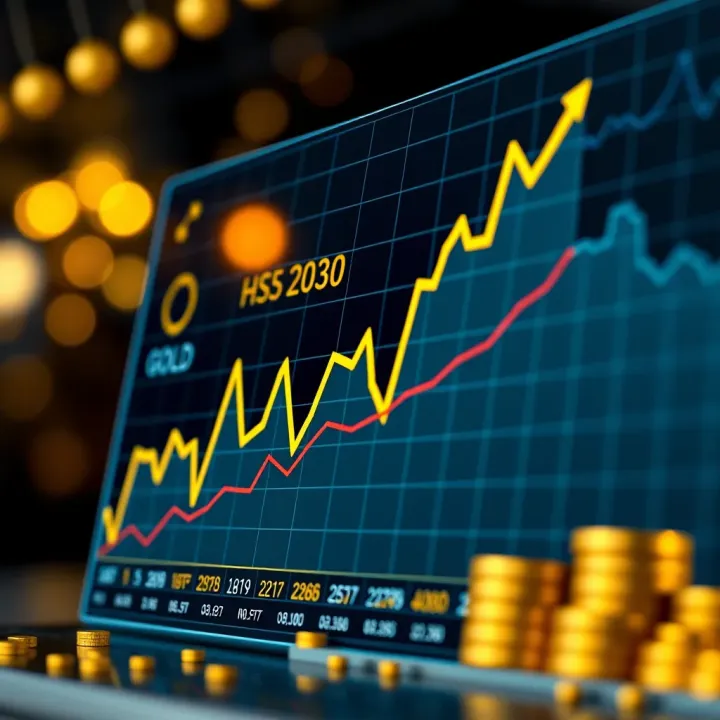
🔮 Explore the future of gold prices in India by 2030 with analysis of economic trends, demand-supply shifts, global influences, and policy impacts for informed investing.
Based on 5 reviews