
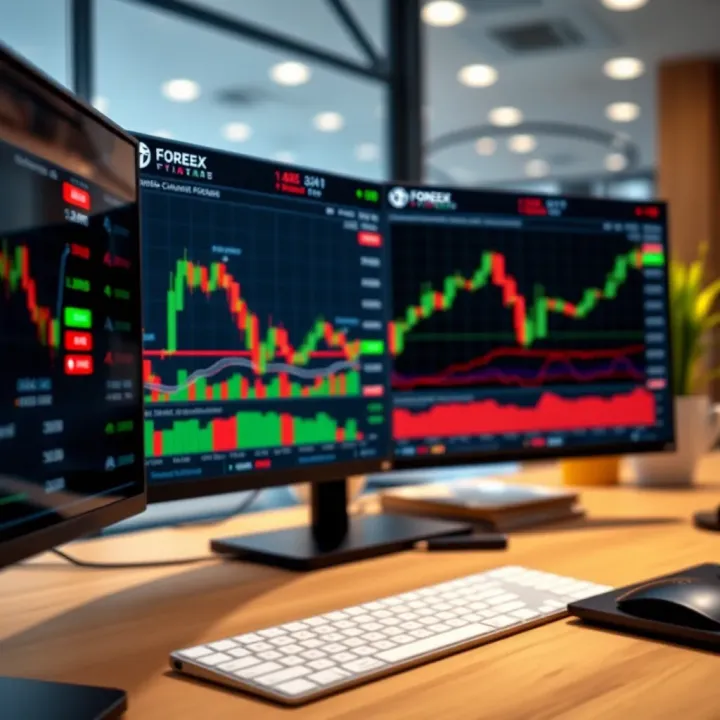
Understanding Forex Demo Accounts for Beginners
Start your forex journey with a demo account 💹. Learn its benefits, how to pick a trusted broker, avoid common errors & trade without risking real money.
Edited By
James Whitmore
A demo account in forex trading is a virtual trading platform provided by brokers that mimics real market conditions but uses virtual money instead of real funds. This account type serves as a risk-free environment where both beginners and experienced traders can explore currency pairs, test strategies, and understand how the forex market works without the fear of financial loss.
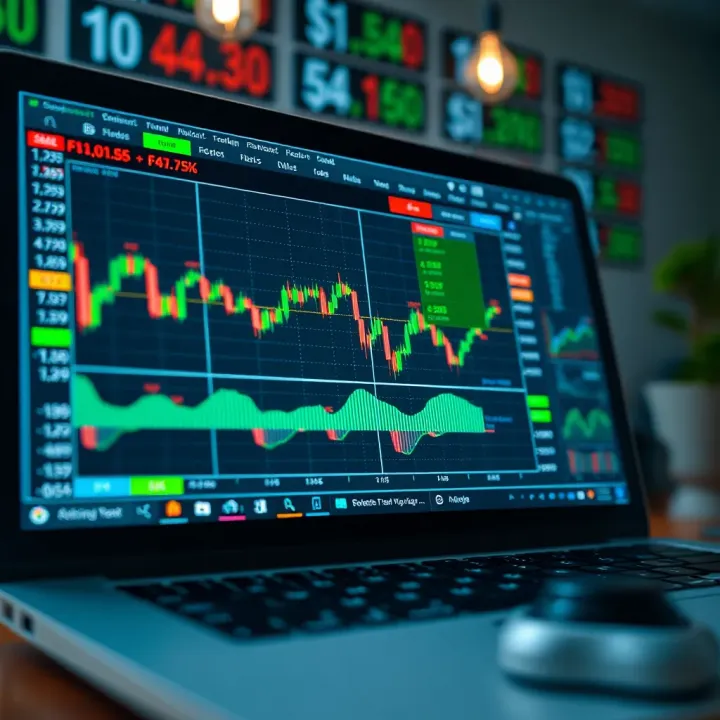
Demo accounts typically include the same features as live accounts, such as access to charts, live price feeds, and trading tools. For example, a trader can practise buying the USD/INR pair at fluctuating exchange rates without committing any actual capital. This practical experience helps build familiarity with the trading platform's interface and order execution process.
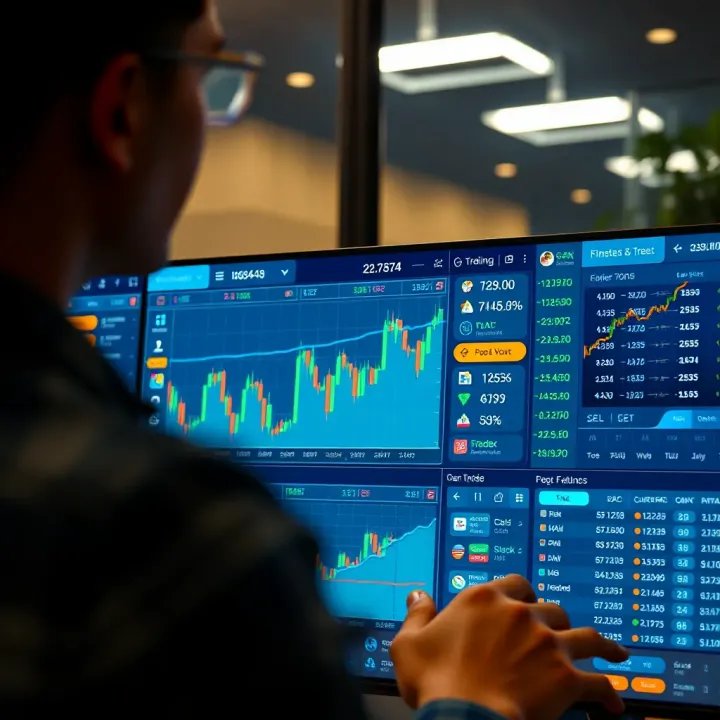
Using a demo account allows you to experiment freely and learn from mistakes, which is vital before moving to live forex trading.
Strategy Testing: You can evaluate how different approaches perform under diverse market conditions.
Market Understanding: Demo trading reveals the impact of global events on currency values without any real risk.
Building Confidence: Traders often hesitate when real money is involved. A demo account helps boost confidence by providing hands-on experience.
Virtual Capital: Brokers provide a fixed sum, usually between ₹1 lakh to ₹10 lakh, to trade virtually.
Real-Time Data: Price movements match live market data, offering an authentic trading experience.
Trading Tools: Technical indicators, charting tools, and order types mirror those on live accounts.
Unlike simulators that rely on historical data, demo accounts update prices as the market changes in real time. This feature ensures that traders face realistic scenarios.
Imagine a trader new to currency trading experimenting with the EUR/USD pair during the European Central Bank announcement. They can place virtual trades, observe volatility, and assess how news impacts positions without risking a rupee. This firsthand experience is far more insightful than reading charts alone.
This section outlines why demo accounts are an essential step in a trader’s education, enabling users to master the platform and refine techniques before committing capital in the live forex market.
A forex demo account is a practice platform provided by brokers where traders can experiment with real market conditions but without risking actual money. This presents a unique opportunity to understand the nuances of forex trading without the fear of financial loss. Whether you're a novice or an experienced trader aiming to explore new strategies, demo accounts give you a hands-on learning experience in a controlled, risk-free setting.
A forex demo account operates using virtual currency supplied by the broker. For instance, you might start with a virtual balance of ₹5 lakh to trade currency pairs just as you would in a live environment. This allows you to test buying and selling decisions, manage orders, and see how those trades would perform in the real market. The key value here is practising without monetary consequences — a critical phase before committing real funds.
The demo account helps users familiarise themselves with the broker’s trading platform interface. For example, you can navigate charts, set stop losses, customise watchlists, and explore features like technical indicators. Developing comfort with these elements ensures you don’t get overwhelmed during live trading, improving your ability to react quickly and make informed decisions.
For beginners, demo accounts are a necessary stepping stone into forex trading. Many new traders might find the complexities of leverage, margin, and price volatility confusing. Starting on a demo account gives them space to understand these without risking their savings. Imagine a college student learning to drive using a simulator before taking the wheel; similarly, demo accounts train new traders for real market conditions.
Experienced forex traders also benefit by using demo accounts to test fresh trading ideas without affecting live results. A trader accustomed to the EUR/USD pair may want to explore strategies in emerging market currencies like INR/USD before risking money. Similarly, trying different order types or adjusting leverage in demo conditions helps fine-tune strategies and improve execution once shifted to live trading.
A demo account bridges theory and real-world trading by offering a playground for gaining skills and confidence without financial risk.
In summary, understanding what a forex demo account offers — using virtual funds and practising platform navigation — is key for any trader aiming to improve their market skills securely. Both beginners and seasoned traders gain from these simulated environments to enhance their approach before venturing into live markets.
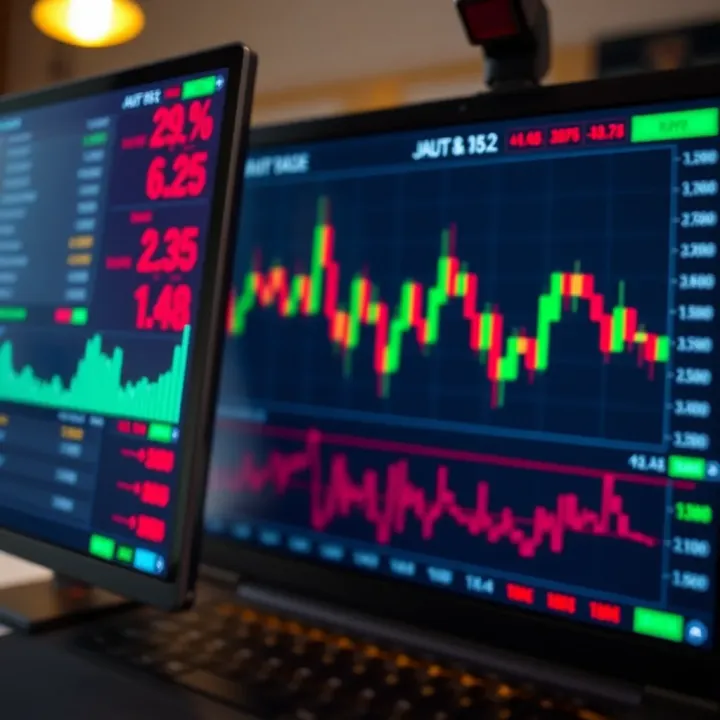
Forex demo accounts come packed with features designed to mirror live markets but without risking your real money. Familiarity with these features helps both beginners and seasoned traders understand market dynamics and test strategies effectively before moving to live trading.
Access to real-time price feeds gives demo account users the chance to trade using current market prices as they fluctuate. This feature is crucial because it teaches traders how forex pairs move in response to global events without the stress of real losses. For example, if the USD/INR rate rises sharply due to RBI policy changes, the demo account reflects this in real time, allowing you to practise reacting promptly.
Delayed data considerations refer to occasional lags in price updates on certain demo platforms. Some brokers may provide prices with a few seconds or minutes lag, which can affect the accuracy of trade execution simulation. While this doesn't fully replicate live trading speed, it still offers a reliable practice ground, especially for longer-term strategies rather than scalping that demands exact, instant prices.
Market orders, limit orders, stop loss features allow traders to practise placing different types of trades. Market orders execute immediately at available prices, while limit orders wait for a target price to fill. Stop loss orders help manage risk by automatically closing trades at specified loss levels. Practising these orders in a demo account helps build confidence in managing trades effectively once live.
Leveraged positions and margin teach users the concept of trading on borrowed funds, increasing potential gain or loss. For instance, if you have a virtual balance of ₹1,00,000 and a leverage of 1:50, you can control positions worth ₹50 lakh. This exposes you to amplified risk and reward, so demo trading with leverage helps understand margin calls and maintaining adequate margins to prevent forced closures.
Adjusting virtual balance lets traders set a starting fund that suits their learning goals. For example, a newbie might begin with ₹5 lakh virtual money to simulate realistic trading sizes, while an experienced trader could choose ₹10 lakh or more to test high-stakes strategies.
Setting up watchlists helps you monitor chosen currency pairs or other assets quickly without scanning entire markets. Custom watchlists improve focus by tracking key pairs like EUR/USD, GBP/INR, or JPY/USD. This streamlines decision-making during demo trading, making the practice environment closer to a real trading desk.
Exploring these features in demo accounts creates a bridge between understanding theory and handling practical market conditions. This hands-on familiarity is invaluable before taking real trades in forex markets.
Forex demo accounts offer several practical benefits, especially for those stepping into the complexities of currency markets. They create a safe space to learn, test, and build confidence before getting into the real action where actual money is at stake.
Understanding forex volatility: The forex market is famously volatile, meaning prices can swing sharply over short periods. Demo accounts help traders grasp this constant ebb and flow without the stress of losing money. For example, in 2023, sudden RBI interest rate changes led to quick movements in the rupee-dollar pair. Practising with such live data on a demo account allows traders to experience and understand volatility firsthand.
Avoiding financial losses: By using virtual funds in a demo account, traders can experiment freely. This means you can try buying or selling currencies like USD/INR or EUR/USD without worrying about financial damage from mistakes. This cushion is particularly useful for freshers, as they get to learn the ropes while protecting their savings.
Practising entry and exit strategies: Making the right call on when to enter or exit a trade is key in forex. Demo accounts allow you to refine these timings by putting various strategies to the test. Suppose you are practising a breakout strategy during volatile times in the Nifty forex futures market. Seeing how this plays out on a demo helps you understand the subtle triggers without risking real capital.
Developing trading discipline: Forex trading demands patience and discipline; emotions can easily sway decisions. Using a demo account repeatedly to stick to planned strategies helps build this discipline. Traders get used to following stop-loss triggers or taking profits at set points, which is crucial when they eventually trade live.
Evaluating user interface ease: Forex platforms differ widely in complexity. Demo accounts allow users to explore the interface, understand order placement, and navigate features without pressure. For instance, platforms like MetaTrader 4 and 5 or Zerodha’s Kite can be evaluated for their user experience, helping traders choose what suits their style best.
Exploring charting and analysis features: Chart tools and indicators are vital for making informed trades. A demo account provides the playground to examine real-time charts, set indicators like RSI or MACD, and perform technical analysis. Familiarity with these features beforehand improves decision-making and speeds up trading execution on live accounts.
Starting with a demo account helps traders avoid costly mistakes while sharpening skills needed for real market success. Use this time to experiment, learn, and grow confident before putting your hard-earned money on the line.
While demo accounts give a safe space to learn forex trading, they come with some limitations you should keep in mind. Experience gained on a demo platform is helpful but not exactly the same as live trading. Missing the emotional aspect and subtle execution issues may affect your real trading performance. Knowing these differences helps you prepare better before moving to a live account.
Trading with virtual funds removes real money stress. It’s easier to make decisions without worrying about losses. For example, closing a losing position on a demo account feels less daunting than with actual capital at stake. This can give a false sense of confidence and encourage riskier moves than you’d attempt in live markets.
In real trading, fear and greed often play a big role. Sudden market swings can lead to panic selling or holding losing trades far too long. Since demo accounts lack this psychological pressure, adapting to live emotions is a crucial step.
Demo accounts sometimes don't reflect the exact execution speed of live trading. They often run on servers designed more for learning than real-time speed. This may mean executions happen instantly even during volatile markets where live orders might face slippage or delays.
Such differences can impact how stop losses or take profits trigger. For example, in fast moves seen during economic announcements, your demo trades might close at expected prices but live trades can differ, affecting outcomes.
Once inside a live account, controlling emotions becomes a priority. Developing discipline to follow your trading plan is vital during this phase. Start by trading small position sizes, so losses don’t feel overwhelming but you still experience real market reactions.
Keeping a trading journal to record emotional responses helps too. If you notice hesitation or impulsive decisions, address these before increasing trade size. Many traders practice meditation or deep breathing to stay calm during volatile sessions.
It’s tempting to jump in with large lots after successful demo runs. However, live funds call for more cautious money management. Position sizing should be adjusted to a fraction of your trading capital – typically 1 to 2% risk per trade.
For instance, if your live trading capital is ₹2 lakh, risking about ₹2,000 on a single trade is safer. This helps absorb natural losses without wiping out your account. Gradually increasing trade size comes with confidence and proven strategies under live conditions.
The key is to treat the shift to live trading as a new learning curve. Recognise demo trading benefits yet stay aware of its limits to protect your capital and develop consistent profitability.
By understanding these practical differences and preparing accordingly, you’ll improve your chances of smooth and successful live forex trading.
Mastering the use of a forex demo account is key before jumping into live trading. A demo lets you practise without risking real money, but its true value lies in how purposefully you use it. Approaching this practice with clear goals, replicating real market scenarios, and knowing when to switch to live trading can make a big difference.
Focusing on specific strategies helps keep your practice sessions focused rather than random. For instance, you might start with trend-following strategies and observe how they behave in different market conditions. This targeted approach saves time and allows you to understand what works best for your trading style rather than dabbling with everything at once.
Tracking progress and mistakes is equally important. Maintain a trading journal to note your trades, the reasons behind them, and their outcomes. Over time, this habit uncovers patterns in your decisions, helping to identify strengths and weak spots. For example, you may notice repeated losses during high volatility, signalling the need to adapt your approach.
Using realistic lot sizes ensures your demo experience matches live trading's emotional and financial dynamics. It’s tempting to use huge virtual sums, but trading with sensible lot sizes better prepares you for real money trading. Imagine practising with micro lots that mirror your intended live trade sizes; this way, you get accustomed to actual profit and loss ranges.
Following market news closely sharpens your skills in reacting to real-time factors affecting forex prices. Keep tabs on economic indicators, RBI policy updates, or geopolitical events while demo trading. Simulating how news impacts your trades teaches you to plan entries and exits in a live environment more effectively.
Demo accounts are only as useful as the effort and realism put into practice sessions. Treat it like live trading for best results.
Signs of consistent profitability suggest readiness to enter live markets. If your demo account shows steady gains over weeks or months and you can explain the reasons behind your winning trades, it's a green flag. This consistency reduces the guesswork and builds confidence.
Confidence in risk management must precede real trading. Being able to control losses using stop losses, position sizing, and avoiding over-leveraging during demo trading reflects your preparedness. Confidence here means understanding how much risk to take per trade and sticking to those limits without emotional interference.
Using a demo account effectively isn’t just about practising trades; it’s about practising smart, realistic trading with clear goals and discipline. When you combine these elements, your move to live forex trading stands on solid ground.
Start your forex journey with a demo account 💹. Learn its benefits, how to pick a trusted broker, avoid common errors & trade without risking real money.
📈 Learn how demo trading accounts in India let you practise stock trading risk-free. Get tips, platform comparisons, and step-by-step guidance to boost your skills.

💹 Explore how forex demo accounts help Indian traders practise risk-free, understand platforms, and build confidence before investing real money in the market.
Learn the basics of forex trading online with our practical guide 📈 Explore key strategies, platforms, risks, and regulations tailored for Indian traders.
Based on 13 reviews