
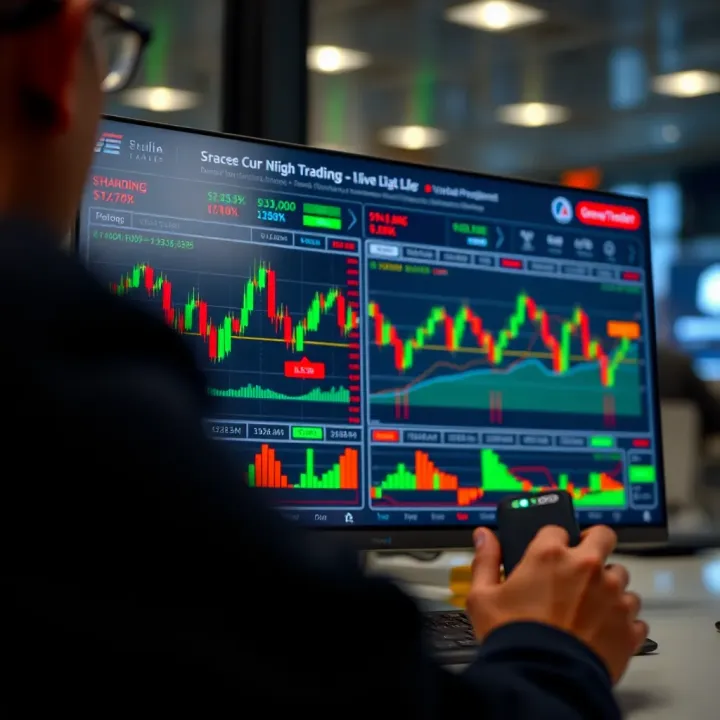
Understanding Demo Trading Accounts in India
📈 Learn how demo trading accounts in India let you practise stock trading risk-free. Get tips, platform comparisons, and step-by-step guidance to boost your skills.
Edited By
Grace Turner
Demo accounts have become a staple tool for traders and investors looking to sharpen their skills without putting actual money at risk. These accounts simulate real-market conditions, allowing users to experiment with strategies, understand market dynamics, and get comfortable with trading platforms before diving into live trading.
In India, where market volatility and sudden regulatory changes can heavily impact investments, demo accounts provide an invaluable cushion. They enable traders to practice handling unexpected market swings just like they would during real trading sessions on platforms like Zerodha, Upstox, or Angel Broking.
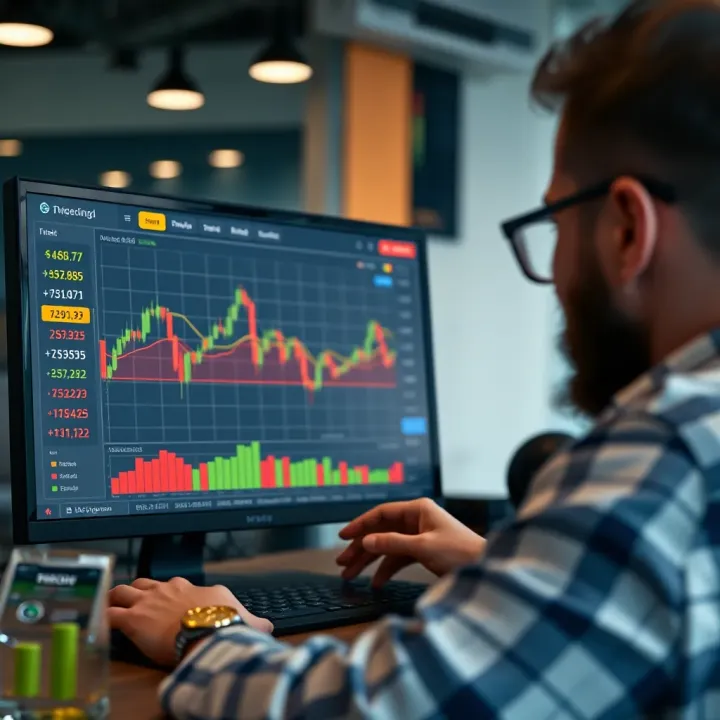
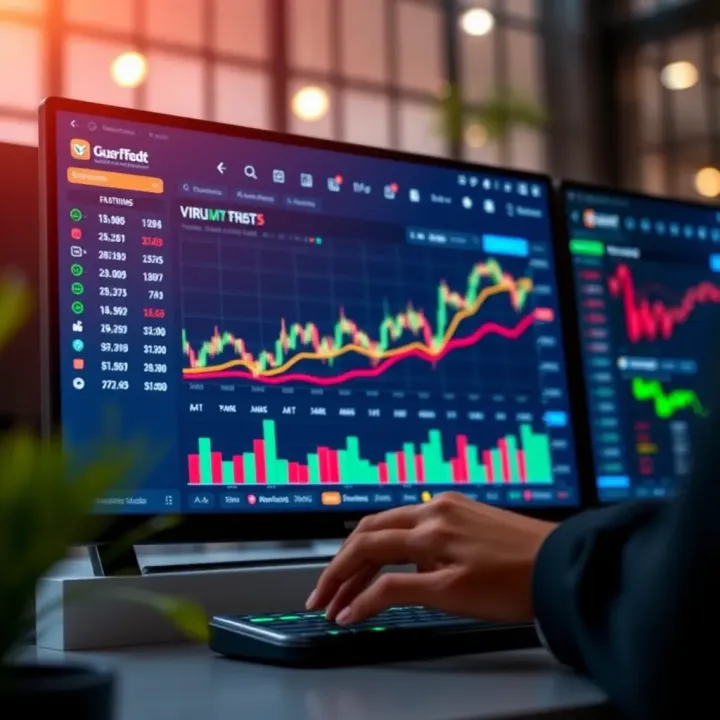
Another key feature often found alongside demo accounts is colour trading, where different colours on trading platforms represent market trends, order books, or price movements. For example, green and red colours typically indicate bullish and bearish movements respectively, making it easier for traders to gauge market sentiment at a glance. In platforms such as NSE’s trading terminals or the BSE interface, colour coding helps reduce cognitive load and quickens decision-making.
Demo accounts let you learn the ropes free of financial stress, while colour coding offers quick visual cues—together, they improve your trading accuracy and confidence.
Demo accounts generally offer:
Virtual funds that mimic real money, allowing risk-free trial and error.
Access to live market data ensuring practice is aligned with current conditions.
Tools to test systematic investment plans (SIP), day trading styles, or long-term investment strategies without worrying about losses.
Colour coding can extend beyond simple price movements. It also helps highlight order book depth, buy-sell imbalances, and volume spikes, all vital data points for those trading derivatives or intraday.
For Indian traders looking to break into markets or upgrade their techniques, combining demo accounts with understanding of colour-coded signals offers a practical route to mastery. It’s like having a practice pitch before the real cricket match—only here, your knowledge and timing can directly protect your capital.
A demo account serves as a practice tool for traders who want to understand financial markets without risking actual money. It replicates real trading environments, allowing users to place buy or sell orders using virtual funds. This makes it a valuable stepping stone, especially for beginners and those developing strategies before committing real capital.
At its core, a demo account provides a risk-free space to try out different trading techniques. Imagine you're a new trader wanting to test how gold prices react to certain economic news—doing this on a real account could lead to losses. A demo lets you experiment freely, build confidence, and make mistakes without affecting your finances.
For someone just starting with trading, jumping into live markets can be overwhelming. Demo accounts simplify this entry by offering an interactive way to learn basics such as order types, chart reading, and market timing. For instance, a fresher can practice placing stop-loss orders or managing positions, gaining hands-on experience that a textbook alone won’t provide.
Beyond beginners, even experienced traders use demo accounts to trial new approaches under real market conditions. Suppose you want to try scalping currency pairs during volatile hours; the demo environment lets you assess if this strategy works without burning money. This practice helps fine-tune timing, position size, and risk management under close-to-real conditions.
Demo accounts come pre-loaded with virtual funds, typically ranging from ₹1 lakh to ₹10 lakh, depending on the platform. This 'play money' allows you to execute trades without actual financial exposure. You can reset the balance anytime, so it’s like having unlimited chances to get things right.
While using a demo, you get live market feeds reflecting real-time price movements. This means the charts and prices update as they do in actual trading sessions. Having genuine data ensures your practice aligns with actual market behaviour, avoiding scenarios where outdated or inaccurate information could mislead learning.
A good demo account simulates order execution as it happens in live markets, including slippage and latency effects. For example, if the market moves rapidly, the price you see when placing an order might differ slightly from the execution price. Experiencing this builds realistic expectations, preparing you for live trading complexities.
Using a demo account effectively bridges the knowledge gap, helping you enter live markets better prepared and with less risk of costly errors.
In summary, demo accounts offer a practical, no-risk method to learn trading mechanics, try strategies, and develop confidence by using virtual money, real market data, and simulated order execution. This combination makes them an indispensable tool for traders and investors at all levels.
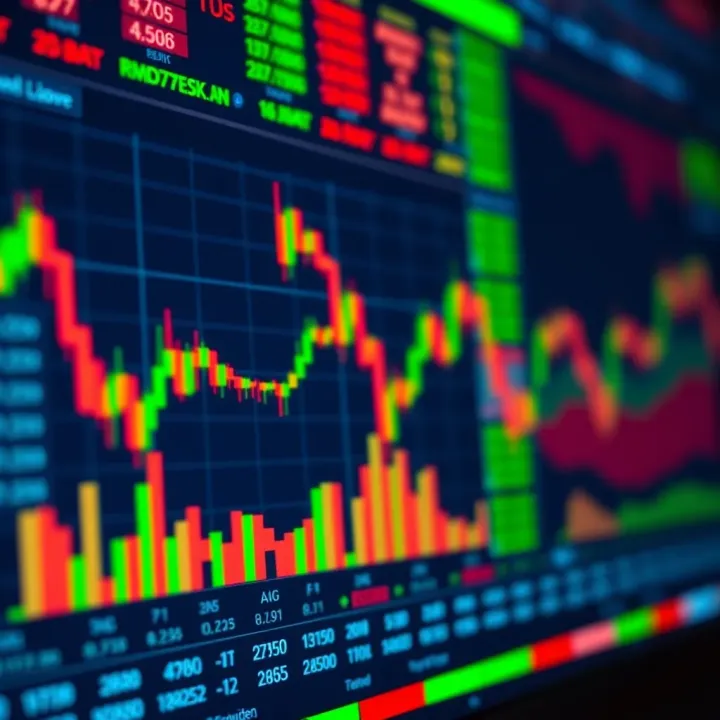
Colour coding plays a key role in trading platforms by providing instant visual cues about market movements. For traders, recognising these colours quickly helps in identifying the current market mood without digging through complex data. Especially for intraday trading or fast-moving markets, colour codes act like a traffic signal—saving precious seconds that can mean the difference between profit and loss.
Green typically signals that a stock or commodity price is going up. When you see green on a chart or in a price ticker, it usually means buying momentum is strong. Traders often interpret green as an encouragement to enter buy positions or hold long trades. For example, during the festive season in India, stocks of retail companies like Titan or Avenue Supermarts might turn green as consumer demand rises, signalling bullish behaviour.
Green also serves as a psychological boost. Seeing a green price can create confidence for novice traders practising on demo accounts, helping them understand market optimism in real time.
Conversely, red indicates that prices are falling or that there is selling pressure. It warns traders against buying at that moment and might suggest exiting positions if already holding them. In volatile sessions, such as after RBI monetary policy announcements, the index might flash red often, reflecting cautious or bearish sentiment.
Red alerts traders to slow down and reassess rather than rush into trades blindly. It also helps users on trading platforms quickly spot losses during rapid market falls, supporting timely decision-making.
Besides green and red, platforms use other colours for various alerts or statuses. Yellow or orange can indicate price holds, consolidations, or minor movements where traders might prefer to watch rather than act. Blue or purple might show pending orders, stop-loss placements, or special alerts.
These additional colours help traders manage complexity by distinguishing actions and states beyond mere price direction. For instance, a yellow bar on a candlestick chart might hint the market is indecisive, signalling a wait-and-watch approach.
Colour coding simplifies the interpretation of charts and price lists by offering immediate visual signals. Traders don’t need to calculate or process volumes or price changes manually—they can glance at green or red colours to gauge the trend direction.
In Indian markets, where price swings can be sharp, these cues let traders respond rapidly. This is particularly useful during volatile periods like budget announcements or earnings seasons.
Because trading often involves split-second choices, colour cues fast-track decisions. Instead of reading through numbers or indicators, traders get an almost instinctive feel of market sentiment.
For example, when scanning the Nifty 50 index, seeing a majority of green stocks can nudge traders to shift towards buying, while red prevalence advises caution. This speed is crucial for day traders and brokers managing multiple accounts at once.
Fast markets can lead to mistakes if traders misread or miss signals. Colours act as safeguards by reducing cognitive load. When prices drop sharply, a red blink can immediately alert traders to potential losses, prompting timely exits.
This visual reinforcement curbs impulsive or emotional errors, especially for beginners. It’s like having an extra pair of eyes that flag important information effortlessly, making trading safer and more disciplined.
Colour coding is not just for aesthetics—it’s a vital tool that helps traders interpret complex market data swiftly, improving both accuracy and reaction time in trading decisions.
Demo accounts present a safe space to practise trading, especially when using colour-based signals that clutter typical platforms. By working with virtual money in a simulated environment, traders can familiarise themselves with how colour cues guide market movements without the stress of losing real capital. This practice sharpens one's ability to react quickly and accurately when these visual prompts appear in real market conditions.
Interpreting colour signals in demo setups allows traders to gain hands-on experience understanding what each colour means in different market contexts. For instance, green candles or green arrows usually signify rising prices or buy signals, while red indicates falling prices or sell signals. Using a demo account helps traders see how these colours change in response to market conditions and volume, helping them internalise these patterns before investing real money.
Applying entry and exit strategies based on colours becomes more intuitive through repeated practice in demo accounts. Traders can test how entering a position at the onset of a green signal and exiting at a red signal works without financial risk. This helps develop timing skills and discipline, reducing rash moves under pressure. For example, one could set rules like "enter on two consecutive green signals and exit if a red candle appears," then see how that strategy plays out in different scenarios.
One clear advantage of demo accounts is the ability to track wins and losses without financial impact. This tracking allows traders to study their performance over days, weeks, or months, noting how often colour-based signals led to profitable trades versus failures. It creates a feedback loop where mistakes don't cost money but provide vital lessons on when colour cues might be misleading or require confirmation with other indicators.
Adjusting strategies after review becomes systematic through the demo setup. After examining trade outcomes, traders can change entry and exit criteria, such as ignoring certain colour signals during volatile periods or combining colours with volume data. This ongoing refinement helps create a personalised approach suited to one's trading style and market conditions. Demo practice encourages honesty about weaknesses and strengths without the financial pressure of live trading.
Practising colour trading on demo accounts lets you gain confidence and fine-tune decision-making skills, preparing you well for real market challenges.
In sum, using demo accounts for practising colour trading equips traders with better understanding, practical decision skills, and the chance to build sound strategies without risking capital upfront. This preparation proves invaluable when transitioning to live markets where speed and accuracy matter most.
Using demo accounts alongside colour trading tools can be powerful when you know how to get the most from them. These practical tips help traders avoid common mistakes and make the practice as close to real trading as possible, which matters a lot for gradually building confidence and skill.
When selecting a demo platform, focus on features like real-time market data, a reasonable balance of virtual funds, and reliable execution simulation. For instance, platforms linked to Indian exchanges like NSE or BSE can offer data closer to actual live markets, which helps in understanding how price movements happen during the trading day.
Beyond features, the user interface matters greatly, especially the colour schemes. Look for platforms that use clear and consistent colour coding—green for buy signals and red for sells, for example—as it makes deciphering market moves much faster. A cluttered or confusing interface can slow down decision-making, which is risky even in demo trading. Platforms like Zerodha’s Kite or Upstox Pro provide clean interfaces with intuitive colour displays that can improve your learning process.
One key trap is getting overconfident because simulated profits feel safer by nature. Demo accounts don't involve real money, so traders may take bigger risks or ignore market psychology. For example, it’s common to double down on trades without fearing loss, which hardly resembles live markets where your own capital is at stake.
Another overlooked aspect is the emotional dimension of real trading. Fear and greed heavily impact live decisions, and demo accounts can’t reproduce that fully. A trader might consistently perform well on a demo but freeze or panic when actual money is involved. Recognising this gap early helps you mentally prepare before transitioning.
A gradual shift to live markets works best. Start with small investments or partial position sizes to limit risk while gaining exposure to real market pressure. This way, you can feel the emotions and reactions missing during practice.
At the same time, be ready to adjust strategies under live conditions. Demo trade setups might face issues like slippage, unexpected volatility, or sudden news impact that weren’t apparent before. Keeping a trading journal during this phase helps identify how your approach should change to cope.
Using demo accounts effectively means treating them not just as practice but as a stepping stone towards the psychological and strategic realities of live markets.
In short, pick platforms wisely, avoid common demo traps, and transition carefully to make the most of demo accounts and colour trading.
Bringing demo accounts and colour trading together enhances your readiness for the live market. Demo accounts provide a risk-free platform to test your strategies, while colour coding simplifies decision-making during fast-paced trading hours. When used wisely, these tools build your confidence and sharpen practical skills before risking real money.
Risk-free learning: You can familiarise yourself with market dynamics without losing money, which is invaluable for newcomers and experienced traders testing new strategies.
Real-time market simulation: Demo accounts mirror live market conditions, allowing trades to respond to real price movements and volatility.
Visual clarity with colour coding: Quick visual cues enable faster interpretation of market trends, reducing your reaction time.
Strategy refinement: Repeated practice on demo accounts helps identify strengths and weaknesses in your trading approach.
Boosts confidence: Consistent demo trading success translates into better preparation for real trades, making the transition smoother.
Indian traders should pair demo account usage with solid market education. This two-pronged approach helps ground your trading decisions in knowledge, reducing impulsive decisions. For example, if you learn about candlestick patterns and then see them illustrated in your demo platform with colour coding, the practical connection deepens your understanding.
Webinars, online courses, and books from Indian financial educators complement your demo practice. This combination equips you to handle different market scenarios realistically and prepares you to navigate India’s unique market events such as earnings season or RBI announcements.
Colour coding in trading platforms speeds up your ability to spot opportunities or warning signs. For instance, green highlights on rising stocks or red on falling ones instantly draw your attention. This clarity proves especially helpful during volatile periods in the Sensex or Nifty 50 when quick decisions can protect profits or limit losses.
You can train yourself, using the demo environment, to act swiftly on these colour cues without getting overwhelmed. Over time, this practice sharpens your instincts and reduces the risk of hesitation when real money is involved. Indian traders who master this often find themselves better equipped to balance fast market movements with clear-headed analysis.
Using demo accounts alongside colour trading isn’t just about practising trades; it’s a way to build discipline, sharpen market instincts, and prepare confidently for the live market challenges that every trader faces.
📈 Learn how demo trading accounts in India let you practise stock trading risk-free. Get tips, platform comparisons, and step-by-step guidance to boost your skills.

Crypto demo trading lets you practise cryptocurrency trades without risking real money 💰. Learn how to develop skills safely in this practical guide 📈.
Start your forex journey with a demo account 💹. Learn its benefits, how to pick a trusted broker, avoid common errors & trade without risking real money.
💹 Discover how demo trading accounts help Indian traders practise without risking money, sharpen skills, test platforms, and gain confidence for live market success.
Based on 13 reviews