
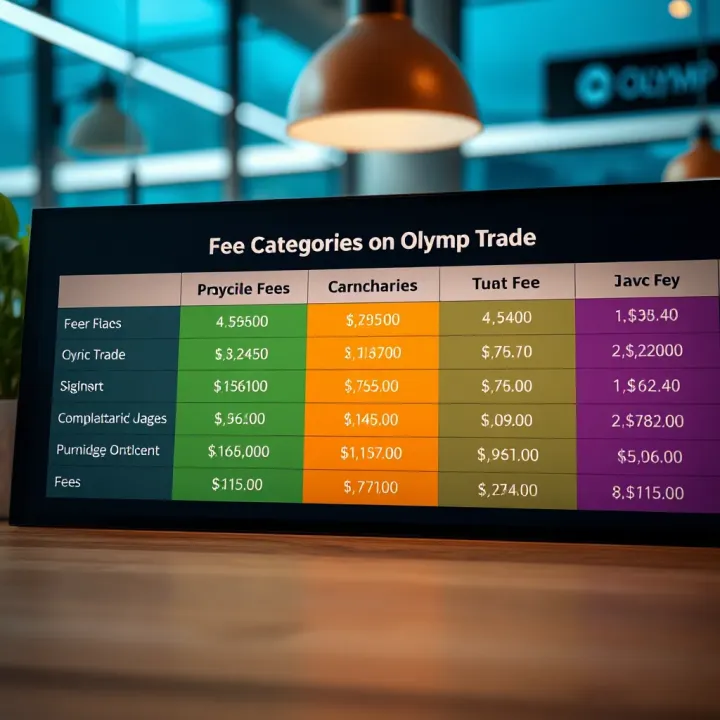
Charges on Olymp Trade Explained Clearly
📊 Understand all charges on Olymp Trade: transaction fees, withdrawal and deposit costs, inactivity fees. Learn how to avoid extra charges and manage your trading funds smartly.
Edited By
Ethan Reynolds
Olymp Trade is a well-known name in the online trading world, especially popular among traders looking for a straightforward platform to buy and sell assets like currencies, stocks, and commodities. Originating in 2014, this platform was developed by a company called Smartex International Ltd, registered in Saint Vincent and the Grenadines. The location is often chosen by firms because of its favourable business environment and lower regulatory hurdles.
Despite its registration, Olymp Trade has taken numerous steps to build trust through regulation. It holds a licence from the International Financial Commission (FinaCom), a respected independent organisation that protects traders by ensuring fair practices and offering compensation in case of disputes. This regulatory cover gives users extra confidence, especially Indian traders who often seek some assurance when entering global trading markets.

Olymp Trade has gained traction in India due to its user-friendly interface and support for multiple Indian payment methods such as UPI and net banking, making deposits and withdrawals smooth. It offers educational resources customised for Indian investors who may be novice to trading. Plus, its demo accounts allow users to practise without risking real money, a valuable tool for freshers learning the ropes.
The platform operates globally, with users from over 130 countries. It supports different languages and adjusts its interface to regional needs, helping users feel at home regardless of geography. This wide reach also means Olymp Trade competes directly with Indian brokers and global giants, pushing it to keep enhancing its features, security, and customer service.
The combination of clear regulatory backing, adaptable technology, and localised support places Olymp Trade as a significant player in the online trading space, especially for those in India looking to explore global financial markets securely.
Understanding its origin and global footprint helps traders see why Olymp Trade remains a practical choice amid many platforms, balancing ease of use with credible safeguards.
Understanding the origin and background of Olymp Trade helps traders and investors grasp the platform’s foundations, which influences its operations and credibility. Olymp Trade was launched with a clear vision to provide accessible and reliable online trading services, especially catering to retail traders across multiple countries. Knowing where and how it began offers insight into the platform's growth strategy and its alignment with regulatory frameworks.
Olymp Trade was established in 2014 in Saint Vincent and the Grenadines, a popular jurisdiction for online financial trading companies due to its favourable regulatory environment. Despite the offshore registration, the platform quickly focused on building a global presence, especially in Asia, Africa, and Latin America. This offshore base allows Olymp Trade to operate with relatively flexible compliance requirements compared to traditional financial hubs, though it adheres to important regulatory standards for user protection.
Olymp Trade operates under the parent company Smartex International Ltd. This setup allows for efficient management of diverse operations across regions. The ownership structure remains privately held, which helps the company swiftly adapt to changing market needs without the pressure of public shareholder expectations. Such a corporate arrangement supports ongoing investments in technology, user experience, and market expansion.
Initially, Olymp Trade targeted emerging markets with growing internet penetration and demand for online trading, including India, Southeast Asia, and parts of Africa. This focus proved smart, given the expanding middle class and rising interest in financial markets in these regions. The platform’s easy-to-use interface and availability of educational resources encouraged novice traders to start trading without steep learning curves. Over time, Olymp Trade grew to serve millions of users worldwide, gradually adding more trading instruments and improved features to maintain its competitive edge.
The company's early strategic push into emerging markets like India and Indonesia helped build a loyal user base before many global competitors established strong footholds there.
By understanding Olymp Trade's roots—from its founding location to its corporate structure and strategic growth focus—you better appreciate how it operates today in multiple markets, including India. This context also helps traders assess the platform’s legitimacy and long-term stability before investing.
Understanding the regulatory status of a trading platform like Olymp Trade is essential for traders, especially those who handle significant investments. Licensing provides a level of reassurance, indicating that the platform operates under certain legal and financial standards. This means users have some protection against fraud, malpractice, or sudden shutdowns, which can be common concerns in the online trading space.
Olymp Trade is regulated by the International Financial Commission (FinaCom), an independent organisation that supervises trading platforms to ensure compliance with fair practices. This specific licence is not the same as regulations in major jurisdictions like the Securities and Exchange Board of India (SEBI) or the Financial Conduct Authority (FCA) in the UK. However, FinaCom’s oversight adds a layer of credibility by enforcing dispute resolution and protecting client funds up to a certain limit.
The lack of a SEBI licence means Indian traders should exercise caution and understand the risks involved. Despite this, Olymp Trade complies with rules typical for international brokers and offers features like segregated accounts for client money, which minimises the risk of misuse.
Regulatory oversight significantly impacts user security by enforcing standards on fund handling, transparency, and operational integrity. Olymp Trade’s commitment to these standards means users benefit from fair trade executions and have formal channels to resolve disputes if they arise.
For example, traders find confidence knowing the platform must keep client funds separate from operational money and undergo regular financial audits. Additionally, data protection laws require Olymp Trade to handle personal user information securely, reducing the risk of data misuse or breaches.
Still, the platform’s regulatory status should never replace the due diligence traders perform themselves. It is wise to combine this with understanding the platform’s trading conditions and verifying that it fits individual investment goals.
Compared to Indian brokers regulated by SEBI, Olymp Trade's regulatory status is more limited but typical for many international platforms targeting global users. Indian brokers generally enjoy stricter oversight, which comes with more robust investor protection mechanisms.
Platforms like Zerodha or Upstox hold SEBI licences and offer comprehensive regulations tailored for Indian laws, including investor grievance redressal. Meanwhile, Olymp Trade’s international licence suits traders who want access to global markets and features, but it requires confidence in international regulatory bodies.
When choosing a trading platform, always weigh regulatory credibility alongside other factors like trading costs, platform stability, and customer support.
In short, Olymp Trade carries a legitimate international licence that provides reasonable protection but lacks some protections Indian traders get from SEBI-licensed brokers. Traders must balance these factors carefully based on what suits their trading needs and risk appetite.
Olymp Trade has made a noticeable push to accommodate Indian traders, reflecting its strategy to expand in a market with growing interest in online trading. Understanding how the platform caters to Indian users clarifies its potential usability, convenience, and appeal in India’s diverse financial landscape.
One significant feature for Indian traders is the platform’s support for transactions in Indian Rupees (₹). Transacting directly in INR helps users avoid conversion fees, which can quickly add up, especially for frequent traders. Olymp Trade accepts widely used local payment methods, including UPI (Unified Payments Interface), net banking, and wallets like Paytm and PhonePe. These options suit the Indian market well, as digital payments have become the norm for both urban and semi-urban users. Additionally, Olymp Trade offers bank transfer and debit/credit card payments, increasing flexibility.
This localised approach removes barriers to entry, allowing traders to deposit and withdraw funds with ease and at lower costs — something many foreign platforms overlook. For example, a trader in Bengaluru can top up their account using Google Pay quickly, without frustrating delays or unexpected charges.
Olymp Trade’s interface is customised to suit Indian traders, with features like Hindi language support and tutorials that cover Indian-specific financial regulations where relevant. The platform’s mobile app is optimised for slower internet speeds common in tier-2 and tier-3 cities, improving accessibility. This localisation extends to trading instruments as well, where Olymp Trade provides options relevant to Indian markets.
Moreover, the platform simplifies complex trading concepts, which helps freshers or traders transitioning from traditional markets. For instance, demo accounts with virtual ₹1 lakh allow users to practice without risking real money, a useful feature for those getting acquainted with digital trading platforms.
Robust customer support strengthens Olymp Trade’s credibility among Indian traders. The platform offers dedicated customer service with support in regional languages including Hindi and Tamil, which reduces communication gaps. Support channels include live chat, email, and phone assistance, giving users the comfort of quick help when needed.
Unlike many international platforms, Olymp Trade’s support centres operate during Indian business hours, making resolution of issues timely. For example, a Mumbai-based trader experiencing a withdrawal delay can directly connect with an agent familiar with Indian banking procedures, streamlining problem-solving.
The focus on local currency use, payment options suited to Indian fintech trends, and regionalised support make Olymp Trade a pragmatic choice for traders looking to engage with online trading from India.
Clear consideration of Indian users’ needs helps Olymp Trade stand out in a competitive market, illustrating the platform’s commitment to making digital trading practical and accessible across the country.
Security measures and a stable trading environment form the backbone of any successful online trading platform, including Olymp Trade. Traders must trust that their funds and personal data are safe and that the platform will perform reliably even during periods of high market volatility. This section explains how Olymp Trade manages risks, employs advanced technology, and safeguards user information — factors that directly impact the trading experience.
Olymp Trade uses several risk management practices to protect traders from unexpected losses and fraudulent activities. It implements real-time transaction monitoring to detect suspicious trades or account behaviour quickly. For instance, if a user suddenly places an unusually large order or accesses the account from a new device, the system flags it for further verification. The platform also enforces limits on daily withdrawals and trade sizes to discourage reckless behaviour and minimise potential damage in case of cyberattacks.
Moreover, Olymp Trade educates its users on risks by offering tutorials and demo accounts, helping traders practice without risking real money. This practical approach reduces chances of mistakes that can lead to fraud or significant losses.
A trading platform’s technology infrastructure determines its responsiveness and reliability. Olymp Trade invests in robust server systems with load balancing to ensure smooth operations during peak trading hours. In India, where internet speeds can fluctuate, the platform’s optimisation for lower bandwidth is a practical advantage. It prevents frequent disconnections and reduces lag, especially important when every second counts in options trading.
The platform supports multiple devices, including Android mobiles, iOS devices, and desktops, using consistent interfaces. Regular updates fix bugs, enhance features, and plug vulnerabilities, maintaining overall system health. For example, during volatile market events like budget announcements or RBI policy changes, Olymp Trade’s stable platform helps traders execute trades without delay.
User data protection is not just a legal requirement but a trust factor for traders. Olymp Trade complies with strict data protection norms, encrypting sensitive information such as passwords and transaction records. The platform uses Secure Socket Layer (SSL) certificates to create a secure channel between users and its servers.
Data access is restricted internally, with multi-factor authentication (MFA) available for traders to add an extra security layer. This means even if a password is compromised, unauthorised access remains difficult. Additionally, Olymp Trade’s privacy policy clearly states how user data is collected, stored, and used, aligning with global standards to provide transparency.
Traders should always prioritise platforms that combine strong risk management, reliable technology, and solid data protection to ensure a safe trading environment. Olymp Trade’s measures reflect this balance, helping users focus on trading rather than worrying about security.
Together, these security and stability features make Olymp Trade a suitable choice for traders, particularly those in markets like India where technology and fraud concerns often impact online activities.
Understanding how Olymp Trade compares with other trading platforms helps traders and investors make informed decisions. When you’re choosing where to park your money or spend time learning a new tool, knowing the unique features, costs, and reputation of a platform matters. It’s not just about flashy adverts; the real test is how these elements improve your trading experience and outcomes.
Olymp Trade provides several features designed to attract both beginners and experienced traders. One notable aspect is its straightforward interface that makes navigation less daunting for those new to online trading. Besides classic assets like currency pairs and stocks, Olymp Trade offers fixed-time trades (FTT), allowing traders to predict asset price movements in short bursts—typically between one minute to an hour.
Tools such as technical indicators (moving averages, RSI, Bollinger Bands) support analysis on the platform itself. For instance, users can customise charts directly without juggling multiple windows — which can get tricky during fast markets. Additionally, educational content with video tutorials and webinars helps Indian traders sharpen their skills directly, avoiding wasted time searching for piecemeal resources elsewhere.
Fee transparency is key for any trader. Olymp Trade maintains a low-cost model with no commissions on deposit or withdrawal, which suits Indian traders who often prefer minimal overheads. However, their spread (the difference between buying and selling price) varies by asset type and market volatility, so it’s worth comparing this closely with competitors like IQ Option or Zerodha’s Zerodha KITE for Indian equity trading.
Another key factor is the minimum trade size. Olymp Trade allows opening trades as low as ₹200, making it accessible for retail traders starting small. This contrasts with some brokers requiring ₹1,000 or more, which can be a barrier for new entrants. Still, keep in mind that overnight fees may apply in some cases, mainly when positions remain open beyond standard trading hours.
Olymp Trade has carved a niche worldwide, including India, with a reputation for reliability and user-friendly services. Among Indian users, many appreciate its localised support and acceptance of INR deposits, which simplifies fund transfers from banks or wallets like Paytm and PhonePe.
While the platform has received some criticism on social media regarding withdrawal delays, these instances are often linked to regulatory verifications—a common hurdle across trading sites in India due to strict Know Your Customer (KYC) norms. Compared to giants like ICICI Direct or HDFC Securities in the Indian market, Olymp Trade leans more towards forex and CFDs rather than full stock market services, making it better suited for traders interested in short-term trading rather than long-term investments.
When assessing any platform, weigh the tools and costs alongside user experiences and local support. Doing so helps you pick the service that fits your trading style and financial goals without nasty surprises.
In sum, Olymp Trade stands out with its easy-to-use tools, competitive fees, and growing acceptance among Indian traders. Still, weighing its specific offerings against those of other platforms ensures you choose the one that aligns best with your needs and trading ambitions.
📊 Understand all charges on Olymp Trade: transaction fees, withdrawal and deposit costs, inactivity fees. Learn how to avoid extra charges and manage your trading funds smartly.
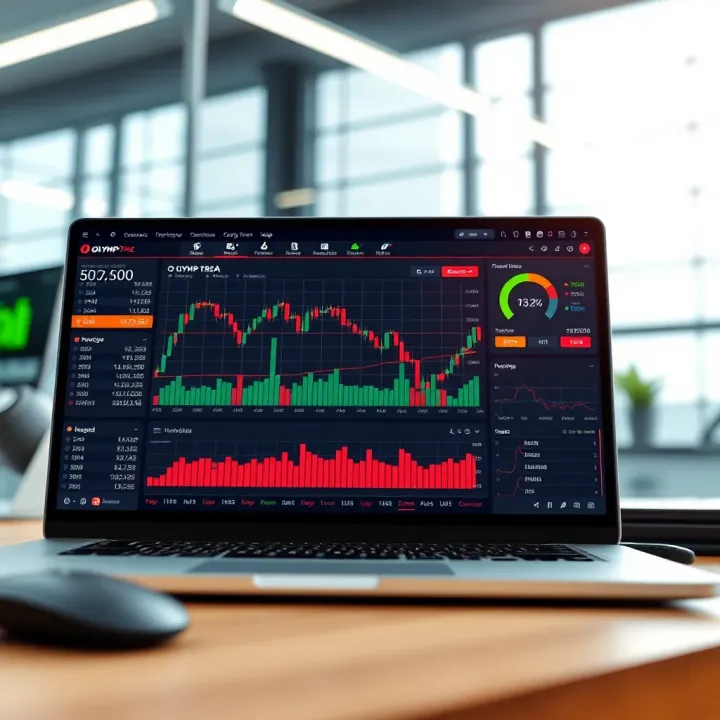
Explore Olymp Trade's trading features, account options, risk tips & fees. Get insights on regulation & instruments tailored for Indian traders 📈💡

Wondering if Olymp Trade is legal in India? Discover the laws, risks, and insights for Indian traders to make safe online trading choices 📈🇮🇳
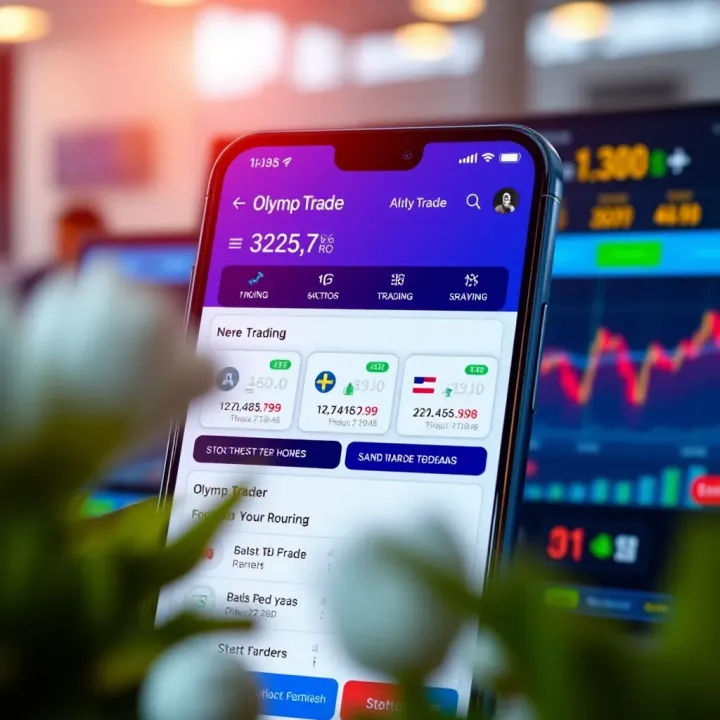
📱 Discover the Olymp Trade APK's key features, safe installation, trading tools, and account types. Learn how to use the app securely and trade with confidence. 🔒
Based on 10 reviews