

Is Quotex Legal in India? Key Facts and Risks
Is Quotex legal in India? Learn about regulations, risks, and what Indian traders should watch for when using this online trading platform 📊⚖️
Edited By
Isabella Clarke
Online trading platforms like Olymp Trade have gained popularity among Indian traders looking for flexible investment options. However, many wonder about the legality of using such platforms in India, especially given the lack of clear regulation.
Olymp Trade is an international digital trading platform that offers options and Forex trading with a focus on simplified user experience. It allows users to speculate on price movements of various financial instruments using a user-friendly interface. Despite its global reach, Olymp Trade does not hold a license from Indian financial regulators like the Securities and Exchange Board of India (SEBI).

Indian laws do not specifically mention Olymp Trade, but relevant legislation provides insight into its status. The Foreign Exchange Management Act (FEMA) restricts Indian residents from engaging in overseas trading platforms that deal with foreign exchange or securities without proper authorisation. Since Olymp Trade operates outside Indian jurisdiction and involves currency speculation, it exists in a legal grey area.
The Reserve Bank of India (RBI) classifies certain virtual trading platforms under the purview of unregulated activities if they do not have approvals. This highlights the risks Indian traders face when dealing with platforms like Olymp Trade.
Additionally, the Indian Income Tax Department requires traders to disclose earnings from all trading activities, including those on foreign platforms. Non-disclosure or evasion can lead to penalties.
Lack of regulatory protection, meaning limited or no recourse in case of disputes
Potential violation of FEMA regulations
Risk of financial loss due to market volatility and platform-specific factors
For Indian traders interested in Olymp Trade, it’s advisable to:
Understand the platform’s terms and verify its global regulatory status.
Consult with financial advisors about compliance with FEMA and tax rules.
Start with small investments to limit exposure.
Keep detailed records of transactions for tax reporting.
While Olymp Trade offers a streamlined trading experience, the absence of clear Indian regulatory approval calls for caution. Traders should weigh legal considerations alongside potential gains before participating.
This overview sets the stage to explore the legal framework and user risks in greater detail in the next sections.
Understanding what Olymp Trade offers is essential before assessing its legality and risks in India. This platform provides an accessible gateway to online trading, which has piqued interest among traders seeking alternative investment opportunities beyond traditional stocks.
Olymp Trade specialises in online options trading, allowing users to predict price movements of various assets such as stocks, currencies, indices, and commodities. The two primary options are "fixed time trades" where users select an expiry time and predict whether the asset’s price will rise or fall, and "forex trading" for currency pairs. This simplicity appeals to newcomers, though the risks in forecasting price direction remain significant.
The platform offers multiple account types catering to different user needs, including a free demo account for practise and real accounts with varied minimum deposits starting as low as ₹500. Features like educational resources, risk management tools, and 24/7 customer support enhance user experience. Such flexibility is attractive in a market where many platforms require higher initial investments, helping new traders start small.
Olymp Trade's user interface is straightforward, with mobile and web apps optimised for smooth navigation and accessibility. This is particularly important for Indian users who often trade on mobile devices in tier-2 and tier-3 cities where connectivity might fluctuate. The platform supports popular deposit and withdrawal methods like UPI, net banking, and digital wallets, further simplifying trading access.
India is witnessing a surge in online trading, driven by smartphone penetration, increasing financial literacy, and disrupting traditional investment channels. Platforms like Olymp Trade tap into this trend by offering easy entry and the potential for quick returns, despite the inherent risks.
Olymp Trade's appeal in India stems from its low entry barrier, simple trade formats, and multilingual support, including Hindi and Tamil interfaces. Traders appreciate the ability to start with minimal capital and a demo mode to build confidence. Plus, it offers round-the-clock market opportunities, fitting India's diverse time zones and lifestyles.
For Indian traders exploring online options, knowing the specifics of Olymp Trade helps weigh the benefits against regulatory and market risks.
Understanding the legal framework is key to navigating online trading safely in India. Regulations set by Indian authorities determine which platforms you can trust and what risks you face while trading. This section outlines how the Securities and Exchange Board of India (SEBI), Reserve Bank of India (RBI), and various laws dealing with gambling shape the environment for online trading platforms like Olymp Trade.

The Securities and Exchange Board of India (SEBI) is the watchdog that regulates India's securities market. It supervises stock exchanges, brokers, and trading platforms to protect investors from fraud and unfair practices. SEBI ensures platforms adhere to transparency, security, and fairness standards. A platform licensed by SEBI typically meets strict operational norms, which gives traders confidence.
A legitimate trading platform in India must register with SEBI, follow compliance mandates, and maintain proper disclosures for users. This includes having a physical office in India, auditing financial records regularly, and safeguarding client funds. Platforms without SEBI registration operate in a regulatory grey zone, exposing traders to risks like fund mismanagement and lack of grievance redressal.
The Reserve Bank of India (RBI) governs foreign exchange transactions and cross-border payments. Indian law restricts retail investors from trading in foreign currency derivatives or foreign exchange unless authorised by the RBI. This rule aims to prevent money laundering and currency speculation that could destabilise the economy.
For platforms like Olymp Trade, which offer contracts based on foreign assets or currencies, this creates complications. Indian users trading one-on-one options involving foreign currencies might inadvertently breach RBI guidelines. Hence, these platforms often cannot obtain RBI approval to operate legally inside India, adding a layer of regulatory risk.
Indian law draws a clear line between trading and gambling, but the distinction can be blurry on some platforms. Trading involves analysing market data and making informed decisions, whereas gambling tends to depend purely on chance. Indian courts generally consider genuine trading as a lawful activity, but if a platform's operation resembles betting or wagering, it risks being labelled illegal gambling.
Olymp Trade’s setup raises questions here. Since it offers options that resolve in short durations and may appear like betting on price movements, regulators could consider it gambling rather than trading. This uncertainty affects the platform's legal standing, making it risky for Indian users to participate without clear regulatory backing.
Clarity in laws and regulations helps traders avoid platforms that might be unlawful or insecure. Always check if an online trading platform complies with SEBI and RBI guidelines before investing your money.
By understanding these regulatory layers, traders can better judge where Olymp Trade stands and what precautions to take when using such platforms in India.
Understanding the current legal status of Olymp Trade in India is essential for traders to navigate the complexities of online trading safely. This section clarifies whether the platform operates within Indian regulations and highlights the practical challenges faced by Indian users. Knowing these details helps traders assess risks and make informed decisions about their investments.
The official stance of Indian regulators on Olymp Trade is somewhat cautious. The Securities and Exchange Board of India (SEBI) does not list Olymp Trade among its regulated platforms. This means Olymp Trade is not officially recognised as a legitimate trading platform under Indian securities law. SEBI strictly monitors trading platforms to protect investors, and any platform operating without its approval falls under a regulatory grey zone.
Similarly, the Reserve Bank of India (RBI) has restrictions related to foreign exchange transactions and cross-border payments. Since Olymp Trade is an international platform, it does not possess a formal licence to offer derivatives or forex trading services to Indian residents. Consequently, its operations are seen as unregulated within the Indian jurisdiction, making its legal status uncertain.
Licensing and registration are central to establishing a platform's legitimacy. Olymp Trade lacks registration with Indian authorities, raising questions about its compliances such as Know Your Customer (KYC) norms and anti-money laundering checks mandated in India. Without these, the platform cannot provide the same investor protections as SEBI-registered brokers, leaving users exposed.
Indian law requires trading platforms to adhere to strict regulatory standards. Platforms failing to secure licensing may not legally enforce contracts or safeguard user funds according to Indian laws. This situation often results in limited or no legal recourse for traders in case of disputes with Olymp Trade.
Traders dealing with Olymp Trade confront risks associated with the regulatory grey areas. Since the platform is not SEBI-authorised, its operations fall outside the scope of Indian regulations designed to ensure fair trading practices. This lack of oversight can lead to unexpected issues such as delays in fund withdrawals or difficulties in verifying disputes.
Moreover, payment channels for depositing and withdrawing funds with Olymp Trade may not always align with RBI's guidelines on foreign currency transactions. Users might face blocked payments or additional charges for currency conversion, leading to hidden costs.
Potential consequences for Indian traders extend beyond financial risks. Since Olymp Trade operates without a formal Indian licence, any large-scale issues might leave users with little to no legal support domestically. For example, if the platform suddenly stops operations or freezes accounts, affected traders would find it hard to claim compensation or pursue legal action.
Additionally, traders might unintentionally breach Indian laws related to foreign exchange or financial transactions, which could invite scrutiny or penalties from regulatory bodies. It’s crucial that traders understand these risks thoroughly before engaging with Olymp Trade.
Indian traders should prioritise platforms regulated by SEBI and comply with RBI’s guidelines to ensure better protection and legal certainty in their trading activities.
By recognising these challenges and the official regulatory stance, traders can weigh their options carefully and choose trading platforms that align with Indian laws and their financial safety.
Trading on platforms like Olymp Trade carries notable risks, especially in India where regulatory clarity is still evolving. Understanding these risks and taking proper precautions is vital for Indian users to protect their investments and avoid scams. Given the absence of official licences and the grey regulatory status, traders must be cautious and well-informed.
Red flags in online trading platforms often include promises of guaranteed high returns with no risk, aggressive marketing pitches, and unverifiable customer reviews. For instance, if a platform offers unusually high daily profits or pressures users to invest quickly, it signals potential fraud. Additionally, unsolicited calls or messages claiming to be from 'Olymp Trade representatives' asking for personal details or more money should raise suspicion.
Another typical red flag is the lack of transparent contact information or unresponsive customer service. Some platforms may delay or refuse withdrawals, which is a common scam tactic. In India, traders have reported platforms freezing accounts citing vague violations without proper explanation — a clear sign to tread carefully.
How to verify platform authenticity is crucial before making any deposits. Firstly, check if the platform is registered under Indian laws or recognised by bodies like the Securities and Exchange Board of India (SEBI). Olymp Trade is not SEBI-registered and operates without explicit Indian regulatory approval, meaning it lacks legal safeguards typically afforded to Indian users.
Users should confirm the platform’s operating jurisdiction, review official documentation, and ensure secure connection protocols (HTTPS). Additionally, using trusted trading forums or Indian financial media to gauge community experiences can help spot warning signs early. Verifying payment channels and avoiding platforms listed on SEBI or RBI warnings adds an extra layer of security.
Managing investments and risks means starting small and never investing more than you can afford to lose. Traders should diversify their trades rather than putting all funds into one type of option. It also helps to set daily loss limits and avoid chasing losses, which often leads to bigger problems.
Using educational resources and practising with demo accounts before risking real money makes a big difference in understanding market movements. For example, Indian traders can leverage free webinars, YouTube tutorials, or community groups focused on options trading to build skills.
Using verified payment methods protects your funds and personal data. Always choose payment gateways known to operate within India’s financial ecosystem, like UPI, net banking, or reputed Indian credit/debit cards that offer fraud protection. Avoid sending money through untraceable methods like cryptocurrencies or foreign bank transfers without proper guidance.
Furthermore, checking whether payment channels offer two-factor authentication and secure transaction alerts helps detect unauthorised transactions early. This prevents scams where hackers exploit weak payment processes.
Exercising caution in trading, verifying platform legitimacy, and practising disciplined investment plans can substantially reduce the risks Indian users face on platforms like Olymp Trade.
Indian traders looking beyond Olymp Trade face a crucial choice: stick with unregulated international platforms or opt for established trading platforms approved by Indian authorities. This matters because regulated platforms operate under a well-defined legal framework, offering better security and transparency. These avenues come with built-in consumer protections, making them safer bets in India’s complex regulatory environment.
The Securities and Exchange Board of India (SEBI) oversees trading platforms legally allowed to function in India. Notable SEBI-registered platforms include Zerodha, Upstox, and Angel One. These platforms offer equities, derivatives, and even commodity trading within Indian legal bounds. They comply with strict disclosure norms, investor protection rules, and capital adequacy criteria, ensuring users aren’t left in the lurch.
Being SEBI-registered isn't just a tick mark; it gives traders confidence that these platforms follow Indian laws validating the source and flow of funds. These platforms also ensure KYC (Know Your Customer) compliance, which helps curb illegal activities like money laundering or fraud. So, unlike many foreign platforms, these come with a clear legal stamp, giving traders peace of mind.
What sets regulated platforms apart is their superior governance standards. For example, Indian platforms must hold client funds in segregated accounts, preventing misuse. They also offer transparent fee structures and continuously update technology to meet compliance. In contrast, unregulated platforms may obscure fees or lack accountability, increasing the risk of scams or sudden shutdowns.
When it comes to ease of use and accessibility, platforms like Zerodha and Upstox have invested heavily in user-friendly apps and websites tailored for Indian users. They support multiple Indian payment methods—including UPI, net banking, and IMPS—and offer seamless integration with Aadhaar and PAN cards for verification. Olymp Trade, by contrast, may face hurdles accepting Indian payments or complying strictly with India-specific KYC needs.
Legal protections make a big difference. Indian platforms provide clear routes for redressal under SEBI’s grievance mechanisms. If a dispute arises, traders can approach the Investor Protection Fund or Consumer Courts. Olymp Trade users may find themselves in a grey zone legally, with limited recourse if issues emerge. This difference affects not just confidence but also actual safety when investing.
Choosing a SEBI-approved platform means opting for security, legal clarity, and smoother dispute resolution—essential advantages for Indian traders navigating financial markets.
In short, while Olymp Trade has its appeal, domestic regulated options offer stronger legal safeguards and smoother user experiences for Indian traders. This reality makes them a more practical choice for long-term, secure investing within India’s regulatory framework.
Is Quotex legal in India? Learn about regulations, risks, and what Indian traders should watch for when using this online trading platform 📊⚖️

Is Quotex legal in India? 🇮🇳 Learn about the rules, user risks ⚠️, and how to navigate this trading platform safely under Indian law 📊.

Is Quotex trading legal in India? 📊 Learn about the rules, risks, and how Indian traders can safely use this digital platform for online trading.
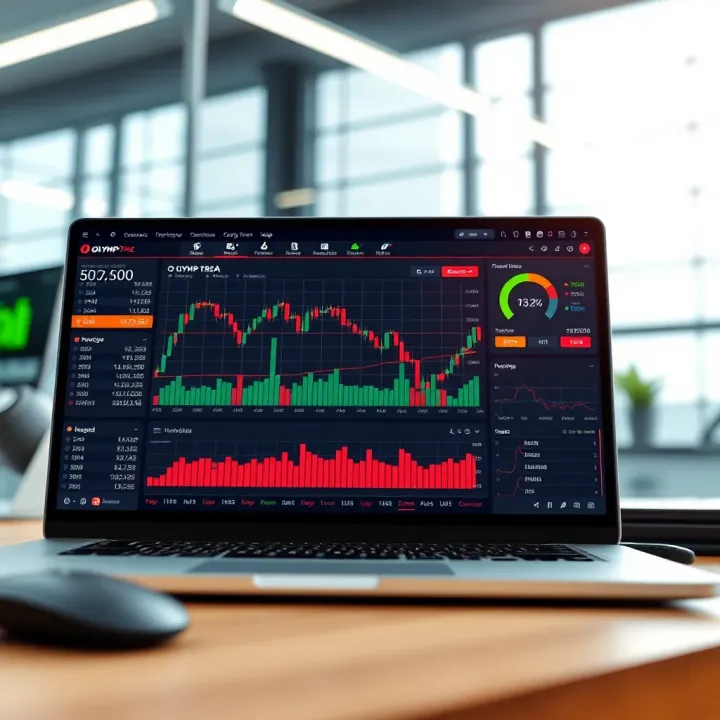
Explore Olymp Trade's trading features, account options, risk tips & fees. Get insights on regulation & instruments tailored for Indian traders 📈💡
Based on 6 reviews