
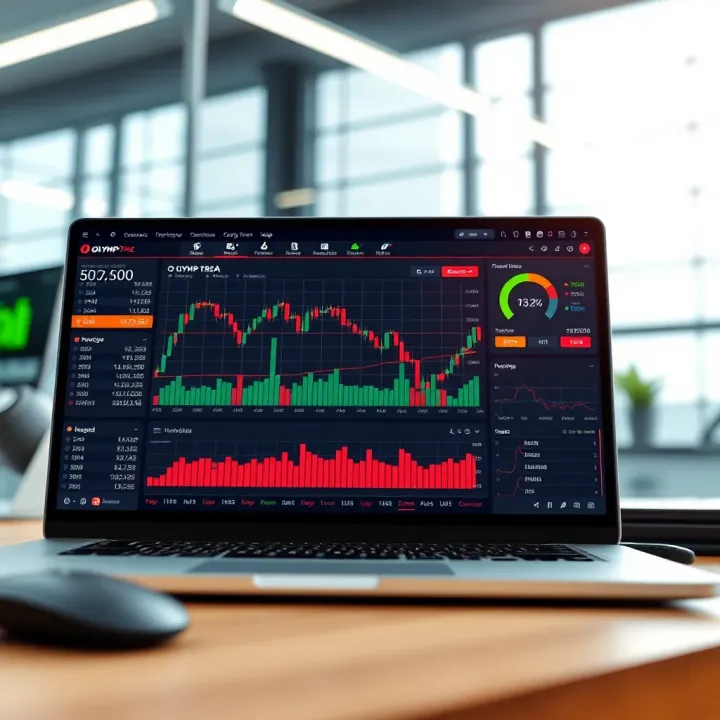
Understanding Olymp Trade: Features & Guide for Indian Traders
Explore Olymp Trade's trading features, account options, risk tips & fees. Get insights on regulation & instruments tailored for Indian traders 📈💡
Edited By
Edward Bailey
Olymp Trade is a trading platform gaining traction among Indian traders, especially for those interested in options and forex markets. When you step into this platform, it's vital to grasp the fee structure clearly to avoid any unexpected costs. Unlike some platforms that hide charges deep in their terms and conditions, Olymp Trade discloses its fee types upfront—still, understanding each one can save you a lot of hassle down the line.
The platform imposes transaction fees, which vary depending on the asset class and order size. For example, currency pair trades might carry a different fee from stock or commodity trades. These fees get factored into the spread or appear as explicit commissions based on the trading instrument.
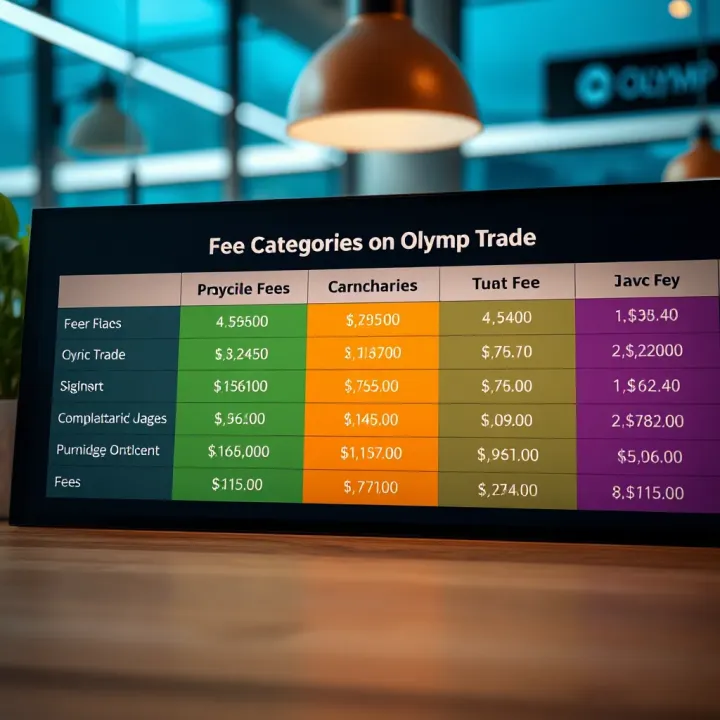
Deposit and withdrawal charges also come into play. While Olymp Trade generally does not charge for deposits, the payment method you choose can incur costs. Say you fund your account via a mobile wallet like PhonePe or a bank transfer through UPI; typically, these come with negligible or no fees. However, withdrawing funds, especially through international bank transfers or cards, may attract processing charges from either Olymp Trade’s side or the bank.
Inactivity is another source of fees. If an account remains dormant for a period—often 180 days—Olymp Trade may charge a small inactivity fee. This serves as a nudge to keep your account active and prevents dormant accounts from cluttering the system.
Traders should monitor their account activity regularly and choose payment methods that minimise charges to protect their trading capital.
A clear understanding of these charges allows you to plan your trades efficiently, keeping costs in check. Knowing when and where fees apply also helps in budgeting your investments and maximising returns.
Keep in mind that Olymp Trade’s fee structure aligns with many global platforms but with nuances fitting the Indian payment ecosystem. Keeping an eye on updates from official sources ensures you remain informed about any changes to fees or policies.
Understanding the basics of Olymp Trade and how it charges users lays the groundwork for navigating this popular platform effectively. This section explains what Olymp Trade is, highlights its significance in the trading world, and clarifies how it handles fees. This helps traders weigh costs against benefits before investing real money.
Olymp Trade is an online trading platform offering access to a variety of financial instruments, including currencies (Forex), stocks, indices, and commodities. With a user-friendly interface and mobile compatibility, it attracts traders from tier-1 to tier-3 cities in India. For example, a trader in Pune can use Olymp Trade to speculate on the Nifty 50 without leaving home. It provides both demo and real accounts, which makes it suitable for freshers and experienced investors alike.
What sets Olymp Trade apart is its focus on fixed-time trades and forex trading with spreads rather than traditional commissions. This means traders can predict returns and risks upfront. The platform provides educational content and simple charting tools, ideal for those learning technical analysis. Importantly, it complies with several international standards, although it is not registered under Indian regulatory bodies like SEBI. So, users should be cautious and maintain responsible trading habits.
Olymp Trade operates with a relatively transparent fee structure, but understanding the nuances helps avoid surprises. Unlike some brokers charging a fixed commission per trade, Olymp Trade’s primary cost detail centres on the spread — the difference between the buy and sell price. This can fluctuate based on market volatility. For instance, during major economic announcements, spreads might widen, slightly increasing the cost of entering trades.
Besides spreads, Olymp Trade charges no commission on deposits or withdrawals. However, payment gateways or banks might levy their own fees, especially for international transactions or currency conversions. For example, using an international credit card could attract forex conversion charges beyond Olymp Trade’s control.
Another cost consideration is the inactivity fee. Olymp Trade levies a charge if the trading account remains unused for 180 consecutive days. This discourages dormant accounts but can catch traders unaware if they haven’t logged in recently.
In summary, knowing these fee mechanisms upfront helps traders manage their budgets wisely and avoid unnecessary deductions. As you move ahead, this foundation will clarify specific charges discussed later, such as transaction costs and withdrawal fees, making your trading decisions more informed and cost-effective.
Understanding the various charges on Olymp Trade is essential for traders looking to manage their costs effectively while maximising profits. Olymp Trade, like most trading platforms, imposes certain fees that can impact your returns if ignored. Knowing these charges upfront helps you plan your trading strategy better and avoid surprises in your account statements.
Transaction fees on Olymp Trade usually occur during the execution of trades, but the platform keeps these charges relatively simple compared to traditional brokers. Typically, Olymp Trade applies a spread, which is the difference between the buy price and the sell price for an asset. This spread serves as a hidden transaction cost rather than an explicit fee.

For example, when trading EUR/USD, you might see the buy price at 1.1501 and the sell price at 1.1499, meaning the spread is 0.0002. This difference is effectively the fee you pay to enter and exit a trade. The spread can widen in volatile markets or outside regular trading hours, increasing your cost temporarily.
In rare cases, Olymp Trade may charge an explicit commission on certain types of trades, mainly involving longer-term investments or special instruments. It's important to check the platform’s updated fee schedule regularly to avoid any unexpected costs.
Olymp Trade offers a variety of deposit and withdrawal methods popular among Indian traders, such as UPI, net banking, and wallets like Paytm or Google Pay. While deposits are typically free, withdrawal charges can vary depending on the payment method.
For instance, withdrawing funds through a bank transfer may incur a nominal fixed service charge, usually between ₹50 to ₹200, depending on your bank and the withdrawal amount. Digital wallets and UPI transfers generally incur lower fees or none at all, making them more attractive for small and frequent withdrawals.
Traders must also consider the processing time. While some methods credit your account instantly, others, like bank transfers, can take up to 2-3 business days. Planning your withdrawals accordingly can save you from paying rush fees or facing cash flow delays.
Olymp Trade applies inactivity fees if there is no trading activity for a prolonged period, typically 180 days. This fee, deducted monthly from your account balance, is designed to discourage dormant accounts.
Consider this example: If you fund your Olymp Trade account with ₹20,000 but do not place any trades for six months, you may start seeing monthly inactivity charges of up to ₹1,000. Over time, this not only eats into your capital but may also affect your trading motivation.
To avoid inactivity fees, it’s wise to engage with the platform periodically, even if it means placing small trades or regularly logging into your account. This keeps the account ‘active’ in the eyes of Olymp Trade and helps you retain more of your funds.
"Monitoring each type of charge helps traders avoid unnecessary costs and make informed decisions, especially when working with limited capital in markets like India."
In summary, transaction spreads, withdrawal fees, and inactivity charges are the main costs to watch on Olymp Trade. Managing these well can improve your trading outcomes and keep your costs in check.
In understanding how charges apply on Olymp Trade, it's essential to recognise that fees are not fixed but influenced by various factors. These elements affect the cost you bear while trading, withdrawing, or maintaining your account. Grasping these factors helps traders manage expenses better and plan their strategies accordingly.
Olymp Trade offers different account types, primarily Standard and Premium, each with distinct fee structures. For example, Premium account holders usually enjoy reduced transaction fees compared to Standard users. If you deposit ₹50,000 or more, you can qualify for a Premium account, which may offer benefits like lower withdrawal fees or better spreads on trades.
To illustrate, a Standard account might charge a withdrawal fee of ₹200, whereas Premium accounts may have this waived or reduced. This difference can add up, especially for active traders frequently moving funds. Therefore, choosing the right account type aligned with your trading volume and capital can save costs.
Your trading volume—the total value of trades you execute—also plays a role in fee determination. Higher volumes often attract lower per-trade charges due to the platform's incentive to retain active traders. For instance, if your monthly trades sum up to ₹10 lakh or more, you might be eligible for discounted commissions or even some fee waivers.
On the other hand, occasional traders with lower volumes might face higher fees, reflecting the fixed cost of maintaining trading infrastructure. Also, some fees, like inactivity charges, tend to kick in when trading frequency drops below a certain threshold.
Understanding how your trading pattern influences costs allows you to optimise your expenses. Choosing suitable account types and maintaining consistent trading activity can significantly reduce your overall fees on Olymp Trade.
In summary, both the type of account you hold and your trading activity directly impact the charges you pay. Keep these factors in mind to trade smarter and preserve your profits.
Managing your expenses on Olymp Trade is key to keeping more earnings in your pocket. This section explores practical methods to lower the charges you face when trading. Understanding these tactics can help both new and experienced traders avoid unnecessary deductions and improve overall profitability.
Being mindful during transactions greatly reduces fees. Avoid making small, frequent trades that quickly drain charges. Instead, plan your trades carefully and execute fewer, well-considered transactions. For instance, rather than placing ten trades of ₹500 each in a day, consolidating your position into a couple of trades worth ₹2,500 can cut down on transaction fees.
Timing your deposits and withdrawals also matters. Olymp Trade generally doesn't charge for deposits but may have withdrawal fees depending on the method. Grouping withdrawals to occur less frequently reduces multiple charges. For example, instead of withdrawing ₹2,000 weekly, pulling out ₹8,000 monthly can save fees. Always check the latest fee schedule to pick the best payment method, as costs differ between bank transfers, e-wallets, and cards.
Inactivity fees kick in when your account remains idle for a period, typically 30 days or more. To steer clear of these charges, make sure to log in and trade at least once a month. Even placing a small trade or checking your portfolio counts as activity. Set reminders on your mobile to check your Olymp Trade account periodically, especially if you’re busy or have multiple platforms.
If you know you won’t trade for some time, consider closing the account temporarily or transferring funds out to avoid fees building up. Olymp Trade’s inactivity charges can eat into your balance if left unchecked, so a little proactiveness saves you a lot down the line.
Olymp Trade offers different account types, and choosing the right one can reduce your fees noticeably. Standard accounts are generally free of basic transactional fees but might have higher inactivity charges. VIP accounts, on the other hand, often come with perks like reduced withdrawal fees, no inactivity charges, and personalised support, though they require a higher minimum deposit.
Evaluate your trading volume and frequency before picking an account. If you trade often, the VIP account might be cost-effective despite the initial investment. Conversely, casual traders may stick to the standard account but should remain vigilant about inactivity fees. Remember, switching accounts to suit your trading style can optimise your costs.
Efficient management of transactions, active account monitoring, and informed account selection combine to keep your Olymp Trade charges low. Traders who focus on these areas tend to see better returns by trimming avoidable expenses.
By applying these approaches, you maintain control of your trading budget and avoid surprises on your statements. The effort to minimise fees pays off and makes trading on Olymp Trade a smarter endeavour.
This section addresses the common questions traders face regarding Olymp Trade's fees, bringing clarity to the often confusing fee structure. Having straightforward answers helps traders avoid surprises and plan their trading activities with a clear understanding of potential costs.
Many traders want to know exactly when charges apply and how they can manage or reduce them. For example, a frequent question is whether Olymp Trade charges for every transaction. The simple answer is that transaction fees primarily depend on the type of trade and account. Standard accounts might incur small commissions on certain trades, while VIP accounts often get lower charges or some waived altogether.
Withdrawal fees also raise questions. Unlike other platforms, Olymp Trade generally does not charge withdrawal fees if you use specific payment methods, such as local bank transfers or popular Indian digital wallets. However, third-party payment providers may apply their own charges, so you should check those terms separately.
Inactivity fees create concern for those who occasionally pause trading. If your account stays unused for 180 consecutive days, an inactivity charge starts. This fee is Rs 200 monthly and continues until you resume trading or deplete your balance. It's a good idea to make a trade or log in occasionally in order to avoid this deduction.
Some traders ask how trading volume influences fees. Larger volume traders on Olymp Trade can benefit from lower commission rates, especially in premium accounts. This incentive is designed to reward consistent trading without penalising active users heavily.
It's worth remembering that Olymp Trade's charges are transparent and largely avoidable if you understand the rules and practice simple strategies, like regular account activity and selecting an account type that aligns with your trading style.
In practice, managing Olymp Trade charges boils down to knowing your account type, payment options, and maintaining consistent engagement on the platform. This awareness helps you keep more of your profits and avoid unwanted fees while trading.
Overall, this FAQ helps clear doubts so you can focus on trading rather than worrying about hidden costs or penalties.
Explore Olymp Trade's trading features, account options, risk tips & fees. Get insights on regulation & instruments tailored for Indian traders 📈💡

Explore the core of ????? ????? 📚, understand its key principles, vital applications, and real-world impact, tailored for readers keen to grasp every aspect clearly.

📱Discover how real trade apps simplify investing in India. Explore features, benefits & smart tips to pick the right platform for your trading needs!
🔐 Learn how to easily log in to Quotex with step-by-step tips, secure account access, and quick fixes for common login problems to keep your trading smooth.
Based on 15 reviews