
Understanding ????? ?????: Essential Insights
Explore the core of ????? ????? 📚, understand its key principles, vital applications, and real-world impact, tailored for readers keen to grasp every aspect clearly.
Edited By
Amelia Carter
Understanding any specific topic in depth requires breaking it down into its core components. Whether you're a trader analysing market trends, an investor assessing risks, or an analyst interpreting data, grasping the fundamental terms and practical aspects is essential for informed decisions.
The first step involves clear definitions. For instance, if the topic is related to financial instruments, understanding what constitutes equities, debt instruments, derivatives, or mutual funds is key. Without these basic definitions, any analysis becomes shaky.

Next, focus on the practical applications. Traders rely on these concepts to spot opportunities, investors use them to build portfolios, while brokers need this knowledge to advise clients correctly. For example, knowing how derivatives can hedge risks or multiply gains helps professionals apply the theory effectively.
Challenges also form a critical part of comprehension. Market volatility, regulatory changes by the Securities and Exchange Board of India (SEBI), or liquidity risks affect how these topics play out in real life. Recognising these hurdles prepares you to adapt strategies or make contingency plans.
Looking ahead, understanding future outlooks is no less important. Emerging trends such as algorithmic trading, ESG (Environmental, Social, Governance) investing, or digital asset management shape how these specific topics evolve. Staying updated helps maintain an edge in a fast-changing environment.
Gaining clarity on all these aspects—from definitions to future prospects—ensures a more rounded grasp of the subject, sharpening decision-making for finance professionals.
By keeping these points in mind, your understanding will go beyond textbooks to practical wisdom, empowering you to utilise this knowledge confidently in your field.
Understanding the core concept is essential for anyone aiming to gain a solid grasp of any subject. It lays the groundwork by detailing what the idea actually means, why it matters, and how it evolved over time. For traders and analysts, this foundation helps in distinguishing facts from assumptions and ensures informed decision-making.
At its heart, the core concept refers to the fundamental idea or principle that defines the topic under discussion. Think of it as the kernel that holds the entire subject together. For instance, in financial markets, understanding "risk" means recognising the uncertainty involved in investments and how it affects returns. This clarity helps investors tailor their strategies based on their risk appetite.
No concept stays static; it changes with the times and advances in knowledge or technology. For example, the idea of investment has moved from traditional assets like gold and land to include stocks, bonds, and now even digital assets such as cryptocurrencies. Knowing this evolution is practical because it shows how the concept adapted to economic trends and regulatory changes, helping users anticipate where it might head next.
Every core concept has key features that define its nature. These features act like signposts, guiding users in recognising and applying the concept accurately. Taking the example of "volatility" in markets, essential features include frequency and magnitude of price changes. Understanding this helps traders decide when to enter or exit positions based on market mood.
While many concepts can seem similar, distinguishing factors highlight what sets one apart from others. For instance, "liquidity" differs from "volatility" though both affect investment decisions. Liquidity focuses on the ease of buying or selling assets without affecting price, while volatility looks at price fluctuations themselves. Awareness of such differences prevents confusion and equips professionals to analyse markets more precisely.
Grasping the core concept and its defining traits gives you an edge, allowing sharper analysis and smarter strategies in your financial dealings.
By anchoring knowledge on these pillars, traders, investors, and finance professionals can approach the world of-specific topics with confidence and clarity.

Practical uses and applications form the backbone of understanding any specific topic, especially for traders, investors, analysts, brokers, and finance professionals. This section sheds light on how theoretical knowledge translates into everyday practice and industry-specific scenarios that impact decision-making and strategy.
In daily life, specific topics often come alive through tools and processes we engage with regularly. Take, for example, the way systematic investment plans (SIPs) enable individuals to invest small sums monthly in mutual funds. This method shows how concepts in finance find practical use, allowing even those with modest incomes to build wealth steadily. Another instance is the use of mobile-based trading apps like Zerodha Kite or Upstox, which provide accessibility and real-time data, bridging the gap between complex market dynamics and everyday users.
On the industry front, these topics shape strategies at institutional levels. For instance, portfolio managers apply asset allocation theories to balance risk and returns across equity, debt, and other instruments. Hedge funds may use derivatives and hedging techniques to manage market volatility, while co-operative banks leverage credit appraisal models to improve loan recovery. Each application reflects how the topic's core principles inform tailored solutions that respond to specific market demands and regulatory frameworks.
Understanding practical applications delivers tangible benefits. For investors, it means better risk assessment and opportunity identification, leading to improved returns. Analysts gain deeper insight into market trends, enabling sharper forecasts. Brokers can advise clients with more confidence based on real-world scenarios rather than purely theoretical knowledge. Ultimately, applying these concepts aids smarter decisions rather than speculative moves.
Practical knowledge equips professionals to navigate complexities with confidence, minimising avoidable losses and maximising growth potential.
Applying theories in real-world contexts often streamlines processes and enhances outcomes. For example, algorithmic trading automates decision-making, reducing errors and execution times. Data analytics platforms analyse massive datasets to spot subtle market shifts earlier than manual review could. In credit risk management, machine learning helps banks flag potential defaulters with higher accuracy, improving asset quality. Each of these improvements helps market participants react faster and more effectively, signifying how practical applications feed directly into operational efficiency and better financial results.
Understanding the challenges and limitations associated with a specific topic helps finance professionals manage risks more effectively and set realistic expectations. Traders and investors must be aware of potential hurdles that can affect outcomes, while analysts and brokers benefit from recognising constraints to advise clients better. This section explores the technical difficulties and user experience problems commonly encountered, alongside strategies to mitigate them and best practices to avoid pitfalls.
Technical challenges often arise from system errors, data inconsistencies, or software limitations. For example, a delay in trade execution due to outdated infrastructure can lead to missed opportunities in volatile markets. Similarly, inaccurate data feeds might mislead analysis, prompting wrong investment decisions. These technical issues not only reduce efficiency but may also cause financial losses if unaddressed promptly.
Moreover, integrating newer technologies into existing platforms can be complicated, especially if legacy systems lack compatibility. This often results in downtime or functionality loss, impacting user operations. Addressing such difficulties requires continuous technology upgrades and staff training to maintain smooth workflows.
User experience problems often surface when platforms or tools are not intuitive or responsive. Traders might struggle with complex interfaces, leading to slow decision-making or errors during high-pressure scenarios like market surges. For instance, a cluttered dashboard with excessive information can overwhelm users rather than assist them.
Additionally, inadequate customer support and unclear documentation can frustrate users, reducing trust in the service provider. In India’s fast-growing trading ecosystem, where many users are transitioning from traditional to digital methods, a poor experience can deter adoption and limit broader financial inclusion.
Mitigating risks involves both technological and operational measures. Regular system audits and stress testing help identify vulnerabilities before they cause disruption. For example, ensuring backup connectivity during peak trading hours can prevent outage-related losses.
Educating users through targeted training sessions reduces human error risks and enhances overall confidence. Many Indian brokerage firms now conduct workshops or provide video tutorials to improve user readiness in handling advanced platforms and tools.
Following best practices such as maintaining clear communication channels, updating software regularly, and soliciting user feedback are critical. Transparent communication about system upgrades or temporary downtimes sets proper user expectations and minimises dissatisfaction.
Implementing user-friendly designs with simplified navigation boosts accessibility, especially for beginners. Also, adopting modular system architectures allows easier updates without interrupting service. Firms that focus on continuous improvement often see better client retention and loyalty.
Recognising and addressing challenges proactively positions finance professionals to navigate the complexities of their field more confidently and deliver superior outcomes to their clients.
Understanding emerging trends and future prospects offers traders, investors, and analysts a distinct advantage. These insights help anticipate changes in market dynamics and technology adoption, enabling well-informed decisions. Following developments closely reveals how specific topics evolve, shaping strategies for the times ahead.
Financial markets and related sectors often witness innovations that streamline operations or create new opportunities. For example, blockchain technology has introduced secure, transparent ledgers that are beginning to transform asset trading and settlement. Implementing smart contracts reduces reliance on intermediaries, cutting costs and delays. Similarly, algorithmic trading tools now use machine learning models to predict price movements, allowing investors to execute trades more efficiently.
The rise of mobile platforms and UPI (Unified Payments Interface) in India shows how technology integration shapes user access to financial services. Traders can now analyse real-time data and place orders directly from their smartphones, no longer tied to desktops. Integration of artificial intelligence (AI) in trading apps assists users in portfolio management by providing customised recommendations based on patterns and risk profiles. Banks and brokers also combine multiple tools—like APIs and data analytics—to offer clients a unified, streamlined experience.
The future will likely see wider adoption of automated trading and robo-advisory services as AI capabilities mature. Investors may rely more on algorithm-driven decisions, especially for routine portfolio rebalancing. This shift could lower the entry barriers for small investors by reducing costs and simplifying complex strategies. Moreover, the increasing use of big data analytics will allow investors and analysts to track market sentiments promptly and act before trends become apparent to the wider market.
Greater automation and data integration promise improved market efficiency and transparency over the long term. Investors might expect faster trade executions, more customised financial products, and deeper insight into market risks. However, challenges around data security, model biases, and regulatory compliance will persist. Markets will have to balance innovation benefits with potential systemic risks. Continuous updating of rules, alongside investor education, will be vital to manage these concerns effectively.
Staying updated with emerging trends and understanding their practical effects is key to thriving in the rapidly evolving financial landscape.
New innovations cut costs and speed up processes
Technology integration enhances market access
Automation will expand usage and reduce barriers
Ongoing challenges include security and regulatory oversight
Watching these trends closely prepares finance professionals for what lies ahead, allowing them to adapt with confidence and foresight.
Explore the core of ????? ????? 📚, understand its key principles, vital applications, and real-world impact, tailored for readers keen to grasp every aspect clearly.

🔐 Learn how to easily log in to Quotex with step-by-step tips, secure account access, and quick fixes for common login problems to keep your trading smooth.
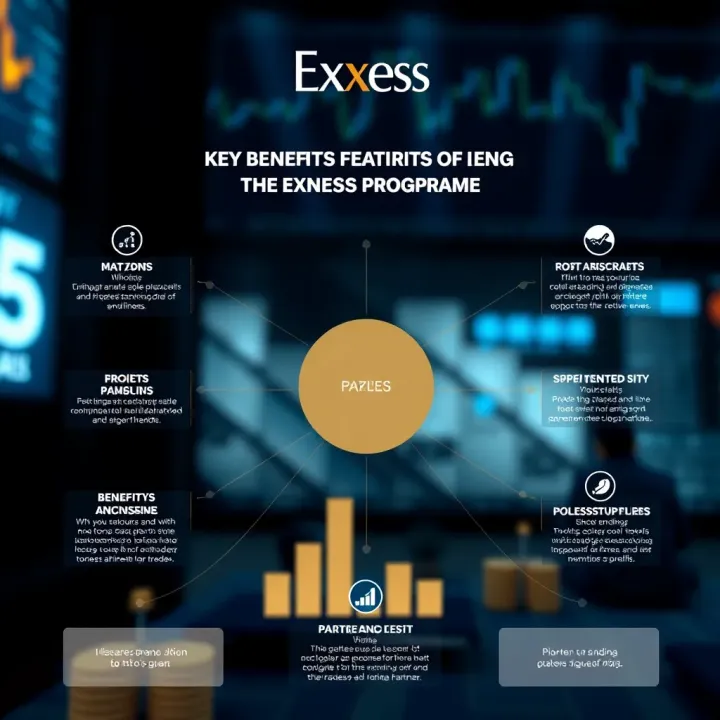
Explore how becoming an Exness partner helps traders and entrepreneurs earn through forex partnerships. Learn about registration, benefits, types, and promotion tips 💼💰

💰 Explore money beyond currency — its history, psychological impact, social role, and practical value in daily life. Understand what money truly means for you and society.
Based on 6 reviews