
Understanding Real Cash Withdrawal in India
💰 Explore how real cash withdrawal works in India—processes, common methods, fees, and key security tips to safely access your money.📲
Edited By
Charlotte Wells
Silver remains a popular choice for investors and traders in India, given its historical value and practical uses. When people refer to "30 rates silver," they are typically talking about the price of silver measured in 30 grams, a common unit in Indian jewellery and bullion markets. Understanding these rates helps buyers make informed decisions, especially since silver prices fluctuate daily based on several factors.
The silver market in India does not operate in isolation. Prices respond to global metal trends, currency fluctuations—especially the rupee–dollar exchange rate—and domestic demand from industries like jewellery, electronics, and even traditional investment forms such as silver coins and bars. For example, a sudden rise in demand before festivals like Diwali often causes temporary upward pressure on 30 grams silver prices.
Daily updates on silver prices reflect these dynamic market forces. Traders and investors must keep an eye on these rates to time purchases or sales ideally.
Key drivers influencing silver rates include:
International Silver Prices: Global commodity exchanges influence Indian silver rates since imports affect local availability and cost.
Currency Movements: A weaker rupee tends to raise silver prices in India because imported raw materials cost more.
Industrial Demand: Silver is crucial in various sectors; rising demand from electronics manufacturing or solar panel industries can impact prices.
Government Policies: Taxes like Goods and Services Tax (GST), import duties, and regulations can alter costs for consumers and traders.
This brief overview sets the stage for examining trends in 30 rates silver further. Understanding how these factors interact allows investors and traders to develop strategies aligned with market rhythms and leverage opportunities safely. Next, we will explore detailed pricing trends and effective buying tips relevant to the Indian market.
Understanding silver rates is key for anyone involved in trading, investing, or analyzing the metal's market in India. Silver prices fluctuate daily, affected by global trends, domestic demand, and economic factors. Knowing what drives these rates helps stakeholders make timely decisions, whether buying physical silver or trading derivatives.
Silver rates refer to the price at which silver is traded in the market, typically quoted per 10 grams or per kilogram in India. These rates are influenced by international silver prices, converted into Indian rupees using current exchange rates. For example, if global silver is priced at $25 per ounce, and the exchange rate is ₹83 per dollar, this directly impacts the domestic silver price. Additionally, local taxes and making charges imposed by jewellers or bullion markets add to the final rate consumers pay.
Prices also react to demand and supply within India, where festivals like Diwali and Akshaya Tritiya boost purchasing activity. Traders watch the spot price, futures contracts on commodities exchanges like Multi Commodity Exchange (MCX), and changes in import duties, which can swiftly affect rates.
The term "30 rates silver" is commonly used in India to denote silver priced at the rate per 30 grams, a standard weight unit for retail silver buying, especially jewellery. Unlike the international standard of pricing silver per troy ounce (about 31 grams), Indian markets prefer 30 grams as a convenient benchmark for daily transactions.
This makes "30 rates silver" the go-to figure for buyers and sellers alike when calculating costs. For instance, a jeweller quoting a rate for a silver chain will often mention the price per 30 grams, which includes purity, making charges, and taxes. This simplifies pricing discussions and ensures transparency, especially for retail customers.
Traders and investors benefit by tracking 30 rates silver regularly, as it reflects real-time market sentiment combined with local factors. Staying updated helps in entering or exiting positions with better timing.
In essence, knowing silver rates clearly and understanding the 30 grams pricing method provide a practical base for anyone dealing with silver in India. It reduces confusion, helps assess market value accurately, and aids in planning purchases or investments efficiently.
Silver rates in India depend on several intertwined factors, shaping daily price fluctuations that traders, investors, and finance professionals monitor closely. Understanding how these rates are set helps market participants make informed decisions about buying, selling, or investing in silver, especially the so-called "30 rates silver."
Silver is a globally traded commodity, so its prices on international exchanges—like the COMEX in New York or the London Metal Exchange—directly affect Indian rates. When global silver prices rise due to factors such as increased industrial demand, geopolitical tensions, or inflation concerns, Indian silver prices usually follow suit, adjusted for local variables.
For example, when silver prices surged during early 2024 amid rising inflation expectations worldwide, Indian silver rates increased almost in tandem, reflecting international trends plus currency impact. Traders in Mumbai or Delhi would track these movements daily to decide whether to hold or liquidate their positions.
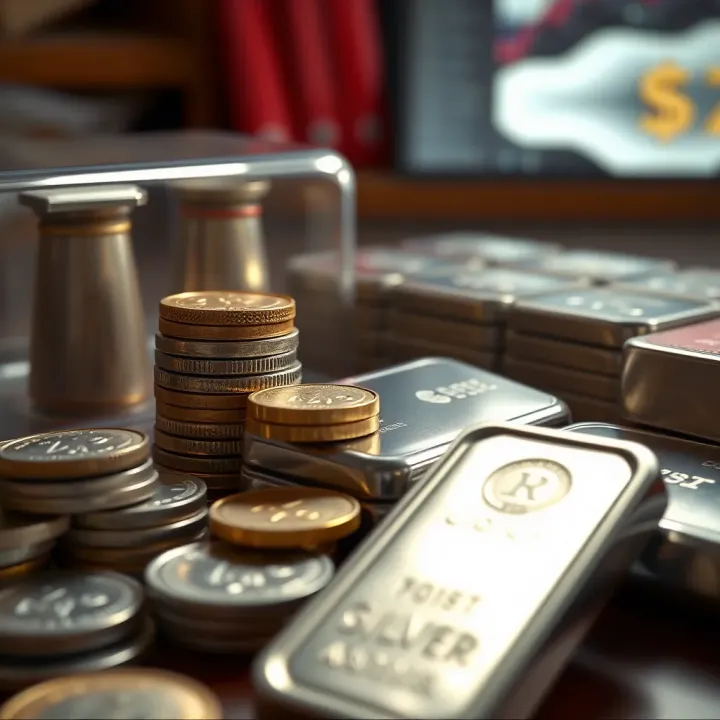
The demand for silver jewellery in India plays a significant role in influencing spot silver rates, especially around key festivals like Diwali, Akshaya Tritiya, and Dhanteras. During these periods, consumers traditionally buy silver to mark auspicious beginnings, causing demand spikes that push prices higher locally.
Besides festivals, regional preferences and marriage seasons shape demand. For instance, Rajasthan and Gujarat see heightened jewellery purchases in certain months, which ripples through wholesale prices. This concentrated demand can temporarily elevate silver rates even if global prices remain stable.
Silver is priced internationally in US dollars, so fluctuations in the Indian rupee-dollar exchange rate directly affect silver prices in rupees. When the rupee weakens against the dollar, Indian buyers pay more rupees per gram, raising local prices. Conversely, a stronger rupee can ease silver costs.
Economic indicators like inflation, interest rates, and government policies shape investor sentiment as well. For instance, high inflation may increase silver’s appeal as a hedge, causing price jumps. Recent RBI monetary policy decisions and currency moves often correlate with silver rate shifts, making currency watch crucial for traders.
Keeping these factors in mind helps you anticipate silver rate movements in India, making your buying or investment decisions more strategic and grounded in market realities.
Keeping track of recent trends and analysing 30 rates silver prices is essential for traders, investors, and analysts working in or with the Indian market. Silver rates rarely move in isolation; they reflect a mix of global market dynamics, domestic demand patterns, and economic factors specific to India. Having a clear view of how prices have moved recently helps in making informed decisions about buying, selling, or holding silver.
Over the past year, silver prices in India have shown noticeable volatility. Starting around ₹57,000 per kg in early 2023, rates fluctuated sharply due to international influences like the US dollar strength, interest rate changes by the Federal Reserve, and geopolitical tensions. For example, during mid-2023, silver dipped below ₹54,000 per kg as the dollar gained ground, making commodities priced in dollars costlier for Indian buyers.
At the same time, domestic factors mediated these swings. Monsoon performance and inflation rates affected discretionary spending, which in turn influenced demand for silver jewellery and coins. Towards the end of 2023, silver prices bounced back to around ₹59,000 per kg, partly owing to demand upticks ahead of the Diwali festival and changes in import duties.
Sellers and buyers taking a hasty call without considering these fluctuations often miss out on better pricing opportunities.
Understanding these movements requires watching both international benchmarks and Indian market news regularly.
In India, silver rates tend to respond predictably to the calendar, especially around key festivals such as Diwali, Akshaya Tritiya, and Dhanteras. These festivals drive heavy purchases of silver jewellery and coins, spiking demand and causing a local premium on rates.
For instance, during Diwali 2023, silver prices typically showed an increase by 1-3% compared to monthly averages due to demand outstripping supply temporarily. Similarly, Akshaya Tritiya in April sees a rush as many Indians believe buying precious metals then brings good fortune, pushing prices higher over a few days.
On the flip side, after festival peaks, prices tend to soften as buying slows down and sellers take advantage of gains. Seasonal agricultural cycles and wedding seasons also add complexity, impacting silver demand differently across regions.
Monitoring these seasonal trends helps investors decide timing for purchase or sale, balancing cost efficiency with market optimism. It also underscores the need to differentiate between short-term price spikes and more sustained market movements.
By staying alert to recent trends and festival impacts, you can better time your trades and reduce exposure to sudden volatility in silver rates.
Buying silver at 30 rates requires a good grasp of where to purchase, how to verify purity, and how to store it safely. These tips help investors and buyers avoid unnecessary losses and make informed decisions based on realistic market conditions.
In India, silver can be bought from local jewellers, authorised dealers, and reputable online platforms like MMTC-PAMP or government-backed schemes. Local jewellers offer physical inspection before purchase, which is valuable for confirming design and weight, but it's vital to check their credibility and ask for proper billing. Online portals provide convenience and transparency in pricing but may involve delivery and storage risks. Banks sometimes offer silver coins and bars, which come with purity certification—these are safer options for small investors.
Investors should compare prices, check current 30 rates silver listings, and be cautious during festive seasons when demand spikes might inflate prices. Using digital payment options like UPI on trusted websites can add an extra layer of security.
A frequent pitfall is buying silver that is not pure or mislabelled. Indian standard silver purity is generally 92.5% (sterling silver). Look for the BIS hallmark which assures compliance with Indian standards. Avoid sellers who do not provide proper invoices or try to explain away hallmark absence.
Another common mistake is confusing silver-plated items with pure silver. Always perform a magnet test—silver is non-magnetic. For high-value transactions, consider requesting an assay report or testing by a reputed third-party.
Be wary of silver sold significantly below market rates; it could indicate lower purity or scams. Demand transparency about making charges, GST, and any additional costs.
Silver tarnishes when exposed to air and moisture, so proper storage is critical. Use airtight containers or anti-tarnish cloth bags to minimise oxidation. Keep silver away from harsh chemicals, perfumes, or sweat.
For coins and bars, storing them in their original packaging or sealed capsules protects their finish and resale value. Avoid exposing silver jewellery to lotions or water frequently, and clean tarnish gently with a soft polishing cloth.
Regular upkeep preserves silver’s shine and prevents costly restoration later. For investors, maintaining physical silver in secure lockers or bank vaults is advisable for safety.
Buying silver prudently at 30 rates demands attention to purity verification, trusted sourcing, and careful storage to protect your investment's value over time.
Following these steps helps traders and investors navigate the Indian silver market with confidence and avoid common traps, ensuring the silver they purchase holds value and quality.
Silver investment offers a unique mix of opportunities and challenges, especially at today's rates. It’s crucial to weigh its potential against other assets before deciding to buy. Understanding how silver fits within your portfolio can guide smarter investment choices, particularly given the fluctuating nature of precious metals in India.
Silver stands apart from stocks, bonds, or real estate due to its tangible value and industrial applications. Unlike equities, silver doesn’t generate dividends but can act as a hedge against inflation and currency fluctuations. For example, during periods when the Indian rupee weakens against the dollar, silver prices often rise, providing a buffer for investors. However, compared to fixed deposits or government bonds offering fixed returns, silver is more volatile and less predictable.
A practical approach is to see silver as an asset diversification tool alongside equities and property. If you invest ₹10 lakh, allocating around 5-10% to silver can balance risks without overexposing your portfolio. This way, if the stock markets dip, silver might cushion losses due to its alternative demand drivers.
Silver prices react sharply to global economic shifts, geopolitical tensions, and changes in industrial demand. For Indian investors, the exchange rate between the rupee and the dollar plays a significant role, adding another layer of unpredictability. For instance, in times of global crisis, investors flock to silver as a safe haven, driving prices up unexpectedly.
Additionally, silver’s dual role as both an investment and an industrial metal means prices can swing based on manufacturing demand from sectors like electronics and solar panels. This variability means you need a high risk tolerance if you plan to invest heavily.
Remember, silver’s value can change rapidly; it’s best suited for investors who can ride out ups and downs without panic selling.
Looking ahead, silver's demand in India shows promising growth, partly driven by traditional jewellery consumption and increasing industrial use. With India being one of the top consumers globally, festive seasons and weddings keep physical silver demand strong.
Moreover, emerging sectors like solar energy panels and electronics manufacture are likely to increase industrial silver consumption, potentially supporting prices over the long term. However, you should consider that government policies on import duties and changes in economic conditions may also affect availability and cost.
In summary, silver at current rates can be an attractive investment for those seeking portfolio diversification and inflation protection, as long as they recognise the price swings involved. A well-balanced approach, mixing silver with other assets, will suit most investors aiming for stable growth.
💰 Explore how real cash withdrawal works in India—processes, common methods, fees, and key security tips to safely access your money.📲
Discover how Quotex works, its key features, trading options, and registration process in India. Get a clear view of benefits and risks 📈💡
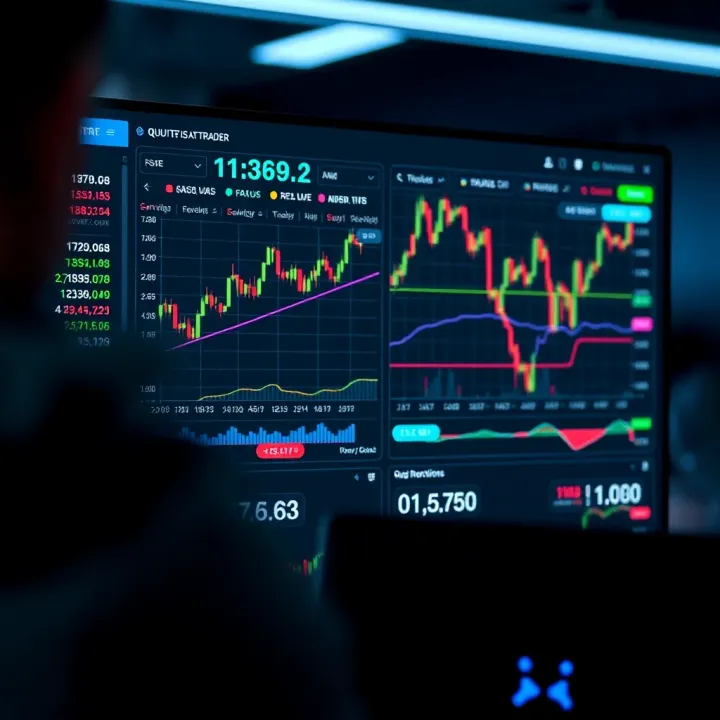
Explore Quotex Trader's features, tools, and trading options designed for Indian traders 📈 Learn setup, strategies, and risk management clearly.
📊 Learn how to navigate the RBI forex broker list, spot trusted brokers, and avoid scams. Essential tips for safe forex trading in India 🇮🇳
Based on 12 reviews