

Understanding Quotex Withdrawal Times for Indian Traders
Learn how long Quotex withdrawals take and what affects the timing ⏳. Get tips for fast payouts and explore payment options 📱💸 for Indian traders.
Edited By
Sophia Turner
When it comes to managing money in India, knowing how to properly withdraw real cash is essential. Whether you’re a trader looking to access your profits, an investor cashing out dividends, or a broker needing liquidity, understanding the ins and outs of real cash withdrawal helps avoid unnecessary fees and security risks.
This article breaks down what real cash withdrawal means, the common methods available, the typical fees involved, and how to keep your transactions safe and smooth. We’ll also highlight some pitfalls to watch out for so you can make smart decisions when taking money out of your financial accounts.

Real cash withdrawal isn't just about pulling money out—it’s about how you do it safely, efficiently, and with full awareness of any charges or limitations.
In a country where financial systems overlap—from banks and digital wallets to trading platforms and payment apps—grasping these concepts is more relevant than ever. So, let’s start by outlining what exactly qualifies as real cash withdrawal and why it matters to professionals working in finance and trading in India.
Understanding what real cash withdrawal entails is fundamental for anyone who handles finances regularly. Real cash withdrawal refers to the physical act of taking out actual currency notes from your bank account, credit card, or another financial instrument. This contrasts with simply transferring funds digitally or making payments electronically.
Why is this important? Well, in an age dominated by digital payments, many still rely on cash for everyday transactions—whether it’s paying a vegetable vendor at a local market or tipping a driver. Knowing how real cash withdrawal works, its methods, and associated costs helps you avoid unexpected fees and security risks.
For instance, consider a trader needing cash to pay laborers on-site. Digital transactions might not always be practical or accepted. So, having clear knowledge of how to withdraw physical cash efficiently becomes a practical necessity.
At its core, real cash withdrawal is the process of converting your bank balance or credit limit into tangible money you can hold in your hand. This means you’re not just moving numbers around in accounts but physically receiving rupees and paise.
This could take place through several means, such as withdrawing from an ATM, visiting a bank branch, or opting for cash back while making purchases. Each method eventually results in you receiving actual cash.
Unlike digital payment transactions, a real cash withdrawal involves completing identification and authentication steps like entering a PIN or providing ID documents. This makes sure the money leaves the bank securely and reaches the right person.
The distinction between real cash withdrawal and digital transactions is clear once you consider their outcomes and usage.
Tangible vs. Intangible: Real cash withdrawal results in physical currency in your pocket. Digital transactions, however, are purely electronic – no money changes hands physically.
Immediate Usability: Cash is universally accepted for small, informal payments where digital infrastructure might not exist or work efficiently. On the other hand, digital transactions depend on internet connectivity and the merchant’s acceptance.
Fees and Limits: Often, withdrawing cash can incur fees, especially from third-party ATMs or if you exceed daily financial limits. Digital transactions might have lower or no charges depending on the platform.
Security Considerations: Carrying cash has its risks—like theft or loss—whereas digital payments rely on encryption and authentication protocols, reducing some types of risk but introducing others like cyber fraud.
For example, an investor paying cash to a consultant on the spot faces different risks and immediacy than making a bank transfer. Knowing these nuances helps traders, brokers, and finance pros plan their transactions wisely.
Real cash withdrawal remains a vital part of financial dealings, especially in a country like India where cash still plays a significant role in daily commerce despite the rise of digital payments.
By understanding these basics, you prepare yourself to navigate withdrawal choices smartly, balancing convenience, cost, and safety according to your specific needs.
When it comes to getting hold of physical money, knowing the common ways to withdraw real cash is pretty important. For traders, investors, and finance pros in India, understanding these methods helps in managing liquidity without unnecessary delays or costs. Whether traveling, making quick payments, or just needing cash on hand, each method has its perks and quirks.
ATMs are by far the go-to option for quick cash. They're everywhere—on streets, malls, and bank branches—which means you can grab money almost anytime. Enter your card, punch in your PIN, and you’re set. For example, if a stock trader needs some cash after market hours, an ATM can save the day. Just be mindful of withdrawal fees; some banks waive charges if you use their ATMs, but using third-party ATMs often tacks on extra costs. Also, remember daily withdrawal limits that vary by bank and card type, so planning ahead avoids unwelcome surprises.
If you need a larger sum or prefer dealing face-to-face, visiting your bank branch is the way to go. This method is ideal for cash requirements beyond ATM limits or for those who prefer human interaction to clarify doubts or verify fund availability. For example, an investor liquidating a large sum will likely visit the bank to ensure proper documentation and avoid hitting daily ATM caps. It’s straightforward but can be time-consuming, especially during peak hours, so early visits might save you some wait.
Some retail stores and supermarkets in India offer cashback when you pay via debit cards. This means you can withdraw cash along with your purchase, saving a separate trip to the ATM. Suppose an analyst buys groceries at Big Bazaar and opts for cashback; they can take out cash included in their purchase amount directly at checkout. It’s convenient and sometimes fee-free, but limits on cashback amounts and availability depend on the retailer and card network.
Remember, each cash withdrawal method has its place depending on your specific needs. Balancing convenience, fees, and withdrawal limits helps you manage your cash efficiently without fuss.
Knowing the fees and charges tied to real cash withdrawals is more than just a nice-to-know—it can save you a bundle over time. When you withdraw cash, especially in India, banks and ATM networks often levy specific fees. Being aware of these costs helps you manage your expenses better and avoid surprises when you check your bank statement.
ATM withdrawal fees in India vary based on several factors including your bank, the ATM you use, and whether it’s your own bank’s machine or a third-party ATM. For example, SBI typically allows up to 5 free transactions at non-SBI ATMs per month, but beyond that, a fee of around ₹20 per transaction applies. ICICI Bank and HDFC Bank have similar models, sometimes charging between ₹20 to ₹25 per transaction after a certain number of free withdrawals monthly.
If you frequently use ATMs belonging to other banks, those fees can pile up quickly. A good rule of thumb is to limit the number of times you use a third-party ATM or check if your bank offers any fee waivers with higher account balances. If you take out cash just for occasional use, the fees might seem minor, but for someone who depends on cash regularly, these charges can add up to a hefty sum.
Withdrawals made directly at bank branches often come with their own costs, especially if the amount exceeds certain thresholds. Many banks don’t charge for routine branch withdrawals, but large transactions or those from specialized accounts might incur fees. For instance, some banks charge service fees if cash withdrawals exceed ₹50,000 in a day or month from certain account types.
Additionally, if you withdraw cash via a Demand Draft or cheque instead of an ATM, there could be service charges depending on the bank’s policies. These fees vary widely, so it’s wise to speak with your bank representative or check your specific account's terms.
Using ATMs outside your bank’s network often comes with added costs. Apart from direct withdrawal fees, these transactions may attract extra charges from the ATM owner’s bank. Besides money, there’s a risk of your transaction slowing down, the receipt not printing properly, or worse, your card getting stuck.
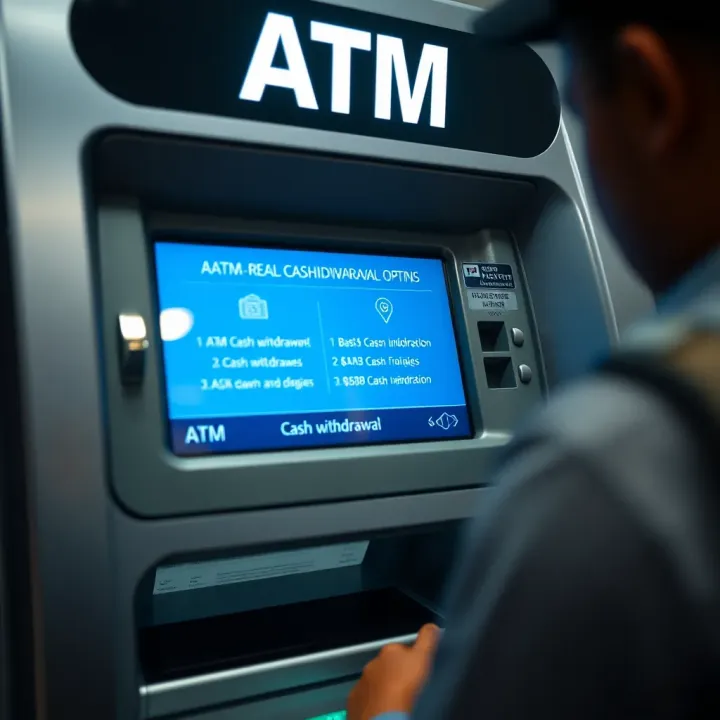
It’s always worth weighing the convenience of using a nearby third-party ATM against potential extra charges. Sometimes walking an extra block to your own bank’s ATM can save you ₹20-₹25 per transaction.
Several fintech services in India, like PhonePe and Google Pay, allow you to locate your bank’s nearest ATM to avoid unnecessary fees. In short, keeping an eye on where and how often you withdraw can prevent fees from eating into your funds unnoticed.
Keeping track of these fees isn’t just a budgeting tip—it’s a practical strategy so your money goes the distance, especially if you’re often moving cash in and out of your accounts.
When it comes to handling cash withdrawals, knowing the limits and restrictions is essential—not just to avoid surprises but also to plan your finances more efficiently. Banks and financial institutions set these parameters to maintain security and regulate the flow of physical money. Without understanding these rules, one might find themselves caught off guard, whether by daily maximums or regulatory policies that affect how much cash you can take out.
These limits often reflect a balance between convenience and control. For example, banks need to minimize the risk of fraud, money laundering, or simply running out of cash in the vault, while customers want swift access to funds without unnecessary hassle. With this in mind, let's explore how these limits work and what guidelines shape them.
Banks typically place a cap on how much cash you can withdraw from an ATM or bank branch in a single day. This cap is called the daily withdrawal limit. In India, this limit can vary widely depending on your bank, type of account, and whether you're using an in-network ATM or a third-party machine.
For instance, State Bank of India (SBI) generally allows a withdrawal of up to ₹20,000 per day from ATMs. However, premium accounts or certain debit cards might permit higher limits, sometimes up to ₹50,000 or ₹1,00,000, catering to customers who need more cash on hand. On the other hand, smaller banks or local credit unions might have lower limits reflecting their cash flow and security protocols.
These limits are not arbitrary; they help reduce the chance of large-scale theft or fraudulent withdrawals if your card is lost or stolen. Moreover, the limits force customers to be mindful about their cash needs, encouraging smarter money management. Say you have a wedding to attend, and you need more than ₹50,000—knowing the daily cap lets you plan ahead and withdraw in multiple days rather than getting stranded without sufficient cash.
Beyond the banks’ own policies, cash withdrawals in India are also subject to regulatory guidelines set by the Reserve Bank of India (RBI) and other financial authorities. These regulations aim to promote transparency, curb black money, and encourage digital transactions.
For example, since demonetization in 2016, limits on cash withdrawals became stricter, with banks required to report any unusual or large-cash transactions. Customers withdrawing more than ₹10 lakh in cash within a financial year from their savings accounts must provide proof of the transaction’s legitimacy, such as tax returns or business invoices.
Additionally, the RBI has pushed for digital payment adoption, influencing banks to set practical cash withdrawal limits that steer people toward using mobile wallets like Paytm, PhonePe, or UPI apps. This doesn't mean high-value transactions are banned but rather discouraged in cash format to reduce corruption and make the money trail obvious.
Keep in mind: Even if you're within your account’s daily withdrawal limit, withdrawing huge amounts regularly may invite scrutiny or require additional documentation.
Banks also comply with Anti-Money Laundering (AML) rules, monitoring suspicious withdrawals or deposits and reporting them to regulatory agencies. Therefore, while the limits ensure a certain freedom to access your cash, they also protect the banking system’s integrity.
Understanding these limits and regulatory frameworks is not just about following rules—it's about using your resources smarter and staying ahead of potential hiccups. It’s the kind of practical info every trader, investor, or finance professional should keep handy to avoid last-minute surprises or unnecessary delays in accessing their money.
Withdrawing cash remains an essential part of managing finances, especially in places where digital payment options haven't fully taken over. However, this process can expose you to risks like theft, fraud, or errors. Knowing how to safeguard yourself when pulling out money from ATMs or banks is just as important as understanding withdrawal limits or fees. In India, where crowded ATMs and complex scams are becoming common, a few smart precautions can make all the difference.
Your PIN is the gatekeeper to your money, so keep it under wraps. Don't jot it down anywhere near your card or share it with anyone, even if they claim to be bank staff. A simple trick is to cover the keypad with your other hand while entering your PIN during ATM or point-of-sale transactions. This blocks potential onlookers or hidden cameras.
Also, avoid obvious combinations like "1234" or your birth year—these are the equivalent of leaving your front door unlocked. If you suspect your card info has been compromised, report it to your bank without delay and request a new PIN or card.
Fake ATMs are designed to steal card details or cash. They might look legitimate but often have subtle differences, such as poor print quality on logos or irregular button spacing. Be cautious if the machine seems unusually slow, asks for extra information, or struggles to eject your card.
Scams can also involve calls or messages pretending to be from your bank asking you to reveal PINs or OTPs — never comply. Many fraudsters know how to create a sense of urgency that tricks victims into giving away sensitive info. If something feels fishy, hang up and call your bank using the official number from their website or passbook.
When withdrawing cash at a bank branch, pick a time when it's relatively quiet to avoid rush and confusion. Pay attention while the teller counts your cash—glance at the denominations to avoid mistakes or shortfalls.
Keep your belongings close and be aware of your surroundings. Some thieves target people who show large amounts of cash outside the bank. If possible, request a withdrawal slip in advance to minimize wait time inside the branch.
Staying alert and taking simple precautions during cash withdrawals can protect you from losses and scams, ultimately keeping your finances safer in everyday life.
Taking these steps isn't just about avoiding immediate danger—it's about building habits that keep your money accessible only to you in the long run.
Cash withdrawals offer convenience but can sometimes be limiting due to factors like daily limits, fees, or security concerns. Hence, exploring alternatives to withdrawing cash is practical, especially for traders, investors, and finance professionals who frequently need to move money efficiently. These options not only reduce dependency on physical currency but also often come with added security and ease of transaction. Among the prominent alternatives are digital payment methods and mobile wallets connected by UPI—a game changer in the Indian financial ecosystem.
Digital payments have become the backbone of financial transactions for many in India, thanks to their speed and accessibility. Methods like net banking, debit and credit card payments, and online fund transfers allow seamless money movement without the hassle of carrying cash. For example, when making a payment for office supplies or settling booking fees, digital payments save time and paperwork. They also provide a clear paper trail which is useful for financial tracking and audits.
Net Banking: Most banks offer a web portal that lets users move money directly between accounts or pay vendors instantly.
Card Payments: Debit and credit cards simplify purchases and bill payments with just a swipe or tap.
One practical benefit is the reduced risk of theft or loss compared to cash, and transactions can be conducted anywhere with internet access, avoiding the wait and queues at banks or ATMs.
Mobile wallets like Paytm, PhonePe, and Google Pay have transformed everyday payments by offering quick, cardless transactions through smartphones. UPI (Unified Payments Interface), a system developed by NPCI, allows instant bank-to-bank transfers using just a mobile device. This service fits perfectly for traders and brokers who need to transfer funds swiftly to seize market opportunities or settle transactions.
Using UPI, you can transfer money by simply inputting the recipient’s virtual payment address (VPA) or scanning a QR code, which removes the need for bank account details. It's a lightweight alternative that can replace the need for withdrawing cash to make payments.
Consider a scenario where a finance professional needs to pay brokerage fees or clear vendor invoices promptly—mobile wallets and UPI handle these transactions within seconds, unlike cash withdrawals followed by in-person payments.
Reminder: While mobile wallets and UPI are secure, always use official apps and safeguard your PIN or passcode to prevent unauthorized transactions.
In short, the shift toward digital payments and mobile wallets enhances convenience, minimizes physical money handling, and caters well to the dynamic needs of finance professionals in India.
Cash withdrawal is a routine process for many, but it doesn’t always go smoothly. Common hiccups can cause delays or even financial stress, especially for those relying heavily on cash for daily transactions. Understanding these challenges helps traders, investors, and finance professionals plan better and avoid last-minute troubles.
Nothing is more frustrating than reaching an ATM only to find it out of service. Machines can go offline due to technical failures, software glitches, or even power cuts. For example, a trader needing quick access to funds to finalize a purchase might lose crucial time if the nearby ATM is non-functional. Such downtime highlights the importance of having backup options, like knowing nearby ATMs or keeping some cash handy. Moreover, the growing digital infrastructure means ATMs often run software updates that temporarily disrupt service.
Cash shortages at bank branches can throw a wrench into your withdrawal plans. Banks may face temporary shortages due to high demand, especially during festival seasons or months-end when many people withdraw cash. An investor who planned a lump sum withdrawal might get partial cash or be asked to come back later. This situation can also arise because of logistical delays in cash supply or banking holidays. Planning ahead and checking branch timings or branch cash availability can save you the trouble.
One common concern that many face is the ATM retaining their card unexpectedly. This usually happens if the ATM suspects fraudulent activity, if the card is expired, or due to user error like the PIN being entered incorrectly multiple times. Imagine a broker in the middle of a busy day losing access to their card at an ATM—this can cause immediate inconvenience and potential delays in accessing funds. When this happens, contact your bank right away, follow their guidance for card retrieval, and always check your transaction history for any unauthorized activity.
Being aware of these challenges doesn't just prepare you for inconvenience—they empower you to make smarter decisions about when and where to withdraw cash. For traders and finance professionals, timing and preparedness can make all the difference.
By keeping these common issues in mind, you can reduce the risk of disruption, save time, and maintain smoother control over your cash management activities.
Cash withdrawal problems can pop up at the worst times, causing frustration and sometimes financial headaches. Knowing the right steps to take quickly can save you stress and protect your money. This section covers what to do if you run into hiccups such as ATM failures, lost cards, or unauthorized withdrawals, which are particularly important for traders, investors, and finance pros who rely on quick and dependable access to cash.
If an ATM swallows your card or doesn't dispense cash but shows the transaction as successful, you should report the issue to your bank immediately. Most banks in India provide a 24/7 helpline specifically for card-related problems. For example, HDFC Bank has a dedicated lost and stolen card helpline. The quicker you inform the bank, the faster they can block the card to prevent misuse.
When reporting, have your card details, transaction time and location handy, because this helps the bank trace the issue faster. Don't delay the call by thinking the machine might just be slow. One user once waited hours after their ICICI debit card was stuck in an ATM, only to find unauthorized attempts made later that day. Immediate reporting can prevent such risks.
Always keep emergency numbers of your bank saved on your phone or written somewhere secure for these exact moments.
Discovering unauthorized cash withdrawals on your account can leave anyone on edge. The first step is to notify your bank, explaining the transaction details and emphasizing that you did not authorize them. Banks in India like SBI and Axis Bank have set procedures for raising disputes, often through their customer portals or apps.
Prepare to provide any proof you can, like timestamps, receipts, or CCTV footage if available (sometimes stores can provide this if the transaction happened at a POS). Many banks put a hold on disputed amounts during their investigation, preventing further losses.
As a practical tip, regularly monitor your bank statements or set up SMS alerts with services like Airtel Money or Paytm Payments Bank. Quick detection means quicker dispute and less hassle. Remember, under RBI guidelines, banks generally must resolve complaints related to unauthorized transactions within a month.
Taking these steps doesn’t just safeguard your funds but also helps maintain your financial credibility, vital in professional settings where your creditworthiness is under constant watch. By being proactive and armed with the right info, you ensure your cash withdrawal experience stays smooth and secure.
When you deal with cash withdrawals frequently, managing them well can save you both money and time. This section highlights practical tips that traders, investors, and finance professionals can use to keep their cash flow smooth while avoiding unnecessary fees or inconveniences.
Getting a grip on your actual cash requirements before heading to the ATM or bank is a smart move. Think of it like prepping your grocery list: You don’t want to buy more than you need or forget an essential item. For example, if you’re planning to attend a trading conference or meet clients that require cash payments, estimate how much cash you’ll need for transport, meals, and incidental expenses. This not only reduces the number of times you must withdraw cash but also keeps your finances tidy.
Moreover, planning ahead can help avoid last-minute cash demands when banks or ATMs might be out of service or running low on currency.
Timing your cash withdrawal can make a noticeable difference. Picking a busy bank branch during weekdays compared to a quiet one on weekends may impact whether the ATM is stocked or the queue manageable. For instance, withdrawing cash early in the morning or during lunch breaks might be quicker since fewer customers usually visit at these hours.
Also, opting for ATMs from your bank rather than third-party machines can save you from unwarranted additional charges. Retail outlets offering cashback with purchase are convenient, but be wary of transaction limits and potential fees that might sneak up on you.
Always keep a tab on your daily withdrawal limits and related fees to avoid surprises. Banks often have a capped amount per day, and exceeding it might result in declined transactions or penalty fees. For example, if your SBI debit card limits you to withdrawing ₹50,000 per day, planning a ₹1 lakh withdrawal requires either spreading it over two days or visiting a branch.
Fees for using other bank's ATMs or international withdrawals can add up, so factor these costs into your budgeting. A simple way to stay on top is to regularly check your bank’s SMS alerts, update your mobile banking app, or review monthly bank statements.
Managing cash withdrawals efficiently isn’t just about convenience; it’s a smart step to minimize unnecessary charges and secure your money. Every withdrawal counts, so a little foresight can go a long way.
Efficient withdrawal practices ensure you maintain liquidity without getting tangled in avoidable fees or rushed decisions. This kind of financial awareness is an asset in any professional’s toolkit.
Learn how long Quotex withdrawals take and what affects the timing ⏳. Get tips for fast payouts and explore payment options 📱💸 for Indian traders.
Learn how to withdraw funds from Quotex in India 💰. Explore all methods, step-by-step guidance, processing times ⏰, fees, and tips for hassle-free transfers.

💰 Discover how to meet Quotex minimum withdrawal rules in India, navigate payment options, avoid delays, and withdraw your earnings smoothly today! 🔍

Discover how to withdraw funds from Quotex effortlessly! 💸 Step-by-step guide on timing, fees, payment options & troubleshooting for Indian traders 🇮🇳
Based on 11 reviews