

Top Telegram Channels for Stock Market Insights in India
📈 Discover the best Telegram channels for stock market insights in India 🇮🇳. Get reliable tips, daily updates, and expert analysis to aid your investment decisions confidently 📊.
Edited By
Charlotte Hughes
India's coffee market has seen rapid growth over the past decade, shaped by shifting consumer preferences and rising disposable incomes. Starbucks, a leading global brand, entered the Indian market in 2012 through a joint venture with Tata Group. Despite its strong presence, Starbucks faces stiff competition from both homegrown and international rivals.
Local brands like Café Coffee Day (CCD) have long dominated coffee retail in India, boasting extensive store networks and deep-rooted brand loyalty. CCD caters to a broad audience, offering affordable prices and a familiar experience, which appeals especially to young Indians and middle-class consumers in tier-2 and tier-3 cities.
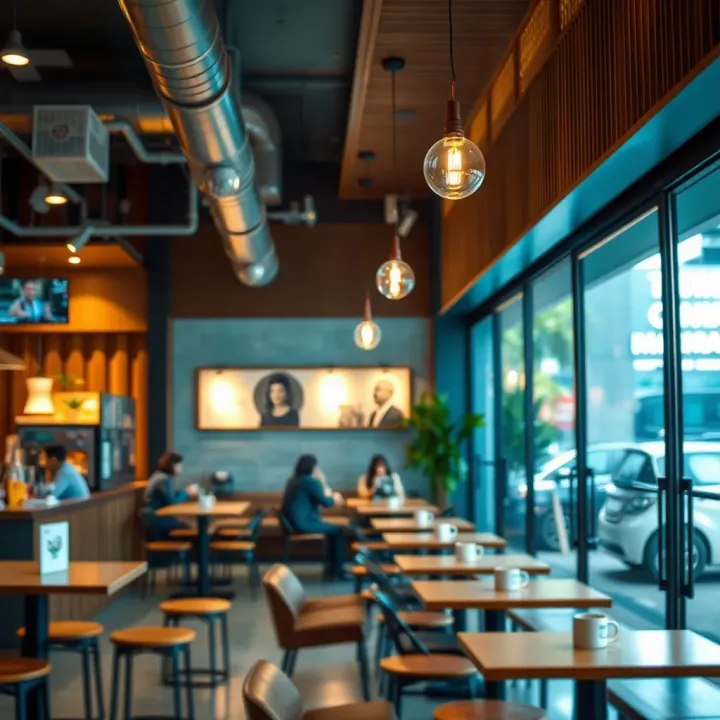
On the international front, Costa Coffee brings a diverse menu and premium positioning. Acquired by Coca-Cola, Costa Coffee leverages global supply chains and marketing techniques that intensify competition with Starbucks in premium urban markets such as Mumbai, Bengaluru, and Delhi.
Besides these, chains such as Barista and Café Nero provide niche offerings with a focus on cafe ambience, speciality brews, and European coffee culture. These players attract discerning customers who seek alternatives to Starbucks' menu and pricing.
The market also includes upscale and boutique coffee shops like Blue Tokai and Third Wave Coffee Roasters. These brands capitalise on the growing preference for freshly roasted artisanal coffee, local sourcing, and unique brewing methods. They target urban professionals and coffee enthusiasts who prioritise quality and provenance over brand familiarity.
As India's coffee culture expands, Starbucks faces the dual challenge of competing with well-established local networks and emerging specialty cafes that align with shifting consumer tastes.
For investors and market analysts, understanding this competitive mix is essential. Each brand occupies distinct market segments, pricing tiers, and geographic footprints, influencing Starbucks' market share and growth prospects. Moreover, innovations around digital ordering, subscription models, and retail experience—led by both domestic and global players—are reshaping competition dynamics.
In summary, Starbucks is navigating a complex market with varied consumer segments, entrenched competitors, and evolving consumption patterns. Success will depend on how effectively it adapts its strategy to Indian coffee culture while maintaining its global brand appeal.
The Indian coffee market is steadily emerging as a vibrant sector, attracting attention from both local players and global brands like Starbucks. Understanding this market is essential for investors and analysts to gauge competition, consumer trends, and potential growth avenues. India’s coffee consumption has historically lagged behind tea, but recent shifts in lifestyle and preferences have reshaped this landscape significantly.
Coffee consumption in India has grown at a steady clip, thanks partly to urbanisation and expanding middle-class spending power. Unlike traditional coffee-drinking regions such as Bengaluru and Coorg, newer urban centres like Pune, Hyderabad, and Gurgaon have shown increased appetite for coffee culture. For instance, data from the Coffee Board of India highlights a CAGR of around 7% in coffee retail sales over the past five years, reflecting evolving tastes across demographics.
India’s young population, influenced by global travel and digital media, is more inclined towards coffee beverages than before. Instant coffee consumption remains strong, but fresh-brewed variants and specialty coffees are gaining traction, pushing demand beyond conventional filters and decoction styles common in southern India.
The café culture has played a pivotal role in popularising coffee consumption. With over 10,000 coffee outlets across major cities, cafés have become social hubs, especially among millennials and working professionals. Starbucks’ entry in 2012 was a watershed, spurring growth in branded cafés. However, local chains like Café Coffee Day and newer third-wave artisan brands have also expanded aggressively.
Consumers today seek more than just coffee—they value ambience, convenience, and personalised experiences. The rise of tier-2 and tier-3 cities as emerging markets has prompted brands to experiment with varied formats, including kiosk models and cloud cafés focused solely on delivery. Take-home retail options, such as packaged beans and ready-to-drink coffees, also cater to evolving demands.
The Indian coffee market’s dynamism reflects broader lifestyle changes, where premiumisation meets accessibility, creating fertile ground for competition among established and emerging players.
Understanding these growth patterns and consumer shifts provides critical context for evaluating Starbucks’ market position and its key competitors in India.
India’s coffee market has witnessed a surge in home-grown brands that challenge Starbucks' dominance through strong local connections and tailored offerings. These competitors understand Indian consumer preferences better and often adapt faster to regional tastes. Investors and analysts keeping an eye on Starbucks should closely watch these players for their market strategies, pricing models, and expansion plans.
Café Coffee Day, often regarded as the pioneer of organised coffee retail in India, still holds significant sway with over 1,700 outlets nationwide. The brand’s extensive presence in tier-2 and tier-3 cities provides it an edge over Starbucks, which largely focuses on metro and premium locations. CCD’s affordable pricing strategy caters to the mass market, drawing in a broad consumer base beyond just affluent young professionals. However, financial turbulence in the past few years and efforts to modernise its image have made investors cautious about CCD’s long-term profitability.

CCD’s strong supply chain and roastery infrastructure also support its competitive pricing and consistency in product quality. For traders and analysts, CCD’s performance is often a barometer of the Indian organised coffee sector’s health due to its wide footprint and brand recall.
India’s third wave coffee scene, which emphasises artisanal brewing methods and traceable coffee sources, is reshaping consumer expectations. These brands appeal to urban millennials and connoisseurs ready to pay a premium for quality. Their rise signals a shift from mass-market chains to experience-driven coffee consumption.
Blue Tokai is arguably the front-runner in India’s third wave coffee movement. Established around 2013, it sources beans directly from Indian plantations and roasts them locally to ensure freshness and flavour. Besides cafés, Blue Tokai’s online subscription service has attracted a loyal community of coffee lovers who prefer home brewing. Its push to educate consumers about coffee origins and brewing techniques positions it as more than just a beverage seller — it’s a specialist brand building an engaged customer base.
This strategy has made Blue Tokai a valuable contender against Starbucks for investors monitoring niche premium market growth. Its relatively lean operations and digital-first approach help maintain better margins in comparison to traditional chains.
The Indian Bean operates primarily as a premium coffee distributor combined with select cafe outlets, focusing on sourcing quality Arabica and Robusta beans from Indian hill stations. Unlike Blue Tokai, it emphasises partnerships with boutique farmers to support sustainable farming practices, which fetch discerning buyers willing to pay extra.
Though smaller in scale, The Indian Bean is carving out a distinct identity by specialising in single-origin coffees, appealing to specialty café visitors and retail customers hunting for authentic Indian coffee flavours. This focus on sustainability and provenance may interest investors tracking ethical business models with growth potential.
Besides Blue Tokai and The Indian Bean, several other regional brands like Bird & Beans (Nashik-based) and Third Wave Coffee Roasters (Chennai) contribute to the evolving local coffee ecosystem. These players promote innovative offerings such as cold brews, single-origin blends, and coffee workshops, creating experiential value for customers.
Although their reach remains limited compared to nationwide chains, their influence grows in key urban centres like Bengaluru, Pune, and Chennai. For market watchers, these emerging brands represent a testbed for new products and trends that could shape India’s coffee culture in the coming years.
Local competitors combine deep market understanding with innovative product strategies, which makes Starbucks’ hold on the Indian coffee market far from unchallenged. Keeping track of these players offers investors insight into shifting consumer loyalties and growth opportunities in an expanding market.
International coffee chains have become formidable challengers to Starbucks in India’s growing coffee market. These brands often bring their global experience, established menus, and strong brand recognition to attract Indian consumers. Their entry adds to competition not just in major metros but increasingly in tier-2 and tier-3 cities, forcing Starbucks to rethink pricing, localisation, and expansion strategies.
Costa Coffee, now owned by Coca-Cola, has steadily expanded its footprint across India to contest Starbucks’ dominance. Its strategy involves targeting high-traffic malls, airports, and office hubs with a strong emphasis on affordability compared to Starbucks. The brand tailors beverages with Indian flavours—like the elaichi latte—to appeal to local tastes. It also focuses on loyalty programmes and quick service to build repeat customers. Costa’s competitive pricing and wide presence have enabled it to become the second-largest foreign coffee chain in India, making it a serious competitor in metros like Delhi, Mumbai, and Bengaluru.
Dunkin’ Donuts entered India initially with a major push on snacks and quick bites alongside coffee. Although the pandemic posed setbacks, the brand leverages its popular doughnuts and bakery items to draw in younger consumers. The coffee itself is positioned as value-for-money, appealing to those looking for affordable café experiences. In metropolitan cities, Dunkin’ Donuts caters well to fast-paced lifestyles with delivery and takeaway options, challenging Starbucks’ premium sit-down café model.
Pret A Manger focuses on high-quality, freshly made food with organic and health-conscious coffee options. Its outlets in cities like Mumbai serve urban professionals who prefer quick yet wholesome meals along with ethically sourced coffee. Unlike Starbucks’ broader café experience, Pret emphasises counter service and ready-to-eat choices, attracting time-pressed customers. Its international brand appeal adds to the competitive pressure Starbucks faces in premium segments.
India also hosts several local franchises of global coffee players that present fragmented but significant competition to Starbucks. These include smaller regional outlets operating under international names but adapting their menus and prices sharply to local preferences and spending power. Such franchises often experiment with fusion coffee offerings or local snacks to carve niche markets in districts and suburbs. While they may lack Starbucks’ scale, their flexibility and regional insight allow them to capture growing coffee demand beyond metros.
International chains bring diversity in price points, service style, and menu innovation, compelling Starbucks to continuously adapt in a tough market.
The rise of these global challengers underlines the intense competition in India’s coffee industry. For investors and analysts, understanding these brands' strengths offers insight into the shifting dynamics where Starbucks operates — balancing global standardisation with local relevance will define future leadership in India’s coffee market.
Starbucks entered India with strong global branding, but soon faced a set of challenges unique to the Indian coffee landscape. Understanding these hurdles reveals why competitors often pose a real threat despite Starbucks’ international reputation. The company’s ability to adapt remains a key factor in sustaining its growth amid intense local and international competition.
Starbucks prices its beverages at a premium level compared to many local coffee chains. For instance, a basic cappuccino often costs around ₹200-₹250 at Starbucks, while Café Coffee Day (CCD) or local cafés may offer similar options for almost half the price. This price difference matters in India’s price-sensitive market, where value-for-money plays a major role. Moreover, third wave coffee brands like Blue Tokai offer quality coffee at competitive prices but also appeal to niche consumers willing to pay more for artisan brews. Starbucks’ premium pricing can limit its reach to affluent urban customers, leaving out a larger segment of everyday coffee drinkers.
Starbucks initially struggled to fully align its menu with Indian tastes. Coffee preferences here include stronger filter coffee and milk-based drinks that differ from Western-style coffees. Although Starbucks added some Indian touches—like the Masala Chai and Tandoori Paneer wrap—these efforts came somewhat late. Local chains like CCD had long been offering South Indian filter coffee variants and regional snacks, making them trusted options. Adapting further by introducing regional beverages and local snacks that resonate with Indian palates could help Starbucks widen its appeal especially in tier-2 and tier-3 cities.
Starbucks tends to focus on premium locations such as high-end malls, prime high streets, and airports, mainly in metropolitan centres like Mumbai, Delhi, and Bengaluru. While this keeps the brand’s premium image intact, it also limits its footprint. Competitors like CCD have a far wider presence across smaller towns and commercial hubs, providing convenience at lower price points. This difference restricts Starbucks’ access to the growing Indian middle class brand-conscious but budget-conscious coffee drinkers. Increasing its presence beyond metro cities, perhaps through smaller format stores or kiosks, would enhance reach without compromising brand position.
Starbucks faces the complex task of maintaining its global brand identity while adjusting to India’s diverse coffee culture, price sensitivity, and expanding consumer geography.
In summary, Starbucks’ challenges in India centre around balancing premium pricing, adapting to local tastes, and expanding geographical reach. Facing these issues head-on will determine how effectively it competes with both established local players and ambitious international entrants.
The Indian coffee market is evolving rapidly, partly driven by changing consumer preferences and technological advances. Understanding future trends helps investors and stakeholders anticipate shifts in demand, competitive pressure, and opportunities for growth. Two key trends gaining traction are the rise of home delivery and online coffee sales, along with innovation in coffee formats and offerings.
Online sales and home delivery have become vital for coffee sellers in India, especially after the pandemic reshaped consumption habits. Platforms like Swiggy and Zomato now offer not just restaurant meals but also branded coffee products, allowing customers to enjoy café-quality brews at home. For example, Café Coffee Day and Blue Tokai Coffee Roasters have expanded their presence on these platforms, ensuring wider reach beyond metropolitan outlets.
This trend benefits consumers with convenience and safety, while brands gain access to tier-2 and tier-3 cities, which often lack physical store presence. Investors should note the potential of this channel given India's expanding internet reach and smartphone penetration. Additionally, direct-to-consumer (D2C) models via brand-owned websites allow companies to build loyalty and control pricing more effectively.
The takeaway: companies embracing digital sales and delivery models stand to capture a growing share of India’s coffee consumers, especially among younger, urban professionals.
The market is also witnessing fresh approaches to coffee products. Beyond the classic espresso-based drinks, firms are exploring instant coffee blends tailored to Indian tastes, ready-to-drink cold brews, and even fusion beverages incorporating local ingredients like jaggery or masala spices.
New formats such as coffee subscriptions and curated packs have grown popular, helping brands secure regular income while offering consumers variety and value. For instance, subscription services from brands like The Indian Bean allow regular delivery of freshly ground coffee, reducing the hassle of repeat purchases.
On top of that, sustainability is influencing product innovation. Several companies now source beans directly from Indian farmers, highlighting traceability and ethical practices, which appeal to environmentally conscious consumers.
Keeping an eye on these developments is essential for analysts and investors. Brands that innovate to meet evolving tastes and consumption habits will likely strengthen their foothold against competitors like Starbucks, which must continuously adapt to maintain relevance.
In summary, the future of India’s coffee market hinges on digital sales growth and product innovation. Understanding these trends provides useful insight for making informed decisions about investments and strategic moves within this vibrant sector.
📈 Discover the best Telegram channels for stock market insights in India 🇮🇳. Get reliable tips, daily updates, and expert analysis to aid your investment decisions confidently 📊.

📈Know binary trading hours for Indian investors! Understand global market times, trading windows, regulations, and tips to trade smart within India's framework.

📊 Explore how Reliance Retail plans to adapt for tomorrow, tackling changing consumer habits, tech shifts, and competition in India’s retail market.

Find the ideal iPad for trading with our guide covering performance, display, app compatibility, and portability. Perfect for Indian traders looking to invest smartly 📈📱
Based on 14 reviews