

Understanding Forex Trading Online: A Practical Guide
Learn the basics of forex trading online with our practical guide 📈 Explore key strategies, platforms, risks, and regulations tailored for Indian traders.
Edited By
Henry Collins
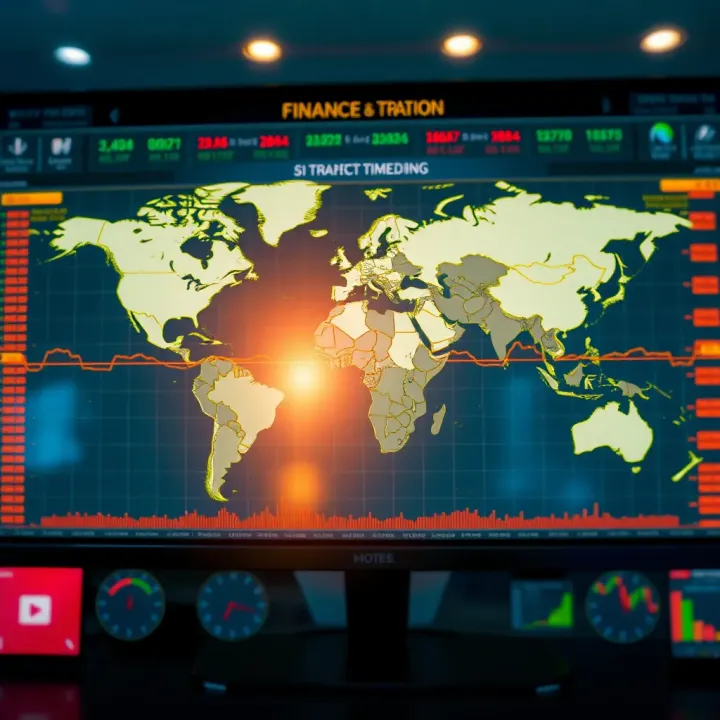
Forex trading takes place 24 hours a day, but the market actually moves in distinct shifts called sessions. These sessions are linked to major financial centres around the world, including London, New York, Tokyo, and Sydney. The activity, volatility, and liquidity in each session vary, influencing how traders approach the market.
For Indian traders operating on Indian Standard Time (IST), understanding session timings is crucial. The four main sessions roughly correspond to:
Tokyo session: 6:30 am to 3:30 pm IST
London session: 12:30 pm to 9:30 pm IST
New York session: 5:30 pm to 2:30 am IST
Sydney session: 4:30 am to 1:30 pm IST
Each session brings its own trading climate. For example, the London session tends to be the most liquid, responsible for around 35-40% of daily forex turnover worldwide. The overlap between the London and New York sessions – from roughly 5:30 pm to 9:30 pm IST – is particularly significant, often resulting in higher volatility and trading opportunities.
Liquidity and volatility peak where sessions overlap, offering the best conditions for many strategies but also posing higher risks for inexperienced traders.
Liquidity refers to how easily forex pairs can be bought or sold without causing large price moves. The London and New York sessions feature the highest liquidity because they cover two of the biggest forex centres. Conversely, the Tokyo and Sydney sessions usually see quieter markets, which might suit traders looking to avoid sharp swings.
Factors like economic news releases and geopolitical events during these sessions also affect market behaviour. For instance, Indian traders should watch for key announcements like the US non-farm payroll data during the New York session or Bank of England updates during the London session.
Grasping these sessions and their characteristics helps traders plan entries and exits better, adjust risk exposure, and optimise trades based on the time of day. Knowing when market activity surges can avoid trading during dull hours and leverage periods of higher momentum.
In the next sections, we will explore each forex session in detail, its specific traits, and practical tips for trading around session timings in IST.
Understanding forex trading sessions is key for anyone involved in currency trading. The forex market operates twenty-four hours a day, thanks to its global nature, but this round-the-clock activity is not uniform. Trading activity clusters around the hours when major financial centres are open. Knowing when these sessions start and end helps traders anticipate market behaviour, liquidity, and volatility.
A forex trading session refers to the period when banks, financial institutions, and traders from a particular region are actively trading currencies. These sessions generally align with the business hours of major financial capitals such as Tokyo, London, and New York. Since the forex market never really sleeps, these sessions overlap at times, creating periods of heightened activity and volume. For example, when the London and New York sessions overlap, traders see increased liquidity and often sharper price movements.
Trading sessions influence key market conditions like liquidity and volatility. Liquidity, or the ease with which currencies can be bought or sold without affecting their price much, depends heavily on which major centres are active. For instance, the London session tends to have high liquidity because it overlaps with both Tokyo in the morning and New York later in the day. This means tighter spreads and generally better price execution for traders.
Volatility also varies between sessions. The Asian session often sees quieter market behaviour compared to the London or New York sessions. Indian traders must consider these patterns when planning trades since volatility affects risks and opportunities. For example, currency pairs involving the euro (EUR) or the British pound (GBP) usually see more movement during the London session.
Knowing the timing and characteristics of each forex session lets traders choose the right hours to trade their preferred currency pairs, manage risk effectively, and spot better entry and exit points.
To sum up, understanding forex trading sessions offers practical benefits. Traders can align their strategies with periods of expected activity, anticipate market trends, and avoid times of thin liquidity that might cause erratic price shifts. For those in India, recognising these sessions in Indian Standard Time (IST) is essential because it ensures they don't miss important market movements occurring overseas.
Understanding the main forex trading sessions is essential because each session offers different levels of liquidity, volatility, and trading opportunities. Forex markets operate across global financial hubs, and recognising when these sessions open and close, especially in Indian Standard Time (IST), helps traders pick the best times to enter or exit trades. This section breaks down the Asian, European, and North American sessions, highlighting their particular dynamics.

Trading hours in IST: The Asian session typically runs from 6:30 am to 3 pm IST, starting with Tokyo market activities and later overlapping with other Asian financial centres like Singapore and Hong Kong. For Indian traders, this session covers early morning hours, making it convenient to monitor markets before the standard working day.
Currency pairs most active: During this session, currency pairs involving the Japanese yen (JPY), Australian dollar (AUD), and New Zealand dollar (NZD) see increased trading volumes. Examples include USD/JPY, AUD/USD, and NZD/USD. Indian traders focusing on these pairs benefit from predictable volatility and market patterns influenced by Asian economic data releases.
Market behaviour and volatility: The Asian session usually shows lower volatility compared to European and American sessions. However, price movements tend to be smooth and steady, which suits position traders who prefer less noise. Occasionally, news from China or Japan can trigger sharper moves, offering short-term trading opportunities.
London trading hours in IST: The European session starts around 12:30 pm and runs until 9 pm IST, making it active through the Indian afternoon and evening. This timing means traders in India can engage with the session post-lunch or after work hours, depending on their schedule.
Popular currency pairs: The European session drives liquidity in pairs involving the euro (EUR), British pound (GBP), and Swiss franc (CHF). Common pairs include EUR/USD, GBP/USD, and EUR/GBP. These pairs witness significant activity as London acts as the world's largest forex trading centre.
Market features during this session: Volatility spikes during the European session, especially when it overlaps with the Asian or New York sessions. Key economic announcements from the UK and Eurozone often trigger sharp price movements. Traders should be cautious but can exploit these periods for quick gains.
Trading hours in IST: The North American session operates from 7:30 pm to 2 am IST. This timing covers India’s late evening and night hours, so active Indian traders may need to adjust their sleep schedule or trade through automated systems.
Currency pairs with high activity: Pairs involving the US dollar (USD) dominate this session, such as USD/CAD, USD/JPY, and EUR/USD. The heavy involvement of US financial markets means these pairs show high liquidity and sharper price swings.
Typical market movements: The New York session is known for strong market reactions, especially around US economic data releases like the non-farm payroll report. Volatility tends to rise during the first few hours, creating opportunities for scalpers and day traders.
Timing your trades according to these sessions can greatly enhance your chances of success by capitalising on predictable liquidity and volatility patterns.
Understanding how trading sessions overlap is key for forex traders because these periods often bring increased market activity and sharper price movements. These overlaps, where two major financial centres operate simultaneously, create higher liquidity and volatility, providing both chances and challenges for traders.
The overlap between the Asian and European sessions usually occurs from about 1:30 pm to 3:30 pm IST, when markets in Tokyo and London are both open. This period tends to see an uptick in trading volume compared to the quiet Asian morning alone. Currency pairs involving the Japanese yen (JPY) and the euro (EUR), such as EUR/JPY and USD/JPY, often register active movements during this overlap.
For Indian traders, this window offers a good time to capitalise on breakouts or trend formations in these pairs, especially since the Asian session alone can be sluggish. However, it's also a period when sudden news releases from Europe can fuel sharp price swings, requiring careful attention.
The London-New York overlap, roughly between 7:30 pm and 11:30 pm IST, is widely viewed as the busiest stretch in forex trading. Both London and New York markets are major global financial centres, and their operations together pull in huge volumes.
Pairs like EUR/USD, GBP/USD, and USD/CAD experience strong liquidity during this time, often resulting in clearer trends and bigger intraday price moves. Traders in India find this overlap particularly lucrative, as it aligns into the late evening hours, allowing for active participation without disrupting the working day.
Session overlaps bring together traders from different regions, amplifying transaction volumes. This surge in liquidity means orders execute faster, and the spread between buy and sell prices narrows. For instance, during the London-New York overlap, spreads on major pairs like EUR/USD shrink, lowering trading costs.
Higher volumes also mean price levels reflect market sentiment more accurately, helping traders make decisions with more confidence. Yet, this can also attract algorithmic and high-frequency trading, which sometimes adds noise and short-term fluctuations.
The increased volatility during overlaps creates opportunities to capture notable price movements. Momentum traders can benefit from stronger trends, while scalpers find more entry-exit points within tighter spreads.
That said, risks rise alongside opportunities. Sudden economic announcements or geopolitical events hitting during these hours can cause sharp reversals or unpredictable spikes. For example, an unexpected US Federal Reserve update released during the London-New York overlap may trigger rapid moves in USD pairs, which, if not managed with stop-loss orders, can lead to significant losses.
Traders should monitor session overlaps closely, balancing the advantage of higher liquidity with disciplined risk management especially during such dynamic periods.
In summary, session overlaps represent crucial windows for forex market action. Knowing when these overlaps occur and how they affect liquidity and volatility can help you plan your trades more effectively and choose the best timing for entries and exits.
Adapting trading strategies to different forex sessions improves decision-making and managing risks. Since each session has distinct liquidity and volatility, recognising these differences allows traders to optimise entry and exit points. For Indian traders, aligning trades with relevant session timings means better alignment with market activity and trends.
The forex market runs 24 hours, but active periods vary by session. Indian Standard Time (IST) makes the European and North American sessions more accessible. The European session starts around 1:30 pm IST and runs until 10 pm IST, offering a broad time when liquidity peaks and currency pairs like EUR/USD and GBP/USD are highly active. The North American session overlaps partially with Europe, running roughly from 6:30 pm to 3 am IST, providing additional opportunities, especially with USD-based pairs.
This timing suits Indian traders who prefer trading in the afternoon and evening hours. The Asian session, running from 5 am to 2 pm IST, is less volatile but useful for those focusing on JPY or AUD pairs.
Indian traders often focus on currency pairs involving the USD, EUR, GBP, and INR. Pairs like USD/INR and EUR/INR gain liquidity during overlapping sessions, making it easier to enter and exit trades without wide spreads. The availability of pairs like GBP/USD and EUR/USD during the European and North American sessions attracts traders seeking volatility and volume.
Volatility levels differ between sessions. The European and North American sessions see higher price swings due to active traders and economic news releases, demanding stricter risk controls. The Asian session is comparatively calm, so traders can expect smaller price movements but less risk of sharp, sudden changes.
Managing risk involves understanding these shifts in volatility. Placing stop losses appropriately prevents significant losses when markets move quickly in volatile sessions. During the European session’s high volatility, wider stop losses might be necessary to avoid getting stopped out too early. Conversely, tighter stops suffice during the quieter Asian session.
Setting stop losses and limits depending on the session helps in controlling exposure. For example, Indian traders can place larger stop-loss orders during session overlaps where volatility spikes but tighten limits during low-volume periods to protect capital. This tactic helps in minimising losses and capturing profits in different market conditions.
Understanding session behaviour helps pinpoint times when price action is more predictable. Traders can enter trades right before session overlaps to catch momentum or exit positions before expected volatility to avoid whipsaws. For example, entering a EUR/USD trade during the European-New York overlap often leads to better price moves and clearer trends.
Using session timing also lets traders avoid low-liquidity hours that risk slippage and poor fills. Indian traders benefit from this by choosing session-specific strategies, such as scalping during high-volume overlaps or swing trading in the Asian session. Overall, awareness of sessions sharpens timing and increases strategy effectiveness.
Learn the basics of forex trading online with our practical guide 📈 Explore key strategies, platforms, risks, and regulations tailored for Indian traders.
Explore the best forex trading platforms in India 🌏, compare fees, features, and legal aspects. Get tips on risk management and tech trends for smart trading 💹.

Explore Quotex forex trading with a clear look at features, risks, and tips tailored for Indian traders. Make smarter trading choices today! 💹🇮🇳

📈 Discover how Forex signal Telegram channels guide Indian traders with timely currency tips, risks, and accuracy to enhance forex trading strategies successfully.
Based on 9 reviews