
How to Download and Use the Quotex Trading App in India
📲 Learn how to easily download and use the Quotex trading app on your device. Get tips on setup, security, features & troubleshooting for traders in India. 💹
Edited By
Oliver Green
Downloading a trading app in India has become the quickest way to access financial markets, whether you're dealing with stocks, commodities, or mutual funds. The convenience of trading on the go means you no longer need to be tied to a computer, but the process demands careful choice and understanding to protect your investments.
Trading apps vary widely, and picking the right one can affect your trading experience and security. Popular platforms like Zerodha's Kite, Upstox, Angel One, and Groww each offer different features suitable for beginners to seasoned traders. Before downloading any app, check if it's registered with the Securities and Exchange Board of India (SEBI) to ensure regulatory compliance.
When you decide to download a trading app, prefer official sources such as the Google Play Store or Apple App Store. Avoid downloading APK files from third-party websites as they might carry malware that could compromise sensitive data, including bank details and PAN information.
Most trading apps require you to complete your Know Your Customer (KYC) verification right within the app. You will need your Aadhaar card, PAN card, and sometimes a cancelled cheque for linking your bank account. The app should guide you through uploading documents and e-signing the form. This digital process typically completes within a day or two.
It helps to check reviews and user feedback before installation. See if the app provides real-time data, offers smooth order execution, and has responsive customer support. Security features like two-factor authentication (2FA) and biometric login are also key safeguards in today's cyber environment.
Always ensure your internet connection is secure and avoid public Wi-Fi during transactions. This reduces the risk of data interception.
To sum up, focus on these points before you download:
Confirm SEBI registration of the brokerage
Choose the app from an official app store
Complete digital KYC without delay
Review security measures like 2FA
Read user experiences for reliability
By taking these steps, you lay a strong foundation for trading confidently and safely on your mobile device.
Picking the right trading app is key to a smooth and successful trading experience. Your choice affects how easily you access market data, place orders, monitor investments, and manage risks. In India’s ever-growing digital trading world, getting the app that matches your trading style and requirements saves you trouble later.
A trading app should be simple and intuitive. If the app’s interface is cluttered or confusing, you might miss out on quick decision-making, especially during volatility. For instance, Zerodha Kite offers a clean layout that even beginners find easy to explore. Easy navigation means you spend less time hunting for tools and more time focusing on trading itself.
Good apps provide real-time market data plus research tools like charts, news, and technical indicators. Access to this information helps you assess stocks and track trends without switching between different platforms. Apps like Upstox Pro or Angel Broking include comprehensive data feeds and analyst reports, assisting you in making informed choices right in the app.
Efficient order placement is central in trading. Your app should support different order types such as market orders, limit orders, and stop-loss. Accurate and fast execution ensures you don’t lose out on price movements. For example, 5Paisa prides itself on quick execution speeds that appeal to active traders.
Many traders diversify using mutual funds and SIPs (Systematic Investment Plans). An app offering seamless access to mutual funds and SIPs lets you manage all investments from one portal. Zerodha and Angel Broking, for instance, allow investors to start SIPs within the same app where they trade stocks.
Zerodha Kite is known for its simple interface and reliable performance with minimal downtime. It caters well to both beginners and seasoned traders. The app also integrates mutual fund investments and offers nifty research tools. However, some users mention the lack of pre-market data as a limitation.
Upstox Pro balances advanced features and accessibility. It offers detailed charts, technical studies, and quick order updates. Its allowance for margin trading and competitive brokerage fees make it popular among day traders and investors looking for low-cost options.
Angel Broking’s app combines trading with advisory services and a strong research base. It covers equities, commodities, mutual funds and SIPs in one platform. The app’s AI-backed investment suggestions can be particularly useful if you prefer some guidance before acting.
5Paisa is budget-friendly with a focus on fast order execution and easy navigation. It appeals to those who want to manage stocks, mutual funds, and insurance from a single app. While the minimalistic design works well for casual traders, professionals might find its charting tools less robust.
Choosing the right trading app boils down to your personal needs and trading habits. Consider the features above carefully to find an app that helps you trade confidently and efficiently.
Downloading and installing a trading app safely is fundamental to protecting your financial investments and personal data. In India, where mobile trading is growing fast, a careless download can expose you to fraud or data theft. Taking simple but effective steps during installation helps you avoid fake apps and safeguards your trading journey right from the start.
The safest place to download any trading app is from official app stores like the Google Play Store or Apple App Store. These platforms have strict policies and scan apps for malware, making it less likely you'll get a compromised version. For example, apps like Zerodha Kite or Angel Broking found on these stores have undergone multiple security checks.
Downloading from official stores also means you’ll get automatic updates that fix bugs and improve security. However, always double-check the developer’s name to ensure the app is genuine, as fake apps sometimes mimic popular names.
Besides app stores, you can download the trading app directly from your broker’s official website. Many brokers provide verified links to avoid confusion. For instance, if you are using Upstox or 5Paisa, downloading from their official website guarantees you are getting the authorised app version.
Downloading from verified sources ensures the app has regulatory approval and is less prone to tampering. Always cross-check the URL on the broker’s website and avoid clicking unknown links sent via messages or emails.
Downloading apps from third-party websites or unofficial sources increases the risk of malware and data theft. These apps may contain hidden malicious code, allowing attackers to steal your login credentials or bank details.
Moreover, unofficial apps might not receive regular updates or security patches, leaving your account vulnerable. Using an unauthorised app can also violate your broker’s terms and may cause issues with customer support.
Before installation, carefully review the permissions the app asks for. A trading app usually requires access to your internet connection, contacts (for referrals or support), and storage (for data cache). However, if it requests unnecessary permissions like access to SMS or microphone without reason, be cautious.
Granting excessive permissions can compromise privacy. For example, if a trading app requests permission to access your location without providing location-based services, it might be a red flag.
Digital signatures confirm that the app comes from the claimed developer and hasn’t been altered. Both the Google Play Store and Apple App Store enforce this, but when downloading from broker websites, check for digital signatures if available.
You can verify this by checking the app’s certificate details on your mobile during installation. An app with an invalid or missing signature might be tampered with or compromised.
Always ensure your broker is registered with Indian regulators like the Securities and Exchange Board of India (SEBI). SEBI regulates trading platforms to protect investors’ interests.
Using apps from SEBI-registered brokers ensures compliance with laws and better support for disputes. Brokers usually display their registration numbers prominently on their websites and app descriptions. This verification step reduces the risk of falling prey to fraudulent brokers offering fake trading apps.
Prioritising safe downloading and installation practices secures your investments and keeps your personal data safe. It only takes a few extra checks to trade with peace of mind.
By following these steps, you build a strong foundation for secure and hassle-free mobile trading in India.
Setting up your trading account on the app is the key step that links your profile with real market activity. This process allows you to start buying and selling securities, tracking investments, and managing funds directly from your mobile device. Without proper account setup, these core features remain inaccessible, making this stage crucial for a smooth trading experience.
The Know Your Customer (KYC) verification process is mandatory before you can trade. It confirms your identity and address to comply with India’s regulatory standards set by the Securities and Exchange Board of India (SEBI). Usually, the app guides you through uploading documents like your PAN card, Aadhaar, and bank statements. Many apps use Aadhaar-based e-KYC or video KYC to make the process quicker and paperless.
Completing KYC prevents misuse and helps protect your investments. For example, without verified KYC, you cannot hold a Demat account—the digital locker for your shares and securities.
Linking your bank account to your trading app ensures smooth money flow for buying and selling shares. Integration allows instant debit or credit of funds through methods such as Unified Payments Interface (UPI), NEFT, or direct bank transfers.
Consider you want to purchase shares of a company during a rapid market rise; a linked bank account removes delay by immediately debiting the payment. Some apps offer automatic transaction updates, so your balance and holdings stay current without manual entry.
Trading apps typically let you create watchlists—custom lists of stocks or commodities you want to monitor regularly. Along with watchlists, you can set price alerts that notify you when a stock hits a specific level, helping you act promptly whether it is a buying opportunity or the right time to sell.
For instance, if you have shares in Tata Motors, you might set an alert to notify when the price drops below ₹400, signalling a potential entry. These features help you stay ahead without constantly checking the market.
Security is vital when handling money online. Most Indian trading apps offer two-factor authentication (2FA) as an extra layer of protection. This process requires you to enter a password plus a one-time code sent to your registered mobile number or email.
Activating 2FA reduces the risk of unauthorised access, especially since these apps contain sensitive financial data. Given the rise in cyber frauds, enabling app security features like biometric login or app-level PIN codes adds further safety.
Always prioritise setting up your account correctly and securing it well. Taking time here means fewer hassles later and better control over your investments.
Effective use of a trading app is essential for executing market transactions smoothly and making timely decisions. Trading apps give you the flexibility to buy and sell securities wherever you are, but understanding their core functions helps lower risks and improve outcomes. Whether you are a trader looking for quick executions or an investor monitoring your portfolio, mastering these features adds real value to your trading experience.
Market orders execute immediately at the current market price. For example, if you spot a stock trading at ₹500 and want to buy without delay, placing a market order ensures instant purchase—albeit at the best available price at that moment, which can rise or fall quickly. Market orders work well when speed matters more than the exact price.
Limit orders, on the other hand, let you set the maximum price you are willing to pay for buying or the minimum price for selling. Suppose you want to buy the same stock but only if the price drops to ₹480; you’d place a limit order at ₹480. The order executes only when the market price meets your set price or better, offering more control but possibly missing out if the price never reaches your limit.
After placing an order, the app provides a confirmation screen showing details like quantity, price, and order type. Confirming this helps you avoid errors like entering wrong quantities or prices. Once confirmed, the order goes into the exchange’s order book and gets executed based on matching buy-sell interest.
Keep an eye on execution status updates—apps usually show whether the order is fully executed, partially executed, or pending. For instance, a large sell order might get executed in parts if the demand is limited. Tracking this gives clarity on your transaction’s progress and helps in managing your overall strategy.
A trading app’s portfolio feature displays your holdings along with daily profit or loss figures. This real-time tracking helps you spot underperforming stocks fast or lock in profits by selling winners. For instance, if your ₹2 lakh investment in a particular stock falls by 5% in a day, the app alerts you immediately, allowing you to react quickly.
Seeing your gains and losses daily aids smarter portfolio management—adjusting your strategy based on market conditions or personal goals without waiting for end-of-month statements.
Most trading apps provide monthly reports summarising your trades, dividends, and charges. These reports are crucial for filing Income Tax Returns (ITR) and understanding your investment performance over time.
For example, the report might show total capital gains extracted from Intraday and Delivery trades, helping you calculate taxes accurately under sections like 80C or 112A. Additionally, reviewing these reports can assist in rebalancing your portfolio to align with changing market trends or personal risk appetite.
Always download and save monthly reports promptly. They serve as legal documents in case of audits and help maintain clarity on your financial activities.
Using a trading app efficiently means knowing when and how to place orders and tracking investments diligently. Getting these basics right puts you on a stronger path towards consistent and informed market participation.
Security and smooth operation are cornerstones of using any trading app. Since trading deals with your hard-earned money and sensitive data, protecting your account from fraud and addressing technical glitches promptly is essential. This section guides you through practical steps to keep your trading app secure and how to handle common problems without losing valuable time or money.
Your trading app password is the first line of defence against unauthorized access. Opt for a password that combines uppercase and lowercase letters, numbers, and special characters, making it hard to guess. For instance, instead of a simple password like "abc123", use something like "Tr@d1ng#2024".
It is equally important to change passwords at regular intervals, say every 3 to 6 months. This practice helps mitigate the risk, especially if your credentials end up compromised elsewhere. Many apps now prompt password updates or allow biometric login, but never skip the traditional password due diligence, especially if you trade frequently or hold significant investments.
Phishing attempts continue to trap unsuspecting users by mimicking official trading app interfaces or sending fraudulent SMS and emails. Always verify the sender's details and avoid clicking on links or downloading attachments from unknown sources. For example, a fake message might claim your account is suspended and urge you to enter your details on a spoofed website. Ignore such alerts and check the app or broker’s official website directly instead.
Fake apps are another concern; these may look identical to popular trading platforms but are designed to steal your personal information. Download apps only from trusted sources like Google Play Store or Apple App Store, and double-check the developer’s name and app ratings before hitting "install".
Always use official channels for updates and cautiously verify messages related to account security to stay ahead of scammers.
Even the best trading apps can face occasional glitches or downtime, which might disrupt your trades or access to market data. When you notice such issues, report them immediately through the app’s feedback or support feature. Timely reporting helps the company address the problem faster, minimising your loss or inconvenience.
Monitoring official social media handles or community forums of your broker can also provide advance updates on any system maintenance or outages. Staying informed prevents panic selling or buying based on outdated information.
When problems persist or urgent help is needed, reaching out to customer support promptly is vital. Keep handy your account details but never share passwords or OTPs during calls or chats. Use the verified customer care numbers or email addresses provided on the broker’s website.
Prepare a clear description of your issue, the steps you took before the problem occurred, and any error messages displayed. This information speeds up resolution and avoids back-and-forth delays.
Good support can make a big difference when technical troubles strike, ensuring your trading experience stays reliable and hassle-free.
📲 Learn how to easily download and use the Quotex trading app on your device. Get tips on setup, security, features & troubleshooting for traders in India. 💹
Find the best easy trading app in India tailored to your needs 📱. Compare user-friendliness, security, charges, and features to match your investment goals 🤑.
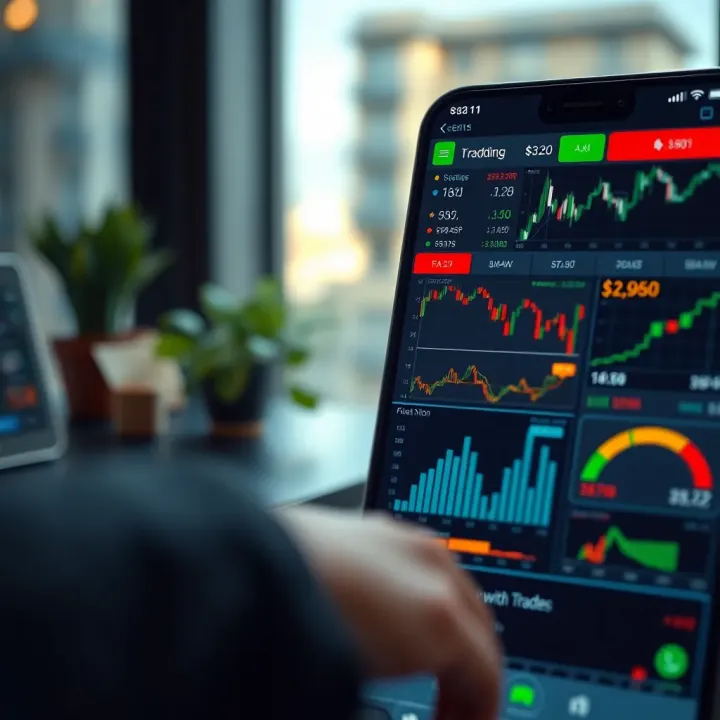
Explore QXBroker app's key features, trading tools, account options, security, and support to see how it meets the needs of Indian traders 📊📱🔒
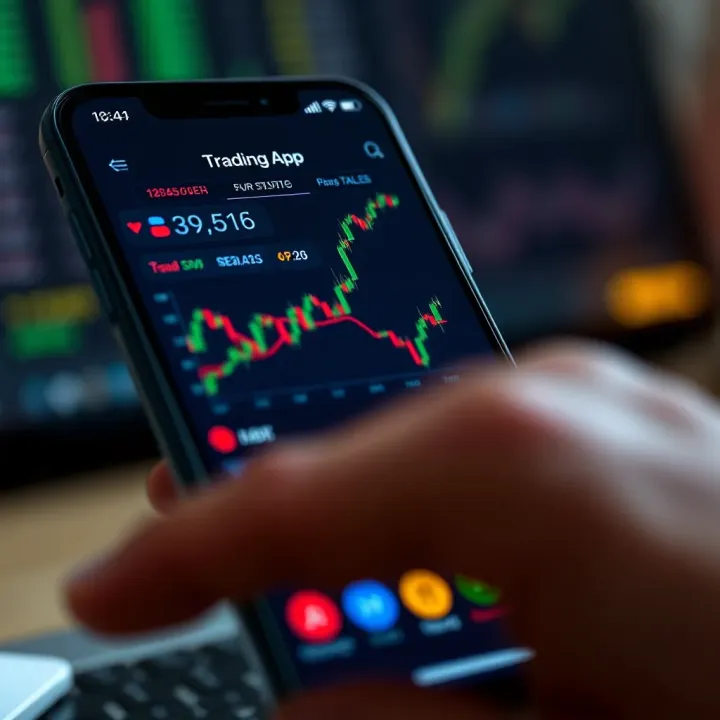
📱 Discover how to pick the best real trading app for Indian investors. Learn key features, security tips, regulatory facts & starting guide for stock trading.
Based on 6 reviews