

QXBroker.com Trading App: Features and Guide for Indian Traders
📈 Explore QXBroker.com's trading app: features, security, easy deposits, trade management, support & fees. Compare platforms confidently in India! 🇮🇳
Edited By
Ethan Walker
Free brokerage means you don’t pay a commission on your stock trades, saving costs especially if you trade frequently. But watch out for hidden charges like GST, Securities Transaction Tax (STT), and platform fees which some apps still levy.
Zero brokerage is attractive, but consider the app’s reliability, customer support, and ease of use alongside the cost benefits.

Here are some points to weigh while choosing a free brokerage app in India:
User Interface: A clean and intuitive app can quicken your trading decisions and reduce errors. For example, Zerodha's Kite app offers a simple design with advanced charting tools.
Market Access: Check if the app supports your preferred segments—Equity, Derivatives, Mutual Funds, or Commodities. Upstox and Groww cover a wide range.
Order Execution Speed: This is crucial if you trade intraday or in volatile markets.
Research and Advisory: Some platforms provide quality market insights or tips which can help beginners.
Payment and Settlement: Seamless integration with UPI or net banking for quick fund transfers saves time.
Regulatory Compliance: Ensure the app is registered with the Securities and Exchange Board of India (SEBI) and partnered with reliable depositories.
Security Features: Strong encryption, two-factor authentication, and regular security audits protect your investments.
While free brokerage cuts costs, remember apps sustain their model through data monetisation or premium features. So, evaluate if the platform aligns with your transparency and privacy expectations.
Starting with a demo or small investments can help you get comfortable before scaling up. Always compare multiple apps, reading user reviews and checking ratings on app stores.
Next, we will review top free brokerage trading apps in India, comparing features and user experience to guide your choice effectively.
Free brokerage trading apps have reshaped how Indians trade stocks and other securities. Understanding what "free brokerage" really means can save you significant costs, especially if you're an active trader. It’s not just a marketing term; it directly impacts how much money you keep from your investments.
Free brokerage means you can buy or sell stocks without paying any commission to the broker. For example, apps like Zerodha or Upstox allow users to trade equity delivery segments without charging brokerage fees. However, "free" usually applies to specific types of trades, such as equity delivery, while intraday or derivatives could still involve charges. Knowing these nuances is critical before deciding on an app.
Brokerage directly cuts into your profits. Even a small charge of ₹20 per trade can add up fast if you trade frequently. For instance, if you buy and sell shares five times a month, that's ₹200 in brokerage alone. Over a year, this might reach ₹2,400 or more, eating into your returns. Free brokerage apps eliminate these costs on qualifying trades, letting you save that money or reinvest it.
Indian investors, especially retail traders, often work with limited capital and tight margins. Reducing expenses like brokerage helps keep more of your gains. Plus, during uncertain market phases—like sudden corrections—lower trading costs mean you can exit positions without worrying about extra charges. It encourages better portfolio management and more flexible trading strategies.
Remember, free brokerage isn’t always totally free. Some apps charge for additional services such as account maintenance, call and trade, or real-time data. Always check the fee structure thoroughly.
Choosing the right app needs a clear grasp of these factors to match your investment style and goals. Knowing the benefits and limits of free brokerage will help you pick a platform that truly suits your needs and avoids surprises on your trading bill.
Choosing the right free brokerage trading app means more than just picking one without charges. The features it offers shape your trading experience and overall success. Understanding what matters in these apps helps you avoid troubles later and keeps your investments efficient.
A simple, intuitive user interface (UI) saves you time and frustration. Look for an app where navigation feels natural—buttons are where you expect them, and menus don't hide important options deep inside. For example, Zerodha Kite has a clean layout with quick access to charts and orders, which helps traders make decisions faster. On the other hand, a complex app may slow you down, especially when markets move quickly.
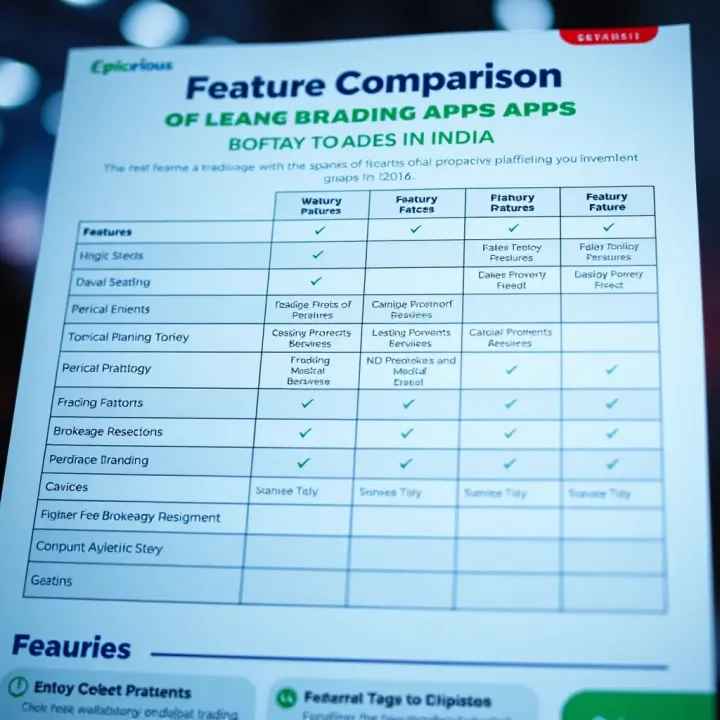
A good free brokerage app should offer wide options beyond just stocks. Check if it supports equities, commodities, derivatives like futures and options, and perhaps mutual funds or exchange-traded funds (ETFs). This diversity lets you diversify your portfolio easily without juggling multiple platforms. For instance, apps like Groww provide mutual funds alongside stocks, so you can manage different assets under one roof.
Fast order execution can make a big difference, especially during volatile markets. An app with slow or unreliable order placement might lead to missed opportunities or unfavourable prices. Upstox Pro is known for its quick execution and stable servers, which is why traders who rely on day trading often prefer it. Also, consider the app's uptime record; frequent crashes or downtime can cost not just money but peace of mind.
Access to market research, advanced charts, and analytical tools can help you make smarter trades. Look for apps offering expert recommendations, real-time news, and technical indicators within the platform. For example, Angel Broking integrates stock tips and personalised portfolio analysis, aiding both beginners and experienced investors in decision-making.
When selecting a free brokerage app, balance zero commissions with solid features that support your trading style. The cheapest app isn’t always the best if it lacks speed, security, or helpful tools.
Pay attention to these features to ensure your trading app supports not just free transactions but also a smooth, informed, and reliable investing journey.
Choosing the right free brokerage app is key for any trader or investor in India. These apps not only eliminate brokerage charges on equity delivery trades but also come with varied features that affect your overall trading experience and costs. Let's discuss some popular apps, highlighting their core benefits and what sets them apart.
Zerodha Kite is often the first name that comes up when talking about discount brokerage in India. It offers zero brokerage on equity delivery trades and charges a flat ₹20 per order for intraday and F&O trades. Kite's interface is clean and uncluttered, making it ideal for beginners and seasoned traders alike. The app integrates with Zerodha's flagship platforms like Console for detailed reports and Coin for mutual fund investments. Fast order execution and reliable uptime make Kite a dependable choice. However, the app's research and advisory tools are limited compared to peers, so users often complement it with third-party resources.
Upstox Pro appeals to traders who want speed and advanced charting features without burning a hole in their pocket. It follows a similar pricing structure with zero brokerage on delivery and ₹20 per order on intraday and F&O. The app supports a wide range of instruments including commodities and currency derivatives. Its charting tools and technical indicators are more comprehensive than many competitors, suitable for active traders and analysts. Upstox also frequently updates its UI to improve user experience. Do note, while the app is feature-rich, some users have raised concerns over occasional glitches during high market volatility.
Groww started as a mutual fund platform but has grown into a full-fledged investment app. It offers commission-free equity delivery trades, appealing mainly to new investors and millennials. The app is well known for its simple, intuitive design and educational content, helping first-timers understand markets better. Though it supports stocks, mutual funds, and recently introduced US equities, it lacks advanced trading features like in-depth charting or real-time market scanners. The quick and straightforward account opening with Aadhaar-based e-KYC works well for tech-savvy users looking to invest with ease.
Angel Broking's app combines zero brokerage on equity delivery with a fixed fee of ₹20 per order for other trades, matching other popular platforms. What sets it apart is its ARQ, an AI-driven advisory service that provides personalised recommendations based on user profiles and market trends. Alongside strong customer support and offline branch presence, this makes Angel Broking a solid choice for investors wanting guided assistance. Its app supports equities, commodities, and currency trading with reliable order execution. Some users like its regular market updates and in-app newsfeed, which add value beyond basic trading.
Picking the right app depends on your trading style, need for research tools, and comfort with technology. While Zerodha Kite and Upstox suit active traders, Groww and Angel Broking appeal more to beginners and those valuing advisory services. Always check for hidden fees and app stability before committing.
Each of these platforms has carved a niche by blending zero brokerage with unique features tailored for Indian traders’ needs. Evaluating these can help you find the app that fits your investment goals and trading habits best.
Getting started with a free brokerage trading app in India is a straightforward process, but it requires attention to detail for smooth trading experience. Setting up the app correctly ensures you can execute trades quickly, track investments, and avoid issues related to payments or security. Let's look at the key steps involved.
Opening an account through a free brokerage app today itself is mostly paperless and quick. Typically, you need to provide your PAN card, Aadhaar card, bank details, and a few identity proofs. The app uses e-KYC (electronic Know Your Customer) verification alongside Aadhaar-based authentication to speed up the process.
For example, Zerodha and Upstox let you complete your account opening within a day or two, often with minimal human intervention. You will also need to create a login ID and set up two-factor authentication (2FA) for security reasons. Remember to cross-check all your details before submission to avoid rejection.
Most free brokerage apps require linking your savings bank account and a Demat (dematerialised) account to execute trades and hold your securities. The bank account is used for funds transfer while the Demat account holds shares electronically.
Apps like Groww handle this by letting you add your bank details digitally, verifying via net banking or OTP (One Time Password). Some apps may ask you to link an existing Demat account, while others open it alongside your trading account. Ensure your linked bank account allows seamless IMPS/NEFT transfers to avoid delays in fund transfers.
Once setup is done, placing trades involves choosing your stock or instrument, specifying quantity, and order type (market, limit, stop-loss). Free brokerage apps usually offer real-time market data and easy navigation for quick decision-making.
For instance, Angel Broking’s app allows order placement within seconds, plus options to modify or cancel pending orders effortlessly. Experienced traders might find advanced features like bracket orders or cover orders handy. Always confirm your orders carefully, especially during volatile markets, to avoid unintended trades.
A strong benefit of free brokerage apps lies in tracking investments effortlessly. These apps generate detailed portfolio reports, including realised and unrealised profits, dividends, and tax reports.
You can check daily transaction summaries or download quarterly statements for ITR (Income Tax Return) filing convenience. Apps like Zerodha Kite offer interactive charts and watchlists, helping you monitor your investments in real time. Watching your portfolio closely helps you make timely moves, like rebalancing or booking profits.
To sum up, setting up and using a free brokerage app smoothly helps you make the most of zero brokerage trading, while avoiding common pitfalls linked to payments, security, or order errors. Taking the time to understand these practical steps prepares you to trade confidently in the Indian markets.
Free brokerage trading apps appeal because they cut down upfront trading costs, but it’s vital to grasp the hidden challenges behind the zero brokerage tag. While these apps save you on commission fees, understanding their limitations helps you avoid unexpected costs, security pitfalls, and service troubles.
Many so-called free brokerage apps make money through other charges. For example, some levy fees on call-and-trade services, SMS alerts, or platform usage. Others apply fees on withdrawals or for accessing advanced tools. Zerodha, while offering zero brokerage on equity delivery, charges ₹20 or 0.03% (whichever is lower) as a flat fee on intraday and F&O trades. Such fees can erode your gains if you are a frequent trader. It’s essential to check the app’s fee schedule carefully before opening an account.
Cheap or free services sometimes skimp on customer care. In trading, where timely assistance is crucial, delays or unresponsive support can cost you money during volatile markets. For instance, users have reported delayed order placements during peak market hours on certain free apps. You should test the app’s responsiveness and read reviews about uptime and technical glitches. An app crash during crucial trade timing could cause missed opportunities or unintended losses.
Security is not negotiable in stock trading. Free brokerage platforms handle sensitive personal and financial data, so robust security protocols matter. Cases of phishing, fake apps, and account takeovers have emerged in the Indian context, affecting investors using lesser-known apps. Always confirm the app is registered with SEBI and uses two-factor authentication, encryption, and secure payment gateways. Regularly reviewing account activity helps spot unauthorized trades early.
Although free brokerage apps suit beginners or casual investors, situations arise when paid brokers may offer better value. For example, if you trade large volumes or require personal advice, research reports, and superior execution speed, paid firms like ICICI Direct or HDFC Securities might serve you better. Paid brokers sometimes offer margin funding or customised products that free apps can’t. So, balance your trading style with your broker choice instead of blindly chasing free services.
Understanding these risks aids in making an informed decision beyond just zero brokerage, protecting your capital and trading well.
In summary, free brokerage apps cut direct trading fees but watch out for hidden costs, customer service quality, and security safeguards. Assess your needs carefully, try demo accounts if possible, and don’t hesitate to explore paid options if they better suit your investment goals.
📈 Explore QXBroker.com's trading app: features, security, easy deposits, trade management, support & fees. Compare platforms confidently in India! 🇮🇳

Explore QXBroker app's key features, trading tools, account options, security, and support to see how it meets the needs of Indian traders 📊📱🔒

📱 Discover how to pick the best real trading app for Indian investors. Learn key features, security tips, regulatory facts & starting guide for stock trading.
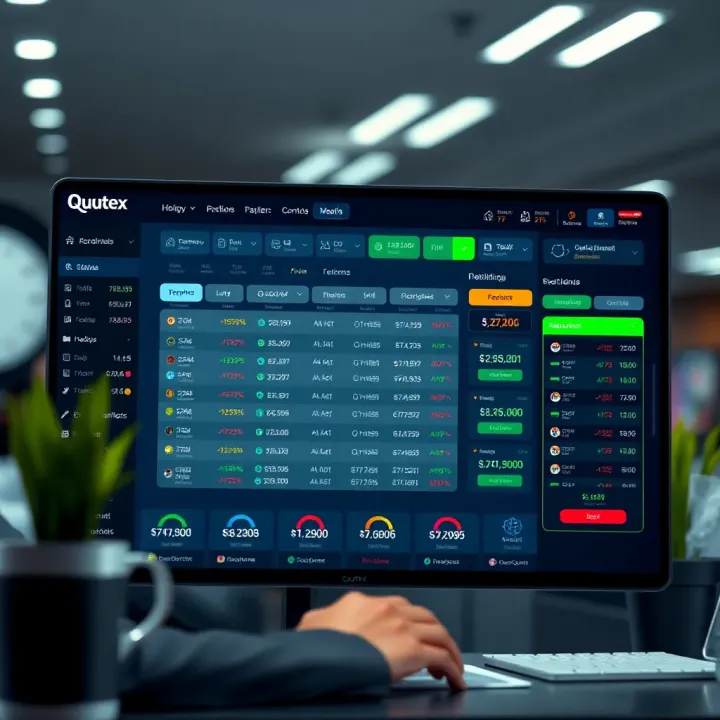
Explore Quotex's features, registration, trading tools, fees, and security 🛡️. Get tips and customer support insights for Indian traders 🇮🇳.
Based on 5 reviews