

Understanding Forex Platforms for Indian Traders
Explore how Indian traders can pick the right forex platforms for smoother currency trading 💱, understand key features, regulations, and practical tips for success.
Edited By
Emily Dawson
Chai, or Indian tea, is more than just a beverage; it is woven deeply into the fabric of Indian life. For traders, investors, and finance professionals, understanding chai offers insight into cultural nuances that influence consumer behaviour and retail trends across India.
Traditionally, chai combines robust black tea leaves with boiling water, milk, sugar, and a distinctive blend of spices like cardamom, ginger, and cinnamon. This mixture varies widely by region, reflecting local tastes and ingredient availability. For example, in Mumbai, a strong, sweet, and heavily spiced chai is preferred, often served in small roadside stalls known as "tapris." In contrast, South Indian chai leans towards a lighter brew with less sugar and subtle spice notes.
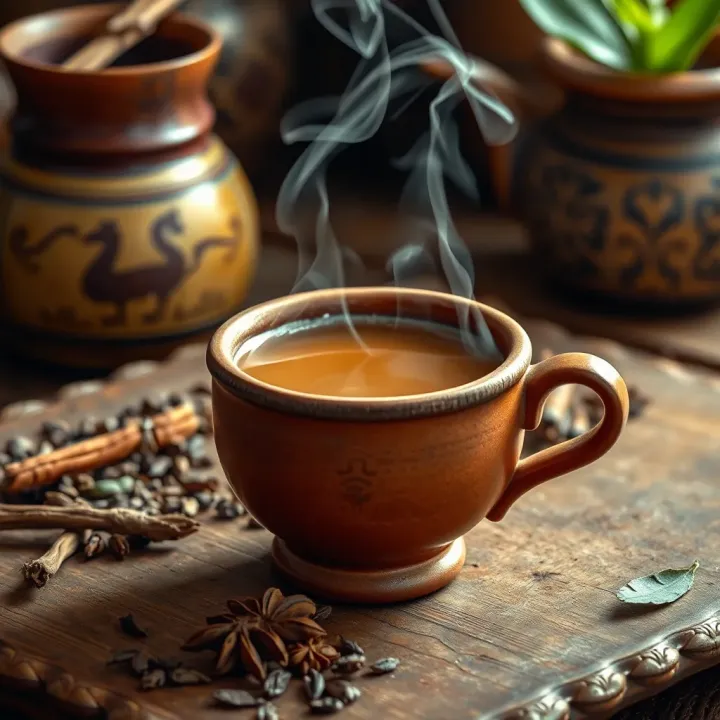
Chai's role extends beyond refreshment; it's a social catalyst in India’s bustling markets, offices, and homes. Meetings over chai often build trust and camaraderie, vital in business exchanges. Traders in bazaars use chai breaks to negotiate deals and share market insights informally.
From an economic viewpoint, the chai industry is significant. India ranks as the world's largest producer and consumer of tea, with the domestic chai market valued at several thousand crore rupees annually. Brands like Tata Tea and Brooke Bond have leveraged traditional chai’s appeal, blending modern marketing with age-old recipes to capture urban and rural markets alike.
Chai is not just a drink but an economic staple, symbolising hospitality and forging social bonds that often underpin business relationships.
For financial professionals, recognising chai’s cultural weight helps decode consumer patterns, especially during festive seasons or in rural outreach strategies. Small-scale chai vendors also reflect grassroots economic activity, absorbing numerous agricultural and labour inputs.
Exploring chai opens a window to Indian socio-economic life, offering practical lessons on how tradition influences modern industry and market behaviour.
Understanding the history and origins of chai offers valuable insights for traders and investors interested in the beverage market, as well as analysts tracking cultural consumption patterns. Chai's journey reflects how global influences and local tastes merged to create a product that defines India's social and economic fabric.
Tea was not originally native to India; it was introduced during the British colonial period. The British East India Company began large-scale tea cultivation across Assam and Darjeeling in the 19th century, aiming to reduce dependence on Chinese imports. This decision significantly reshaped India's agricultural landscape and export economy.
Before this, indigenous tribes in Assam were familiar with wild tea plants, but it was the commercial drive that made tea widely available. By 1900, tea plantations covered tens of thousands of hectares, employing lakhs of workers, primarily in Northeast India. This rapid growth laid the financial foundation for the domestic tea industry seen today.
Chai's transformation from a colonial commodity to a daily Indian ritual happened gradually. Initially, tea was consumed mostly by the British and Indian elite. However, the working class and street vendors started adding local spices and milk, adapting the drink to Indian tastes and affordability.
This local innovation made chai affordable and appealing to millions. Its role expanded beyond just a drink to become a social lubricant where business deals, political discussions, and community interactions happened over steaming cups at street stalls.
Moreover, chai's preparation and consumption vary by region, reflecting local identities and preferences. The adaptability of chai is why it continues to thrive in Indian culture and economy alike.
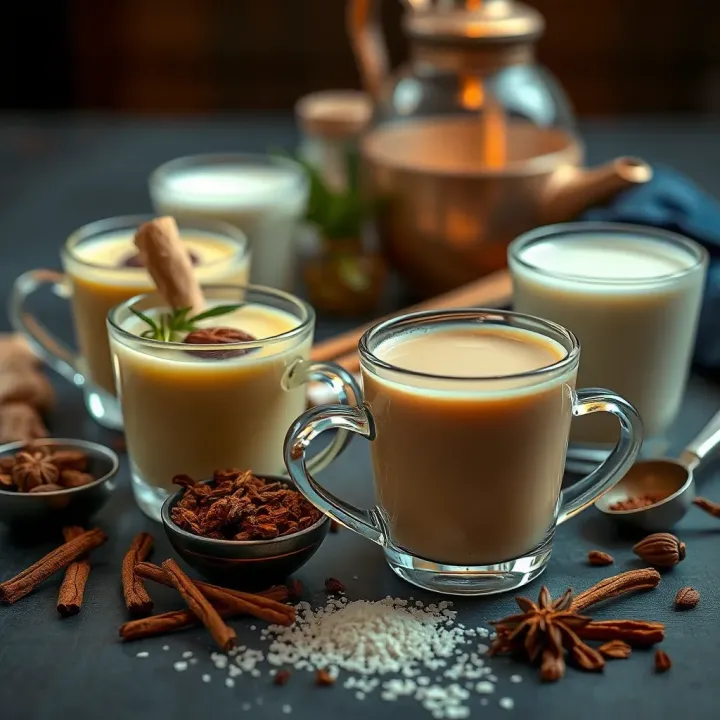
Chai is not just a drink; it acts as a cultural and economic bridge, from rural roadside stalls to corporate boardrooms, influencing consumer behaviour and market trends across India.
By tracing chai's origins, one can better understand its deep-rooted presence in Indian society and its broader implications for the beverage industry and cultural commerce. This background sets the stage for exploring its ingredients, preparation, and social role in upcoming sections.
Chai is more than just a drink in India; it’s an experience shaped largely by its ingredients and preparation style. The right balance of milk, tea leaves, spices, and sweetener brings out chai’s characteristic flavour and warmth, which traders and investors familiar with Indian culture will appreciate as a symbol of comfort amid busy schedules.
Milk plays a central role in chai’s texture and richness. Traditionally, full-fat milk from buffaloes or cows is preferred because it enhances the creamy taste and balances the bitterness of tea leaves. Using toned or skimmed milk changes the consistency, often making the chai lighter and less satisfying. For professionals who enjoy chai during breaks, the creamy mouthfeel is what turns a quick sip into a soothing pause.
When it comes to tea leaves, Assam tea is the favourite choice for authentic chai. Known for its strong flavour and deep colour, Assam tea holds up well against milk and spices, which can overpower more delicate varieties. An average chai blend for traders might use about one to one and a half teaspoons of loose tea leaves per cup, which ensures the bold taste that Indian chai lovers expect.
Spices, or masala, are the secret behind chai’s unique aroma and health benefits. Commonly, cardamom, ginger, cinnamon, cloves, and black pepper find their way into the mix. These spices not only offer a warm, welcoming taste but also aid digestion and alertness—important for anyone juggling market calls or client meetings. For example, adding fresh ginger slices can provide a sharp kick, while cardamom adds a sweet floral note.
Sweetener is generally sugar, though jaggery or honey can also be used. Sugar is preferred as it dissolves quickly and complements the spices without altering chai’s flavour profile much. Professionals often adjust sweetness to their taste, with some preferring just a hint to avoid energy crashes later. The right amount of sweetener creates a harmonious balance, preventing the tea from turning either too bitter or overly cloying.
Boil water and spices: Begin by boiling 250 ml of water with your chosen spices (typically 2-3 crushed cardamom pods, a small cinnamon stick, and a few sliced ginger pieces). Let it simmer for 3-5 minutes.
Add tea leaves: Add around 1.5 teaspoons of Assam tea leaves to the boiling water and let it brew for 2-3 minutes, ensuring a rich colour and flavour.
Pour in milk: Pour 100 ml of full-fat milk and increase heat. Allow the mixture to come to a gentle boil, stirring occasionally to prevent burning.
Sweeten the chai: Add sugar as per your preference (usually 1-2 teaspoons) and stir well until it dissolves.
Strain and serve: Use a fine sieve to pour the chai into cups, removing tea leaves and spices. Serve hot for the best flavour.
The secret to perfect chai lies in timing and ingredient quality. Boiling too long can make the tea bitter; too short, and it lacks depth. Traders and professionals can enjoy this brew during early mornings or late afternoons to recharge.
This traditional preparation continues to bind people—whether gathered in offices or street-side stalls—through a shared and comforting ritual that energises the body and mind.
Chai’s appeal across India stems from the many regional twists that make it unique in every locality. These variations reflect local tastes, climate, and cultural habits, serving tea lovers a cup that suits their palate perfectly. Understanding these differences sheds light on the diversity within a simple daily ritual and helps traders and investors grasp consumer preferences across markets.
Punjab is known for chai that really packs a punch. The tea here is brewed strong with generous amounts of tea leaves and milk, accompanied by robust spices like cardamom, ginger, and occasionally black pepper. This spicy, hearty concoction keeps one warm during the harsh winters and long farm hours. Street vendors across Amritsar and Ludhiana typically serve it piping hot with layers of cream or malai on top, drawing crowds who enjoy its rich flavour that energises and comforts.
In contrast, Bengal’s chai is generally lighter and subtler in flavour. The tea is brewed briefly and sweetened well, often accompanied by sips of milk. Unlike Punjab’s chai, Bengal’s version avoids overpowering spices, focusing instead on the natural robustness of the tea leaves. Kolkata’s popular adda sessions revolve around this lightly brewed chai, which perfectly complements snacks like amarshis and chhola-gojju. For analysts, this shows a market where consumers prefer refinement over intensity, a vital insight for product positioning.
South India has a strong preference for filter coffee but chai remains popular in many pockets, especially urban centres like Bengaluru and Chennai. Filter coffee, made from dark roasted coffee beans and sweetened with jaggery or sugar, differs fundamentally from spiced tea but shares the cultural space of energising daily routines. However, chai in South India tends to be simpler — lightly spiced or just sweetened milk tea. This contrast highlights regional beverage habits, critical for traders planning product expansion or marketing strategies.
These regional chai differences show how local tastes, climate, and culture shape preferences. For anyone investing or analysing the Indian beverage market, recognising these subtle variations can guide production, distribution, and marketing choices effectively.
In summary, Punjab’s strong, spicy chai caters to those seeking warmth and robust flavours; Bengal’s lightly brewed tea appeals to subtle palates; while South India balances between its filter coffee dominance and a simpler chai preference. Understanding these nuances helps tailor offerings across regions, ensuring chai stays evergreen in India’s diverse market.
Chai plays a central role in India's social fabric and daily routine, weaving together moments of relaxation and connection. For traders, investors, and finance professionals, understanding this cultural element helps appreciate why chai breaks are vital in offices and informal settings, often sparking networking and discussions.
In India, chai is more than just a beverage; it acts as an anchor for socialising. Whether at home or at community events, offering chai serves as an invitation to converse and bond. For example, during a business meeting or informal gathering, chai often initiates small talk, easing the way for stronger professional or personal relationships.
The warm cup encourages openness, making it easier to break ice. In many trading offices or brokerage houses, chai time is when deals get discussed informally, reflecting its role beyond refreshment. This practice fosters trust and rapport, critical factors in India's relationship-driven business environment.
Street-side chai stalls are ubiquitous in Indian cities and towns, acting as informal hubs where people from all walks of life cross paths. These stalls offer an affordable and accessible chance to pause, refresh, and engage with others. A chaiwala's stall near a stock exchange or business district often becomes a melting pot for traders and analysts to exchange insights and market rumours in a casual setting.
Such places build community spirit and function as grassroots networking venues. For many, they are daily touchpoints providing a break from intense work hours and a chance to regroup mentally. The familiarity of these chai stalls fosters a sense of belonging and comfort, essential for the hectic pace of financial professions.
Chai forms part of daily routines for millions across India, often marking the start and midpoint of the day. Morning chai energises the mind and body, providing just the right blend of caffeine and spices to prepare for the day's challenges. For those in high-pressure jobs, this ritual acts as a mental reset, setting the tone for focused work.
Companies sometimes incorporate chai breaks into the workday, recognising their role in enhancing productivity through brief relaxation. Afternoon chai with colleagues also doubles as a chance to share knowledge or reflect on the day's progress. These daily chai rituals reinforce cohesion and help maintain a balanced workflow, making them indispensable in fast-paced professional environments.
Chai is not just a drink—it is a social binder and a daily companion that punctuates Indian life with moments of warmth, connection, and renewal.
The significance of chai in Indian life combines cultural tradition with practical benefits, shaping social interactions and daily habits alike. For anyone engaged in Indian business or social contexts, recognising chai's role reveals much about the rhythms and relationships that define the country's vibrant work culture.
Explore how Indian traders can pick the right forex platforms for smoother currency trading 💱, understand key features, regulations, and practical tips for success.

Explore how quotations enhance communication clarity and credibility 🇮🇳 Learn types, proper use, and common mistakes to quote confidently in writing and speech 🗣️📚

Explore QX Broker Com's services, account types, and trading platforms designed for Indian traders 🇮🇳. Understand registration, risks, pros & cons clearly 📊.

Explore the core of ????? ????? 📚, understand its key principles, vital applications, and real-world impact, tailored for readers keen to grasp every aspect clearly.
Based on 11 reviews