
How to Use the Quotex.com Demo Account Effectively
Learn how to use the Quotex.com demo account to practice trading without risk 💡. Get tips on setup, features, and moving to live trading smoothly! 📈
Edited By
Sophia Mitchell
The Quotex demo account offers traders a valuable way to practice without risking real money. It replicates live trading conditions but uses virtual funds, letting you test strategies, understand the platform, and build confidence before moving to actual markets.
Designed for beginners and experienced traders alike, this demo account allows you to navigate trading instruments such as currencies, commodities, stocks, and indices. It immediately shows the impact of your decisions in real-time, making learning active and effective.
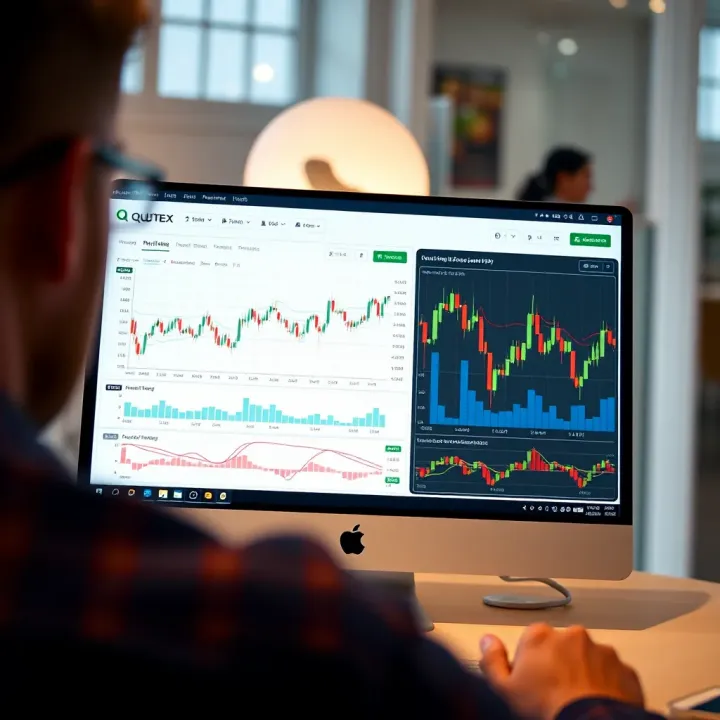
Using the demo account helps spot mistakes and improve your timing. It smoothens the transition to live trading where emotions and financial stakes are higher. For instance, you could try a new approach on currency pairs like USD/INR or commodities like crude oil without incurring losses.
Practising on the Quotex demo account reduces costly trial-and-error in real markets and enhances your trading discipline.
Setup is simple: create a free account, and you get ₹10,00,000 virtual balance instantly. This amount allows multiple trades and resets at zero, enabling repeated practice sessions without pressure. The user-friendly interface supports technical indicators and chart tools, ideal for testing different market scenarios.
Traders can also adjust trade durations and amounts, cultivating an understanding of risk-reward ratios. For professionals, the demo account serves as a lab to experiment strategies under different market conditions safely.
Ultimately, the Quotex demo account is a practical resource for sharpening your trading skills. It bridges knowledge and experience, ensuring you approach live trading prepared. Starting here can save you from unnecessary losses and help you make informed trading decisions.
This guide will walk you through opening, navigating, and making the most of the Quotex demo account to boost your trading journey effectively.
Grasping the concept of a Quotex demo account is essential for any trader aiming to improve their skills without risking real money. This section clarifies what a demo account offers and why it matters, especially for newcomers or those testing fresh strategies. A solid understanding here lays the foundation for confident and informed trading on the platform.
A demo account on Quotex is a practice tool that allows users to simulate trading without investing actual funds. It acts as a training ground where traders can learn how the platform functions, try out different trading options, and get familiar with market movements. Unlike live accounts, these use virtual money, so there’s no financial risk involved.
This simulation replicates real trading conditions closely. The prices, charts, and indicators reflect actual market behaviour, helping users experience standard fluctuations and trading mechanics. For example, if the Nifty index dips, the demo account will register that change just as it would in a live scenario, making the experience authentic and practical.
One major advantage of the demo account is its risk-free environment. Since the capital is virtual, traders can learn the ropes without the fear of losing money. This suits beginners who often make mistakes in early trades or professionals wanting to explore new trading strategies safely.
Testing strategies here is valuable before moving to live trading. You can check how a particular approach performs under different conditions without incurring losses. Many traders practise scalping or swing trading on the demo platform, observe outcomes, make notes, and refine their methods—this trial-and-error phase sharpens skills in real-market scenarios.
Familiarising yourself with Quotex’s platform interface is another key benefit. The dashboard has several tools, chart types, and order placement options. The demo account lets you explore these features freely, so when you switch to a live account, you don’t waste time figuring out how things work. This familiarity improves decision-making speed during actual trading sessions.
Using the Quotex demo account is like training on a flight simulator before taking off for real—it builds your confidence and readiness without risking your actual investments.
By understanding these aspects, traders can make smarter decisions and avoid common pitfalls when starting live trading. The demo account is a bridge, helping smooth the shift from learning to earning with practical exposure and zero risk.
Opening and setting up a demo account on Quotex is a crucial first step for traders who want to sharpen their skills without risking real money. This process provides a practical way to familiarise yourself with the platform, try out different trading strategies, and understand the market dynamics before moving to live trading. Taking time to set up the demo account properly ensures a smooth learning curve and maximises the benefits of practising in a risk-free environment.
The registration process on Quotex is straightforward, designed to get you started quickly. To sign up, visit the Quotex website and enter your basic details like email address and phone number. You will also need to create a secure password. In most cases, the platform does not require an immediate deposit for a demo account, making it accessible for beginners. This quick sign-up allows traders to begin experimenting with virtual funds almost immediately.

After signing up, you will find the option to access the demo account on your dashboard or the platform’s main interface. Selecting this switches you to a virtual environment loaded with ₹10,000 or more in virtual balance, ready for practising trades. Accessing the demo account option is simple and does not require downloading any additional software, as Quotex supports browser-based trading. This immediacy helps traders start playing around with the platform’s features without delay.
Once inside the demo account, understanding the dashboard is key to making the most of your practice sessions. The dashboard offers access to various tools such as live charts, technical indicators, and asset lists across different markets. For example, you can view assets like forex pairs, cryptocurrencies, or indices and choose your preferred ones to trade. Knowing where to find these tools saves time and helps simulate a real trading experience.
Effective virtual balance management also plays a significant role in your learning. The demo account usually comes with a fixed amount of virtual money that you can use to place trades. Keeping track of your balance teaches you to manage risk and capital allocation, just like in real trading. If you exhaust your demo funds, most platforms allow you to reset or top up the virtual balance instantly, so you can continue practising without interruption.
Getting comfortable with Quotex’s demo dashboard and understanding how to manage your virtual funds build confidence, which is essential before moving on to live trading. This preparation helps reduce mistakes that can cost real money later.
Using the Quotex demo account well is key to building strong trading skills without risking real money. This practice space allows traders to test methods, understand tools, and gain confidence in handling trades before stepping into the live market. Instead of rushing, traders can explore different strategies and evaluate how they work under simulated conditions similar to the actual environment.
Trying out common trading strategies on the demo account provides hands-on experience. For example, swing trading, which aims to profit from short-to-medium term price moves, or scalping, where traders make quick, small profits, can be tested safely. This practice reveals how each approach fits your style and market conditions without risking capital.
Recording your trades’ performance in the demo account is equally important. Keeping track of wins, losses, and reasons behind each decision sharpens trading discipline and helps identify patterns in success and failure. Some traders use simple spreadsheets or journals, noting strategies used, market conditions, and outcomes to review progress over time effectively.
The Quotex demo account offers access to various chart types and technical indicators, which are vital for market analysis. Candlestick charts, line charts, and area charts let users view price movements differently. Indicators such as Moving Averages, RSI (Relative Strength Index), and Bollinger Bands assist in spotting trends and potential entry or exit points.
Getting familiar with order placement and execution is another vital step. The demo account allows you to practise placing different kinds of orders like market orders, limit orders, and stop-loss orders. Understanding the timing and process of order execution prevents costly mistakes in live trading, especially when fast market movements can affect prices.
Practise makes perfect, and using the demo account means you can experiment with strategies and platform tools in a pressure-free environment. This experience boosts confidence and prepares you better for handling real funds.
Effectively using the Quotex demo account bridges the gap between theory and real trading. It’s a playground where you learn, evaluate, and improve — all without the fear of losing money.
Using the Quotex demo account offers a safe space to hone trading skills without risking actual money. However, understanding its limitations helps set realistic expectations and prepares traders for live market dynamics. The demo platform aims to mimic real trading, yet some crucial differences can affect how strategies perform when transitioning.
The emotional experience while trading live can't be fully replicated on a demo account. When you're trading virtual funds, it’s easier to stay calm or take risks you normally wouldn’t. In contrast, real trading involves the pressure of actual financial gain or loss, which affects decision-making. For instance, many traders find themselves second-guessing trades once real money is involved, something that’s often missing during demo practice.
Adapting to this emotional shift is key. A trader comfortable with a demo account might still struggle with hesitation or overconfidence in live markets. Recognising this psychological gap early helps preparation beyond technical skills.
Demo accounts usually offer idealised trading conditions without the real-world challenges like market liquidity issues or slippage. In live trading, especially during volatile market hours or less liquid assets, orders may experience delayed execution or fill at less favourable prices. Suppose you place a buy order near market close; in a real account, price movements and liquidity shortages could cause slippage, impacting profits.
This difference means demo results might look better than actual trading. Traders should prepare to handle these factors, understanding that market depth and execution speed directly impact performance.
Switching to a real account requires more than just mastering the platform. It involves managing risk carefully, setting stop-loss orders, and controlling position sizes based on your risk appetite. Even traders with months of demo experience sometimes face surprises with live volatility.
A gradual transition is advisable: start with smaller stakes and increase as you gain confidence. This helps prevent early setbacks and lets you adapt trading plans to real market behaviour.
Success on a demo account can create a false sense of security. Many traders see consistent profits virtually but face challenges when real emotions and money come in play. This can lead to overtrading or inadequate risk management.
Keep in mind that demo trading is a learning tool, not a guarantee of live success. Use it to test strategies thoroughly, but always remain cautious and prepared for differences when moving to actual trades.
Understanding these limitations equips you to face live trading realities with clearer eyes and better preparation. Avoid seeing the demo account as the final test—it's a stepping stone, not the destination.
Moving from the Quotex demo account to live trading marks a key turning point in any trader's journey. It’s not just about flipping a switch; preparation helps ensure that the skills honed in the risk-free demo environment adapt well to real market conditions. Taking this step too early or without adequate readiness can lead to losses that might shake confidence. Hence, knowing when to switch and how to manage risks matters a lot.
You’ll know you’re ready to move to live trading when you consistently demonstrate profitable strategies in the demo account over a sustained period. For example, if you’ve practiced for several weeks and your results are steady, you’ve begun understanding market trends and your decision-making has improved. Another sign is having a clear grasp of the Quotex platform features — placing orders, using indicators, and managing trades without hesitation.
However, readiness goes beyond numbers. Your emotional responses during demo trading matter too. If you can maintain discipline and control impulses even after a series of losses or gains in the demo, you are closer to being ready for the real market. It’s common to feel tempted to switch quickly, but self-assessment against these indicators helps avoid premature moves.
Real trading means real money, so managing risk becomes non-negotiable. Before switching, make sure you have a risk management plan tailored to your comfort with losses — such as limiting each trade’s risk to 1-2% of your capital. The demo account doesn't teach you the emotional weight of losing real money, so prepare to face and accept losses without panic.
Also, learn to set stop-loss and take-profit orders effectively. For example, if you risk ₹1,000 on a trade, know precisely where to cut loss and book profit to protect your funds. Understanding leverage and exposure on the Quotex platform helps you avoid overtrading or betting too heavily on single positions. Building these safeguards reduces the chances of a big hit to your account early on.
It's crucial to set clear, achievable goals while using the demo account. Rather than aiming to double virtual funds quickly, focus on mastering one or two trading strategies or becoming comfortable with technical indicators during your practice sessions. For instance, setting a goal to understand how RSI (Relative Strength Index) signals overbought or oversold conditions helps you build a foundation before attempting complex trades.
Goals should also include behavioural targets, like maintaining discipline and sticking to your trading plan. This approach makes the demo account a practical training ground rather than just a virtual game.
Consistency beats sporadic trading in developing skills. Practising regularly on the Quotex demo account embeds trading habits and improves your ability to respond to market changes swiftly. It's like steady training — you wouldn’t expect to run a marathon without preparing daily.
Besides trading, reviewing your past trades critically improves decision-making. Keep a trading journal noting what worked, what didn’t, and emotional responses during trades. For example, if you notice a pattern of losing trades happening when markets are volatile, you can learn to avoid or adjust your strategy for those conditions. This reflective process bridges the gap between theory and effective trading.
Taking time to prepare with realistic goals and solid risk management increases your chances of a smooth, successful transition from demo trading to real trades on Quotex.
By combining clear readiness indicators with steady practice and smart risk controls, you lay a strong foundation to trade confidently and sustainably in live markets.
Learn how to use the Quotex.com demo account to practice trading without risk 💡. Get tips on setup, features, and moving to live trading smoothly! 📈
📊 Learn how to set up and navigate Quotex's demo login with ease! Get practical tips to master the platform features and trade confidently in India. 🚀
Learn the ins and outs of Quotex withdrawal limits 🏦, steps to cash out smoothly 💸, and tips to manage your funds without hassle 📈.
🔒 Learn how to create and log in to your Quotex trading account easily. Get step-by-step tips for smooth access, solving login issues, and securing your account safely.
Based on 7 reviews