

Quotex Minimum Deposit Rules in India Explained
📊 Discover the minimum deposit basics for Quotex in India, explore payment options, regulations, and smart tips to start trading confidently and safely.
Edited By
Chloe Morgan
FP Markets is a respected online broker known for offering a wide range of trading instruments, including forex, commodities, indices, and shares. For Indian traders looking to open an account, understanding the minimum deposit requirements is essential. This detail can influence your ability to start trading and manage risk effectively.
Unlike some platforms that demand hefty sums upfront, FP Markets offers reasonable minimum deposits, making it accessible to both beginners and experienced traders in India. Typically, the minimum deposit starts at around US$100 or its equivalent in INR, roughly ₹8,000 to ₹8,500 depending on the exchange rate at the time. This entry point strikes a good balance between affordability and enough capital to meaningfully participate in the markets.

The broker provides multiple deposit options suited for Indian clients. These include bank wire transfers, credit/debit cards, and popular digital payment systems like Neteller and Skrill. Many Indian traders also prefer using UPI-based methods or payment gateways integrated on local platforms, though availability may vary. Each mode may have different processing times and charges, so choosing one that aligns with your budget and convenience is advisable.
Note that the minimum deposit can vary depending on the chosen account type—standard or raw spread accounts—and the specific trading platform used. For example, the raw spread account might require a slightly higher initial deposit due to its tighter spreads and lower commission structure.
To put this in perspective, some competing brokers require minimum deposits starting at ₹20,000 or higher, which can be a barrier for small investors. FP Markets caters well to retail traders by allowing smaller deposits without compromising on service quality.
Understanding these minimum deposit details will help you plan your investment size better. It’s wise to consider not only the entry capital but also how much margin you need to trade effectively without overexposure. This clarity helps avoid surprises and ensures a smoother trading experience from day one.
Understanding FP Markets and the types of trading accounts it offers is essential for Indian traders looking to start or expand their trading journey. This section provides a clear snapshot of what FP Markets brings to the table, especially in terms of account flexibility and deposit requirements.
FP Markets is an established Australian broker known for its transparent trading conditions and extensive market access, suitable for traders across the skill spectrum. It is regulated by top-tier authorities like ASIC, giving Indian traders some confidence in the platform's reliability. Besides forex, FP Markets offers CFDs on indices, commodities, and cryptocurrencies, allowing traders to diversify within a single account.
The Standard Account at FP Markets appeals to many beginners and casual traders due to its straightforward structure. It comes with a minimum deposit requirement that is quite reasonable, allowing Indian traders with a modest budget to start without feeling stretched. Typically, the deposit starts from about $100 (roughly ₹8,000), which is practical if you want to test the waters without locking in too much capital.
This account type uses wider spreads compared to Raw Spread accounts but comes with zero commissions on trades, making it easier for small-scale traders to manage costs. For instance, a retail trader focusing on major forex pairs could benefit from this setup to keep their start-up expenses low.
For Indian traders who prefer precision and lower spreads, the Raw Spread Account offers tighter spreads but charges a small commission per trade. The minimum deposit tends to be higher, typically around $200 (approximately ₹16,000). While this might seem steep initially, the lower spread and transparent commission structure cater well to active traders aiming for better trade execution.
If you are someone who trades frequently or uses scalping strategies, the Raw Spread account offers the kind of cost-efficiency that can improve your profit margins over time. More advanced traders often find this option worthwhile despite the higher upfront deposit.
Apart from these two main types, FP Markets offers other account variants like Islamic accounts that comply with Sharia law, removing swap interest fees. The minimum deposit for Islamic accounts generally aligns with the Standard Account, making it accessible to traders needing such options.
Moreover, FP Markets also provides demo accounts to practise trading without risking real money, easing new traders into market dynamics before making their first deposit. This flexibility in account types helps Indian traders select what suits their strategies and budget without feeling boxed in.
Choosing the right account is as important as understanding the minimum deposit because it influences costs, trading style, and overall experience on the platform. Indian traders should weigh these factors carefully before moving ahead.
Understanding the minimum deposit requirements of FP Markets is key for Indian traders who want to start trading without surprises. This helps you plan your finances well and pick an account type that suits your budget and trading goals. Knowing the deposit details also ensures you use the right payment methods and currencies, avoiding unnecessary delays or fees.
FP Markets sets a standard minimum deposit of USD 100 (around ₹8,500-₹8,600 depending on the exchange rate) for its most popular accounts. This relatively low entry barrier makes it accessible even for traders starting small. For instance, a new trader from Bengaluru can begin trading forex or commodities with this deposit without feeling stretched financially.
The type of trading account you choose significantly affects your deposit requirement. For example, the Standard Account at FP Markets requires the typical USD 100 minimum deposit while the Raw Spread Account needs slightly more, often starting at USD 200. This higher limit aligns with the Raw Spread’s focus on tighter spreads and lower commissions, which suits active traders aiming for higher volume and razor-thin margins.
Your choice of trading instruments also impacts the minimum deposit. Trading complex instruments such as CFDs on indices or commodities typically demands a higher margin and hence a larger deposit. Conversely, currency pairs may permit smaller deposits. For example, trading the EUR/USD pair on FP Markets might be possible with the basic minimum deposit, but entering into equity CFDs or indices trading could require a larger deposit because of the extra risk and margin involved.
The deposit amount can also depend on your funding method. FP Markets supports several payment channels like bank transfers, UPI, net banking, and cards. Some methods, such as bank transfers, might have a higher minimum to cover processing fees and administrative costs. On the other hand, UPI or digital wallets usually have lower thresholds, making them good options for Indian traders wanting to start with smaller sums. Remember, some payment types can affect how quickly your deposit reflects in your trading account.
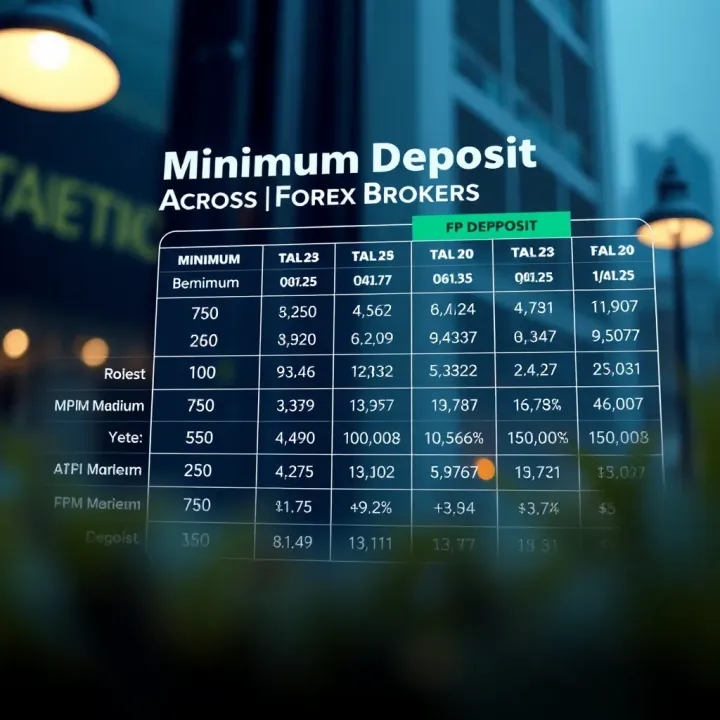
FP Markets allows deposits in multiple currencies including USD, EUR, GBP, AUD, and INR, which is particularly convenient for Indian traders. Depositing in INR helps avoid currency conversion charges, keeping your costs down. If you choose USD or EUR, however, be aware that forex conversion rates and bank charges may slightly increase your initial deposit expense.
Understanding these minimum deposit details helps Indian traders optimise their setups according to budget, risk appetite, and trading preferences, ensuring a smoother start with FP Markets.
This clarity around FP Markets’ deposit terms is essential for making informed choices and maximising the value of your initial investment.
Funding your FP Markets trading account is a key step before you start trading. Understanding the available payment options, the typical processing times, and the fees involved helps you avoid surprises and plan your trading activities better. Indian traders benefit from several flexible payment methods designed to suit different preferences and convenience levels.
Bank transfer remains one of the most reliable and widely used payment methods to fund your FP Markets account from India. Most major banks like SBI, HDFC Bank, ICICI Bank, and Axis Bank support NEFT, RTGS, and IMPS for quick and secure transfers. The key advantage here is the safety and straightforward nature of this option, especially when transferring larger amounts.
That said, bank transfers typically have minimum limits and might involve charges depending on your bank’s policies. For example, NEFT payments are usually free or low cost, but RTGS transfers above ₹2 lakh may incur fees. Also, transfers can take a few hours up to a day during non-banking hours.
Net banking and Unified Payments Interface (UPI) offer fast, user-friendly options to top up your FP Markets account. Almost all Indian banks participate in UPI, making transactions almost instant. This suits traders who want to fund their accounts quickly without visiting the bank or waiting long hours.
Using net banking, you can seamlessly transfer funds directly from your bank account to FP Markets. UPI transactions, done via apps like Google Pay, PhonePe, or BHIM, simplify payments further with QR codes or virtual payment addresses. However, some limits apply, for instance, the RBI caps UPI transactions to ₹1 lakh per transaction, which could affect funding larger deposits.
Funding through credit or debit cards is popular among Indian traders for its speed and convenience. FP Markets accepts major card networks like Visa and MasterCard. Using cards lets you deposit instantly, which is great when markets are moving fast and you want to capitalise on opportunities quickly.
One aspect to consider is the potential fee imposed by your card issuer for international transactions, as FP Markets operates overseas. Some banks also classify such transactions under cash advance, attracting additional fees or higher interest rates. Checking with your card provider beforehand helps avoid unexpected charges.
e-Wallets such as Paytm, Skrill, and Neteller have grown in popularity among Indian traders due to their ease of use and quick processing. These payment gateways allow you to fund your FP Markets account without exposing your bank or card details directly, which adds a layer of security.
Moreover, these wallets usually support multiple currencies, simplifying forex trading deposits. Still, each wallet has its own transaction limits and fee structures. For example, Skrill may charge a certain percentage on deposits or impose monthly withdrawal fees. Traders should factor these into their cost calculations.
Processing times vary depending on the method chosen. Bank transfers, especially NEFT or RTGS, can take a few hours to a day, whereas UPI and card payments are almost immediate. e-Wallets generally process quickly, though some require account verification that can delay initial transactions.
Fees differ across payment channels. Bank-to-bank transfers typically have minimal charges, but credit/debit cards may carry 2-3% foreign transaction fees, depending on the bank’s policy. e-Wallets often have small percentage fees or fixed charges per transaction.
It’s practical to choose a funding method balancing speed, cost, and convenience aligned with your trading style. For instance, if you are an active trader needing frequent deposits, UPI or e-Wallets might be more efficient, whereas bigger, one-time deposits might be best handled via NEFT or RTGS.
Understanding these details helps Indian traders fund their FP Markets accounts smoothly, letting them focus on trading without financial delays or surprises.
Comparing the minimum deposit requirements of FP Markets with other brokers is essential for Indian traders who want to optimise their initial investment and choose a platform that aligns with their trading goals. The deposit amount affects accessibility, risk management, and the type of instruments traders can utilise from the start. Understanding where FP Markets stands can help traders navigate options more wisely, especially when capital is limited. For instance, a trader with ₹20,000 might find certain brokers more approachable than others demanding higher deposits.
ICICI Direct, one of India’s largest full-service brokers, requires a minimum deposit primarily aligned with demat account opening and trading needs. Generally, the initial funding to start trading is ₹10,000. This limit suits retail investors who want reliable service with extensive research support. However, the deposit tends to be higher compared to discount brokers, reflecting ICICI’s broader offerings like portfolio management and advisory services. For traders looking for a full-stack experience combined with local banking facilities, this amount is practical but slightly restrictive for beginners.
Zerodha changed the trading scene by introducing a zero-minimum deposit structure for trading accounts with no mandatory upfront balance. This feature makes it extremely attractive for freshers and small investors who want immediate market entry without committing large sums. Instead of a fixed deposit, Zerodha charges fees based on transaction volume, making it cost-effective for those who trade in small quantities or wish to start slowly. This broker suits traders who prioritise low costs and straightforward access over comprehensive research tools or advisory.
Upstox offers a minimum account opening deposit starting at ₹500, making it one of the most accessible platforms for Indian traders. This low barrier attracts young investors and those testing stock markets or commodity trading for the first time. Upstox’s focus on digital onboarding and mobile app ease supports this accessibility. Besides the low deposit, the broker provides competitive brokerage rates, but traders should note that the deposit does not include margin funds, which need to be added separately based on trading styles.
FP Markets sits in a comfortable position for Indian traders aiming for global access beyond domestic stocks. The minimum deposit for FP Markets generally starts at $100 (approximately ₹8,000), which is moderate compared to Indian discount brokers but offers wider market exposure, including forex, indices, commodities, and CFDs. This deposit level strikes a balance — it’s not too heavy for those starting out, yet sufficient to handle diverse instruments with reasonable leverage.
Besides the deposit, FP Markets supports multiple payment options crucial for Indian users, such as net banking, UPI, and credit/debit cards, offering flexibility in funding. This ease combined with the deposit level encourages intermediate traders seeking to explore international markets without locking in excessive capital upfront.
A careful comparison of minimum deposits can help you decide not just affordability but also the range of opportunities and trading style you want to pursue. FP Markets provides international exposure with a reasonably accessible deposit, unlike some Indian brokers focused solely on local equity.
By viewing these brokers side by side, Indian traders can weigh cost, access, and trading features tailored to their needs, ensuring their initial deposit works hard from day one.
The minimum deposit requirement at FP Markets can significantly shape your trading experience. It sets the baseline for how much capital you need to begin trading, which in turn influences your access to leverage, the size of your trading positions, and your overall strategy. A clear understanding of these implications helps traders manage their funds better and plan trades more effectively.
The amount you deposit affects the leverage you can use and the volume of trades you can place. For instance, with a higher deposit, you can utilise greater leverage, meaning you control larger positions with a smaller amount of actual capital. Suppose you deposit ₹50,000; depending on FP Markets' leverage offerings, you might be able to trade positions worth ₹5 lakh or more. However, while leverage can amplify profits, it also increases risk, so managing it carefully is essential.
Lower deposits generally limit the trading volume you can handle, confining you to smaller trades. This might suit beginners or those preferring cautious steps but can frustrate experienced traders expecting to execute larger, more diverse trades. Traders should assess how the minimum deposit aligns with their trading strategy, risk appetite, and capital.
For new traders, FP Markets' minimum deposit can provide a reasonable entry point without requiring overly large funds. Beginners often benefit from starting with smaller deposits because it limits their exposure while they learn the market's ups and downs. This approach helps build confidence and trading skills without risking large sums. For example, a deposit around ₹10,000 to ₹20,000 lets beginners access live markets and understand trading dynamics.
Those with some experience generally look for a balance between deposit size and trading flexibility. The minimum deposit level at FP Markets allows intermediate traders to engage with varied instruments and employ moderate leverage. This enables better portfolio diversification and experimenting with different strategies. For instance, an intermediate trader might start with ₹50,000 to ₹1,00,000, enough to trade stocks, forex, or commodities effectively while managing risks thoughtfully.
Experienced traders or investors usually require larger deposits to fully leverage advanced strategies and substantial trade volumes. FP Markets' minimum deposit may be modest compared to their capital, but it still serves as a stepping stone to access maximum leverage and trading options. Large-scale traders can benefit from making higher deposits well above the minimum to open multiple positions simultaneously and tailor trades precisely according to market movements.
Understanding the relation between your deposit size and trading style helps optimise your market engagement, matching your capital with your goals.
By considering these factors, Indian traders can choose the deposit amount that suits them best while maximising FP Markets' platform offerings effectively.
Managing your deposit wisely can shape the whole trading experience at FP Markets. It’s not just about meeting the minimum deposit but planning and handling funds to ensure you have enough room for trades while controlling risks.
Planning your first deposit carefully improves your trading start. Don’t just put in the minimum amount and expect to make good gains right away. Think about your trading style and goals. For example, if you want to trade currency pairs with leverage, having a bigger deposit gives more margin to hold positions longer without premature liquidation.
Also consider your risk tolerance: a cautious investor might deposit ₹25,000 to ₹50,000 initially, while a more aggressive trader may go for a higher amount. Think of it like packing your tiffin for a long day; you want it sufficient to stay fuelled, but not so much that it goes waste.
FP Markets offers demo accounts that let you practise real market scenarios without risking money. This is a safe playground particularly for Indian traders new to international brokers. You can test strategies, experiment with different trading instruments, and understand how leverage and margin work.
For instance, if you plan to trade commodity CFDs or forex pairs, practising first on a demo will clear misconceptions and help avoid costly errors on the live account. Treat the demo phase as your rehearsal before the main stage. It also fine-tunes your decision-making under market pressure.
Once you start trading, keeping an eye on your account balance is vital. Markets move fast, and so does your margin. Use FP Markets’ dashboard or app to track deposit history, current balance, and margin utilisation.
Regularly reviewing your funds helps avoid margin calls, which can unexpectedly close your positions. Indian traders should also keep payment method charges and processing timings in mind to avoid delays. For example, net banking through popular Indian banks often processes faster than international wire transfers.
Keep a clear record of all deposits and withdrawals. It helps in tax calculations during ITR (Income Tax Return) filings and ensures clarity on your capital flow.
In summary, managing your deposit well combines strategic planning, practicing with demo accounts, and vigilant monitoring. This approach gives you a firmer footing to explore trading opportunities on FP Markets while minimising risks related to funds and leverage.
📊 Discover the minimum deposit basics for Quotex in India, explore payment options, regulations, and smart tips to start trading confidently and safely.

💰 Learn about Quotex minimum withdrawal limits, payment methods, and processing times. Get practical tips for smooth fund management on Quotex in India.

📊 Master range markets in India with this guide! Learn to spot patterns, use technical tools, manage risks, and trade smartly within stable price bands.

Explore all Quotex deposit options for Indian traders 💰. Learn steps, fees, and security tips to fund your account smoothly and safely.
Based on 8 reviews