

Choosing the Right Trading App for Indian Investors
📱 Discover how to pick the best real trading app for Indian investors. Learn key features, security tips, regulatory facts & starting guide for stock trading.
Edited By
Amelia Wright
Forex trading apps have become a practical choice for many Indian traders aiming to access global currency markets. These apps simplify trading by providing real-time updates, user-friendly interfaces, and seamless execution of trades directly from your mobile device. However, choosing the right forex trade app demands careful consideration of features, security, regulatory compliance, and costs.
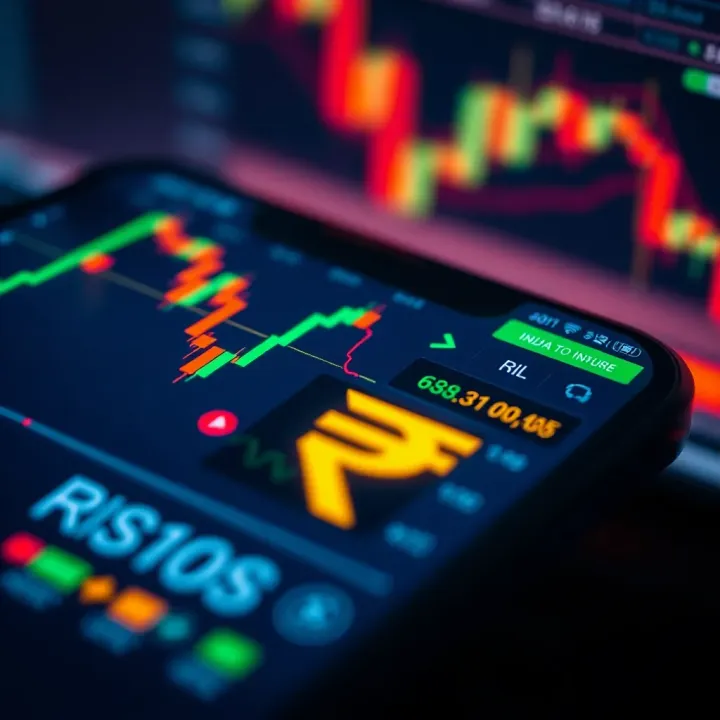
Unlike stock trading, forex trading in India is tightly regulated by the Reserve Bank of India (RBI) and the Securities and Exchange Board of India (SEBI). As per Indian rules, residents can trade only in currency pairs involving the Indian rupee (INR) on recognised exchanges such as NSE and BSE. Most forex apps designed for Indian users usually follow this guideline. Avoid platforms offering direct access to international forex markets as these are not compliant with Indian law.
Regulatory Approval: Ensure the app is registered with SEBI or linked to a recognised brokerage to avoid scams.
Real-Time Data: Live price feeds help in quick decision-making. Laggy apps can cost you dearly.
Risk Management Tools: Features like stop-loss, take-profit orders, and alerts assist in controlling losses.
User Interface: The app should be intuitive and responsive for smooth trade execution.
Educational Resources: For beginners, inbuilt tutorials and market analysis improve trading skills.
Forex apps offer accessibility to trade anytime, anywhere — useful for Indian traders balancing day jobs or other commitments. Apps like Zerodha Kite or Upstox Pro integrate forex trading seamlessly alongside equities, offering consolidated portfolios. Plus, they provide detailed reports of transactions and tax implications, crucial for filing Income Tax Returns (ITR) accurately.
Forex trading involves significant risks. Always start with small investments, and consider virtual trading modes many apps offer before committing real capital.
Risks include market volatility, leverage misuse, and unreliable apps. Unregulated apps may lead to data misuse or financial losses. Also, forex trading profits are taxed under capital gains, so staying compliant with tax rules is essential.
By evaluating these aspects carefully, Indian traders can pick reliable forex trade apps that suit their trading style and regulatory requirements, enhancing their chances for steady gains in the currency markets.
Forex trade apps have become essential tools for traders in India and across the globe. They simplify access to the foreign exchange market, enabling users to buy and sell currency pairs anytime, anywhere. For Indian traders, these apps serve as a bridge between global forex markets and local financial systems, offering vital features such as live pricing, real-time charts, order execution, and risk management tools. Knowing how these apps function and their role can help traders make informed decisions and manage their investments more efficiently.
Forex trade apps offer a range of functions that cater to both beginners and experienced traders. At their core, these apps allow users to execute buy and sell orders on currency pairs. Typical features include real-time price updates, charting tools with technical indicators, news feeds, and alerts for price movements or economic events. For instance, a trader using an app like MetaTrader 4 or Zerodha's Coin Forex module can easily analyse trends, set stop-loss limits to control potential losses, and receive notifications when certain price levels are reached.
While desktop platforms often provide more in-depth analytical tools and a broader workspace, mobile forex trade apps focus on convenience and portability. Desktop software may support extensive chart customisation, automated trading strategies, and multiple simultaneous screens. In contrast, mobile apps prioritise quick trade execution, real-time alerts, and user-friendly navigation so traders can react promptly, even when away from their desks. Given the busy lifestyle of many Indian traders, mobile apps offer flexibility without compromising essential trading functions.
Forex trade apps link traders directly to registered forex brokers who act as intermediaries providing access to the forex market. In India, brokers must comply with regulatory guidelines mandated by the Securities and Exchange Board of India (SEBI) and the Reserve Bank of India (RBI). When a trader places an order through an app, the broker routes it to the appropriate market. For example, brokers such as FXTM or ICICI Direct integrate their forex offerings with their proprietary apps or third-party platforms, ensuring smooth order execution and fund management.
Indian forex traders typically access currencies approved by RBI regulations. Major pairs like USD/INR, EUR/USD, GBP/USD, and JPY/USD are widely available. However, trading exotic pairs or those involving certain restricted currencies might not be accessible due to compliance and capital control policies. The forex app usually displays only permissible pairs, helping users avoid transactions that could raise legal issues. Currency availability also affects liquidity and volatility, which traders should consider when choosing their preferred pairs.
A vital aspect of forex trading in India is seamless integration with domestic banking channels for deposits and withdrawals. Apps must support transactions through NEFT, RTGS, or UPI to move funds between the trader’s bank account and the broker’s account. Reliable linking ensures quick fund transfer and timely margin adjustments. For instance, apps like ICICI Direct or HDFC Securities allow direct bank account linkage, reducing delays and paperwork. This connection also fortifies compliance with Anti-Money Laundering (AML) norms and Know Your Customer (KYC) requirements set by Indian authorities.
Understanding these fundamentals helps traders navigate the forex market confidently while staying compliant with Indian regulations and using technology that suits their needs.
Selecting the right forex trading app in India means weighing various features that directly impact your trading success and comfort. A good app not only simplifies trading but also provides the necessary tools to make informed decisions quickly. Let’s explore the must-have features in detail.

Customisable dashboards help traders personalise their workspace, showing only the data they find important. For example, one trader may prefer to see currency pair prices and an economic calendar upfront, while another might want news headlines and their open positions visible immediately. Customisable dashboards reduce clutter and save time, especially when you want to react swiftly to market changes.
Switching between multiple tabs or digging through menus wastes precious seconds in forex trading. Apps like MetaTrader 4 or Zerodha’s Kite offer drag-and-drop features and widget choices, making the experience intuitive. This ease of navigation improves accuracy and reduces errors under pressure.
Real-time charts and news updates are the lifeblood of active forex trading. Foreign exchange rates fluctuate constantly, influenced by economic announcements, geopolitical events, and market sentiment. An app providing real-time candlestick or line charts helps traders spot trends, support, and resistance levels immediately. For instance, watching live charts during RBI rate decisions can enable timely entries or exits.
News feeds integrated within the app keep you informed about global and domestic developments without switching platforms. Getting an alert about a surprise interest rate cut or a political crisis in the US affects the USD/INR pair and allows you to adjust your strategy instantly.
Data protection measures are critical given the sensitive financial data involved in forex trading. Look for apps using end-to-end encryption, secure sockets layer (SSL) protocols, and two-factor authentication (2FA). Many Indian users prefer apps that ask for biometric verification or OTP-based logins, ensuring only authorised access.
Keeping your money and personal information safe is non-negotiable. A lax security stance can invite hacking, phishing, or unauthorised fund transfers.
Compliance with SEBI and RBI guidelines ensures that the app operates within Indian law. SEBI regulates securities market intermediaries, while RBI oversees foreign exchange transactions. Apps adhering to these rules typically restrict trading to permitted currency pairs and use authorised payment channels.
Using an app that respects these regulations means you avoid legal troubles and can trust your funds are handled properly. SEBI-approved platforms also provide grievance redressal, giving traders additional confidence.
Technical indicators and charting tools help analyse price movements and forecast market direction. Popular indicators like Moving Averages, Bollinger Bands, and RSI (Relative Strength Index) allow traders to spot overbought or oversold conditions. A robust app offers these tools with easy toggling and overlays directly on live charts.
For example, an intraday trader may rely on the 14-day RSI to decide when to enter or exit positions. The availability of multiple chart types (candlestick, bar, line) also caters to varied trader preferences.
Automated trading and alerts reduce manual workloads and help capture opportunities without constant monitoring. Some apps allow setting automatic stop-loss or take-profit orders, preventing major losses or locking in profits when currency rates hit target levels.
Push notifications for price changes or technical signals keep traders updated even when the app runs in the background. Apps like Upstox and ICICI Direct offer personalised alerts that help traders act fast.
Integration with research and learning resources equips traders with expert analyses, tutorials, economic calendars, and market commentary. This is valuable for both beginners and experienced traders wanting to sharpen strategies or stay updated on macroeconomic factors.
For instance, an app that feeds in NSE India reports or RBI policy summaries saves you time searching multiple sources. It helps build your understanding and boosts confidence in decision-making.
When choosing a forex trade app, prioritise features that blend ease, security, and powerful analytical tools. A well-rounded app turns forex trading from guesswork into a disciplined process.
Selecting the right forex trade app matters a lot for Indian traders. The app you choose can affect your trading costs, ease of use, and how quickly you can act on market moves. Since forex trading involves real money and fast decisions, the right app not only offers handy features but also helps lower expenses and avoid hassles in fund transfers or dealing with brokers.
When choosing a forex app, check the commission charged per trade and the spread—the gap between the buy and sell price. These costs directly eat into your profits. For example, some brokers offer zero commission but widen the spread, while others charge a small commission with tighter spreads. Indian traders often prefer lower spreads as that reduces the upfront cost on frequent trades, especially if you are into scalping or day trading. Comparing brokerage fees transparently helps avoid surprises and improves your trading efficiency.
Not all forex apps support easy fund movements for Indian users. Confirm if the app allows deposits and withdrawals through widely used Indian methods like UPI, net banking, or IMPS. Also, check if the broker charges fees for these transactions. An app that supports zero or nominal charges for fund transfer and quick processing times (say within a day) can save you a lot of trouble. For instance, apps linked with major Indian banks may simplify Tie-ups and make cashing out faster for traders in metros or tier-2 cities alike.
Most Indian users rely on Android mobiles, but iPhone users also exist in significant numbers. Ensure your chosen forex app runs smoothly on your device and offers all features equally across platforms. Some apps provide native apps for Android and iOS, while others rely on web versions that might lag or lack functionalities. For example, an app with full Android support helps traders in smaller towns without iPhones to access sophisticated tools comfortably.
Language can be a barrier for many traders in India. Some forex apps offer regional languages like Hindi, Tamil, or Bengali to help users navigate the app easily. This support can make a difference during stressful trading moments, ensuring you understand notifications, alerts, or trade confirmations correctly. If you prefer trading in your mother tongue, look for apps offering clear language options.
Quick and helpful customer support is a must. Forex trading involves real-time decisions; delays in resolving payment issues, login troubles, or app glitches can cause losses. Look for apps that provide prompt customer service through chat, phone, or email. Check user reviews on response times and problem resolution. An example could be an app offering 24/7 helpline or dedicated support for Indian traders, which adds confidence and smooths your trading experience.
Picking the right forex trade app means balancing cost, convenience, and support tailored to Indian conditions. This careful choice lays the foundation for smarter, safer trading.
Risk management and trading strategies form the backbone of successful forex trading, especially when using apps designed for the Indian market. The ability to manage risk effectively through app features helps traders safeguard their capital, while adopting suitable strategies can enhance profitability. These aspects are vital because forex markets can be volatile, and without proper tools and planning, losses can pile up quickly.
Setting stop-loss and take-profit orders helps traders automatically exit trades at predetermined levels. A stop-loss limits potential losses by closing a position if the market moves unfavourably, preventing a small loss from turning into a large one. For example, if you buy USD/INR at ₹75 and set a stop-loss at ₹74.5, the app closes the trade if the price drops, reducing your loss.
Similarly, take-profit orders lock in gains by closing trades once a target price is hit. This is useful when the market is volatile, stopping profits from evaporating due to sudden reversals. Forex apps in India typically allow easy placement of these orders, empowering traders to stay disciplined and manage emotions.
Using leverage responsibly is another critical risk management aspect. Leverage lets you control a large position with a smaller amount of capital but amplifies both profits and losses. For instance, a 10x leverage means a ₹10,000 investment controls ₹1,00,000 worth of currency. While this can multiply gains, it also means losses can wipe out your margin quickly.
Indian traders should be cautious with leverage settings within the app, keeping in mind regulatory limits and personal risk tolerance. Overleveraging without a solid risk plan often leads to rapid capital erosion. Forex apps often provide margin calculators and warnings to help traders understand their leverage-related risk exposure.
Scalping and day trading involve making multiple trades throughout the day to capture small price movements. These strategies require quick decision-making and a broker platform with minimal latency. Forex apps cater to this by offering real-time streaming quotes and fast order execution. For example, a trader may open and close several USD/EUR positions within minutes to grab small profits, relying on app alerts to act fast.
Swing trading focuses on capturing medium-term trends, holding positions for a few days or weeks. This strategy suits those who prefer less screen time but want to benefit from price swings. Forex apps in India offer charting tools with technical indicators such as MACD and RSI to help identify entry and exit points, making swing trading more accessible.
Automated trading bots execute trades based on predefined algorithms without manual intervention. Many forex apps integrate bots that monitor market conditions 24/7, automatically triggering trades. This is especially helpful for busy traders who cannot watch the market constantly. However, users must choose reliable bots and monitor performance regularly to avoid unexpected losses, considering the bots’ settings in line with Indian regulations and market conditions.
Effective risk management combined with the right trading strategies, facilitated through app features, significantly improves the chances of profitable and sustainable forex trading.
By focusing on these risk controls and strategy options within forex trade apps, Indian traders can better navigate the complexities of currency markets and protect their investments wisely.
Understanding the regulatory and legal landscape is crucial for anyone involved in forex trading through apps in India. Regulations ensure your trades are legitimate and protect you from scams or unlawful activities. Before picking a forex app or broker, it's essential to know what the authorities allow and expect from traders.
India’s Securities and Exchange Board (SEBI) and the Reserve Bank of India (RBI) tightly regulate forex trading. Only a few currency pairs involving the Indian rupee (₹) are permitted for trading by resident Indians. These pairs usually include major currencies like the US dollar (USD), euro (EUR), British pound (GBP), and Japanese yen (JPY). This restriction aims to prevent illegal currency speculation and protect India’s foreign exchange reserves.
Trading platforms themselves must follow rules laid out by these regulators. Most authorised platforms operate under SEBI’s oversight, ensuring transparency and investor protection. For example, forex trading done outside recognised exchanges or through unregulated brokers is illegal. This means you should confirm that your app partners with SEBI-registered brokers to avoid running into trouble.
Residents trading forex need to stick to these approved currency pairs and trade only through official platforms. Undertaking forex transactions outside this framework can attract penalties. Also, these regulations mean Indian traders cannot legally do direct speculation on foreign currencies in offshore markets via apps not linked to Indian brokers.
A major risk in forex trading is falling prey to unregulated or fraudulent brokers and apps. Such platforms often promise unrealistic returns, use hidden fees, or manipulate trading data. Recognising these shady apps requires confirming regulatory licences. SEBI maintains a list of registered brokers; apps tied to brokers missing here should raise red flags.
Before using any forex app, verify its authenticity by checking regulatory approvals. Look out for suspicious signs such as requests for unusual personal information, poor customer support, and unclear terms regarding deposits and withdrawals.
Safe fund transfer practices include using secure payment methods like bank transfers through recognised channels and avoiding cash transactions or sending money to unknown accounts. Always double-check the app’s bank or UPI details and ensure the withdrawal process is smooth and documented.
Always prioritise safety over fast profits. Using a well-regulated forex app can save you from losing your hard-earned money to scams.
By following clear guidelines on permitted trading pairs, sticking to regulated brokers, and practising cautious fund management, you reduce legal risks and improve your forex trading experience in India.
📱 Discover how to pick the best real trading app for Indian investors. Learn key features, security tips, regulatory facts & starting guide for stock trading.

Explore QXBroker app's key features, trading tools, account options, security, and support to see how it meets the needs of Indian traders 📊📱🔒

📈 Explore QXBroker.com's trading app: features, security, easy deposits, trade management, support & fees. Compare platforms confidently in India! 🇮🇳

Learn how RBI-approved forex brokers work in India 🇮🇳, their perks, risks ⚠️, and tips to spot legit brokers for safer trading decisions.
Based on 13 reviews