
Understanding Qutex Trading: A Clear Guide
💹 Explore Qutex trading with our detailed guide! Learn its features, strategies, risks, and tips for investors in India to trade wisely and securely.
Edited By
Elizabeth Gray
Trading has attracted many as a potential path to significant wealth, but becoming a billionaire through trading alone is rare and fraught with challenges. Unlike investing, which often focuses on long-term growth and wealth accumulation, trading involves frequent buying and selling to profit from market fluctuations. This requires exceptional skill, discipline, and a solid understanding of market dynamics.
While stories of traders turning millions into billions occasionally make headlines, these examples are exceptions rather than the norm. For instance, George Soros famously made $1 billion in a single day by betting against the British pound in 1992, but such opportunities are extremely rare and come with huge risks.
Trading demands keen risk management and emotional control. Most traders face losing streaks, and without well-defined strategies, they risk wiping out their capital fast. Skills like technical analysis, reading market sentiment, and staying updated with global economic shifts are vital.
Becoming a billionaire from trading isn’t just about luck or quick wins; it depends heavily on expertise, resilience, and a systematic approach.
To realistically evaluate the possibility of reaching billionaire status through trading, consider these aspects:
Capital base: Starting with substantial capital provides leverage but also increases exposure.
Market access: Institutional traders or hedge funds typically have better tools and information than individual traders.
Consistency: Regular profits over years matter far more than occasional blockbuster trades.
Diversification: Trading multiple instruments can reduce risk while enhancing opportunities.
Understanding these factors helps distinguish between the glamorous perception of trading and its practical realities. Far from a get-rich-quick scheme, trading demands hard work, continuous learning, and accepting the odds.
This article aims to shed light on these realities, distinguishing trading from investing, and offering a balanced perspective to the many who see trading as a route to wealth creation.
Trading is more than just buying and selling; it involves understanding different markets, instruments, and strategies suited to various risk appetites and goals. Grasping what trading entails helps you set realistic expectations and choose the right approach. For example, a trader focussed on equities may operate differently than one trading commodities or currencies.
Equity Trading refers to buying and selling shares of companies on stock exchanges like the NSE or BSE. It's popular among individual and institutional traders who aim to profit from price fluctuations or earn dividends. Equity trading can range from day trading, where positions are held for minutes or hours, to swing trading, which can last several days.
Derivatives and Futures trading involves contracts that derive their value from an underlying asset such as stocks, indexes, or commodities. Futures contracts oblige buyers and sellers to transact at a predetermined price on a future date. Traders use derivatives for hedging risks or speculating on price movements with higher leverage, but these carry significant risks if the market moves unfavourably.
Forex Trading is exchanging foreign currencies in a highly liquid global market. Indian traders use platforms linked to global forex markets to trade pairs like USD/INR, EUR/USD, or GBP/USD. Forex trading offers round-the-clock opportunities due to multiple international time zones, but volatility and geopolitical factors often impact currency prices dramatically.
Commodity Trading means trading raw materials such as gold, silver, crude oil, and agricultural products on exchanges like MCX. Many traders eye commodities to diversify portfolios or hedge against inflation and currency risks. For instance, during the Indian festive season, gold prices often see increased activity due to higher demand.
Time Horizon and Approaches differ significantly; trading usually involves a short to medium-term focus, aiming to capture market moves within days, hours, or even minutes. Investing, on the other hand, tends to be a long-term commitment, often spanning years or decades to benefit from compounding and business growth.
Risk Exposure and Returns also vary. Trading exposes you to higher volatility and risks due to leverage and frequent transactions. This can lead to substantial gains or losses rapidly. Investing generally seeks steadier returns, accepting lower volatility while aiming for wealth accumulation over the long run.
Typical Objectives for traders include capitalising on market inefficiencies, managing short-term price swings, and taking advantage of news or technical signals. Investors aim to build wealth through asset appreciation, dividend income, and compounding interest. Understanding these distinctions is key before choosing which path to follow.
Knowing the different types of trading and how they contrast with investing sets the groundwork for any serious market participant, especially those curious about the real chances of making substantial wealth from trading.
Exploring the possibility of becoming a billionaire through trading is vital for anyone considering this as a path to wealth. Trading can seem like a shortcut to riches due to stories of huge wins, but the reality is far more nuanced. Understanding the true potential and hurdles gives traders a clearer view of what it takes and whether their ambitions are realistic.
Several traders have turned their skills into vast fortunes. George Soros, for example, famously made $1 billion by shorting the British pound in 1992, a feat that put him on the global finance map. Paul Tudor Jones is another well-known figure, celebrated for predicting the 1987 stock market crash and securing massive profits. These traders often started with substantial capital, sharp market instincts, and strong risk management strategies that shielded them from complete losses during downturns.
Successful traders share certain traits that help them stand apart. Discipline and patience come first — they know when to act and when to hold back. They constantly refine their approach with data and analysis rather than relying on gut feelings alone. Emotional resilience is crucial; the market has its ups and downs, and keeping a steady mind helps avoid rash decisions. Their ability to adapt to changing market conditions, while managing risks meticulously, allows them to stay profitable over time.

The reality is that only a tiny fraction of traders reach billionaire status. Most studies indicate that the majority of active traders end up losing money over time. For instance, retail forex trader success rates can be below 20% globally, with even lower figures when leverage and fees are factored in. This means while becoming a billionaire is not impossible, it demands exceptional skill, discipline, and often, some amount of luck.
Markets are influenced by countless factors — geopolitical events, economic shifts, and investor sentiment — many of which are unpredictable. Even experienced traders can face sudden losses due to unexpected news or black swan events. Moreover, markets tend to reward patience and long-term strategies more reliably than high-frequency risk-taking. Understanding these realities helps manage expectations and avoid reckless behaviour driven by hype or FOMO (fear of missing out).
Having significant starting capital or access to leverage can boost returns dramatically, but it also magnifies risks. Many billionaire traders had the advantage of large funds, allowing them to enter bigger positions and absorb losses without busting their accounts. However, excess leverage can wipe out traders quickly if markets move against them. Sound capital management and conservative use of leverage are key to surviving and thriving in trading.
While stories of traders turning into billionaires sound exciting, the journey is rarely straightforward. It demands a unique mix of skill, discipline, capital, and a bit of luck to reach that level.
Building wealth through trading requires clear eyes and a realistic strategy. These factors determine if trading becomes a sustainable career or just a gamble.
Trading is not just about luck or timing the market perfectly; it heavily relies on certain key skills and strategies that can improve the odds of success. Mastering these elements helps traders navigate the complex and often unpredictable financial markets more confidently. Skills such as analysing market data and managing risks efficiently are fundamental, especially for those aiming for substantial wealth through trading.
Understanding charts is like reading a trader’s map. Charts display historical price movements, allowing traders to spot trends and patterns that might predict future behaviour. For example, recognising a "head and shoulders" pattern can signal a potential market reversal, prompting a trader to exit or enter a position in time. Traders often combine indicators like Moving Averages and Relative Strength Index (RSI) to sharpen their analysis and confirm trends. This kind of analysis suits short-term trading well but also supports long-term strategies by identifying entry and exit points.
Fundamental analysis involves looking beyond charts to economic data and the financial health of companies. Indicators like GDP growth, inflation rates, and interest rate decisions announce the wider economic environment that shapes market trends. Meanwhile, analysing financial statements of companies, their earnings, debt levels, and management quality offers insights for equity traders. For example, a company showing consistent revenue growth with manageable debt stands a better chance of delivering strong stock performance, which traders can capitalise on. This approach is especially useful for those interested in longer-term trading or swing trading.
Controlling losses is as important as making profits. Setting a stop loss order automatically sells a security when it hits a certain price, limiting potential loss. Equally critical is position sizing, which decides how much capital to allocate per trade. For instance, risking just 1-2% of your total trading capital on a single trade helps prevent catastrophic losses. Together, these techniques protect your capital so you can stay in the game even when the market goes against you.
Putting all your eggs in one basket is a rookie mistake. Diversification, by trading across different sectors or asset classes such as equities, commodities, and forex, spreads risk. If one asset fails, others might still perform well, cushioning the overall impact. For example, during a slowdown in the tech sector, commodities or currency markets might behave differently, offering opportunities. Such diversification is essential, especially for traders aiming for sustainable growth over time.
Emotions like fear and greed can cloud judgment and trigger impulsive decisions. Successful traders develop the discipline to stick to their trading plans and avoid chasing losses or being overly optimistic after wins. Techniques such as maintaining a trading journal to review past decisions and practicing mindfulness can help manage emotional biases. For example, resisting the urge to double down after a loss can prevent a small setback turning into a heavy blow.
Solid trading success comes from a blend of disciplined analysis, sound risk controls, and emotional stability. Without these, even the best strategies can fail.
Master these skills and strategies, and you'll greatly improve your chances of making trading a profitable venture — even if the path to billionaire status remains challenging for most.
Trading can offer exciting opportunities, but it carries significant challenges and risks that every trader must understand. Ignoring these pitfalls often leads to severe financial losses, as trading demands constant vigilance and disciplined risk management.
Overtrading happens when traders buy and sell assets excessively, often driven by the urge to make quick profits or recover previous losses. This behaviour increases transaction costs and exposes the trader to unnecessary risks. For instance, a trader using high leverage may amplify their gains but also magnify losses, sometimes wiping out entire capital in a few trades. High leverage is common in derivatives and forex trading, where the margin requirements are low, but the price swings can be sharp and unforgiving.
If a trader uses 20x leverage on a ₹1 lakh position but the market moves just 5% against them, they could lose the whole ₹1 lakh capital quickly. Hence, avoiding overtrading and reckless use of leverage is key to preserving capital and staying in the game.
Markets rarely move in straight lines. Sudden news events, geopolitical tensions, or economic data can cause volatile price swings within minutes or hours. This unpredictability can trap traders in losing positions if they're unprepared.
For example, during demonetisation in India in November 2016, many stocks saw abrupt price changes reflecting market uncertainty. Traders who did not account for such volatility in their strategies often faced losses. Learning to expect and manage volatility through stop-loss orders or hedging can reduce the impact of sudden market moves.
Losses are an inherent part of trading. However, when leverage is involved, a modest drop in asset prices can trigger margin calls—a demand from brokers to add funds or liquidate positions. Traders unable to meet margin calls may see their positions forcibly closed, locking in losses.
Consider a derivative trader in the NSE who uses margin to hold a large position in Nifty futures. A sharp correction can wipe out margins quickly, leading to unexpected losses that exceed initial investment. Prudent capital allocation and using leverage conservatively can help avoid such financial shocks.
Trading demands rapid decision-making, sometimes under high pressure and uncertainty. This constant stress can lead to decision fatigue, where a trader's ability to make sound choices deteriorates over time. Stress can also cause emotional biases like chasing losses or holding onto losing positions too long.
A trader juggling multiple markets or instruments may feel overwhelmed and make impulsive decisions, which hurt overall performance. Developing a structured trading plan and taking breaks to refresh the mind can mitigate psychological strain and improve consistency.
Successful trading depends not just on identifying opportunities but also on managing the tangible and intangible risks that come with market participation. Awareness of these challenges helps traders approach markets realistically and sustainably.
In sum, understanding the common pitfalls like overtrading and the role of market volatility alongside managing financial exposure and psychological well-being can greatly influence a trader's long-term outcomes. Balancing ambition with caution stands out as the most practical way to navigate the volatile world of trading.
Practical advice plays a vital role for anyone stepping into trading. While the idea of becoming a billionaire trader sounds thrilling, understanding the ground realities helps set achievable expectations. This section aims to guide aspiring traders through setting realistic goals and building a trading plan that fits their style, risk appetite, and time availability. Concrete advice here helps avoid common pitfalls and positions traders for steady growth instead of chasing quick riches.
Traders often enter the market expecting quick, massive profits. However, realistic returns usually range from moderate single-digit to low double-digit annual percentages, depending on market conditions and strategy. For instance, a disciplined trader in the Indian equity market might aim for 10–15% annual returns, similar to some of the mid-cap mutual funds, rather than expecting hundreds of percent gains regularly. Accepting such expectations prevents chasing risky bets that can cause losses.
Besides percentage returns, the absolute amount matters. Starting with ₹5 lakh capital and targetting 20% yearly growth means ₹1 lakh profit, which is a decent start but far from billionaire scale. Gradually scaling this with enhanced skills and capital over years is more practical than expecting overnight success.
Successful trading demands a significant investment of time, particularly if you want to develop skills yourself. The learning curve includes understanding market mechanics, analysis methods, psychology, and strategy testing. Daily chart reading, news tracking, and reviewing trades can easily take 2-3 hours or more. For example, many Indian retail traders balance their day jobs and trade in evenings, gradually gaining experience over years.
Remember, trading is not a sprint but a marathon. Without patience and consistent effort, beginners might burn through capital quickly. This time commitment also means continuous learning, adapting to new market trends, and revising plans.
A trading plan without a clear strategy is like sailing without a compass. Your strategy should outline entry and exit rules, risk limits, and asset choices. For example, a trader might use technical indicators like moving averages combined with volume analysis to time trades in the Nifty futures market. This approach provides objective criteria and helps avoid emotional decisions.
Developing the strategy involves backtesting on historical data and paper trading before risking real money. Indian traders often use platforms like Zerodha’s Kite or Upstox Pro for analysis and simulated trading.
Maintaining a detailed trading journal is crucial. Track every trade’s entry, exit, rationale, profit or loss, and emotional state. This habit reveals patterns—what works, what doesn’t—and helps fine-tune the plan. For instance, a trader might discover they lose money on afternoon trades due to reduced volatility and adjust sessions accordingly.
Regular performance review prevents repeat mistakes and encourages disciplined trading habits. Tools like Excel sheets or specialised apps can assist.
Markets evolve constantly, so resting on past successes is risky. Traders must keep learning from news, new analysis methods, economic changes, and personal experiences. For example, shifts in RBI policies or global events can alter market dynamics drastically.
Attending webinars, reading market commentary, and networking with other traders foster growth. Being flexible enough to adapt or even change strategies ensures long-term relevance and survival in trading.
Developing practical skills, setting modest goals, and building a solid trading plan form the backbone of a sustainable trading career. Chasing billionaire dreams is tempting, but steady progress wins the race.
💹 Explore Qutex trading with our detailed guide! Learn its features, strategies, risks, and tips for investors in India to trade wisely and securely.
Explore QX Trading 📈: Understand its core concepts, trading strategies, tech, and risk management in India's market. Get practical tips and regulatory insights 🇮🇳.
📊 Discover Quotex trading hours in India! Learn how Indian time zones align, factors affecting schedules, and tips to optimize your trading sessions effortlessly.
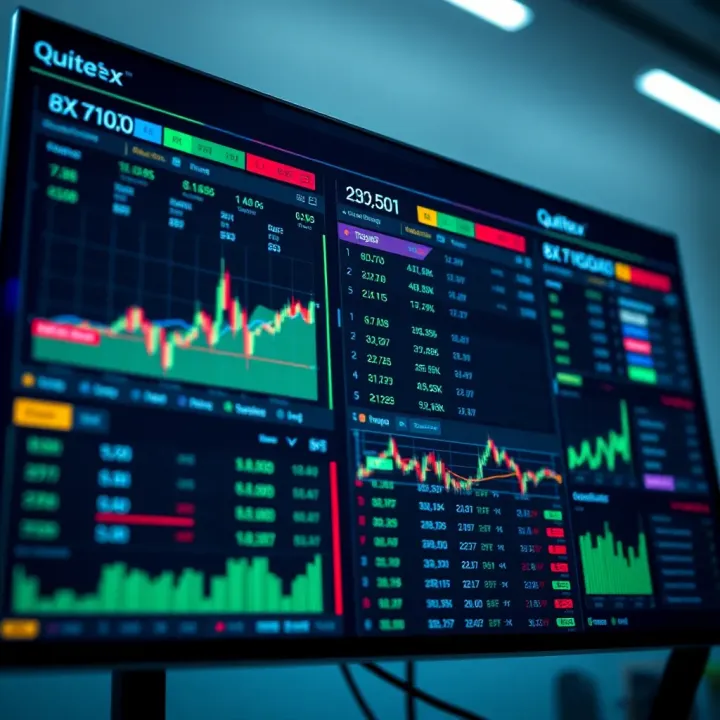
Discover how the Quotex leaderboard ranks traders 🎯, its impact on strategies 📊, benefits and limits ⚖️, and tips to climb up the trading ranks 🚀.
Based on 8 reviews