
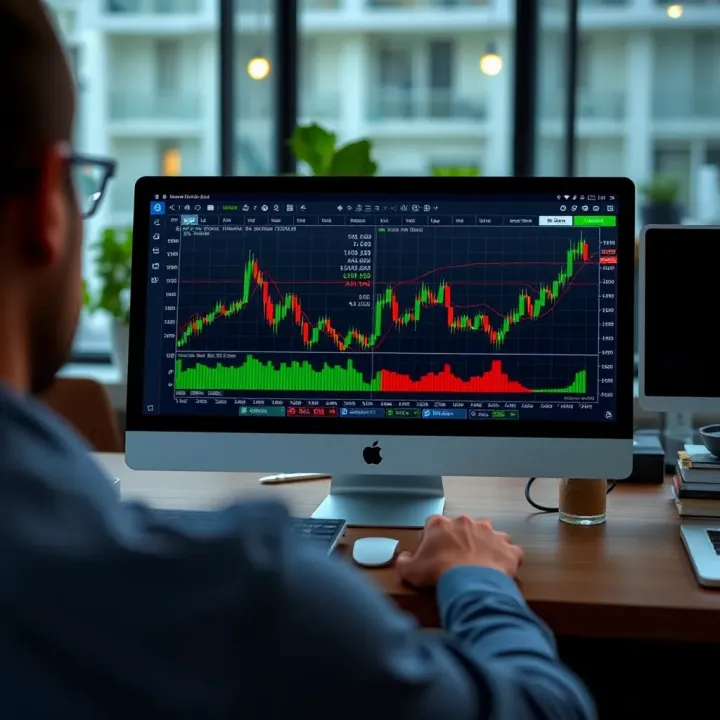
QXBroker Demo Platform: Features and Benefits Explained
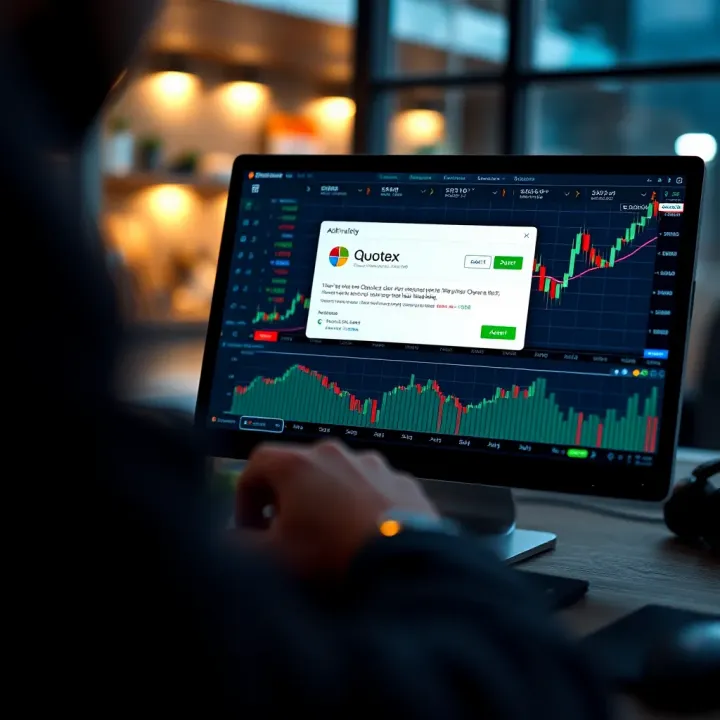
Discover QXBroker's demo platform 🎯 Get hands-on experience with its features, tools, and tips before trading live. Perfect for sharpening skills risk-free! 📈
Edited By
Isabella Clarke
Free demos have become a practical tool in today’s competitive market. They give buyers a chance to try a product or service before making a financial commitment. This is particularly useful for those in finance, trading platforms, or investment tools, where understanding the interface and features firsthand can greatly influence decision-making.
Offering a free demo helps companies build trust and credibility. For instance, a new stock trading app might allow users to simulate trades without real money. This helps potential customers assess whether the app suits their style without risking capital. From a business perspective, free demos are cost-effective marketing since interested users engage deeply with the product.

The benefits of free demos are twofold:
For customers: they get a hands-on experience, reducing uncertainty and helping make informed choices.
For businesses: demos generate qualified leads, gather feedback, and can increase conversion rates.
It’s not only tech products that benefit. Even financial services, like robo-advisors or mutual fund platforms, can use free demos or trial accounts to help users understand portfolio management or SIP (systematic investment plan) features.
"A free demo is like a test drive for your investment tools—it lets you spot what fits your goals without any upfront risk."
However, free demos must be designed thoughtfully. Poorly structured demos that don’t reflect the real experience or hide critical features can backfire. The key is to offer transparency and enough functionality to show true value without overwhelming the user.
Given the growing choices in financial technology and services, free demos serve as an essential bridge to building confident and lasting customer relationships. They provide clarity that plain descriptions or reviews often miss. As you explore various platforms or products, engaging with free demos can save both time and money while reducing the chance of costly mistakes.
Understanding what a free demo entails is key for traders, investors, and finance professionals aiming to make informed decisions. A free demo offers a no-cost opportunity to try a product or service, allowing users to gauge its features and suitability without financial commitment. This trial phase helps in reducing uncertainties, especially when dealing with complex tools like trading platforms or analytics software.
A free demo typically means users can explore a product or service without paying. For example, a stock trading app might let you open a demo account stocked with virtual funds. This way, you can practise buying and selling shares without risking real money. The practical benefit here is that you gain hands-on experience and build confidence before making actual investments.
This trial period also enables users to test the interface, understand functionalities, and discover potential issues. Similarly, financial research tools may offer demo versions so users can assess data quality and usability before subscribing.
Free demos vary widely depending on the industry and product. There are live demos where a company representative guides you through features in real-time, often answering questions. Then there are self-paced demos, allowing you to explore a platform or service independently over a set period.
Trial versions with limitations on feature access or usage times are common too. For instance, a market analysis software might offer full access but limit you to seven days. In some cases, demos may simulate real conditions closely, like investment simulators running on historical data to mimic actual market scenarios.
The software and tech world widely embraces free demos, especially for trading terminals, portfolio management tools, or financial analytics platforms. Offering a free demo helps these companies showcase their software's strengths, like real-time data feeds or algorithmic trading features. It also ensures that financial professionals can verify compatibility with their workflow and tools before investing in costly subscriptions.
Online finance courses and certification programmes often provide free demos or trial lectures. This lets candidates assess course quality, content depth, and instructor style. Given the importance of continuous learning in finance, such demos help learners decide wisely on professional development investments.
While less common for finance professionals directly, free demos remain relevant in consumer electronics related to financial work. For instance, demo units of advanced calculators, biometric devices for secure transactions, or specialised monitors for multi-screen trading desks can influence purchase decisions at trading firms or financial institutions.
Free demos act as a risk-free window, allowing users to peek into the product’s capabilities, which is invaluable in fields requiring precision and reliability.
Through these varied approaches, free demos bridge the gap between marketing claims and real-world performance, empowering buyers with firsthand experience before they commit financially.
Free demos play a key role in helping customers make informed decisions before investing their money. Especially for traders, investors, and finance professionals, trying a product or service without cost gives a chance to evaluate its real value without any upfront risk.
Free demos minimise the uncertainty linked to purchases. When you demo a trading platform or financial software, you see how it works firsthand. This avoids situations where your money goes into a product that doesn't meet your needs. For example, a stock trading app offering a free trial lets you test charting tools, order placements, and customer support before committing to a subscription.
Being able to access these demos avoids losing money on services that may seem appealing on ads but fail in real use. This safety net boosts confidence and helps prevent rash decisions based only on marketing claims.
Suitability matters a lot, especially if you deal with complex products like portfolio management systems or analytics tools. Free demos let you check if the product aligns with your trading strategy, risk appetite, and workflow preferences.
Take asset management firms offering software demos to prospective clients. These demos help investors judge whether the platform’s features meet their data analysis needs or integrate well with their existing tools. The quality of interface, execution speed, and reporting capabilities become clear only through real use, which a demo enables.
No amount of reading brochures or watching videos can replace hands-on experience. Using a free demo, customers can navigate software menus, try out data feeds, or simulate transactions themselves. This practical exposure reveals strengths and limitations that neat presentations often miss.
For instance, a brokerage offering a demo account allows users to place virtual buy-sell orders under market conditions, helping them gauge responsiveness and platform stability. This experience builds practical knowledge and helps users decide if the product fits their daily needs.
Demos provide a platform where potential customers can raise real-time questions about product behaviour or features. When you try financial tools under supervision, staff can clarify doubts instantly, preventing post-purchase surprises.
Imagine launching a new mutual fund investment app during market volatility. Free demos give investors a chance to understand how the app handles rapid market changes, calculations of returns, or tax implications. This clarity helps avoid confusion and builds trust between the user and the provider.
Free demos act as a bridge, ensuring that customers understand exactly what they are getting into, while reducing the fear of hidden drawbacks or misfit products.
By offering risk-free trials and hands-on experience, free demos serve as powerful tools enabling customers to assess both the quality and suitability of products before spending their money. This ultimately leads to better choices and stronger confidence in financial decisions.
Free demos serve as powerful tools for businesses to engage potential customers, build credibility, and ultimately increase sales. For companies, offering a no-cost chance to try their product or service can create a compelling proof point. Unlike mere advertising claims, demos provide tangible experience, which often translates into stronger buyer confidence.
When businesses offer free demos, they're signalling firm belief in the quality and reliability of their offerings. For instance, a fintech startup releasing a demo of its investment advisory app on mobile can show users the actual interface, ease of use, and real-time data features. This hands-on glimpse reassures investors that the platform works as promised, enhancing trust.
Showing confidence through demos also helps filter serious customers from casual browsers. Those interested in spending time with the demo likely consider the product worth exploring further. This approach may save companies resources otherwise spent chasing unqualified leads.
Free demos encourage businesses to be upfront about their product's capabilities and limitations. Transparent selling builds long-term relationships, especially in sectors where trust is vital, such as financial services or software for traders.
A brokerage firm, for example, could offer a demo of its trading platform highlighting both strengths—like quick order execution—and constraints, such as charges applicable during heavy volumes. By presenting a clear, honest picture, businesses avoid overpromising, which reduces customer dissatisfaction down the line and improves brand reputation.
Free demos offer the chance to spotlight the unique selling points that set a product apart. Unlike traditional ads, demos let customers experience the direct benefits firsthand.
An investment app that offers a free demo may reveal how its AI-driven insights outperform standard market analysis, giving users a clear reason to subscribe. This kind of value demonstration nudges users along the purchase funnel with a convincing, experiential argument.
Besides convincing buyers, free demos allow businesses to collect user feedback, which is invaluable for refining the product. Comments about user interface issues, missing features, or confusing workflows highlight areas needing attention before full launch.
For example, during a demo phase for a new portfolio management tool, users might express a desire for better chart visualisations or quicker report generation. Acting on such feedback improves the final product while signalling to customers that their opinions matter.
Providing free demos is not just a sales tactic; it is a strategic move that can deepen customer trust, clarify value propositions, and sharpen product development based on real user insights.
Businesses that embrace demos thoughtfully often find themselves ahead in competitive markets by converting curious prospects into loyal customers more efficiently.
Taking full advantage of a free demo can be a game-changer for both customers and businesses. For finance professionals like traders, investors, and analysts, demos provide a hands-on way to evaluate tools and services before committing capital. Knowing what to expect and how to approach the demo can save time, avoid disappointment, and ensure you focus on features that truly matter to your strategy.
Before joining a demo, it helps to clearly outline your priorities. Are you looking to test a new trading platform’s analytics capabilities, or understand the customer support offered by a mutual fund service? Having specific questions ready—such as about order execution speed, portfolio tracking features, or reporting tools—enables you to gain targeted insights during the session. For example, an investor interested in passive funds might focus on how easily the platform allows setting up systematic investment plans (SIPs).
This preparation also ensures you do not get sidetracked by features irrelevant to your needs. Being precise helps in comparing different products efficiently, which matters when evaluating multiple options during a busy workweek.
It is important to remember that a free demo will not always show the full experience or all potential limitations. For instance, a demo for a stock-trading app might not simulate real-time market volatility or sudden liquidity crunches. Understanding that demos illustrate typical use-cases but might not cover edge scenarios helps manage your expectations.
Setting realistic expectations means you go into the session ready to observe general usability and core functions rather than expecting flawless, full-scope representations. This awareness will reduce frustration if certain advanced features or integrations appear limited during the demo.
Businesses should focus on delivering demos that clearly break down how their offering solves problems specific to finance professionals. Highlighting key benefits like lower transaction costs, faster execution speed, or tax-saving features under Section 80C during the demo makes the session practically valuable.
Clear explanations help avoid confusion, especially when dealing with complex financial products or software. For example, if a demo is for a portfolio management system, explaining how it integrates with Indian market data and tracks dividends accurately will resonate more than generic feature lists.
A one-size-fits-all approach rarely works, particularly in finance where client needs vary widely. Personalised interaction during demos, such as addressing questions about specific asset classes or regulatory norms like GST on brokerage, builds trust and relevance.
Interactive demos where the presenter adapts based on the audience’s profile keep participants engaged and help vendors gather useful feedback. For instance, a broker’s demo that pauses to explore a trader’s concern about margin requirements amid RBI’s current policies will come across as far more helpful than a scripted presentation.
A meaningful demo is one where both sides listen and adapt — the customer finds solutions, and the business understands client needs better.
By preparing well and hosting demos thoughtfully, participants and providers both gain maximum value from these sessions.
Free demos give customers a chance to try before buying, but they come with their own set of challenges. For businesses, managing these well is key to maintaining trust and avoiding wasted resources. Customers also need a clear understanding of what the demo does and does not cover to avoid confusion or disappointment.
Avoiding overpromising is vital during free demos. If businesses exaggerate a product’s capabilities, customers may come away feeling misled. For example, a financial trading platform demo that shows only ideal scenarios without clarifying risks can create false impressions. Being upfront about limitations and setting realistic expectations helps customers make informed decisions and reduces post-purchase dissatisfaction.
Handling dissatisfaction gracefully is equally important. Not every demo will convert into a sale, and some users might raise valid concerns. Instead of brushing off complaints, businesses should listen actively and address issues sincerely. This approach builds credibility and may even turn a sceptical prospect into a loyal customer once their worries are acknowledged and solutions offered.
Free demos require a significant time and cost investment from businesses. Preparing customised demos, providing dedicated support during the demonstration, and training staff to handle queries all add up. Smaller firms, in particular, may find this resource-heavy. Identifying which demos have the highest potential for conversion can help optimise where to invest effort.
Maintaining communication post-demo is often overlooked but essential. Following up with participants shows commitment and keeps the dialogue open. Sending personalised emails summarising demo outcomes or offering additional resources helps sustain interest. Neglecting this step can mean losing a potential customer despite a strong initial impression.
Managing expectations and investing wisely in demos ensures both customers and businesses gain maximum value without unnecessary strain or disappointment.
By recognising these challenges, businesses can run free demos more effectively while customers benefit from clearer, more honest experiences. This balance ultimately supports better purchase decisions and stronger professional relationships.
Discover QXBroker's demo platform 🎯 Get hands-on experience with its features, tools, and tips before trading live. Perfect for sharpening skills risk-free! 📈
Explore the Quotex referral program 🤝: learn how it works, benefits, eligibility, tips to boost earnings 💰, withdrawal options, and smooth usage advice!
📱Discover how real trade apps simplify investing in India. Explore features, benefits & smart tips to pick the right platform for your trading needs!
Discover how to use the Quotex risk free promo code 🎯, learn eligibility, activation steps, common limits, and smart trading tips for Indian traders 📈.
Based on 7 reviews