

RIL Share Price Outlook for 2025
Get expert insights on RIL share price target for 2025 📈. Explore detailed analysis, market trends, company performance & investment risks for informed decisions.
Edited By
Sophia Blake
BASF, one of the world's largest chemical companies, has been a key player in the global industrial landscape for decades. Its extensive product portfolio spans chemicals, plastics, agriculture solutions, and performance materials, serving various sectors from automotive to construction. For investors eyeing the Indian market or global opportunities, understanding BASF’s share price trajectory through 2025 requires careful examination of its current standing, sector trends, and economic conditions.
The chemical industry is influenced heavily by factors like raw material costs, regulatory policies, and macroeconomic shifts. BASF’s performance is intertwined with global trade, commodity prices, and demand cycles in key markets such as Asia and Europe. As China tightens environmental regulations and supply chains evolve post-pandemic, BASF’s strategic moves in sustainability and innovation will hold weight on its share price.
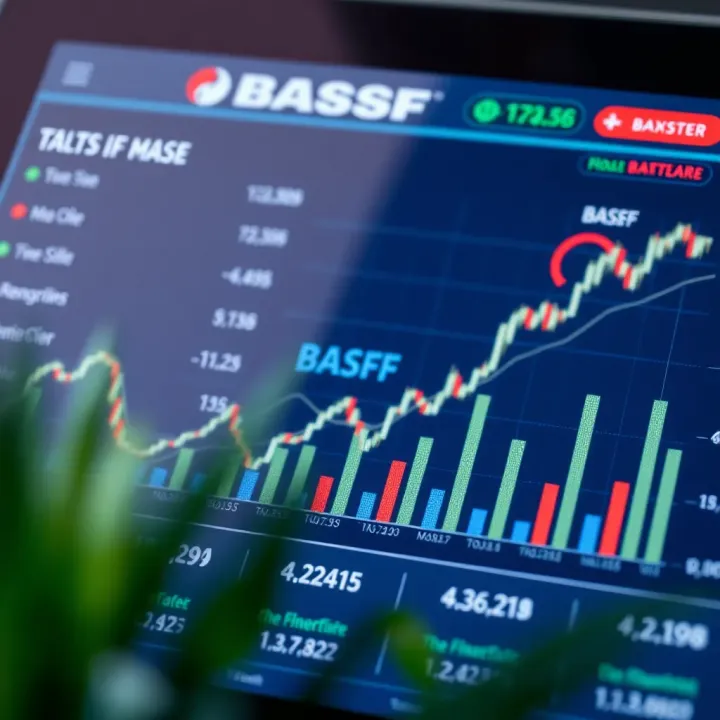
Financially, BASF has shown resilience through fluctuating oil prices and economic slowdowns, backed by steady revenue streams and cost optimisation initiatives. However, rising energy prices and inflationary pressures could pose challenges. Analysts often scrutinise key metrics such as return on capital employed (ROCE), earnings before interest and tax (EBIT), and free cash flow, which provide clues about operational efficiency and growth prospects.
Investors should watch BASF’s quarterly financial reports closely, focusing on margin trends and investment in research and development, which are critical for long-term competitiveness.
Here’s a brief layout of the factors shaping BASF’s share price outlook to 2025:
Market Position: Leading chemical manufacturer with diversified operations
Industry Dynamics: Impact of raw material volatility, regulatory changes, and demand shifts
Financial Health: Profitability, debt levels, and cash flow stability
External Influences: Macroeconomic conditions, trade policies, and geopolitical tensions
This analysis sets the stage for a detailed look at BASF’s share price targets, helping investors make informed decisions grounded in realistic expectations rather than speculation.
Understanding BASF's market presence is key to analysing its share price target for 2025. As one of the largest chemical companies worldwide, BASF's global footprint and diverse business segments influence its revenue streams and market dominance. This section offers a solid foundation for investors by breaking down the company's structure and recent stock behaviour.
BASF operates in more than 90 countries, with production sites spread across Europe, Asia, and the Americas. Its portfolio spans basic chemicals, performance products, agricultural solutions, and functional materials. For instance, BASF's catalysts division supports automotive and industrial applications, while its crop protection segment delivers inputs vital for Indian farmers. Knowing such operations helps investors gauge geographic risks and growth opportunities.
Revenue for BASF flows primarily from chemical manufacturing, with specialised segments like petrochemicals and coatings contributing significantly. In 2023, BASF held a leading position in many markets, including Europe and China, thanks to its scale and innovation. For Indian investors, recognising which segments yield steady cash flow – such as agricultural products – versus those more cyclical, like petrochemicals, aids in assessing earnings stability.
BASF’s stock has experienced a mixed trajectory over the past five years, facing downturns during global trade tensions and commodity price shocks. For example, price dips coincided with raw material inflation and supply chain disruptions in 2022. Analysing such patterns gives insight into how external events can shape stock performance, highlighting potential entry points or periods of caution.
The share price often swings in response to quarterly earnings, regulatory updates, and macroeconomic changes like interest rate shifts. Volatility tends to peak during geopolitical uncertainties, such as the Russia-Ukraine conflict, impacting BASF’s European operations. Understanding these responses helps traders and investors manage risk and time their positions prudently.
A clear grasp of BASF’s core operations and stock behaviour equips investors to anticipate how market and sector dynamics might influence its share price leading up to 2025.
By focusing on BASF's foundational business and price history, you set the stage to explore deeper financial and strategic factors affecting future performance.
Understanding the factors shaping BASF’s share price until 2025 helps investors anticipate market moves and make informed decisions. These factors reflect not just the company’s internal dynamics but also the wider chemical industry trends and global economic conditions. Grasping these influences sheds light on potential risks and opportunities surrounding BASF’s valuation.
Global demand for chemicals plays a significant role in BASF’s market performance. The chemical sector underpins various industries—automotive, construction, agriculture, and consumer goods among them. Growth in emerging economies such as India and Southeast Asia fuels rising chemical consumption, while mature markets remain steady but competitive. For example, increased infrastructure projects in India prop up demand for speciality chemicals used in coatings and adhesives, indirectly benefiting BASF’s sales. Investors should watch shifts in industrial activity and end-user sectors, as these dictate product demand and pricing power.

Moving to sustainability and innovation trends, the industry faces mounting pressure to reduce carbon footprints and move towards greener alternatives. BASF’s investments in eco-friendly products and processes—like biodegradable plastics and catalytic converters—position it well in a market increasingly mindful of environmental impact. Innovation also drives demand for high-tech materials in electronics and renewable energy, further diversifying BASF’s revenue streams. For investors, BASF’s commitment to sustainable solutions not only appeals to ESG-conscious capital but also signals resilience against tightening environmental regulations.
Commodity prices and inflation materially influence BASF’s cost structure and profitability. Fluctuations in oil and natural gas prices directly affect raw material costs for petrochemical-based products. Inflationary pressures can erode profit margins if input cost rises aren't passed on fully to customers. For instance, a sharp rise in crude oil might squeeze margins temporarily, impacting short-term share price movement. Traders must track commodity indices and inflation trends closely, as these typically sway chemical stocks’ performance.
Trade policies and geopolitical tensions create layers of uncertainty influencing BASF’s operations and stock price. Tariffs, export restrictions, or sanctions affect supply chains and access to key markets. The ongoing trade tensions between Western countries and China could disrupt BASF’s global supply network, causing cost escalations or sales slowdowns. Conversely, strategic navigation through these challenges can unlock new markets or cost efficiencies. Investors should stay alert to policy announcements and geopolitical developments to gauge potential impacts on BASF’s outlook.
Compliance with international regulations remains a core concern given BASF's global footprint. Policies governing chemical safety, product approvals, and labour standards vary regionally but impose operational constraints and compliance costs. For example, stricter chemical control laws in the EU require BASF to adapt processes, which could raise short-term costs but benefit long-term sustainability and market access.
Environmental sustainability commitments increasingly shape BASF’s business direction and investor perception. The company’s targets for reducing greenhouse gas emissions and resource usage reflect broader industry shifts towards circular economy models. Such commitments may necessitate upfront investments but enhance brand value and regulatory goodwill. From an investment standpoint, BASF’s ability to integrate sustainability into its core strategy is critical to maintaining competitive advantage and appealing to responsible investors.
Investors should treat these factors not as isolated but interconnected elements affecting BASF’s future share price. A comprehensive understanding helps navigate volatility and identify value within this complex environment.
Assessing BASF's financial health and earnings outlook is key for investors aiming to gauge the company's ability to sustain growth and deliver returns by 2025. These factors provide insights into how well the company manages resources, generates profits, and copes with market challenges. For traders and finance professionals, understanding BASF’s recent financial results and future earnings projections helps in making informed decisions regarding share valuation and timing entry or exit points.
Analysing BASF’s revenue growth and profit margins sheds light on operational efficiency and pricing power. For instance, if the company reports rising revenues alongside stable or improving profit margins, it suggests strong demand and effective cost control. BASF’s Q4 FY2023 results showed a 5% revenue increase compared to the previous year, driven by higher volumes in the agricultural solutions segment. However, profit margins tightened due to rising raw material costs, signalling pressures that investors should watch closely before projecting future profitability.
Stable or expanding profit margins generally enhance BASF’s attractiveness to investors, as they translate into better earnings and possibly higher dividend payouts. Conversely, shrinking margins can warn of weakening competitive positioning or rising input expenses.
Cash flow analysis reveals the company’s ability to fund operations, expansion, and shareholder returns without relying heavily on external borrowing. BASF’s positive operating cash flow in recent quarters indicates healthy business activity and sound working capital management. Meanwhile, monitoring BASF’s debt-to-equity ratio is essential, as excessive debt could increase financial risk, especially if industrial cycles turn volatile.
Currently, BASF maintains a moderate debt level with a net debt-to-EBITDA ratio around 1.5, which most analysts consider manageable. For investors, this balance suggests the company can invest in growth or weather downturns without jeopardising liquidity. However, any significant debt increase should be cautiously evaluated.
Earnings per share (EPS) forecasts provide a forward-looking view of BASF’s profitability on a per-share basis, making it easier to compare growth prospects against peers. If forecasts indicate a steady rise in EPS by 2025, it implies that the company expects increased earnings driven by operational improvements or market expansion.
For example, analysts expect BASF’s EPS to grow at a compound annual growth rate (CAGR) of around 6% through 2025, supported by new product launches and cost optimisation measures. This growth trajectory can attract long-term investors looking for appreciation alongside dividends.
Dividend patterns reflect BASF’s commitment to returning value to shareholders. Examining dividend yield, payout ratio, and recent increases helps investors understand income potential. BASF has historically maintained a payout ratio close to 40%, balancing retained earnings for reinvestment and dividends for shareholders.
Recent modest hikes in dividend payouts reinforce confidence in BASF’s cash generation ability. For income-focused investors, such steady dividend growth alongside earnings expansion makes BASF shares appealing. Moreover, a stable dividend payout can cushion stock performance in uncertain market phases.
Monitoring both BASF’s financial health and earnings outlook gives investors a clearer picture of risks and rewards, helping fine-tune investment strategies with a focus on sustainable returns by 2025.
Expert opinions and market analysts’ predictions provide valuable insights into BASF's potential share price movement up to 2025. These views combine market data, industry trends, and company fundamentals to give investors a more informed perspective than raw figures alone. For traders and analysts, consulting such opinions helps in framing realistic expectations and planning strategies under various scenarios.
Analysts often issue a range of share price targets reflecting their forecasts based on current and projected conditions. For BASF, 2025 price targets typically vary between €60 and €80 per share. This range highlights differing views on growth prospects, risk factors, and industry conditions. Understanding this spread helps investors gauge market sentiment and avoid overestimating potential gains or underestimating risks.
Underlying these price targets are assumptions about global chemical demand, raw material costs, and BASF's ability to innovate and manage costs. For example, some analysts assume stable commodity prices and smooth geopolitical conditions, while others factor in possible supply chain disruptions or inflationary pressures. This awareness enables investors to weigh these assumptions against their own risk appetite and market outlook.
Potential market challenges include fluctuating commodity prices, regulatory changes, and geopolitical tensions. For BASF, volatile oil prices directly affect production costs, impacting profit margins. Additionally, tightening environmental regulations may increase compliance expenses, adding pressure on earnings. Recognising these challenges lets investors plan for downside risks in their portfolios.
On the opportunity side, BASF's strategic investments in sustainable products and digital technologies position it well for future growth. Expansion into emerging markets, such as India and Southeast Asia, represents a solid growth driver due to rising industrialisation. Also, initiatives to improve operational efficiency could boost profitability, enhancing long-term shareholder value.
Careful analysis of expert forecasts alongside BASF’s strategic actions and market risks provides a balanced view necessary for sound investment decisions by 2025.
In short, expert opinions supply a nuanced backdrop against which to assess BASF’s share price prospects, helping traders and investors navigate this complex market effectively.
This section distils the key points from BASF’s outlook and presents them in a way that investors can readily apply. Instead of repeating data or forecasts, it focuses on actionable insights and factors that could influence investment decisions. For instance, understanding which economic indicators and company strategies to watch helps investors respond quickly to market changes, while recognising risk factors supports smarter portfolio management.
Practical takeaways are essential for investors who want to balance opportunities against risks using clear, specific criteria.
BASF’s share price is sensitive to broader economic trends, like commodity prices, inflation rates, and industrial production data. For example, a rise in crude oil prices often triggers cost increases for BASF’s raw materials, squeezing margins if the company cannot pass costs to customers. Inflation trends in key markets, including India and Europe, also influence purchasing power and demand for chemical products.
Tracking global industrial output and manufacturing PMI (Purchasing Managers’ Index) offers clues about demand fluctuations. A dip in PMI may signal reduced orders for BASF’s products, impacting future earnings. These indicators allow investors to anticipate market sentiment shifts rather than react late.
BASF’s commitment to sustainability and innovation has become a significant factor. Its investment in green chemistry and digitalisation could provide competitive advantages amid tightening environmental regulations. For instance, BASF’s development of biodegradable plastics speaks directly to growing regulatory pressure and consumer preference shifts, which influence future revenue streams.
Additionally, sector trends like consolidation in the chemical industry or shifts to speciality chemicals rather than commodity chemicals are important to watch. These trends affect BASF’s market position and profit margins. Investors should keep an eye on BASF’s strategic decisions in acquisitions, partnerships, and product focus to understand its adaptability and growth potential.
In the short term, BASF’s share price might be volatile due to commodity cycles or geopolitical tensions affecting supply chains. Traders may capitalise on these fluctuations, but investors considering 2025 targets should focus on BASF’s underlying fundamentals and long-term strategy.
Long-term investors benefit from evaluating BASF’s earnings growth potential, dividend policies, and sustainable initiatives. For example, consistent dividend growth and stable cash flows suggest a resilient business model even when markets are choppy.
Managing risks is critical when investing in a global chemical company like BASF. Factors such as currency fluctuations, regulatory changes, and raw material price swings can affect returns. Diversifying investments across sectors or geographies and setting stop-loss orders can help manage downside risks.
Being aware of BASF’s exposure to specific markets and economic conditions allows investors to adjust their portfolios as required. Risk-aware investors track not only BASF’s internal developments but also external shocks like trade restrictions or environmental regulations, taking balanced decisions accordingly.
Get expert insights on RIL share price target for 2025 📈. Explore detailed analysis, market trends, company performance & investment risks for informed decisions.

📈 Explore Reliance Industries' share price projections up to 2050 with expert insights, market trends, and strategies for long-term investors in India.
Get insights on Reliance Industries Limited's 2025 target price 📈 Explore market trends, financials, and expert views shaping its stock future in India 🇮🇳

🔍 Explore what drives Reliance Industries' share price target for tomorrow. Get insights on market trends, company performance & expert predictions to guide your investment decisions.
Based on 12 reviews