
Understanding Qutoex: Features and Security
Explore Qutoex's features, real-world uses, and key security tips 🔐. Learn how to use Qutoex effectively while staying safe in today's digital world.
Edited By
James Carter
An aviator demo offers a virtual simulation that helps pilots and aviation enthusiasts experience flying without leaving the ground. It replicates cockpit controls, flight dynamics, and navigation systems, making it a practical tool for training and entertainment. Traders, investors, and analysts involved in aviation-related sectors will find understanding these demos useful since they reflect the operational intricacies of aircraft systems, which can influence market moves.
Aviator demos range from simple software apps to advanced full-motion simulators. The software-based versions mimic real flight controls using detailed graphics and physics engines. Meanwhile, professional simulators incorporate realistic controls, visual displays, and auditory feedback to create an immersive experience.
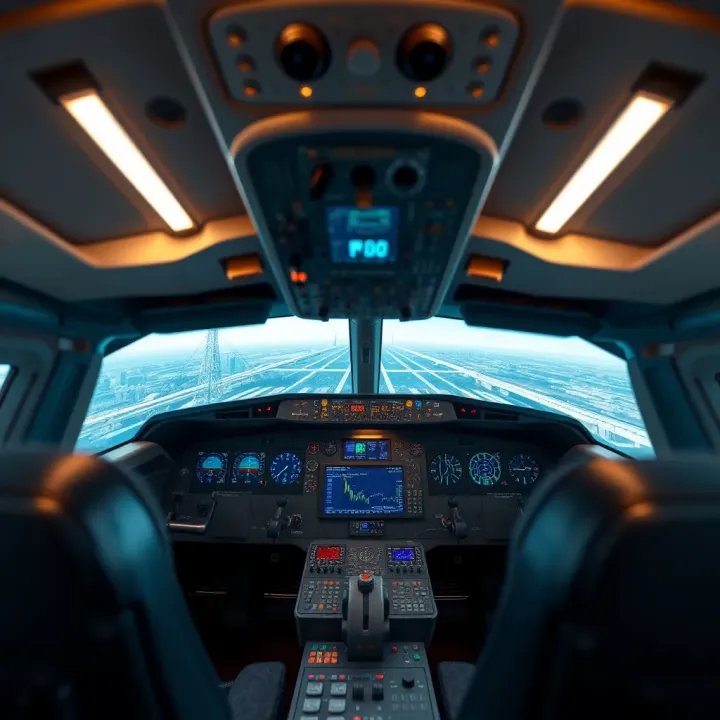
These demos serve multiple purposes:
Pilot training: They familiarise pilots with aircraft handling, emergency procedures, and system management without the costs and risks of actual flying.
Enthusiast engagement: Aviation fans enjoy exploring different aircraft types and flight environments virtually.
Market analysis: Investors in aviation firms can gain insight into new aircraft technologies and pilot workflow efficiency.
Understanding the features of an aviator demo lets users select the right tool. Key aspects include the accuracy of flight physics, quality of graphical interfaces, availability of cockpit instruments, and flexibility in customised scenarios.
Aviator demos are not just for practising flying; they bridge the gap between real-world aviation and technology-driven simulation, offering a safe, cost-effective platform for learning and analysis alike.
In the following sections, we'll explore the technology that powers these demos and practical advice on how to make the most of them, especially for those in the finance and aviation sectors looking to leverage this knowledge for informed decisions.
An aviator demo is a simulation software that replicates the experience of flying an aircraft. It aims to introduce users to the fundamental controls and mechanics of aviation, making it easier to understand how planes behave without needing to actually be in the cockpit. This software serves as a bridge between theoretical knowledge and real-world flying by allowing users to get hands-on practice virtually.
Flight simulators in aviator demos utilise realistic graphics and physics engines to mimic flight conditions. This includes factors like air resistance, altitude changes, and engine behaviour. The purpose is to provide a fairly close substitute for real flying, which helps users familiarise themselves with procedures and controls before stepping into an actual aircraft.
People who benefit from aviator demos range from trainee pilots to aviation enthusiasts. Students preparing for pilot licences can use these demos to sharpen their skills. Enthusiasts and gamers find them engaging for entertainment and learning basic flying techniques. Airlines and flight schools also use advanced versions for training purposes due to their cost-efficiency.
Aviator demos play a significant role in developing a pilot's skills. They help trainees practice standard and emergency procedures repeatedly without risk. For example, a pilot can simulate engine failure or sudden weather changes, situations difficult to recreate safely during real flights but crucial to master.
By offering a safe environment to learn, aviator demos reduce costly trial-and-error in actual flying. Novices can build confidence with manoeuvres such as take-off, landing, and navigation. This controlled practice lowers accident risks and improves preparedness.
Moreover, these demos complement real flight hours by giving pilots an opportunity to practise manoeuvres out of the plane. Regulatory bodies often count simulator hours towards total training requirements, which helps reduce in-flight training costs significantly. In India, flight schools incorporate simulator sessions to optimise training schedules and manage resource constraints.
Aviator demos provide a practical and safe platform to practise and perfect flying skills, proving indispensable for both training institutes and hobbyists.

Together, these aspects make aviator demos a valuable resource in aviation education and experience acquisition, blending theory, practice, and safety effectively.
Aviator demo software revolves around several core features that define its value, usability, and impact on both pilots and aviation fans. At its essence, these features dictate how realistic the experience feels, how deeply users interact with the simulation, and how versatile the software is in reflecting different flying conditions. When understanding aviator demos, focusing on these core traits helps you gauge their effectiveness for training or leisure.
Graphics and physics accuracy play a vital role in mirroring the experience of real flying. This includes detailed aircraft models, lifelike airport environments, and precise flight dynamics based on aerodynamics principles. For instance, a well-rendered demo might simulate the stall behaviour of a Cessna 172 or the turbulence felt during a crosswind landing. Such accuracy helps trainees build correct muscle memory and sharpens decision-making in real-world scenarios.
User interface and cockpit controls form the bridge between the pilot and the simulation. Intuitive layouts with well-done instrument panels allow users to navigate smoothly, much like actual aircraft cockpits. For example, toggling autopilot or adjusting throttle in the demo should feel as straightforward as in a real plane. This interface quality helps serious trainees and hobbyists practise familiar procedures without unnecessary distractions.
Interactive elements like realistic sound effects, control feedback, and scenario-based prompts enrich the experience. These features encourage active learning by simulating radio communications, warning alarms, or unexpected malfunctions. A trainee pilot encountering this in the demo prepares better for handling stress during real emergencies. Even aviation fans get a more immersive and engaging experience through such responsiveness.
A wide variety of aircraft ensures adaptability to different training needs or personal interests. Demos often include light planes, commercial jets, and even helicopters. For instance, a beginner might start practising on a small Piper or Cessna before moving to larger aircraft like the Boeing 737, gaining incremental exposure to complexity.
Weather and environmental conditions add another layer of realism by simulating rain, fog, wind, or nighttime flying. These variables test your skills against different challenges which pilots often face. Imagine practising landing during Mumbai’s monsoon or manoeuvring through Delhi’s foggy mornings. Such conditions prepare users for diverse real-world conditions.
Mission-based and free-flight options cater to different learning styles and entertainment preferences. Mission scenarios, like handling engine failure or emergency landings, target specific skills, while free flights allow exploring routes or airports at your pace. This flexibility is useful both for rigorous training sessions and casual practice, broadening the software’s appeal.
A quality aviator demo combines realistic physics, user-friendly controls, and diverse scenarios to offer practical training and engaging aviation experiences alike.
These core features shape how aviator demos serve both budding pilots and enthusiasts, making them indispensable tools in modern aviation education and recreation.
Aviator demos play an increasingly vital role in both professional pilot training and recreational aviation experiences. Their applications range from simulating complex real-world scenarios to offering enthusiasts a glimpse of flying without stepping into an actual cockpit. This section explores how these simulations help train civil and military pilots effectively, while also engaging hobbyists and gamers.
Simulating emergency situations helps pilots respond aptly in high-pressure moments without risking safety. For example, scenarios like engine failure, sudden weather changes, or system malfunctions can be safely practised in demos, teaching critical decision-making skills. These controlled settings help pilots react swiftly and calmly when such emergencies occur in real life.
Procedural training benefits immensely from aviator demos by allowing pilots to rehearse checklists, communication protocols, and navigation procedures repeatedly. A trainee pilot can perfect tasks such as pre-flight inspection or instrument landings by practising them virtually until they become second nature. This hands-on repetition accelerates learning while minimising human error during actual flights.
Cost-effective learning tools are a major advantage of simulators over in-flight training. Operating a real aircraft demands fuel, maintenance, and crew expenses, which can quickly add up. Simulators offer a budget-friendly alternative for initial and recurrent training, helping airlines and defence forces reduce expenditure. Besides, demos let trainees log valuable hours without occupying real aircraft time, improving training throughput substantially.
Learning basic flying skills through aviator demos gives aviation fans a practical introduction to controls, aerodynamics, and flight mechanics. Users can familiarise themselves with takeoffs, landings, and manoeuvres in an interactive setting. For example, aspiring hobby pilots can build confidence before enrolling in actual flying lessons.
Entertainment and exploration remain key draws for many users. Popular flight simulation platforms provide vast landscapes, from bustling airports in Mumbai to serene mountain ranges, making every session immersive and enjoyable. This variety sparks curiosity and broadens users’ understanding of different flight conditions and aircraft types.
Community and competitions around aviator demos foster social interaction and skill-sharing. Online leaderboards, multiplayer challenges, and virtual flying clubs provide enthusiasts opportunities to connect and compete. These communities encourage continual learning and keep users motivated through friendly rivalry and support.
Aviator demos are more than just software; they’re evolving into versatile tools shaping pilot skills and aviation enthusiasm alike.
By integrating practical training needs with engaging recreational use, these demos offer a balanced platform for diverse audiences. Their role in professional preparations and fun exploration will only grow as technology advances, especially in India's expanding aviation landscape.
Starting with aviator demos is essential for anyone keen on exploring aviation simulation, whether you are a budding pilot, a trader interested in aviation stocks, or an enthusiast keen to understand the technology behind flight. This section highlights how to access good-quality demos and make the most of them, which can provide a foundational understanding without the need for expensive equipment or training hours.
Several platforms offer aviator demo software with varying features and prices. Popular providers include Microsoft Flight Simulator, X-Plane, and FlightGear. These platforms offer demos that showcase realistic controls and physics, which are valuable for practising skills or understanding aircraft behaviour without real-world risks. For instance, Microsoft Flight Simulator's demo gives a glimpse into detailed cockpit environments, making it beneficial for beginners to familiarise themselves.
When it comes to free vs paid demos, free versions usually limit aircraft types, locations, or flight duration. These are excellent to get a taste of the software and basic flying mechanics. Paid demos or full versions unlock advanced features like complex weather conditions, multiple aircraft types, and detailed mission scenarios, which are more suited for serious training or enthusiasts wanting deeper engagement. The choice depends on your goals—free demos for initial exploration, paid versions for comprehensive practice.
Compatibility is crucial—aviator demos require certain system specifications for smooth performance. Most demos specify minimum RAM, CPU power, and graphics card requirements. For example, X-Plane needs at least 8GB RAM and a decent graphics card to avoid lag during simulation, which is important for a realistic experience. Checking these factors before downloading saves time and ensures the software runs properly on your system.
Setting realistic goals helps manage expectations and progress efficiently. For example, if you aim to learn basic navigation, focus on mastering takeoffs and landings first rather than advanced aerobatics. Clear goals prevent frustration and make your practice sessions more productive.
Using tutorials and help guides available with most demos can accelerate your learning. Step-by-step instructions and video guides break down complex controls and procedures. Microsoft Flight Simulator, for example, offers comprehensive tutorials that teach basic controls which you can follow at your own pace, ensuring you are not lost in the complexity.
Regular practice is key to improvement. Practising even 20-30 minutes daily can help build muscle memory and sharpen decision-making skills. Consistent use of the demo, especially practicing emergency procedures or landing in various weather conditions, enhances familiarity with controls and builds confidence, which is crucial if you plan to transition to real training.
Starting with the right aviator demo and using it effectively can save you time, money, and effort while giving a hands-on feel for flying that’s hard to match in traditional learning methods.
In summary, finding the right demo based on your interests and system capabilities, setting manageable goals, and practising regularly with the help of tutorials will take you a long way in understanding aviator demos and benefiting from them.
Explore Qutoex's features, real-world uses, and key security tips 🔐. Learn how to use Qutoex effectively while staying safe in today's digital world.
Explore Qutex: its key features, technology insight, benefits, and diverse applications across industries 🚀💻 A clear guide for practical uses and user tips.

Discover QXBroker's demo platform 🎯 Get hands-on experience with its features, tools, and tips before trading live. Perfect for sharpening skills risk-free! 📈

Explore QXBroker.com’s features, account options, trading platforms, security, and support 📊 to trade confidently in India's market with trusted tools & insights.
Based on 8 reviews