
Top Forex Trading Platforms in India Reviewed
Explore the best forex trading platforms in India 🌏, compare fees, features, and legal aspects. Get tips on risk management and tech trends for smart trading 💹.
Edited By
Henry Walsh
The forex market operates 24 hours a day, but it runs in distinct sessions tied to major financial centres. For traders in India, understanding the Asian forex trading session timings is key to making informed decisions and capturing opportunities.
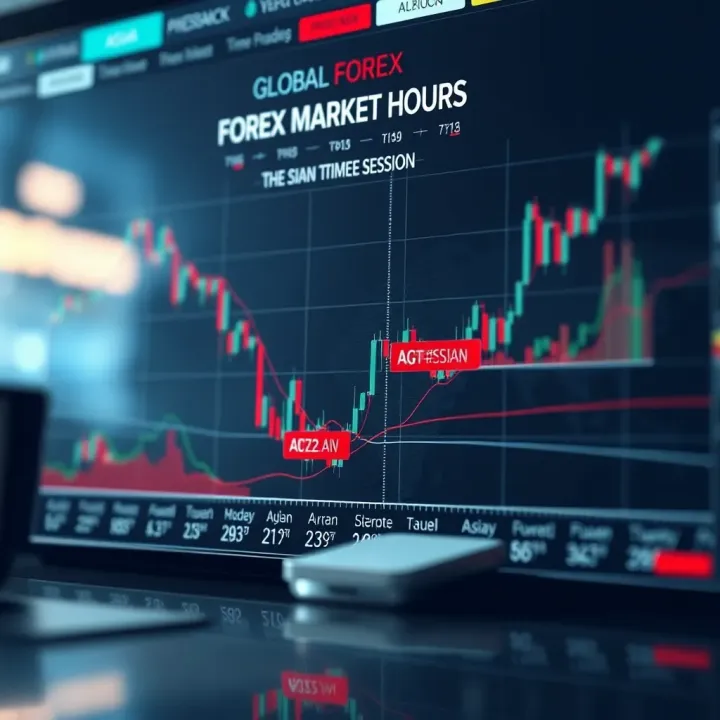
The Asian session primarily covers the hours when markets in Tokyo, Singapore, Hong Kong, and Sydney are active. This session generally starts around 5:30 am IST and runs till 2:30 pm IST. Knowing this timing helps you align trading activities with market liquidity and volatility, which tend to spike during session overlaps.
Japan and Singapore stand out as major forex hubs in Asia. Tokyo’s role is significant because it handles a large volume of currency trades, especially involving the Japanese yen. Similarly, Singapore is a financial centre with deep liquidity, often providing tight spreads for traders.
The key advantage of trading during the Asian session is that currency pairs involving the yen, Australian and New Zealand dollars typically see higher activity. For Indian traders, this means chances for better trade execution and more predictable price movements.
Managing your trading schedule around these hours can improve your strategy. For example, if you prefer trading pairs like USD/JPY or AUD/USD, focusing on the Asian session increases your odds of catching favourable price swings.
To make the most out of the Asian session:
Monitor early indicators from the Tokyo and Singapore markets
Use economic calendars to time events like Bank of Japan announcements
Watch currency pairs that show more activity during this time
Understanding these session hours allows Indian traders to plan their day effectively, reducing guesswork and optimising risk management. Aligning trades with session timing is a practical way to improve your forex performance.
Understanding forex market hours and sessions is vital for traders, especially those in India, aiming to catch the most active periods in currency trading. Since forex operates 24 hours through different time zones, knowing the session timings helps you plan trades around volatility peaks and liquidity availability.
The forex market never shuts down completely. It operates through a sequence of trading sessions linked to major financial centres worldwide: Sydney, Tokyo, London, and New York. Each centre opens and closes at different local times, thereby creating a continuous cycle. For example, when India wakes up, the Asian session (Tokyo and Singapore) is already active. This overlapping activity means Indian traders can access forex 24/7 by tuning into the right sessions.
The round-the-clock model allows traders to react to global economic data and geopolitical events as they unfold, rather than waiting for a single daily opening. For instance, a surprise RBI policy change announced in the morning can immediately influence trading during the Asian session.
Four major sessions shape the forex market: the Sydney session starts the week, followed by Tokyo, then London, and finally New York before the cycle repeats. Each has distinct traits based on the currencies involved and market activity:
Sydney Session: The quietest, mainly focused on AUD and NZD, this session suits traders looking for lower volatility.
Tokyo Session: Known for moderate volatility, this session sees heavy trading in JPY, and Asian currencies such as SGD and HKD. It overlaps with the early London hours, increasing liquidity.
London Session: The most liquid and volatile, the London session involves EUR, GBP, CHF, and other European currencies. Its overlap with New York creates the highest trading volumes.
New York Session: Focuses on USD pairs and reacts to US economic news. Volatility peaks particularly during the first few hours.
Indian traders find the Asian session particularly relevant, as it aligns well with their active hours and covers key Asian markets, making it ideal for regional strategies.
Knowing these session characteristics helps traders choose when to enter or exit positions, avoid low-liquidity traps, and identify the best currency pairs to trade depending on the time of day. For example, trading USD/JPY works well during Tokyo and New York overlaps due to wider spreads and more opportunities.
In the following sections, we'll explore the specific timing of the Asian trading session in India, highlight major forex centres in Asia, and share practical tips to make the most of this session.
Indian traders often focus on the Asian forex session because it sets the tone for daily market movements in the region. Knowing the exact session timing in Indian Standard Time (IST) helps traders plan their activities, monitor volatility, and react to key economic announcements from Asia. Understanding these timings adds real value by syncing your trading hours with peak market activity.
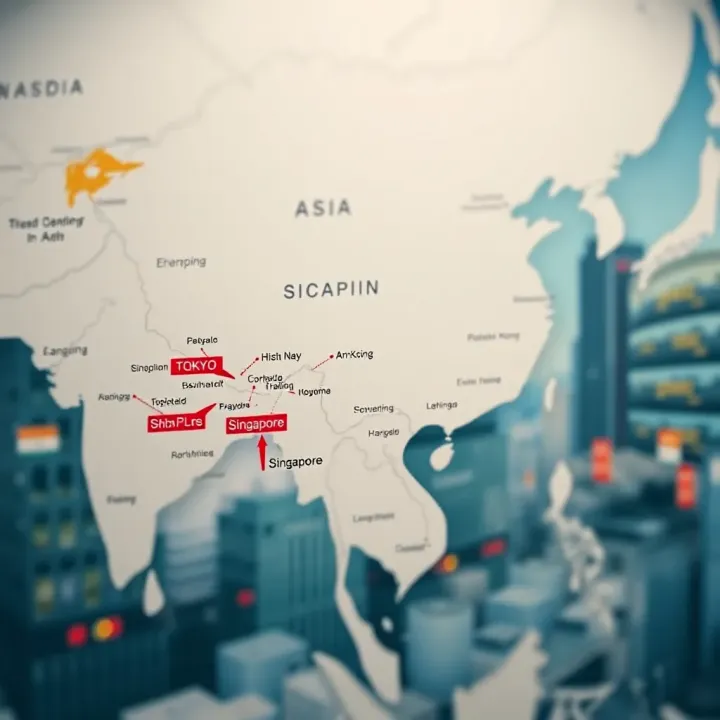
The Asian forex session officially begins when the Tokyo market opens, which is 6:30 am IST, and closes when Sydney finishes trading at 3:30 pm IST. This session combines activity from major Asian financial hubs including Tokyo, Singapore, and Sydney. Specifically:
Tokyo opens at 6:30 am IST and closes at 3:30 pm IST.
Singapore overlaps fully with Tokyo hours, given their relatively close time zones.
Sydney opens earlier at 4:30 am IST and closes by 1:30 pm IST, marking the early part of the session.
For example, if you are in Mumbai and start trading at 7 am, you catch Tokyo already active and Sydney midway. This timing allows you to respond to Asian market nuances as they unfold, unlike the European or US sessions which start later in the day.
Overlap periods between forex sessions usually bring heightened liquidity and volatility. The Asian session overlaps briefly with the tail end of the Sydney session and the early start of the European session:
Sydney-Asian overlap: 6:30 am IST to 1:30 pm IST
Asian-European overlap: 12:30 pm IST to 3:30 pm IST
During the Sydney-Asian overlap, currency pairs like AUD/JPY and AUD/USD see notable activity since both markets are open. On the other hand, the Asian-European overlap triggers increased trading volumes in pairs such as EUR/JPY and GBP/JPY. These overlaps give Indian traders the chance to capitalise on broader global movements and richer market depth.
Timing matters because it affects liquidity and price movement intensity. For Indian traders, knowing these hours allows for better entry and exit points aligned with market momentum.
Overall, being well-versed with Asian session timing in IST helps you anticipate when the market may be more active or slow, shaping your trading strategy accordingly. Whether you are day trading or swing trading, appropriating to session overlaps and unique session hours can improve trade quality and risk management.
The Asian session is shaped largely by a handful of major financial hubs, each adding its own flavour and dynamics to forex trading. Among these, Tokyo, Singapore, and Hong Kong stand out for their significant influence on market activity and liquidity. Understanding how these centres operate can help Indian traders tap into important trading windows, anticipate volatility, and choose currency pairs more wisely.
Tokyo marks the start of the Asian forex session. It opens around 6:30 am IST and finishes by 2:30 pm IST. As Japan contributes a sizeable chunk to global trade and finance, Tokyo’s forex market is heavily influential. The Japanese yen (JPY) often leads volatility during these hours. For traders in India, the Tokyo session presents opportunities to capitalise on yen-based pairs like USD/JPY and EUR/JPY, especially when economic indicators such as Japan's Tankan survey or GDP figures get released.
Moreover, Tokyo sets the tone for the rest of the Asian session. Its opening tends to kickstart trends that could carry over into Singapore and Hong Kong hours. It's common to see heightened volume and sharp moves shortly after Japan’s market opens, reflecting large institutional activity. This early volatility can benefit day traders looking for quick setups or swing traders adjusting their positions.
Singapore and Hong Kong come into play soon after Tokyo, overlapping partially while also bridging into the European session. Both cities act as gateways for international investors dealing in diverse Asian currencies such as the Singapore dollar (SGD), Hong Kong dollar (HKD), Chinese yuan (CNY), and also the Indian rupee (INR) to some extent in forex derivatives.
Singapore is especially known for its efficient forex infrastructure and strong liquidity. It hosts many multinational banks and hedge funds actively managing Asia-Pacific portfolios. This makes the SGD and regional currency crosses more liquid and tighter in spreads during this period.
Hong Kong's forex market is crucial for its role as a financial interface between mainland China and global markets. Movements in HKD and CNY pairs can be more pronounced during this session, influenced by local policies or economic updates from China’s mainland.
Indian traders should watch for news and economic releases from these centres since they can trigger quick reactions in currency pairs tied to these markets. Also, the overlap between Singapore and Hong Kong sometimes brings higher trading volume, making it a sweet spot for traders wanting better liquidity and less slippage.
Knowing the opening hours and traits of Tokyo, Singapore, and Hong Kong trading sessions empowers you to plan trades better, manage risks, and seize market moves linked to Asia’s economic heartbeat.
Tokyo opens the Asian session, driving yen volatility and early trends
Singapore enhances liquidity and spreads in regional and global currency pairs
Hong Kong acts as a critical link to Chinese markets, influencing HKD and CNY pairs
For forex traders in India, syncing with these centres’ trading hours helps optimise strategy and timing, offering an edge in a competitive global market.
Indian traders stand to gain a lot by aligning their activities with the Asian forex trading session. Given the session's overlap with Indian Standard Time (IST), traders can actively monitor market moves without needing to adjust their schedules drastically. By understanding the unique volatility and liquidity patterns during the Asian session, Indian traders can craft strategies that capitalise on price movements effectively.
The Asian session tends to have lower volatility compared to the European and US sessions but shows notable price swings around key economic data releases from Japan, China, and Australia. Traders should prepare for these spikes by using tighter stop-loss orders and avoiding over-leveraging. For example, when the Bank of Japan issues policy statements early morning IST, currency pairs like USD/JPY can show sharp moves. Scalping or range-trading strategies work well here, as persistent trends are less common than in later sessions.
Currency pairs tied to Asian economies generally perform better during this session. Key pairs include USD/JPY, AUD/USD, NZD/USD, and USD/CNH (Chinese yuan). INR crosses such as USD/INR also see moderate activity but tend to be driven more by domestic factors outside standard session plays. For instance, a trader might focus on AUD/USD early on when Reserve Bank of Australia releases economic indicators in the morning IST. These pairs often have tighter spreads and better liquidity during the Asian hours, enabling smoother trade execution.
Risk management remains crucial given that the Asian session can sometimes surprise traders with sudden gaps or erratic moves, especially around Asian market openings or unexpected geopolitical developments. Indian traders should plan trades considering economic calendars to avoid adverse surprises, use stop-losses consistently, and keep leverage prudent. Moreover, focusing on technical analysis that suits the Asian session’s characteristics – such as support and resistance levels within narrow ranges – will help in making informed entries and exits.
Indian traders who closely match their trading rhythm with the Asian forex session not only reduce exposure to unnecessary risks but also find opportunities that fit the session’s dynamics and India’s timezone comfortably.
Overall, the Asian session offers a sweet spot for Indian forex players who want balanced volatility with manageable risk and active market participation during their local morning and afternoon hours.
The Asian forex trading session does not operate in isolation. Various factors shape its behaviour and volatility, directly affecting how traders in India should approach the market. Understanding these key influences helps in making smarter trading decisions, especially since the Asian session often sets the tone for the rest of the day.
Economic data from countries like Japan, China, and Singapore usually triggers significant market moves during the Asian session. For example, Japan’s Tankan survey or China’s import-export numbers can cause sharp fluctuations in currency pairs like USD/JPY or AUD/USD. Indian traders should closely monitor scheduled releases by the Bank of Japan (BoJ), National Bureau of Statistics of China, and Monetary Authority of Singapore. These reports often indicate economic health and influence currency values instantly.
The timing of these updates typically coincides with Indian Standard Time (IST) morning or early afternoon, which aligns well with the Asian session peak hours. Traders who ignore these releases might miss profitable momentum or face unexpected price swings.
Besides macro data, geopolitical tensions or political developments within Asia can rapidly sway forex rates. Take the example of unrest in Hong Kong or trade talks between China and the US—such events inject uncertainty and impact risk appetite among traders.
Market sentiment in the Asian session tends to be more cautious compared to others, as liquidity is generally lower and traders react swiftly to news. Sentiment indicators like the Nikkei Average or MSCI Asia ex-Japan index provide clues about investor mood, which in turn affects currencies such as the Indian rupee (INR) and Singapore dollar (SGD). Indian traders must factor in regional political developments that might not influence European or US sessions immediately but are critical during Asian hours.
Trading volumes dip considerably during public holidays in major Asian centres like Japan, China, Hong Kong, and Singapore. For instance, Golden Week in Japan or Lunar New Year in China marks periods of thin liquidity and wider spreads. Indian traders should avoid initiating large positions during these holidays as the price movements may be erratic and less predictable.
Similarly, weekends see forex markets close globally, but activity tapers off towards Friday afternoon IST as Asian traders wrap up. This reduced participation leads to lower volatility, limiting profitable opportunities. Awareness of the Asian region’s holiday calendar is essential for Indian forex traders to manage risk and plan trades efficiently.
Economic data, political events, and holidays shape the Asian forex session’s rhythm. For Indian traders, keeping track of these factors can make or break trading outcomes during this crucial market window.
In brief, the Asian forex trading session's behaviour is closely linked to macroeconomic announcements, geopolitical tensions, and trading calendars across Asia. Aligning your strategies with these real-world factors improves your chances of success when trading during the Asian hours from India.
Explore the best forex trading platforms in India 🌏, compare fees, features, and legal aspects. Get tips on risk management and tech trends for smart trading 💹.
Explore Quotex forex trading with a clear look at features, risks, and tips tailored for Indian traders. Make smarter trading choices today! 💹🇮🇳

Learn about RBI-authorised forex trading platforms in India 🇮🇳, key compliance tips, how to spot official sites, and avoid risks for a safe trading experience.

Explore RBI's detailed rules on forex trading in India 🇮🇳. Understand authorized dealers, permissible transactions, and compliance essentials for traders and businesses.
Based on 14 reviews